

Hailing from the vibrant crossroads of Maryland and New York, Thammarat emerges as a compelling voice in romantic pop music, a solo artist whose storytelling leans heavily into vulnerability, emotional nuance, and intimate reflection. With a sound rooted in heartfelt simplicity and lyrical depth, Thammarat crafts songs that resonate with anyone who’s ever loved too quickly or lost too quietly. His single, Buckle Up, released on August 13, 2024, is a striking example of this signature sensitivity. A collaboration with pianist Cass DiFonte, the track unfolds as a tender pop ballad steeped in romantic melancholy. It serves as both a metaphor and a memoir, capturing the thrill of falling too fast and the quiet devastation of emotional impact. Buckle Up is not just a song; it’s a confession wrapped in melody, a soft anthem for the hopeless romantic seeking meaning in the wreckage of a fleeting connection.
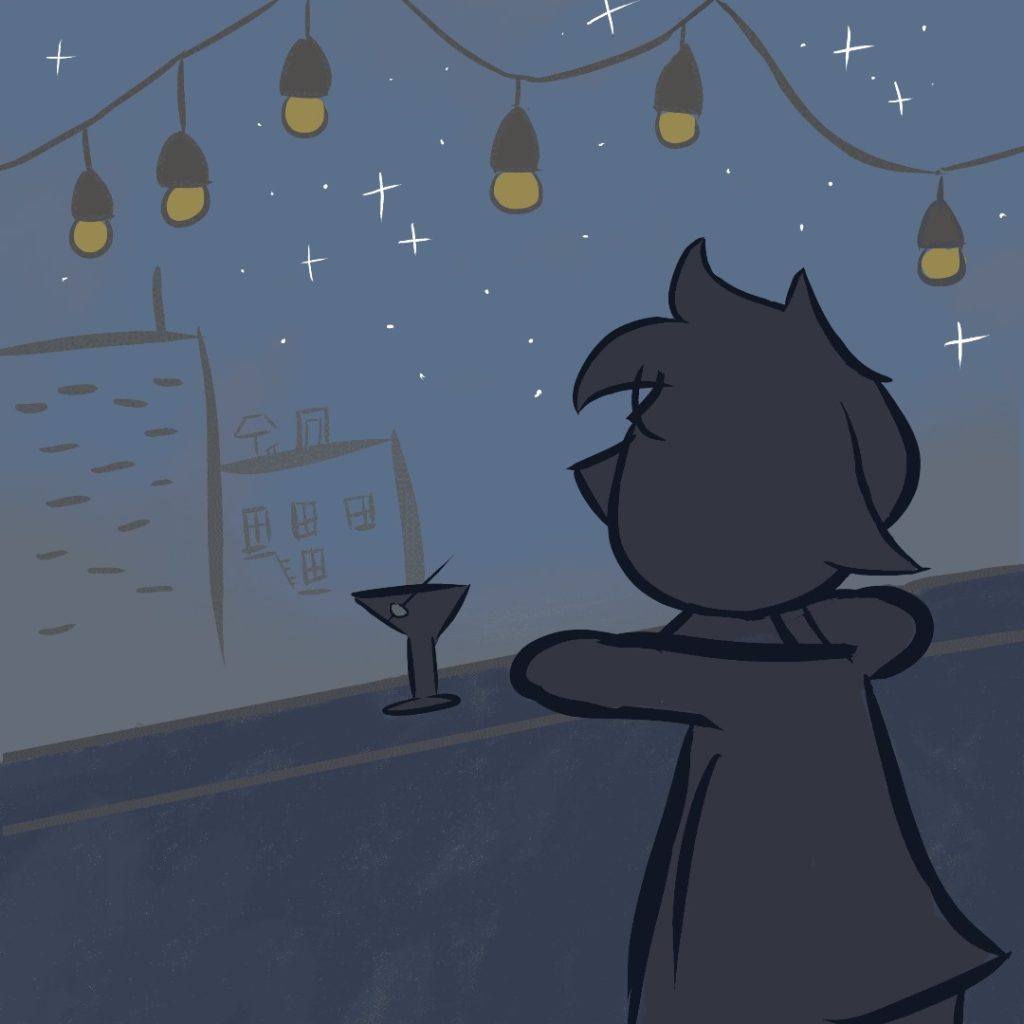
Thammarat’s Buckle Up opens like a cinematic whisper in the dark, gentle, aching, and incredibly present. From the very first line; I met you last night at the rooftop bar…, the song drops listeners into an emotionally vivid setting, offering a window into a fragile but electrifying memory. There’s a quiet intimacy that grips the senses almost immediately, like the hush before a storm or the stillness in a room right before someone breaks down in tears. A sparse piano begins to trickle in like footsteps across a dimly lit stage, giving the impression that something delicate but inevitable is about to unfold. This introductory sequence captures a moment of quiet infatuation, but beneath the sweetness is a tremor, an emotional foreshadowing wrapped in a deceptively soft piano motif. The atmosphere doesn’t scream for attention, yet it commands it in the most human way, tugging at something buried within the listener. As the notes settle, the story begins to unravel, and instinctively, you know you’re being taken on a ride that won’t leave you the same.
Musically, Buckle Up is a masterclass in restrained, emotional storytelling through sound and arrangement. The instrumentation is beautifully minimal yet richly layered, creating a soundscape that feels both warm and weighty, like a comforting memory you can’t quite let go of. Thammarat and his collaborators build this sonic architecture with care each note, each pause, feels intentional, as if every element is there to protect the vulnerability at the heart of the song. The foundational piano part, performed by Cass Difonte, serves not just as accompaniment but as a second voice in the narrative, echoing and sometimes leading the emotional arc. Each chord lands like a sigh, tender but burdened, and is gently complemented by soft acoustic guitar plucks that dance just under the surface. Ambient textures hum in the background like distant thoughts or unspoken emotions. These layers don’t shout; they whisper, swell, and recede like waves on a shore, supporting the emotional cadence of the lyrics and intensifying the atmosphere with breathtaking subtlety.

The vocal delivery throughout the piece is heartbreakingly sincere, striking a delicate balance between fragility and assertion, longing and liberation. Thammarat’s voice doesn’t demand attention, it deserves it, quietly inviting listeners into a sacred space of honesty and reflection. He sings like someone sifting through old love letters, speaking through the tremor of held-back tears but maintaining composure. There’s no need for vocal gymnastics here, the power is in his clarity, in the way he allows each phrase to settle and breathe. His vocals blend with the instrumentation so seamlessly that at times it’s hard to tell where the piano ends and the voice begins. This fusion is especially poignant during lyrical pivots with moment that lands like a realization you didn’t want but needed. These aren’t just lyrics, they’re confessions. And with every note, Thammarat’s voice carries the weight of what was felt, what was hoped for, and what had to be let go.

As the song progresses, its dynamic growth mirrors the emotional arc of the lyrics, rising from wistful infatuation to painful realization and finally, quiet empowerment. There’s no dramatic explosion of sound or tempo shift; instead, there’s a controlled intensification that feels natural, even inevitable. The emotional shifts are executed with grace, subtle swells in background harmonies, a deeper richness in the piano, and a gradual evolution in Thammarat’s vocal tone. These transitions are so smoothly woven into the fabric of the song that they’re felt more than heard. The progression mirrors how heartbreak often feels in real life, not in sharp breaks, but in slow, dawning truths. There’s something so profoundly human in that restraint. The absence of dramatic production tricks makes the storytelling even more effective; it allows the listener to focus on the emotion itself, unfiltered and unforced. The song doesn’t try to be a spectacle. It tries to be real, and in doing so, it becomes unforgettable.
Together, the vocals and instrumentation create something remarkably immersive and painfully honest, a sonic capsule of emotional confrontation and quiet self-reclamation. This is not a track built to be consumed in the background; it demands presence. The synergy between piano and voice is so organic, it feels like one continuous emotional current. Influences from artists like Taylor Swift are evident in the chord progressions and lyrical structure, but Thammarat transforms those inspirations into something distinctively his. The production is high-quality and deeply intentional, nothing is overdone, nothing distracts from the heart of the piece. Each sonic layer has room to breathe and contribute, building a quiet but resonant tapestry of sound that feels intimate even on first listen. The harmonies, and ambient textures blend into an atmosphere that lingers, an echo of a conversation you once had or wished you had. It’s not just a song; it’s a full-bodied emotional experience that grips your chest and doesn’t let go.
Buckle Up is a hauntingly beautiful melody, wrapped in raw emotion, heartbreak, and lyrical grace.
By the end of Buckle Up, I found myself wrapped in a quiet storm of emotion, haunted by its honesty, consoled by its courage, and humbled by its grace. It’s the kind of song that doesn’t just play in your ears, it settles in your bloodstream, gently turning over feelings you thought you’d outgrown. It reminded me that heartbreak isn’t always loud or messy, it can be soft, composed, and still utterly devastating. There’s no bitterness here, only truth, and within that truth lies liberation. Thammarat doesn’t write from a place of vengeance or desperation; he writes from a place of clarity, painfully earned and quietly celebrated. Buckle Up doesn’t aim to dazzle; it aims to connect. It doesn’t ask you to feel sorry, it invites you to feel seen. And when a song can do that, when it can make you stop everything and just feel, then you know you’ve encountered something truly special.
For more information about Thammarat, click on the icons below.