

Sean MacLeod stands as one of Ireland’s most gifted songwriters, celebrated for his ability to craft pop songs that are at once melodic, edgy, and deeply thoughtful. Based in Scarriff, Ireland, MacLeod’s musical journey began as a founding member of the Dublin-based band Cisco. With the guidance of U2’s one-time producer Paul Barrett, Cisco recorded their acclaimed debut album No 1, earning significant praise in their home country and sparking genuine interest from international audiences. When the band eventually parted ways, MacLeod embarked on a solo career that would see him develop an even broader creative voice. Over the years, he has released numerous singles and three full-length albums of entirely original music, each work marked by his unique blend of influences.
His style reflects the bright harmonies and melodic instincts of 1960s icons such as The Beatles, The Beach Boys, and Motown, while also embracing folk, classical, and avant-garde elements. This blend of tradition and experimentation defines his artistry. Though his music is rooted in catchy pop melodies and sophisticated harmonic structures, his lyrics often carry a more philosophical and spiritual dimension. Themes of social observation and deeper existential thought run through his catalogue, frequently disguised beneath the sweetness of pop lyricism. Looking ahead, 2025 promises to be a landmark year for Sean MacLeod. Alongside his single “Romeo”, he is preparing to release two albums: “New Start”, arriving in Spring 2025, and “We Don’t See What We Don’t See”, a more experimental collection that challenges perception and sound itself. Together, these works underscore his versatility and his ongoing commitment to creating music that is both accessible and profound.
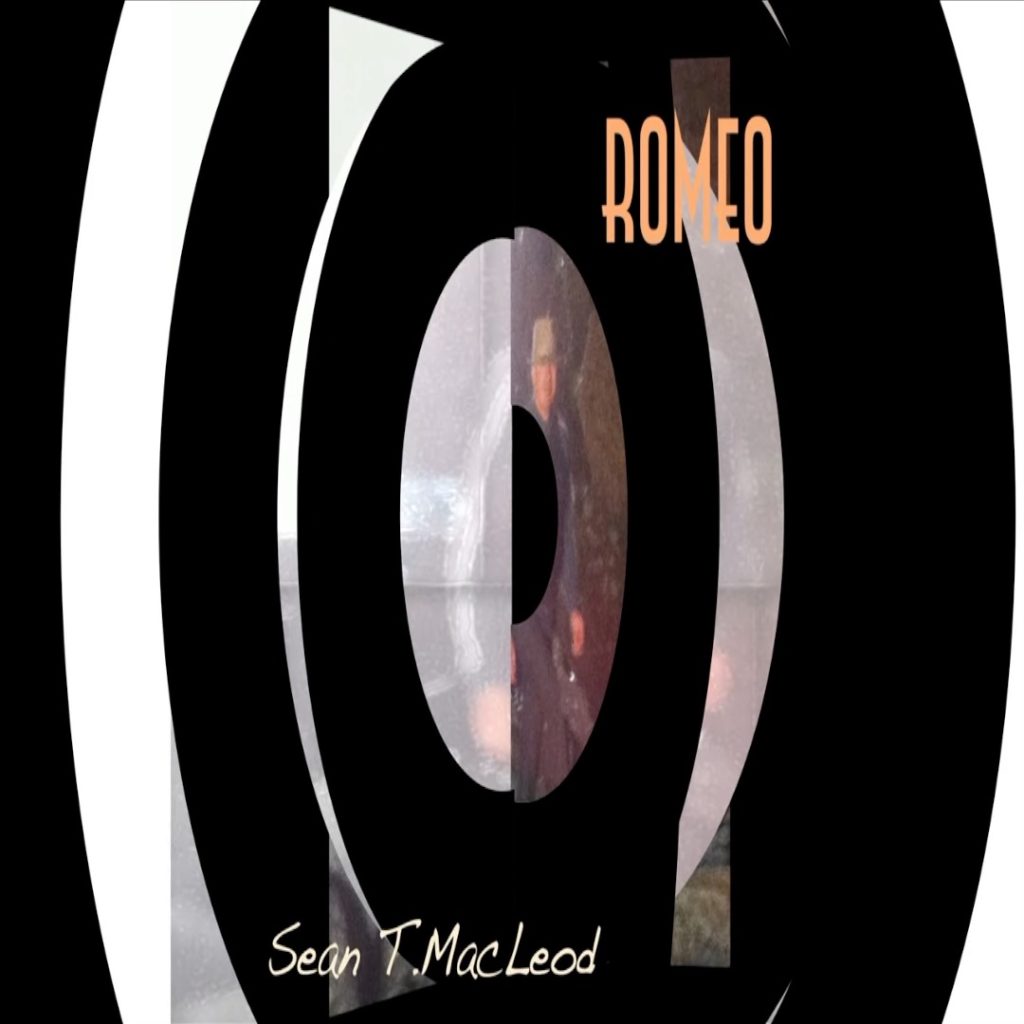
On September 30, 2025, Sean MacLeod unveiled his latest single, “Romeo”, a track that captures the very essence of his artistry. Shimmering with the warmth of 1960s-inspired guitars yet infused with modern edge, “Romeo” feels like both a nod to pop’s golden era and a bold step forward. The single opens with bright, chiming chords that instantly invite the listener into a world where nostalgia and innovation meet, setting the stage for a song that is as emotionally resonant as it is melodically infectious. With its crisp rhythm section, melodic basslines, and MacLeod’s smooth, emotive vocals, “Romeo” is more than just another love song, it is a meditation on longing, vulnerability, and the universal human search for connection. At once timeless and fresh, the single marks an important moment in MacLeod’s career, laying the groundwork for the new creative horizons he will explore in his upcoming projects.
“Romeo” by Sean MacLeod begins with an opening that instantly captures the listener in a wave of rich, nostalgic tones while maintaining a strikingly modern sensibility. The very first few seconds are marked by clean, chiming guitar chords that shimmer with brightness, evoking the sun-soaked feel of classic 1960s pop records. There’s a warmth in the introduction that feels like being welcomed into a familiar yet fresh musical world, a place where past and present converge in harmony. The guitars establish a rhythmic sparkle, strummed with confidence and purpose, while subtle percussive taps hint at the steady groove to come. From the outset, the song makes a bold statement: this is not just another retro-inspired tune, but rather a deliberate weaving of eras, genres, and textures into something that feels timeless. It’s the kind of introduction that feels alive, brimming with the promise of a journey filled with melody, rhythm, and emotion.
As the instrumentation develops, the rhythm section steps forward to establish itself as the heart of the track, breathing life and momentum into the arrangement. The drums are crisp, clean, and dynamic, each snare hit snapping with clarity, while the kick drum locks tightly with the bass to provide a steady pulse. This percussive foundation ensures the track maintains a groove that is both danceable and thoughtful, striking a delicate balance between energy and restraint. The bass guitar is especially notable, it doesn’t just sit beneath the mix but moves with melodic intent, weaving around the guitars with smooth, rounded tones that add warmth and movement. Together, the bass and drums form an unshakable backbone, grounding the music while still leaving space for the other instruments to flourish. There’s an undeniable sense of groove here, one that pulls the listener into a steady rhythmic sway, making “Romeo” as physically engaging as it is emotionally resonant.
The guitar work deserves special attention, as it forms much of the sonic identity of “Romeo.” At its core, the rhythm guitars provide a jangling brightness that recalls the iconic textures of bands like The Smiths or even early Beatles records. Strummed chords fill the space with glistening resonance, creating a rich tapestry of sound that feels both full and open. Layered atop this are subtle melodic riffs and flourishes, almost like brushstrokes of color across a canvas, adding dimension without ever overwhelming the arrangement. There are also moments where the guitars lean into a slightly edgier strum, bringing in the punchy energy reminiscent of Britpop acts like Blur, giving the track a modern sharpness. Their interplay with the bass is especially effective, as the melodic runs of the bass seem to converse with the shimmering guitar lines, creating a dialogue that feels organic and deeply musical. It’s this layering of textures that ensures the song continues to evolve sonically as it progresses, never allowing the listener’s attention to drift.
When the vocals enter, they do so with an effortless grace that feels perfectly tailored to the instrumental backdrop. Sean MacLeod’s voice carries a melodic purity, smooth and clear yet tinged with emotion and vulnerability. His vocal timbre blends warmth and strength, allowing him to float above the instrumentation without overpowering it. The phrasing is deliberate, with each line delivered in a way that feels intentional and deeply connected to the rhythm. Harmonies appear at just the right moments, enriching the texture and lifting key phrases into moments of heightened emotion. There’s a natural rise and fall in his delivery, giving the performance a dynamic ebb and flow that mirrors the instrumental progression. The vocals add a personal dimension to the track, pulling the listener deeper into its narrative while carrying the same timeless quality that permeates the instrumentation. In many ways, MacLeod’s voice acts as the final piece of the puzzle, locking the different elements together into a cohesive whole.
As the song moves through its verses and choruses, the progression showcases MacLeod’s mastery of dynamics and song structure. The verses pull in closer, carried by restrained instrumentation that allows the lyrics and vocal melody to take center stage, drawing the listener into an intimate moment of reflection. The choruses, by contrast, bloom outward with expansive harmonies, fuller instrumentation, and a sense of release that feels both uplifting and cathartic. There are instrumental breaks where the guitars and rhythm section breathe freely, letting their textures shimmer and groove in a way that adds contrast and variety to the vocal-driven sections. The progression is carefully constructed, with tension and release working hand in hand to maintain momentum, ensuring the track never feels stagnant. Every shift; whether in dynamic intensity, harmonic layering, or rhythmic emphasis, feels purposeful, designed to keep the listener engaged on both an emotional and musical level.
Romeo by Sean MacLeod bridges nostalgic 60s pop with modern edge, delivering timeless melody, heartfelt lyrics, and philosophical depth.
By the time “Romeo” reaches its conclusion, it leaves the listener with a sense of fulfillment, as though a complete story has been told through sound. The closing moments do not end abruptly but rather allow the music to exhale naturally, with the shimmering guitars and rhythmic pulse gradually fading like the last rays of evening light. The track lingers in the memory, its melodies and grooves echoing long after the final chord has faded. What makes “Romeo” such a remarkable piece is how seamlessly it bridges eras, channeling the charm and craftsmanship of classic pop while presenting it in a way that feels undeniably fresh. It is at once a song for those who crave the timeless shimmer of jangly guitars and melodic vocals, and for those seeking something new, relevant, and emotionally resonant. With its carefully layered instrumentation, heartfelt vocals, and impeccable sense of groove, “Romeo” stands as a testament to Sean MacLeod’s ability to craft music that is as moving as it is memorable.
For more information about Sean Macleod, click on the icons below.