
Fiona Amaka, a singer, songwriter, and guitarist based in London, England, is rapidly carving a niche for herself within the vibrant UK indie scene with her signature “rock’n’soul” sound. Blending the grit of rock with the emotive depth of blues and the storytelling tenderness of folk, she stands out as an artist unafraid to traverse genres while maintaining a distinctive voice. Drawing influence from legends such as Stevie Nicks and Smashing Pumpkins, Fiona’s music thrives on contrast; powerful yet graceful, bold yet deeply personal. Her releases like “No Daylight” and “Cowards and Shadows” embody her soulful indie-rock identity, reflecting on vulnerability, betrayal, and resilience. “Honesty (Psalm 139)” added a spiritual and reflective dimension to her catalogue, grounding her artistry in both raw emotion and introspective faith. With the Fiona Amaka Band gaining recognition for electrifying live performances across London, she continues to affirm her place as one of the most authentic emerging voices in contemporary folk-rock.

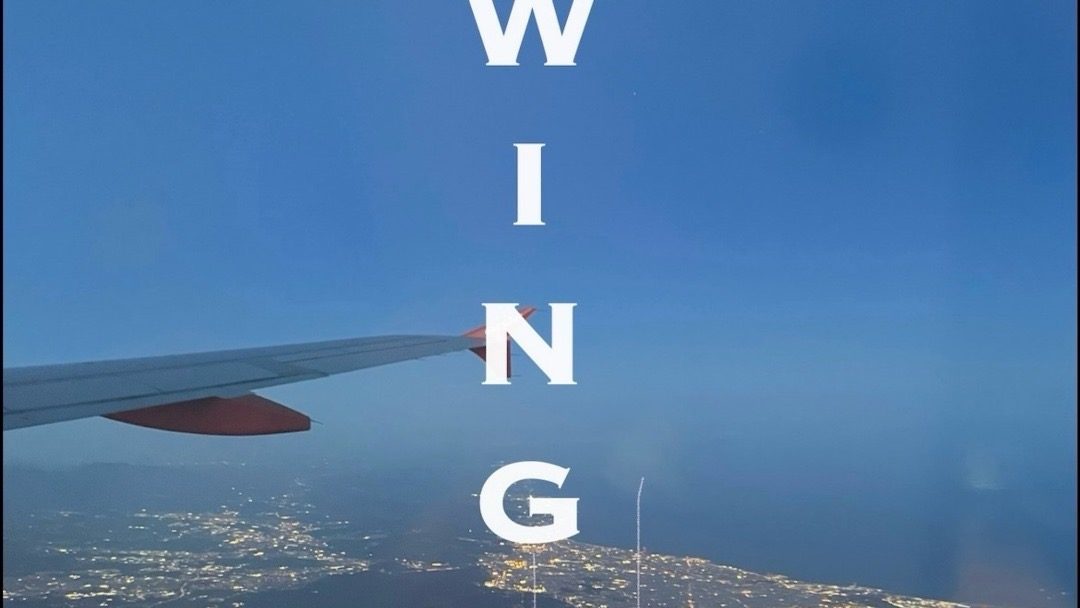
“Wingman” by Fiona Amaka, released on May 25th, 2024, stands as a striking demonstration of the London-based singer-songwriter’s ability to merge sincerity, emotion, and musical craftsmanship into a work of timeless resonance. The song is a love-centered narrative, but it is not a predictable one. Instead, it is an honest and soul-baring portrayal of companionship that speaks to the quiet depth of partnership rather than to romanticized ideals. Fiona Amaka’s blend of rock, soul, and folk elements creates a sound that feels both vintage and modern, familiar yet distinctive. From its opening moments, the song immediately establishes an atmosphere of warmth and authenticity, enveloping the listener in an emotional landscape that is as reflective as it is uplifting. Every chord, vocal nuance, and melodic shift contributes to a unified sense of intimacy and truth, making “Wingman” an enduring representation of Amaka’s evolving artistry and her unique “rock’n’soul” identity.
The song begins with a captivating guitar riff that instantly draws attention through its ringing clarity and emotional resonance. The tone is crisp, slightly echoing, and infused with a subtle shimmer that evokes the charm of retro indie rock. This introduction functions as a prelude to the heartfelt narrative that unfolds, setting the emotional foundation for everything that follows. Fiona’s decision to record the song with producer and guitarist David Taro was a masterstroke, as his contribution to the production added layers of complexity without diluting its organic charm. Initially performed acoustically in intimate venues, “Wingman” was later reimagined to carry more instrumental depth while retaining its personal essence. The interplay between the jangly guitars and understated rhythm section is perfectly balanced, each element given the space to breathe. This thoughtful arrangement ensures that the instrumental textures enhance, rather than overpower, the song’s emotional message. The combination of acoustic warmth and electric vibrancy creates a listening experience that is rich, dynamic, and deeply immersive.
Fiona Amaka’s vocal performance serves as the emotional anchor of “Wingman,” capturing the full emotional arc of the lyrics with an astonishing degree of control and feeling. Her voice is both soft and commanding, intimate yet resonant, carrying a soulful quality that feels entirely natural. In the verses, she delivers her lines with a quiet vulnerability, allowing each word to linger with meaning. As the chorus arrives, her tone blossoms into confident affirmation, encapsulating the warmth and assurance that define the song’s theme of companionship. There is no sense of over-singing or unnecessary embellishment. Every phrase feels carefully shaped, as if she is recounting a personal truth rather than performing for effect. The emotional honesty that radiates through her delivery allows the listener to connect with her deeply, as though she is speaking directly to them. Her vocal phrasing possesses an effortless fluidity that brings both the lyrics and the melody to life, embodying the perfect balance between technical skill and emotional transparency.
Lyrically, “Wingman” thrives on simplicity and emotional depth, crafting an intimate portrait of love grounded in loyalty and mutual respect. Fiona reimagines the concept of a “wingman” not as a lighthearted social role but as a metaphor for steadfast partnership, where both individuals support and uplift each other through life’s challenges. The lyrics contrast fleeting experiences with “pretenders” of the past against the grounded presence of a true companion who remains constant and unwavering. This thematic progression from disillusionment to affirmation mirrors the growth that often accompanies mature love. The chorus, with its repeated declaration “You are my wingman, you are mine,” captures both gratitude and belonging in one simple but powerful statement. There is a purity in the way Fiona communicates affection that avoids the clichés often associated with love songs. Instead, her writing carries a conversational tone, as if she is opening a window into her private reflections. This ability to transform the personal into the universal is what gives the song its lasting emotional appeal.
Instrumentally, “Wingman” is a triumph of balance and texture, with each sonic layer contributing to its cohesive emotional flow. The acoustic guitar lays down a warm rhythmic foundation, upon which shimmering electric lines and steady percussion interlace gracefully. The bass lines are subtle yet essential, anchoring the song’s mid-tempo groove and providing a sense of movement that feels both relaxed and deliberate. The production decisions, guided by Fiona and David Taro, favor organic clarity over overproduction. The jangly and echoing guitar tones infuse the song with a nostalgic quality reminiscent of classic indie rock, while still maintaining a contemporary freshness. The instrumental build throughout the track feels entirely natural, as though the song is breathing and growing with emotional intention. The dynamics shift gradually, never rushing, allowing the listener to experience the full breadth of its soundscape without losing intimacy. Every note feels purposeful, contributing to the song’s emotional rhythm rather than competing for attention.
The bridge section of “Wingman” provides one of its most memorable moments, where an elegantly executed guitar solo emerges as a contemplative interlude. Rather than serving as a show of technical prowess, the solo functions as an emotional extension of Fiona’s voice, echoing the feelings of affection, trust, and reflection that define the song’s narrative. It introduces a subtle pause within the flow, giving the listener a moment to internalize the emotions conveyed before returning to the final chorus. The use of reverb and spatial depth during this section amplifies the song’s atmosphere, wrapping the listener in a soundscape that feels both expansive and deeply personal. The transition back into the chorus is seamless, reinforcing the emotional cycle of realization and gratitude that forms the song’s core. This structural cohesion speaks to Fiona’s skill not only as a performer but as a composer with an intuitive sense of musical storytelling.
The production and mixing of “Wingman” deserve particular praise for their balance of polish and authenticity. The song possesses a clean and modern sound, yet it never loses its organic warmth. The percussion is tastefully restrained, providing rhythm without overpowering the melody. The guitars shimmer with clarity, their tones carefully layered to create depth while maintaining emotional transparency. The vocal harmonies introduced by David Taro enrich the choruses, creating an enveloping sense of unity that enhances the lyrical themes of partnership and mutual support. The reverb and spatial effects are subtle but effective, providing dimensionality without artificial gloss. This attention to sonic detail reflects Fiona’s growing confidence as an artist who understands that emotional impact is born from restraint and precision rather than excess. The final mix ensures that every element, from the delicate strumming to the emotive vocals, remains distinct yet interconnected, forming a cohesive and deeply satisfying whole.
Wingman is a Heartfelt Indie Rock Gem That Transforms Love Into A Soulful Celebration Of Loyalty, Warmth, And Emotional Truth, Radiating Sincerity In Every Note
In the broader context of Fiona Amaka’s artistic journey, “Wingman” represents a defining moment of maturity and self-assurance. It encapsulates the essence of what makes her music compelling: heartfelt songwriting, soulful delivery, and a genuine connection between sound and emotion. The track manages to feel both personal and universal, speaking to anyone who has found comfort in the quiet strength of companionship. Its melodic grace, lyrical honesty, and polished yet organic production solidify Fiona’s place as one of London’s most promising and emotionally authentic indie rock voices. “Wingman” is not merely a love song, it is a celebration of trust, loyalty, and shared purpose. It captures the beauty of partnership in its most genuine form and translates it into music that feels alive with sincerity and warmth. In every sense, it is a song that not only resonates deeply but also reaffirms Fiona Amaka’s artistic voice as one guided by soul, truth, and unfiltered humanity.
For more information about Fiona Amaka, click on the icons below.