

Trashy Annie, the Austin-based rock band led by award-winning songwriter Annie Davis, has quickly become a defining voice in the modern rock and country landscape. Formed during the pandemic, the band emerged with a sound that refuses to fit neatly into any single genre, blending outlaw-country storytelling with the raw energy of hard rock and a touch of grungy punk edge. Annie Davis, who taught herself guitar in her mid-40s, fronts the group with a fierce, unapologetic presence, drawing audiences in with both her musicianship and her authenticity. From their debut album “Sticks & Stones” to their reputation for high-energy performances across bars, rallies, bike festivals, and rock clubs, Trashy Annie has built a loyal following that appreciates their raw, genre-defying approach. Each show feels like a storytelling event, with Annie’s voice guiding listeners through tales of rebellion, love, and self-discovery, all delivered with grit, humor, and fearless honesty.
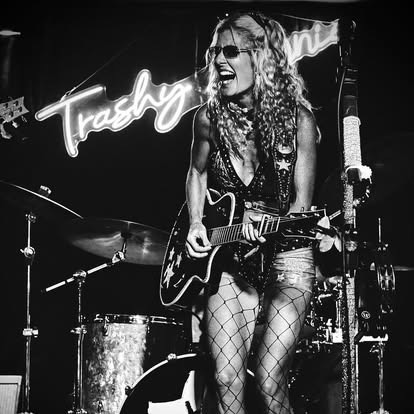
Their sophomore album “Let It Kill You” arrived on October 31st, 2025, perfectly aligning with the haunting, rebellious energy of Halloween. The record represents a full immersion into the band’s trademark themes of love, loss, rebellion, and redemption while pushing Annie’s songwriting to new heights. The tracks are bold and emotionally charged, from the defiant anthem “Big Red Bow” to the intimate, reflective “Jake.” The album explores sexuality, self-worth, personal empowerment, and the acceptance of one’s flaws with both humor and heart. Annie has described the project as a declaration of self-ownership, capturing every version of herself, wild and broken yet brave and unapologetic. Each song reflects the lived experiences and emotional depth of Davis’ perspective, turning the album into a raw, immersive journey that feels as personal as it does universal.
Musically, “Let It Kill You” emphasizes a guitar-driven sound that blends crunchy overdriven rhythm with razor-edged lead lines, underpinned by a muscular low end and drums placed prominently to create a heartbeat-like pulse throughout the record. The production favors clarity and grit over polish, allowing the raw energy of the band to come through in every track. Dry snare hits and slightly unrefined guitar tones make the music feel alive and immediate, while Annie’s vocals remain front and center, carrying both grit and emotion that demand attention. This approach ensures that the listener experiences the intensity of Trashy Annie’s performance as if they were standing in front of the stage, capturing the authentic spirit of the band without any artificial gloss. The album feels dangerous, lived in, and unmistakably honest, demonstrating the band’s commitment to a sound that is as real as it is daring.
Let It Kill You Album Review:
Some Strange:
“Some Strange” kicks off “Let It Kill You” with a striking display of aggressive rock energy that immediately grabs the listener’s attention. The track begins with a gentle, almost ethereal touch, where ambient notes and a subtle rhythmic pulse drift through the mix, creating a sense of anticipation and tension. Slowly, the guitar weaves into the atmosphere, building toward the track’s full-blown rock explosion. Once the drums hit with pounding force and the overdriven guitar riff asserts itself, the song establishes a bold, gritty tone that perfectly captures Trashy Annie’s fearless musical identity. The upbeat tempo locks the listener into a heartbeat-like rhythm that mirrors the emotional intensity of the story being told, while Annie Davis’ vocals dominate the forefront of the mix, carrying a raw, slightly rebellious edge that reinforces the track’s audacious character. Every element works in tandem to set the stage for the journey of “Let It Kill You“, signaling a fearless entry into Trashy Annie’s sonic world.
The song’s swagger is amplified through bluesy inflections in both guitar phrasing and vocal delivery, giving the track a magnetic sense of personality that balances grit with groove. Background chants and layered chorus hooks contribute to a communal, live-room energy, making it feel as if the listener is part of a shared, high-octane performance. Harmonic choices leaning on minor and pentatonic scales lend tension and darkness to the song, emphasizing the seductive and impulsive themes embedded in the lyrics. The stereo panning of layered guitars expands the soundstage, creating a wide, immersive listening experience while maintaining the track’s driving momentum. Every riff, chord progression, and vocal flourish feels carefully placed yet untamed, giving “Some Strange” a sense of immediacy and vitality that commands attention throughout its runtime.
From a production standpoint, “Some Strange” strikes the perfect balance between polish and rawness, allowing the track to feel energetic and alive without sounding overproduced. The snare and kick drums hit with clarity and punch, guitars retain their grit and presence, and Annie’s vocals remain bold and front-and-center, delivering every lyrical nuance with confidence and texture. The arrangement, combined with the song’s minor-key tension and layered instrumentation, encapsulates a sense of desire, danger, and impulsive physicality that feels unrestrained and authentic. As the opening track of “Let It Kill You”, “Some Strange” not only sets the tone for the album’s audacious journey but also establishes Trashy Annie’s mastery of blending storytelling, raw emotion, and high-octane rock energy into a thrilling, immersive experience.
Me and Julio Down by the Schoolyard:
Trashy Annie’s rendition of “Me and Julio Down by the Schoolyard” on “Let It Kill You” transforms Paul Simon’s classic into a whirlwind of punk rock energy, injecting the familiar tune with a fresh, irreverent spirit. The track propels forward with breakneck speed, propelled by fast-strummed guitars and brisk, driving drum patterns that push the song into an exhilarating, chaotic territory. A playful yet aggressive fiddle line adds a country-rooted twist, replacing the original Latin flavor with a rowdy, Americana-infused intensity that perfectly aligns with Trashy Annie’s genre-bending identity. From the very first notes, the arrangement signals a departure from nostalgia, instead embracing reckless, youthful energy that makes the track feel simultaneously familiar and entirely new.
Vocal delivery plays a key role in reshaping the song, with phrasing tightened to keep pace with the accelerated tempo. Annie’s voice carries a rebellious snarl, giving the melody a sense of urgency and daring that contrasts sharply with the laid-back charm of the original. Background chants support the iconic chorus, heightening the communal, live-room feel and amplifying the track’s kinetic energy. Harmonically, “Me and Julio Down by the Schoolyard” honors Simon’s original structure, but the recontextualized mood transforms the storytelling from mellow reflection into mischievous abandon. The shortened spaces between lyrical phrases further propel the listener along, giving every line a sense of propulsion and playful immediacy that mirrors the chaotic energy of the instrumentation.
Production choices emphasize punch and clarity, keeping reverb minimal to preserve the track’s immediacy while using stereo panning to separate guitars and fiddle, preventing frequency clashes and enhancing the track’s spacious yet frenzied feel. The cover showcases Trashy Annie’s skill at reinventing familiar material rather than simply replicating it, turning a well-known classic into a bold, genre-defying statement. By bridging punk, rock, and country influences, the band highlights their adventurous spirit and fearless approach to reinterpretation, making “Me and Julio Down by the Schoolyard” one of the most stylistically revealing tracks on “Let It Kill You” and a standout example of Annie Davis’ inventive musical vision.
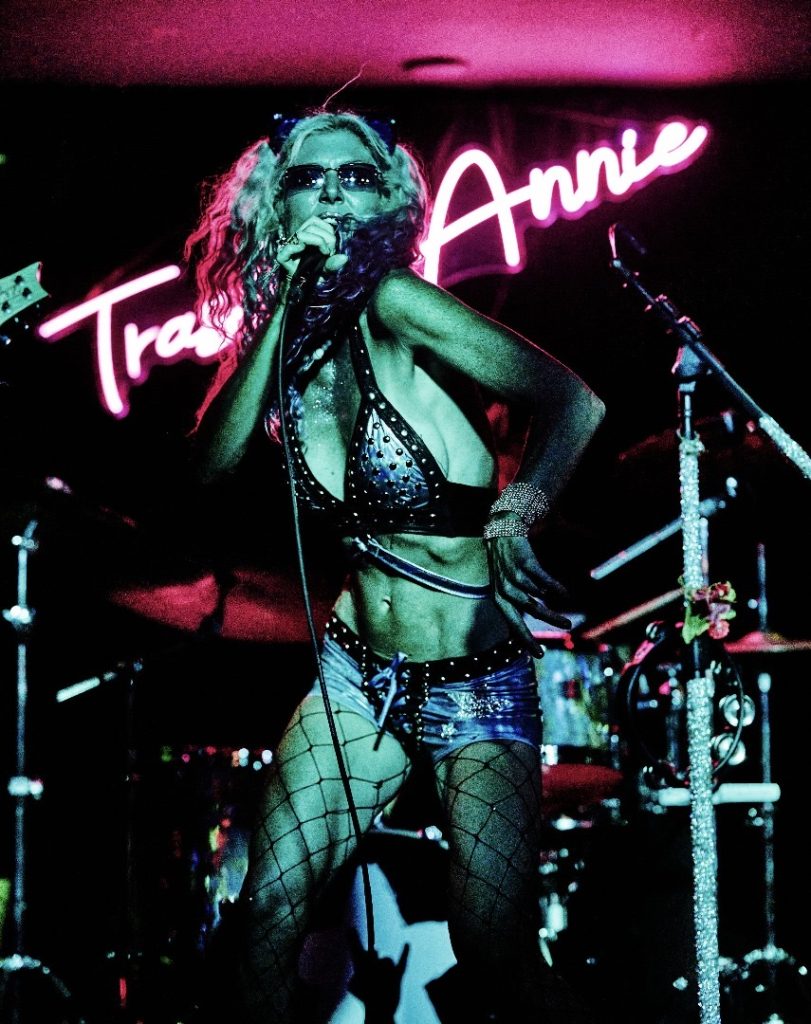
Migraine:
“Migraine” stands as one of the darker emotional pillars of “Let It Kill You“, plunging the listener into a raw, unfiltered exploration of internal chaos and psychological fatigue. From the first note, the track asserts itself with heavily distorted, aggressive guitars that carry modal and minor harmonic motifs, amplifying a sense of discomfort and tension. The rhythm section relentlessly drives forward, with drums striking with precision and intensity that mimic the pounding of mental stress, effectively making the music feel like a physical weight pressing on the skull. Annie Davis’ vocals are sharp, urgent, and at times verge on shouted delivery, conveying frustration, instability, and raw emotion without ever softening the edges. Every element of the track works cohesively to create a sense of unease and immediacy, placing the listener directly in the eye of the storm.
The arrangement of “Migraine” is compact and purposeful, prioritizing catharsis over extended solos or experimental detours. The guitars form a towering wall of sound that dominates the sonic space, while the precise rhythm section anchors the chaos with muscular clarity. Despite the aggression, mixing choices allow the vocals to cut through with full intelligibility, making the lyrical themes of emotional endurance and mental struggle resonate deeply. The low-end is full and commanding, yet carefully balanced to prevent muddiness, highlighting the intricate percussion patterns that drive the track’s relentless energy. This combination of compositional discipline and sonic aggression ensures that “Migraine” hits with maximum impact, leaving a lingering sense of tension and release.
Lyrically and emotionally, “Migraine” embodies the battle with mental fatigue, inner turmoil, and the weight of relentless stress. The song functions as both a confessional and a release, pairing cathartic instrumentation with brutally honest vocal delivery to create a visceral listening experience. The interplay of heavy guitars, urgent drums, and uncompromising vocals mirrors the exhaustion and chaos described in the lyrics, making the track feel less like a composed reflection and more like an unfiltered explosion of emotional intensity. In the context of “Let It Kill You”, “Migraine” serves as a crucial counterpoint to the album’s more energetic or playful tracks, grounding the record in raw human vulnerability and demonstrating Trashy Annie’s mastery at turning personal struggle into compelling, cathartic rock music.
Sugar:
“Sugar” shifts the momentum of “Let It Kill You” toward a more melodic rock territory while retaining Trashy Annie’s signature grit and unapologetic storytelling. Inspired by a real-life motel encounter, the track blends humor, shock, and cynicism into a narrative that feels vivid and lived-in. The instrumentation leans into groove rather than pure speed, with crunchy rhythm guitars locking in with a driving bassline to create a foundation that feels both tight and dynamic. The title word itself becomes the sonic punch of the track, landing in the memorable chorus hook with an immediacy that lingers long after the track ends. From the outset, “Sugar” establishes a balance between storytelling and musicality, showing Annie Davis’s ability to turn personal anecdotes into compelling, relatable rock moments.
Vocally, Annie’s performance is fierce and intoxicating, striking a precise balance between control and raw expression. Each note is delivered with unfiltered honesty, perfectly complementing the track’s irreverent and slightly cynical narrative. Subtle backing vocals enhance the chorus without detracting from the lead, adding depth and texture to the hook while keeping the focus on Annie’s voice. The chord progression leans toward major or mixed-mode tonalities, creating a sense of ironic sweetness beneath the dirtier lyrical revelations, which enhances the song’s dynamic tension and storytelling impact. This contrast between melodic brightness and lyrical grit is central to what makes “Sugar” both engaging and emotionally resonant.
Production choices emphasize clarity and energy, allowing the track’s narrative, instrumentation, and vocal nuances to shine simultaneously. Dynamic shifts between more subdued verses and a fuller, hook-driven chorus give the song room to breathe, heightening its dramatic impact while maintaining a cohesive rock edge. The guitars retain their crunch and presence, the bassline drives the groove, and the vocals remain front and center, making every lyrical twist and melodic flourish stand out. “Sugar” stands out on “Let It Kill You” as a track that combines authentic storytelling, memorable hooks, and rock attitude, demonstrating Trashy Annie’s gift for crafting songs that are as infectious as they are unapologetically real.
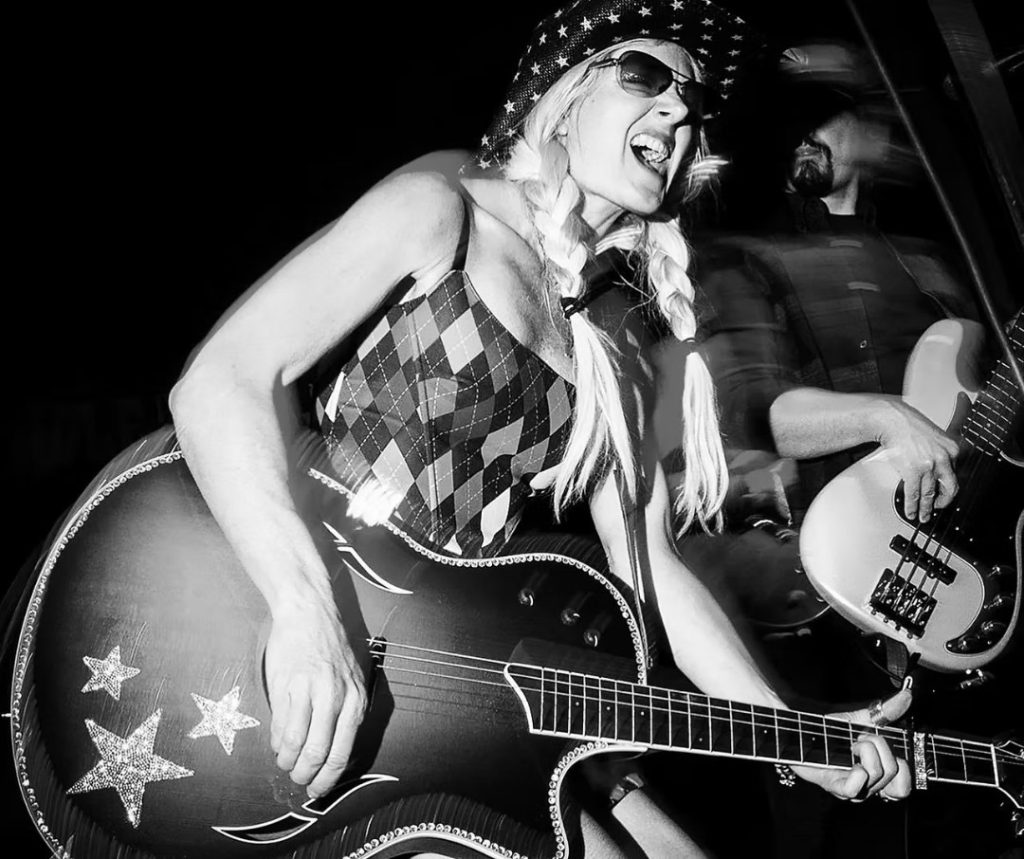
Thematically, the album is a fearless exploration of identity, resilience, and personal freedom. “Let It Kill You” examines the messy complexities of life with storytelling that is both theatrical and relatable, capturing the raw highs and lows of human experience. From the celebratory defiance of “Big Red Bow” to the emotional depth of “Jake,” the songs navigate love, heartbreak, and self-acceptance with a fearless, unapologetic lens. Annie’s songwriting balances humor and grit, allowing the listener to experience the full spectrum of emotion while still feeling empowered by her honesty and defiance. The album is not simply a collection of songs but a cohesive statement, showcasing the band’s evolution toward a more assertive and self-assured musical persona while maintaining the theatrical flair and sharp storytelling that made their debut compelling.
Trashy Annie’s Let It Kill You Fuses Outlaw-country Grit, Punk-rock Energy, And Raw Storytelling Into A Fearless, Electrifying Journey Through Love, Chaos, Rebellion, And Unapologetic Self-expression
“Let It Kill You” ultimately cements Trashy Annie as a force to be reckoned with in the independent music world. The record succeeds as both a sonic and emotional statement, marrying outlaw country attitude with hard rock immediacy, all while retaining a unique sense of identity. Trashy Annie’s fearless approach, from production choices to lyrical honesty, makes this album a statement of empowerment, self-expression, and artistic evolution. With each track, the band demonstrates their ability to merge energy, authenticity, and theatricality into a sound that feels lived in and dangerously compelling. In “Let It Kill You,” Trashy Annie proves that rock can be bold, authentic, and unapologetically human, solidifying their place as one of the most exciting voices in contemporary American rock and country music.
For more information about Trashy Annie, click on the icons below.