
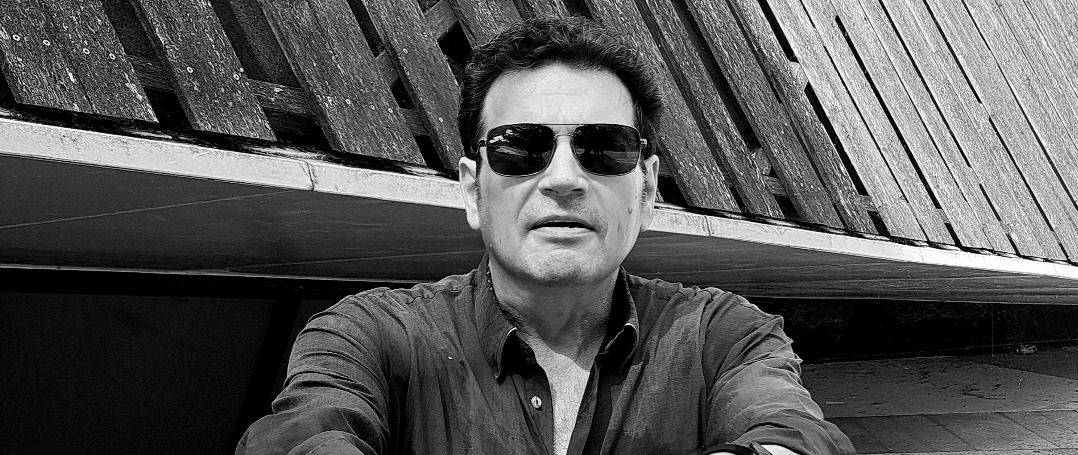
Emerging from the historic city of Mons, Belgium, Jean-Philippe Ruelle is an electronic music artist and composer whose work bridges the realms of hypnotic synth-driven soundscapes and cinematic storytelling. From an early fascination with musical experimentation, Ruelle has carved a path defined by curiosity, joy, and relentless creativity. His approach to composition is deeply personal: every note is composed and performed by him, reflecting an intimate connection with his craft and a desire to bring moments of happiness to his listeners. Ruelle’s artistry draws inspiration from iconic figures in electronic music, blending the retro textures of Jean-Michel Jarre, the nocturnal synth-wave energy of Kavinsky, and the intricate, emotive sound design of Röyksopp. Yet, his work is uniquely his own, infused with a spirit of playfulness, experimentation, and cinematic imagination. For Ruelle, music is not just a sequence of sounds, it is a dynamic experience, designed to move, thrill, and inspire. Beyond the studio, he shares his creative vision visually, producing music videos that complement the energy and narrative of his compositions.
With each release, Jean-Phillipe invites his audience into a world where rhythm, texture, and emotion converge, offering both a sonic journey and an emotional experience. On 14 November 2025, Jean-Philippe Ruelle released his latest single, “Compulsein”, a hypnotic and energetic instrumental track that captures the pulse of the night and the thrill of movement. Synth-driven and psychedelic in nature, Compulsein embraces the spirit of the 80s while infusing it with modern power and cinematic tension. Its pulsing bass, shimmering retro textures, and precise rhythm create an electrifying soundscape, perfect for night rides, after-hours energy, or simply losing oneself in the music. Jean-Phillipe describes the creation of “Compulsein” as “pure joy, sparks in my brain, and tingling in my fingers,” reflecting the boundless enthusiasm and creative freedom that defines his work. With this single, listeners are invited not just to hear, but to feel the energy, exhilaration, and meticulous craftsmanship of a composer fully immersed in his art. “Compulsein” is both a celebration of electronic music’s past and a bold statement of Ruelle’s distinctive voice in the present.
Jean‑Philippe Ruelle’s “Compulsein” immediately commands the listener’s attention with a bold, cinematic energy that feels simultaneously electrifying and intimate. The song opens with shimmering arpeggios that cascade delicately across the stereo field, each note seemingly twinkling in the air like starlight in a darkened sky. These arpeggios gradually layer over one another, forming a luminous, intricate web of sound that draws the listener in before the beat even enters. When the drums finally do kick in, they arrive with a crisp, unwavering precision that drives the track forward relentlessly. The rhythm is insistent yet fluid, creating a sensation of movement that feels almost like gliding through a neon-lit metropolis at night. The interplay between the initial melodic textures and the percussive elements is masterful: the synths provide a sense of airiness and space, while the drums establish an undeniable momentum that propels the listener through the song’s unfolding narrative.

Even in these first moments, there’s a tension between serenity and energy, a balance that sets the tone for the song’s entire journey. The instrumentation in “Compulsein” is astonishingly detailed, revealing new layers upon each listen. Synthesizers form the backbone of the track, with bright, crystalline arpeggios counterbalanced by darker, moodier pads that add depth and weight. The bassline is warm and resonant, anchoring the mix while also interacting dynamically with the drums and higher synth lines. There are subtle harmonic shifts throughout the song that create a sense of expansion and contraction, allowing the music to breathe and keeping the listener engaged. As the track progresses, Ruelle introduces additional textures, soft string-like synths that swell like orchestral strings, glimmering keys that punctuate the rhythm with delicate chimes, and occasional electronic flourishes that feel improvisational yet perfectly placed.
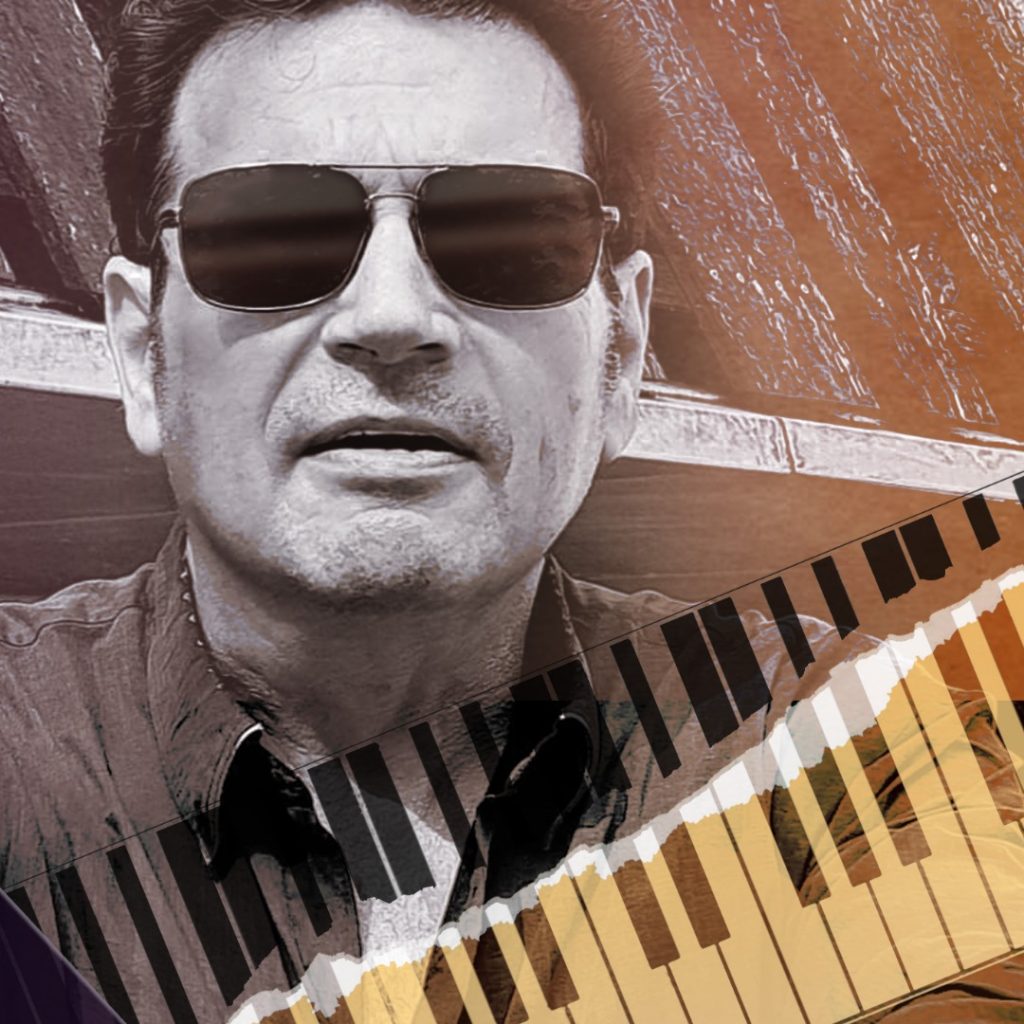
The spatial arrangement of the instrumentation is remarkable: each sound occupies its own space in the mix, giving the song a three-dimensional quality where no element feels crowded, and every note has room to resonate. The layering is meticulous, showing Ruelle’s skill in blending cinematic sensibilities with electronic pop structures. The song’s progression is carefully structured to take the listener on an emotional journey, moving seamlessly between urgency and introspection. After the initial surge of energy, the track evolves, introducing sections where the driving rhythm softens slightly, and the harmonic textures broaden and deepen. In these passages, the arpeggios recede, replaced by lush, sustained synth pads that hum gently beneath the surface, creating a feeling of suspended time, almost as if the song is pausing to reflect. This ebb and flow between momentum and stillness is central to “Compulsein’s” appeal: it never feels static, even in its calmer moments, and the transitions are fluid enough to make the listener feel as though they are being guided rather than pushed through the music.
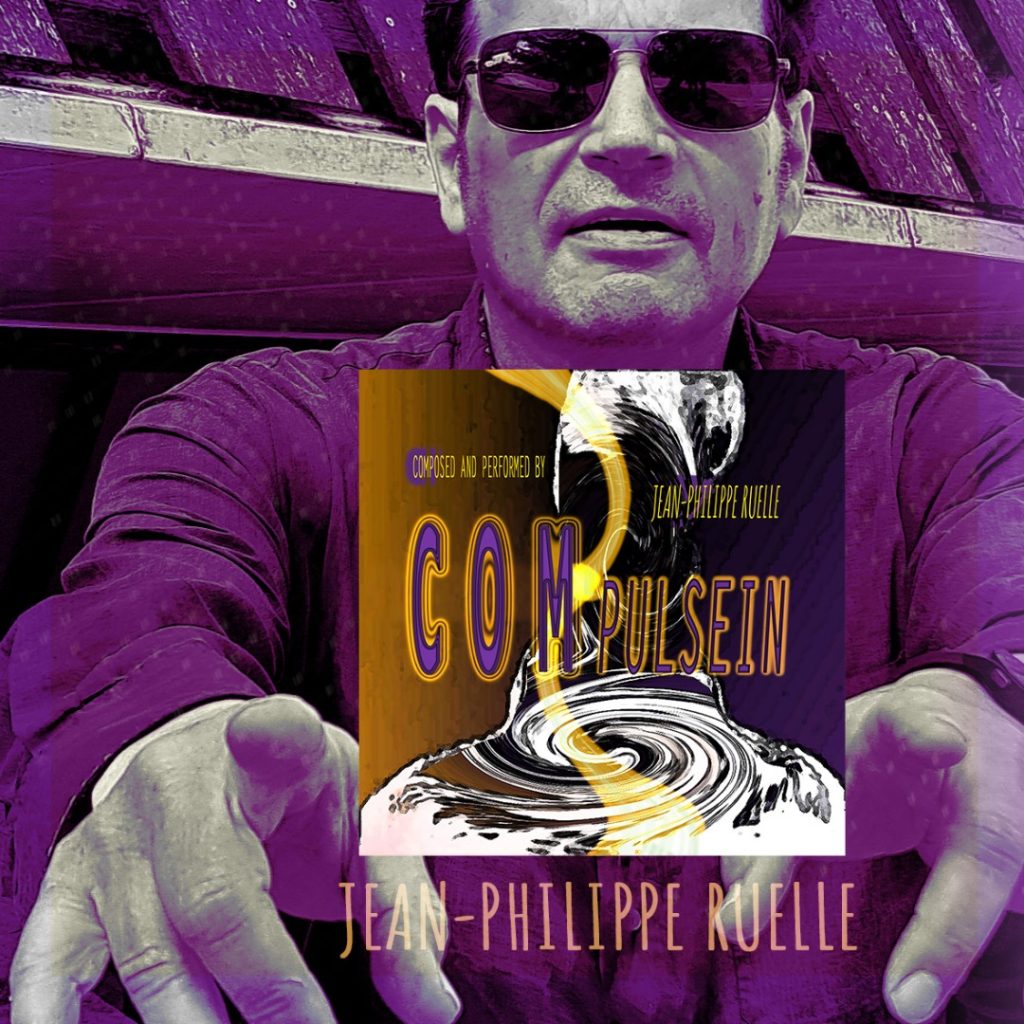
There’s a palpable tension in these moments, a delicate interplay between the forward-driving energy of the rhythm section and the introspective, floating nature of the melodic layers. It is this careful balance that gives the song a sense of depth, making it feel cinematic, like a short story told entirely through sound. One of the most compelling aspects of “Compulsein” is Jean-Phillipe’s use of human voice as a textural instrument rather than a lyrical one. Though there are no sung words, ethereal vocalizations appear throughout the track, treated with generous amounts of reverb and delay to create a haunting, almost ghostly presence. These vocals soar above the electronic layers at times, adding an emotional weight that contrasts beautifully with the bright, crystalline synths. At other moments, they drift softly into the background, blending with the pads and arpeggios to form an ambient wash that feels immersive and enveloping. The effect is both human and otherworldly, lending a warmth to the electronic instrumentation while also emphasizing the song’s cinematic qualities.
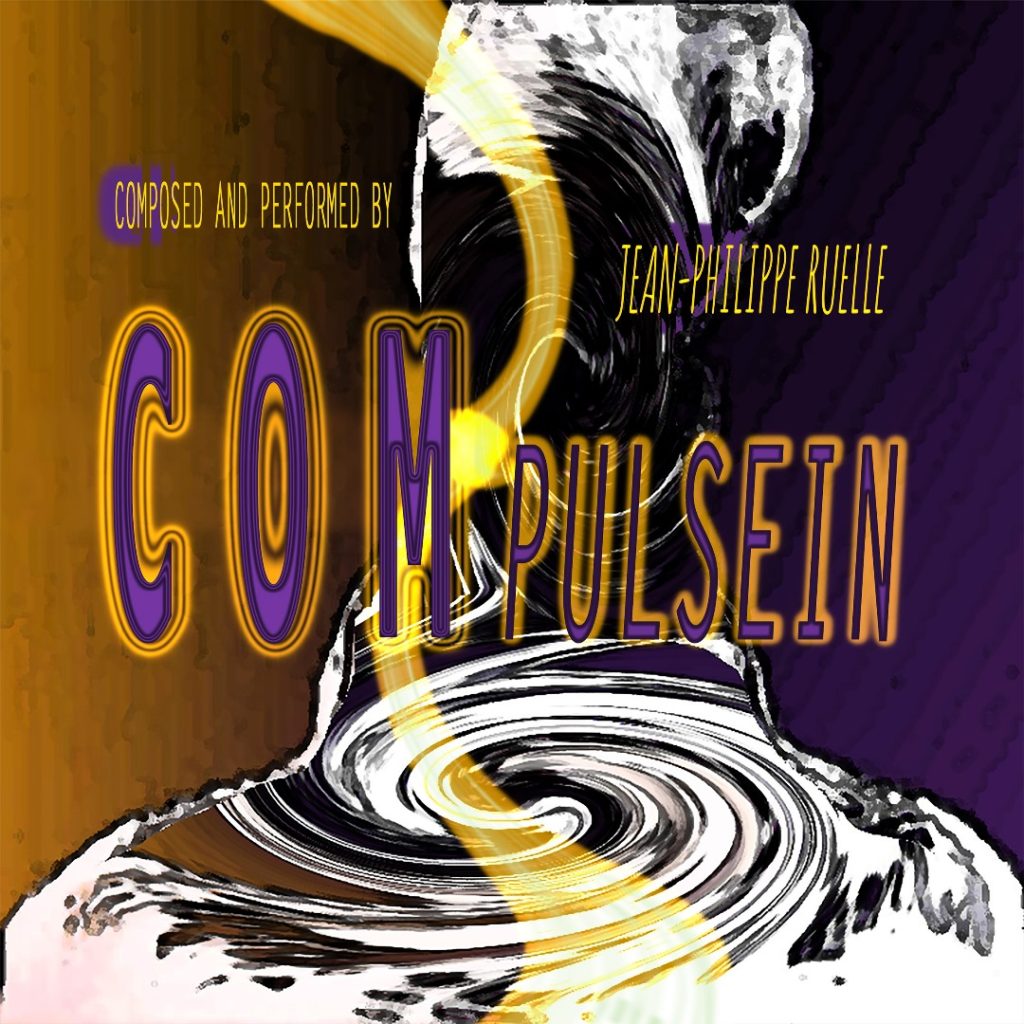
These vocals do not dominate the track, but their subtlety is what makes them so effective, providing an emotional through-line that guides the listener through the complex soundscape. Emotionally, “Compulsein” is a study in contrasts, balancing exhilaration with reflection. The persistent drive of the beat and the pulsating synth arpeggios create a sense of urgency, as if the listener is hurtling toward a climax, yet the lush pads, ethereal vocals, and occasional orchestral-like flourishes provide moments of calm contemplation. This duality makes the song profoundly affecting: it feels like a journey through a dreamscape where the listener is both an active participant and a passive observer. The emotional tension is enhanced by subtle harmonic shifts and changes in texture, which suggest moments of uncertainty, longing, or introspection amid the track’s overall momentum. The listener is left with a sense of catharsis, not through overt resolution, but through the interplay of sound, rhythm, and space that Jean-Phillipe orchestrates with precision and sensitivity.
Compulsein is a hypnotic, synth-driven journey blending 80s nostalgia with modern cinematic energy, joy, and emotional depth.
The conclusion of “Compulsein” is a masterclass in nuanced resolution. As the song approaches its final moments, the rhythmic pulse intensifies briefly, layered with soaring synths and resonant vocal echoes that create a sense of emotional release and culmination. Then, gradually, the elements peel away, leaving only faint pads and shimmering arpeggios that fade into silence, giving the track a lingering, open-ended quality. The ending feels reflective yet hopeful, a perfect counterpoint to the energetic opening, leaving the listener suspended in thought and emotion. The track concludes not with a definitive statement but with a sense of infinite possibility, echoing the cinematic and emotive qualities that define “Compulsein” from start to finish. Listening to it is an immersive experience, where every layer, every texture, and every nuance is designed to engage both the mind and the heart, cementing Jean‑Philippe Ruelle’s reputation as a master of emotional electronic storytelling.
For more information about Jean-Phillipe Ruelle, click on the icons below.