
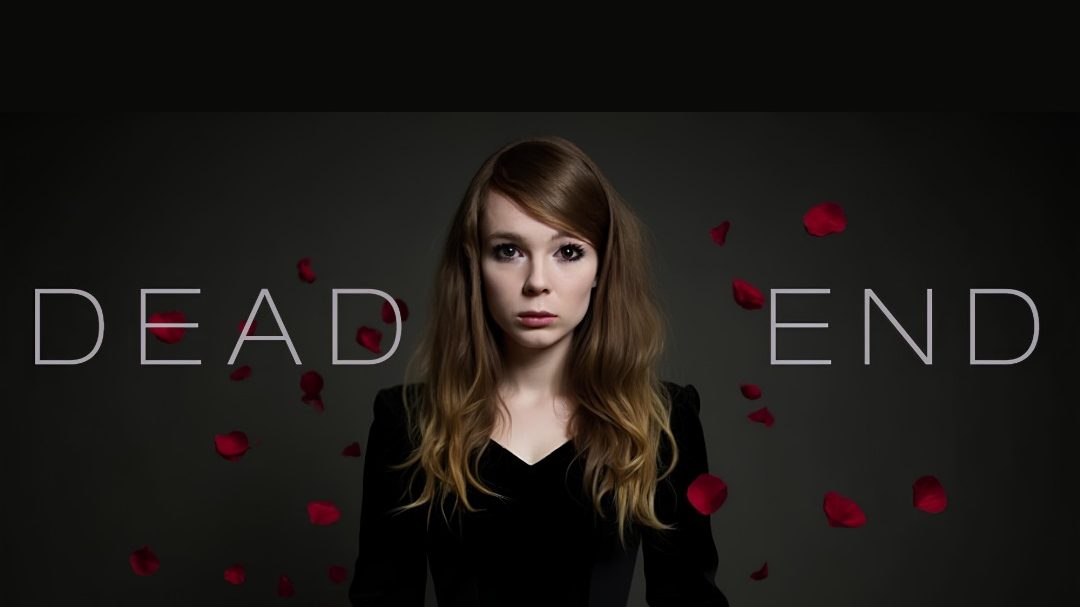
Antoin Gibson is a London based genre blending artist and the creative force behind the independently founded label Circum Sonus. Working at the intersection of dark pop, art pop, and experimental soundscape composition, Gibson’s output prioritises conceptual continuity and long form artistic world building over trend driven releases. As a self produced artist, they are known for an unfiltered and intellectually sharp approach that combines cinematic sound design with theatrical restraint. Their work moves fluidly between satire, confrontation, and introspection, often challenging conventional structures while maintaining a strong authorial presence. Operating from England, London, Gibson has positioned Circum Sonus as both a label and an artistic framework, allowing their releases to function as interconnected statements rather than isolated singles. This commitment to authorship, control, and sonic identity defines Gibson as an artist who values intention and depth above accessibility or immediacy.

“Dead End” by Antoin Gibson, released on 12th December 2025, unfolds as a deeply introspective work that immediately establishes its emotional weight through restraint rather than spectacle. The song opens with a bare piano that feels deliberately exposed, allowing each note to exist without decorative framing. This sparseness creates an atmosphere of stillness that feels heavy rather than empty. The pacing is slow and deliberate, inviting the listener into a space of contemplation instead of forward momentum. Nothing rushes toward resolution, and that refusal becomes central to the song’s identity. The opening moments communicate emotional exhaustion without spelling it out directly. Silence and decay carry as much meaning as sound. The listener is encouraged to sit with discomfort rather than escape it. This approach sets clear expectations for the experience ahead. “Dead End” announces itself as a piece meant to be felt gradually. It prioritises emotional honesty over immediate gratification. From the first piano phrase, the song establishes its quiet gravity.
Vocally, Antoin Gibson delivers a performance grounded in fragility and control, avoiding excess or dramatization. The vocal tone feels close and unguarded, as though captured in a moment of private reflection. Each line is shaped carefully, with phrasing that feels conversational rather than melodic in a traditional sense. The voice does not soar or resolve, instead hovering within a narrow emotional range that reinforces fatigue and introspection. Subtle shifts in volume and intensity suggest internal conflict rather than outward expression. There is a sense that every word costs effort to release. This restraint makes the performance feel honest and emotionally present. The lack of vocal embellishment draws attention to texture and breath. The delivery feels human and unpolished in the most intentional way. Rather than performing for an audience, Gibson sounds as though they are processing something aloud. This creates a strong sense of intimacy. The vocal becomes the emotional anchor of the song. It carries vulnerability without seeking sympathy.
Lyrically, “Dead End” explores emotional burnout and the quiet despair that comes from repeated cycles of hope and disappointment. The writing avoids melodrama, choosing instead to sit in uncertainty and unresolved thought. Images and ideas feel fragmented, mirroring the mental state that inspired the song. There is no clear narrative arc, only the sense of reaching a stopping point without answers. The lyrics feel instinctive rather than polished, as though they emerged naturally from the emotional state being described. This rawness adds to the song’s authenticity. Rather than offering explanations, the words document a feeling. The absence of traditional poetic structure reinforces the sense of collapse and overload. Lines do not always resolve neatly, and that instability feels intentional. The song speaks less about events and more about internal condition. It captures the moment where persistence gives way to emotional truth. The writing feels deeply personal while remaining universally relatable. It invites reflection rather than interpretation.
Musically, the piano remains the central force throughout the song, grounding everything in a minimalist framework. The instrument is not used ornamentally but as a structural and emotional foundation. Chords often feel unresolved, allowing tension to linger rather than dissolve. This harmonic uncertainty mirrors the emotional themes at the core of the track. The pacing of the piano lines feels deliberate, with space between notes used as a compositional tool. These pauses allow the listener to absorb each moment fully. Nothing is rushed or smoothed over. The piano becomes a voice of its own, communicating weight through simplicity. There is a sense of repetition that feels meditative rather than monotonous. Each return to a motif deepens its emotional impact. The minimal arrangement keeps focus on feeling rather than complexity. This choice amplifies the song’s intimacy. The piano guides the listener through emotional stillness. It reinforces the sense of being suspended rather than moving forward.

The structure of “Dead End” deliberately avoids traditional pop progression, favouring fluidity and restraint. There are no clear peaks or climaxes designed for release. Instead, the song maintains a consistent emotional tension from start to finish. Phrasing stretches and contracts naturally, reflecting mental strain rather than musical convention. This structural freedom allows the song to breathe in an uneven, human way. The absence of predictable rhythm reinforces the feeling of disorientation. Rather than leading the listener, the song invites them to sit alongside it. This refusal to resolve becomes a defining artistic choice. It challenges expectations of what a single should deliver. The track feels closer to a documented moment than a constructed performance. Its form mirrors its emotional content with precision. The lack of symmetry feels purposeful rather than accidental. This approach rewards attentive listening. It encourages immersion over consumption. The structure becomes part of the emotional narrative.
From a production perspective, “Dead End” is intentionally stripped back, allowing space to carry meaning. Effects are minimal and used only to enhance atmosphere rather than distract from the core elements. Reverb creates a sense of distance and isolation without overwhelming the vocal or piano. The sonic environment feels open and exposed, reinforcing vulnerability. There is no attempt to polish imperfections out of the performance. Instead, those imperfections are allowed to exist naturally. This gives the song a sense of honesty that feels rare in contemporary releases. The production choices support the emotional intent rather than competing with it. Every sound feels considered and necessary. The balance between clarity and space is carefully maintained. Nothing feels cluttered or excessive. The track achieves intimacy without sounding small. It feels expansive in emotional scope despite its minimalism. The production frames the song as an internal landscape. It allows the listener to step inside that space fully.

Emotionally, “Dead End” leaves a lingering impact precisely because it refuses to provide closure. The song does not resolve its questions or tensions, instead ending in the same suspended state it begins. This lack of resolution feels honest and aligned with its thematic core. It reflects a moment of emotional truth rather than a conclusion. The listener is left with space to reflect rather than a message to absorb. This open ended quality makes the song feel deeply personal. It trusts the listener to engage without guidance. The emotional weight accumulates gradually rather than striking suddenly. By the end, the song feels less like a statement and more like a confession. Its power lies in what it withholds rather than what it declares. The unresolved ending reinforces the idea of emotional pause. It captures a stopping point rather than an ending. This makes the song linger in memory. The experience feels quietly profound. It invites repeated listening for deeper resonance.
Dead End Listens Like A Documented Emotional Pause, Where Silence, Piano, And Voice Coexist To Capture Burnout Not As Drama, But As An Honest And Unfinished Truth
Taken as a whole, “Dead End” stands as one of Antoin Gibson’s most exposed and conceptually focused works to date. Released on 12th December 2025, it functions as both a personal document and an artistic statement. The song prioritises restraint, authorship, and emotional clarity over accessibility or trend alignment. Every element serves the central emotional intent without deviation. It demands attention rather than background listening. The minimalist approach highlights Gibson’s confidence in silence and space. This is a track that values presence over performance. It captures a moment of burnout and creative collapse without aestheticising it. Instead, it presents that state with honesty and care. “Dead End” feels intimate without sentimentality. It is fragile without ornament. The song leaves the listener changed rather than satisfied. Its impact grows through stillness rather than force. It stands as a quiet but powerful conclusion to Gibson’s 2025 output.
For more information about Antoin Gibson, click on the icons below.