
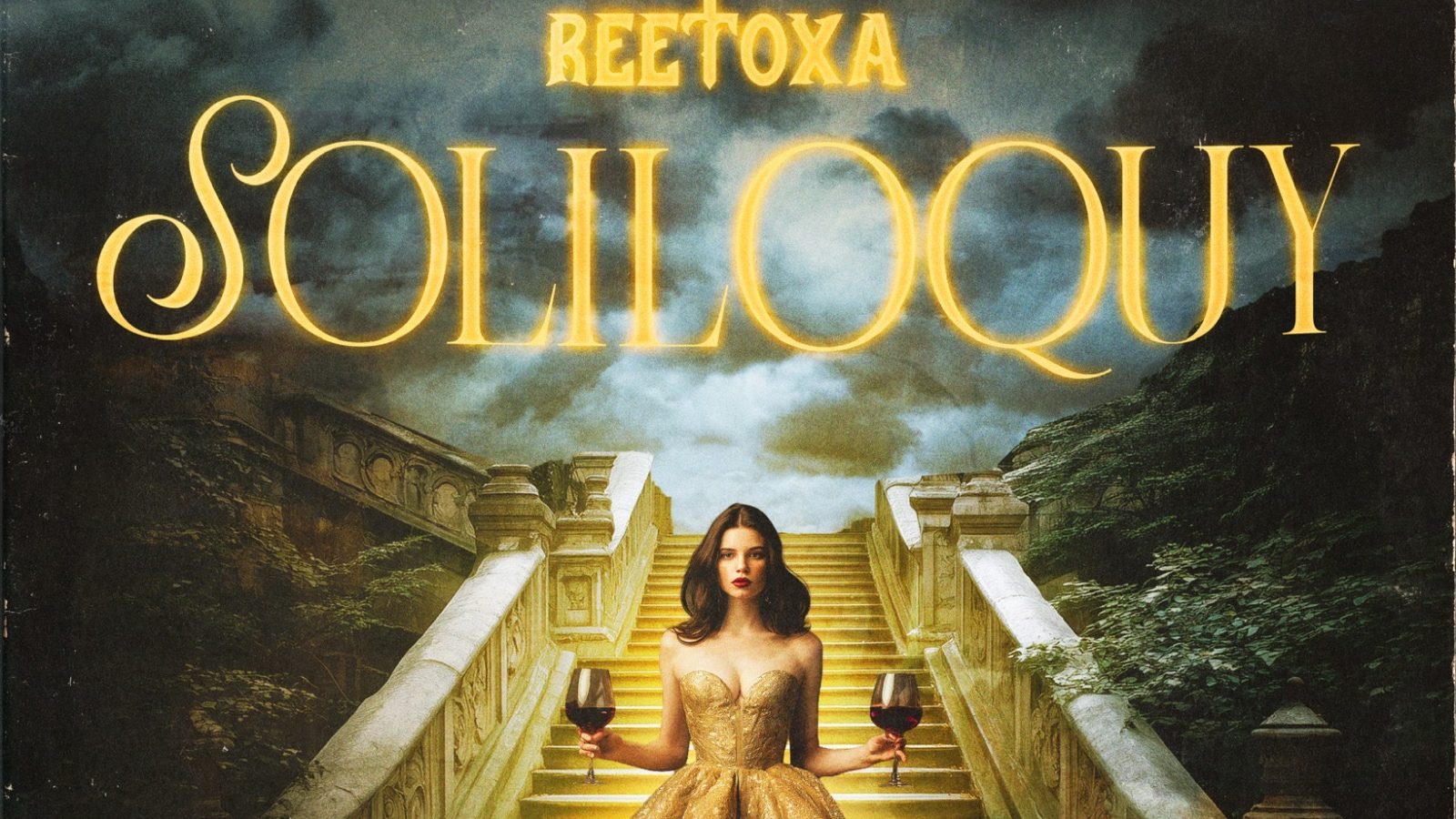
There is something inherently fearless about an album that refuses to conform, and “Soliloquy” by ReeToxA stands as a towering example of that defiance. Released on March 22nd, 2026, the 26 track double album unfolds less like a conventional record and more like a deeply personal cinematic experience. Rooted in Melbourne’s independent rock scene, this project doesn’t chase accessibility; instead, it demands patience, immersion, and emotional openness. From its very foundation, “Soliloquy” positions itself as a work of magnitude, blending orchestral grandeur with raw rock intensity to create something that feels both intimate and colossal.
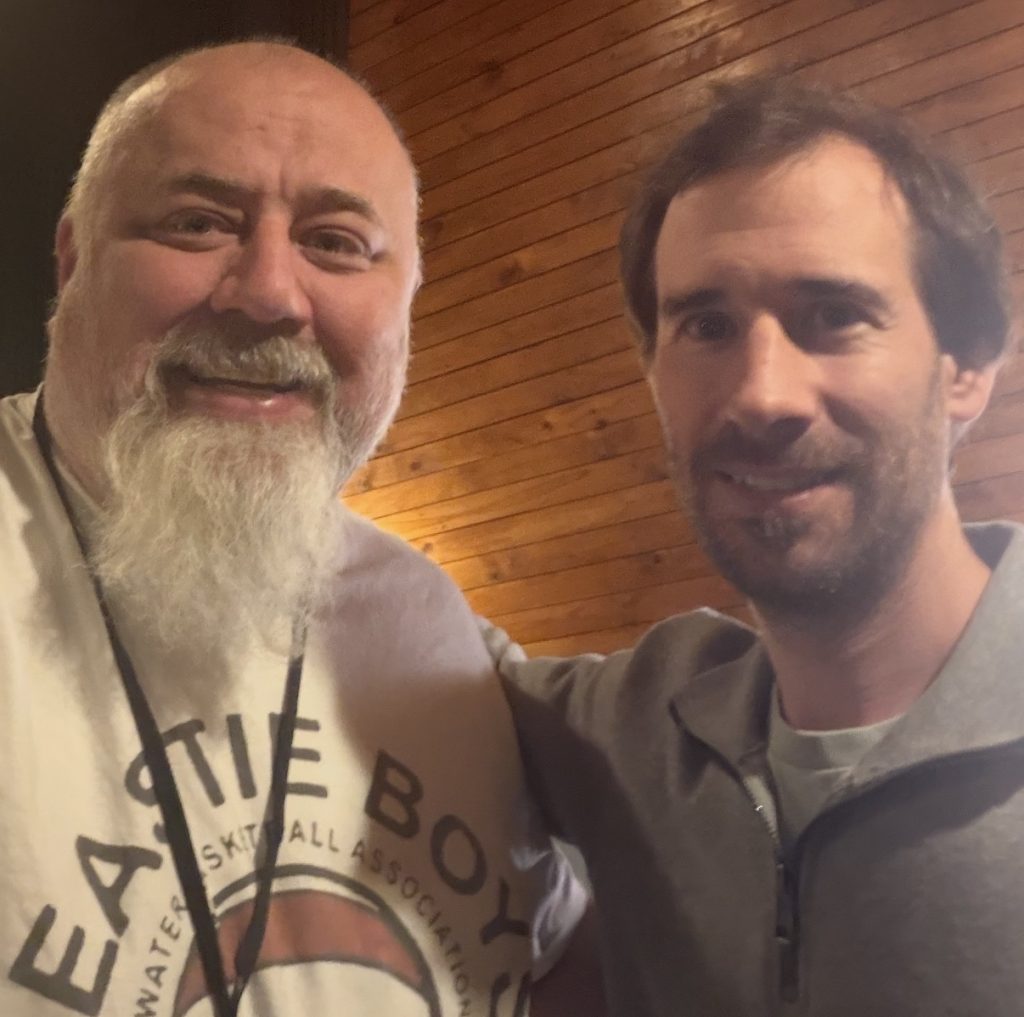
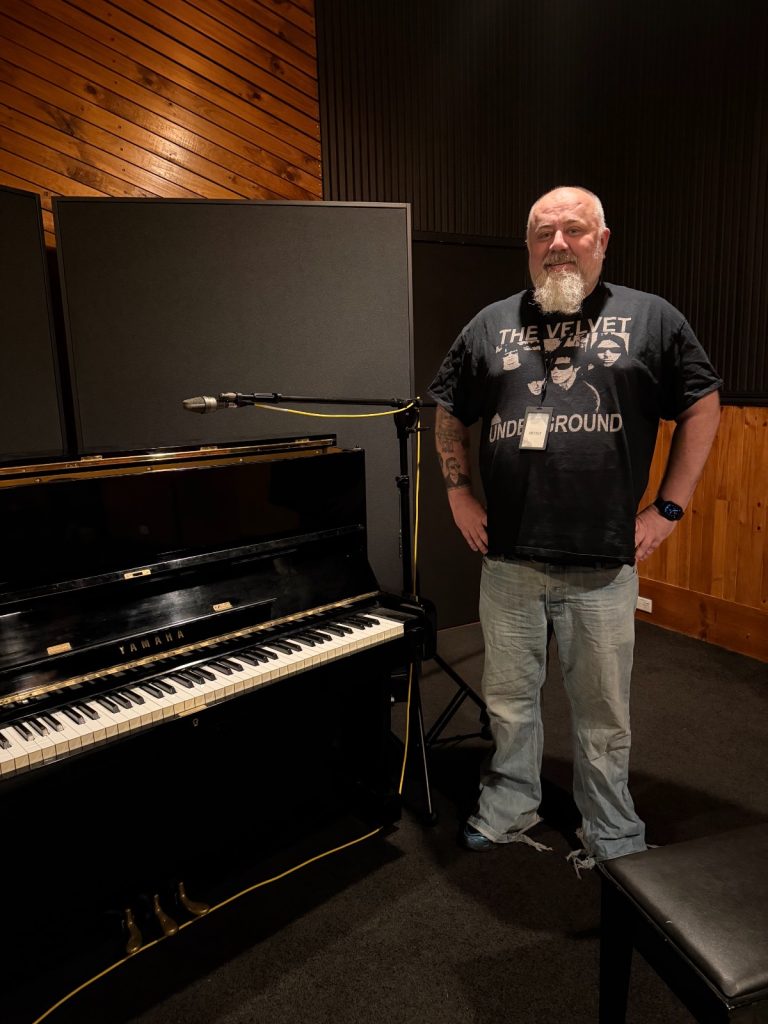
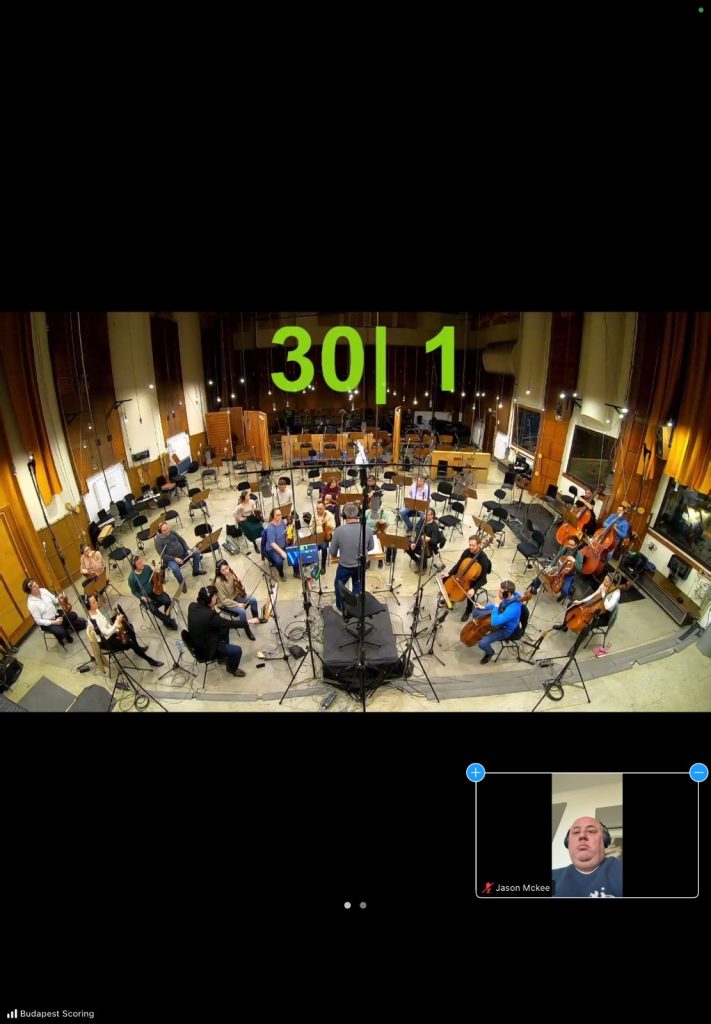
The album’s origins stretch back to 1997, giving it a historical weight that seeps into every note. What began as fragments of unfinished ideas evolved into a fully realized body of work during the isolation of the global pandemic. That period became a catalyst, pushing frontman Jason to confront decades of memories, fears, and unspoken thoughts. The result is a carefully curated selection of 26 songs drawn from a much larger archive, each piece contributing to a unified emotional narrative. There is a sense of survival embedded in the music, as though every track exists because it fought to. Sonically, “Soliloquy” is staggering in its ambition, seamlessly fusing a hard hitting rock band with a full European orchestra. The arrangements swell and retreat with cinematic fluidity, creating moments of tension, release, and reflection while guiding the listener from darkness toward a subtle, earned light.
Soliloquy Album Track Reviews:
The Lisa Song:
“The Lisa Song” from “Soliloquy” carries a subtle yet persistent drive, built on a restrained groove that moves forward with quiet determination. The rhythm section maintains a steady pulse, with controlled drums and a supportive bassline that anchors the track’s harmonic flow without overpowering it. Clean, slightly overdriven guitar chords repeat with intent, creating a hypnotic continuity that becomes the song’s emotional and melodic backbone. Rather than relying on explosive hooks, the track builds its catchiness through repetition and tonal familiarity. Vocally, Jason McKee delivers an intimate, reflective performance that leans into admiration and emotional clarity, shaping the track’s central theme of idealised connection and quiet wonder. This is captured in the lyrical line “I met a girl that looks like the sun, shine bright over everyone,” which reflects the song’s imagery of warmth, light, and emotional elevation. Balanced production keeps everything spacious, resulting in a track defined by subtle longing and steady emotional momentum.
Jade Eyes:
“Jade Eyes” from “Soliloquy” is driven by an assertive, pulsive core that immediately establishes urgency and emotional tension. The drums are pronounced and tightly locked into a consistent kick-snare pattern, giving the track a strong sense of direction, while the bassline closely mirrors the rhythm to reinforce a grounded low end. Layered guitars add depth through rhythmic strumming and subtle melodic accents, ensuring constant forward motion with minimal sonic space left idle. Vocally, Jason McKee shifts into a more impassioned register, occasionally pushing into grit during climactic moments, reflecting the track’s theme of overwhelming emotional attraction and fixation on beauty that feels both consuming and unresolved. This intensity is sharpened in the line “Not happy until I’m on my knees, I want you so badly; Your jade eyes, jade eyes,” where repetition becomes both hook and emotional spiral. Rather than relying on dynamic shifts, the song sustains pressure throughout, creating a hypnotic, tightening loop that feels increasingly consuming rather than resolving. The production frames everything with sharp clarity, letting each element strike with intent while heightening the track’s sense of emotional entrapment and forward-driving obsession.
Stare At The Sea:
“Stare At The Sea” shifts the album into a stripped-back, introspective space built around a warm, gently strummed acoustic guitar that defines its emotional tone. The chord progression is careful and measured, allowing each note to fully resonate and create a light, airy atmosphere where simplicity becomes the core expressive device. With minimal instrumentation, the guitar carries both rhythmic and harmonic weight, while subtle bass, soft percussion, and ambient textures remain understated, reinforcing openness and stillness. Vocally, Jason McKee adopts a restrained, observant delivery that feels emotionally detached yet quietly searching, enhancing the track’s reflective stillness. Lines such as “I could stare at the sea for hours, I could stare at the sea for days” emphasize emotional escape through repetition and contemplation, while “Oh why won’t you let me be so free” introduces the underlying theme of longing for release and emotional freedom. The song’s central theme revolves around escapism and the desire to mentally drift away from internal pressure, using the sea as a metaphor for emotional distance. Its slow tempo and open harmonic structure turn it into a moment of pause within the album’s intensity.
Strong:
“Strong” opens with a calming, melodic introduction that immediately establishes emotional clarity and sets a reflective foundation. This fragile beginning gradually expands as the arrangement evolves, allowing bass and drums to emerge with greater presence and transform the track’s atmosphere into something more grounded and confident. The bass introduces steady rhythmic movement, replacing initial softness with a sense of stability, while the drums develop into a defined groove that supports the song’s emotional rise. Guitar layers follow this progression, shifting from gentle melodic phrasing into richer textures that deepen the track’s emotional weight without overwhelming its core. Vocally, Jason McKee delivers a controlled yet still raw performance, reflecting growth and emotional resolution rather than turmoil. This is captured in the line “But you gotta be strong, let those feelings out, make your soul damn proud,” which reinforces the song’s central theme of resilience, emotional release, and self-acceptance. Gradual increases in production density ensure the transition from calm to fullness feels natural, culminating in a grounded and quietly triumphant sense of earned strength.
At the center of it all is Jason’s vocal performance, which serves as the emotional backbone of the album. His delivery moves effortlessly between grit and vulnerability, capturing the essence of a “human first” recording approach where emotion outweighs perfection. Every breath, every strain, every imperfection contributes to the authenticity of the experience, making each moment feel lived rather than performed. This emotional honesty is matched by the album’s structural ambition, reinforcing its identity as a long form narrative in a time where such risks are rarely taken. The overwhelming listener response reflects a growing hunger for music that dares to be expansive, immersive, and deeply personal.
Soliloquy Is A Fearless Orchestral Rock Journey Blending Memory, Survival, And Raw Emotion Into A Vast Independent Statement Of Resilience, Ambition And Human Truth Itself
~ Faithfulness (Dulaxi Team)
In conclusion, “Soliloquy” is more than an album; it is the culmination of nearly three decades of persistence, risk, and unwavering belief. Fronted by Jason McKee, who later connected with producer Simon Moro to finally bring this vision to life, ReeToxA emerges as a symbol of uncompromising artistry. The record closes with a sense of continuation rather than finality, leaving the listener with reflection and resonance. It suggests that the story being told is not just Jason’s, but one that mirrors anyone willing to confront their own inner voice, making the journey as universal as it is deeply personal.
For more information about ReeToxA, click on the icons below.