
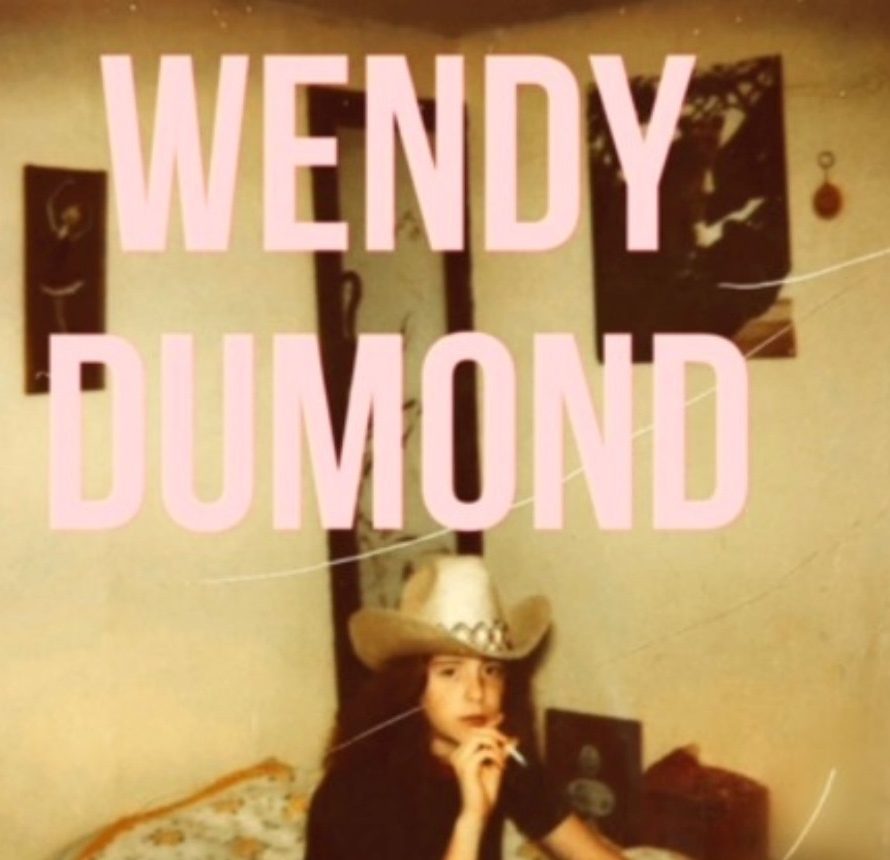
Wendy DuMond, known by her evocative solo moniker Bog Witch, has long stood as a voice of quiet rebellion and poetic clarity in the world of folk and Americana. Born in Montana and raised in Oklahoma, Bog Witch’s music carries the imprint of expansive landscapes and the lyrical silences that define the heartland. Her artistic identity is shaped by these roots, but her creative reach extends far beyond traditional confines. Whether through her solo work, performances as Bog Witch, or her contributions to the band Blackfoot Daisy, Bog Witch’s music consistently explores deep emotional terrain, marked by a haunting voice and a fearless embrace of storytelling.
Since the release of her 2012 debut EP The Scarlett Letter, she has honed a style that feels both ancient and intimate, moody, literary, and emotionally precise. Her performances, whether in intimate venues or experimental spaces, are often described as spellbinding. As Bog Witch, she merges art-pop sensibilities with Americana’s raw earthiness, crafting songs that challenge, comfort, and captivate in equal measure.

Released on April 1st, 2025, “Girl in the Box” by Bog Witch arrives as a bold, theatrical ballad that pierces deep into the psyche. A haunting metaphor encased in folk Americana instrumentation, the song is more than a sonic experience, it is an emotional excavation. At its core, the track serves as a vivid exploration of the ways in which women are conditioned, confined, and often coerced into roles that diminish their identity. With the metaphor of a magician’s assistant, Bog Witch conjures a chilling allegory of invisibility and control, weaving a narrative that balances on the edge of performance and pain. It’s a story told not just through lyrics, but through mood, nuance, and impeccable musicianship.
Bog Witch’s voice, singular and spellbinding, leads the charge with a mix of fragility and resolve. Her delivery on “Girl in the Box” is intimate yet theatrical, evoking a character who is both deeply wounded and quietly rebellious. She doesn’t shout her resistance, she breathes it, almost as if confiding in the listener while still trapped inside the metaphorical box. Each line is laced with emotional depth, turning what might have been a simple narrative into a layered experience. There is a sense that the singer herself is reliving the pain as she sings it, offering not just a story, but a piece of her soul. The vocal performance alone is a masterclass in control and vulnerability, embodying the very tension the lyrics describe.
Instrumentally, “Girl in the Box” is lush yet restrained. The acoustic guitar work by both Wendy DuMond and Don Sechelski forms a steady, flowing undercurrent that feels like a slow march toward inevitable truth. Tom Wolf’s mandolin adds an eerie, almost spectral quality to the track, its high notes flitting in and out like ghostly memories. Billy Gewin’s synth pads are a brilliant touch, subtly expanding the sonic palette and evoking the shimmering illusion of a stage performance. The blend of organic and atmospheric sounds results in a musical landscape that mirrors the song’s central metaphor; real emotions cloaked in artifice and presentation. The instrumentation is never overwhelming, instead offering space for each lyric to land with precision.
The lyrics of “Girl in the Box” are deeply poetic and visually rich, turning the glittering backdrop of a magic show into a setting of silent suffering. The lyrics paint visceral images of submission and endurance. The song deftly questions what remains of a person when they are forced to serve someone else’s illusion. It speaks to the emotional erasure that happens when identity is shaped by others’ desires, and it asks the listener to consider the price of being constantly objectified. The metaphor of the magician’s assistant is not only clever but devastating in its implications; a woman who performs pain with grace, her real self hidden behind sequins and sleight of hand.

What elevates “Girl in the Box” beyond a mere narrative is its emotional resonance. This is not a song that seeks pity; it seeks recognition. There is power in the way it portrays silent endurance as both a curse and a quiet act of rebellion. Bog Witch’s storytelling is unflinching yet empathetic, revealing the inner world of a woman who has been performing for others for far too long. The track invites listeners to step inside that emotional space, to feel the weight of constraint, and to witness the resilience that exists even within deep confinement. It is a song that does not look away from pain, it illuminates it with stark beauty.
Production-wise, the track is polished without feeling sterile. Don Sechelski’s production choices are meticulous and tasteful, allowing every layer of the song to breathe and build at its own pace. Sid Hagan’s mastering adds a final coat of clarity and warmth, ensuring that the track feels both immediate and immersive. The soundscape created is one that envelops the listener, drawing them deeper into the emotional terrain of the song. There’s a deliberate slowness in the pacing, a refusal to rush the unraveling, which mirrors the experience of the character within the song; trapped in a performance that never quite ends.

In the end, “Girl in the Box” is a triumph of artistic vision and emotional honesty. Wendy DuMond, under her Bog Witch persona, has crafted a song that is at once specific and universal, intimate and grand. It is a work that demands to be listened to with intention, to be absorbed slowly and thoughtfully. With its poetic storytelling, rich instrumentation, and profound emotional resonance, the song is destined to leave a lasting impression on those who engage with it fully. “Girl in the Box” doesn’t just tell a story, it casts a spell, one that lingers in the air long after the music fades.
For more information about Bog Witch, click on the icons below.
Wendy DuMond