
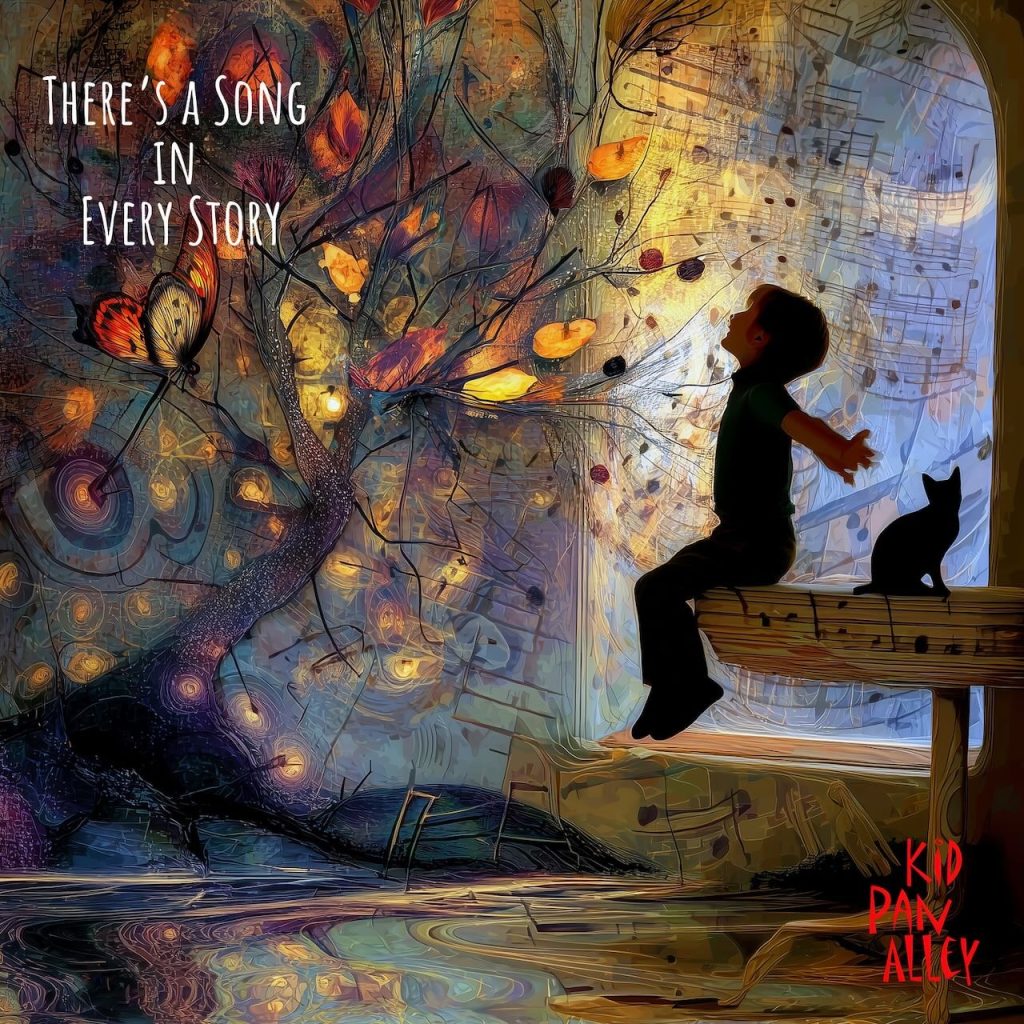
“There’s A Song In Every Story” by Kid Pan Alley is a conceptually rich and emotionally grounded album, that is to be released on 24 April 2026, created as part of the organization’s 25th anniversary celebration. Led by founder Paul Reisler, the project reinforces the group’s long-standing mission of using collaborative songwriting as an educational and expressive tool for young people. Rather than functioning as a conventional children’s music release, the album positions children’s voices at the center of serious artistic and thematic exploration, shaping a body of work that treats their perspectives with depth, respect, and narrative importance. The album brings together a notable ensemble of guest contributors, including Pinchas Zukerman, Amanda Forsyth, Natalia Zukerman, Howard Levy, and Billy Jonas, whose performances elevate the material with professional sophistication while maintaining the emotional purity of the source material.
Across the album, themes such as climate change, identity, grief, love, war, and human memory are approached through the lens of children’s lived experiences and questions, creating a narrative framework that is both accessible and profoundly reflective. Sonically, the project blends folk, classical, singer-songwriter, and acoustic traditions into a cohesive soundscape defined by organic instrumentation and restrained, clarity-focused production. The arrangements prioritize lyrical expression and emotional resonance over complexity, allowing the storytelling to remain central. Overall, “There’s A Song In Every Story” stands as a collaborative artistic statement that bridges generations, transforming classroom creativity into a unified musical work that emphasizes empathy, awareness, and shared humanity.
One Big Hurricane:
The vocal delivery in “One Big Hurricane” is the emotional core of the track, blending the expressive leadership of Billy Jonas with Kid Pan Alley and the voices of third-graders from Kenrose Elementary. This layered vocal structure creates a powerful contrast between innocence and experience, allowing the song’s message to land with both urgency and sincerity. The lead vocals are warm and conversational, guiding the narrative with clarity, while the children’s voices expand the chorus into a communal outcry. Lyrically, the song is vivid and direct, painting scenes of devastation through lines like “The river rose and the rain rushed in,” while grounding its message in unity and support. The repeated emphasis on togetherness; “It’ll be our brothers and sisters that’ll help us through” transforms the track into a collective anthem of resilience.
The theme powerfully intersects climate crisis awareness with human compassion, directly confronting denial through the line “it ain’t no joke,” while maintaining a hopeful outlook centered on action and empathy. The track is anchored in a folk-rooted arrangement driven by rhythmic acoustic guitars that establish a steady pulse. Subtle percussion enhances the forward momentum, while gentle harmonic textures provide emotional depth without overshadowing the vocals. The production adopts a natural, live-room feel, ensuring the authenticity of the performance remains intact. This organic approach reinforces the song’s themes, allowing the interplay between voices and instrumentation to mirror the idea of community. The balance between somber tonality and steady rhythmic drive captures both the devastation of the storm and the enduring strength of collective human response.
A Place We Go To Remember:
“A Place We Go To Remember” is defined by the deeply expressive vocal performance of Natalia Zukerman, whose delivery carries a quiet strength that anchors the song’s emotional weight. Her voice is steady and unembellished, allowing the lyrics to resonate with clarity and sincerity. The song’s lyrical content is profoundly reflective, centering on the Vietnam Veterans Memorial as both a physical and symbolic space of healing. Lines such as “a wound in the earth that needs healing” transform the monument into a living entity, while phrases like “our memories don’t dim” emphasize the permanence of remembrance. The theme revolves around collective memory, grief, and the enduring impact of sacrifice, presenting the memorial not just as a structure, but as a conduit for emotional processing. The message is both solemn and comforting, suggesting that remembrance is an active, ongoing process that bridges generations.
The instrumentation elevates this emotional narrative through a refined classical-folk fusion. The string work by Pinchas Zukerman and Amanda Forsyth provides a rich, layered soundscape, with the cello offering a grounded, resonant foundation and the violins adding shimmering textures. Paul Reisler’s acoustic guitar subtly supports the arrangement, maintaining cohesion without disrupting its reflective tone. The production is spacious and meticulously balanced, creating an immersive listening environment that mirrors the contemplative nature of the song. Each element is carefully placed, allowing the vocals and strings to interact seamlessly, resulting in a composition that feels both intimate and expansive, capturing the intersection of personal grief and shared history.
I’m Hawaiian:
The vocal performance in “I’m Hawaiian” by Kid Pan Alley is warm, inviting, and deeply rooted in storytelling, with John Keawe delivering each line with a sense of authenticity that draws the listener into the narrative. His voice carries a gentle, reflective tone that complements the sincerity of the lyrics, which celebrate identity, heritage, and connection to land. The lyrical imagery is vivid and immersive, referencing elements like “the shells on the shoreline” and “the mountain breeze,” creating a strong sense of place. The central declaration, “Let me tell you who I am, I’m Hawaiian,” serves as a powerful affirmation of cultural identity, while lines acknowledging departure, “Though I may someday move away”, introduce a layer of emotional complexity. The theme revolves around belonging and the enduring bond between individual and homeland, delivering a message that is both personal and universal.
It emphasizes that identity is not diminished by distance but strengthened by memory and connection. he track embraces a relaxed, island-inspired arrangement centered on acoustic guitar, which provides a steady, organic foundation. The addition of pedal steel guitar introduces fluid, melodic textures that evoke the natural beauty of Hawaii, while the rhythm section maintains a subtle, consistent groove. The production is clean and spacious, allowing each instrument to breathe and ensuring the vocals remain at the forefront. This balance enhances the song’s emotional clarity, creating a soundscape that feels both intimate and expansive. The overall effect is a composition that captures the essence of cultural pride and nostalgia through a seamless blend of lyrical depth and musical warmth.
I Don’t Want To Say Anything About Love:
Kid Pan Alley’s “I Don’t Want To Say Anything About Love” is driven by a restrained yet emotionally charged vocal performance from Lindsey Harper, whose delivery perfectly captures the song’s central tension. Her voice carries a controlled intensity, reflecting the hesitation and vulnerability embedded in the lyrics. The writing explores the complexity of love through contradiction, with lines like “It’s a natural disaster, your heart keeps going faster” presenting love as both powerful and destabilizing. The repeated refusal; “I don’t wanna say anything about love” becomes a thematic anchor, emphasizing emotional conflict and the difficulty of articulation. Yet, the song ultimately acknowledges love’s significance, describing it as “our highest purpose” while also recognizing its capacity to “hurt us” deeply. This duality defines the track’s message, offering an honest portrayal of love as both essential and painful.
Musically, the track leans into a classic rock framework, with electric guitar providing a textured, expressive edge. The presence of Rhodes and organ adds harmonic richness, while the rhythm section; comprising bass, drums, and percussion establishes a steady, groove-driven foundation. The production balances warmth and clarity, ensuring that each instrumental layer supports rather than competes with the vocals. The arrangement allows space for the lyrics to remain central, reinforcing the introspective tone of the song. The interplay between restrained vocals and full-band instrumentation creates a compelling contrast, resulting in a track that feels grounded, reflective, and emotionally resonant.
There’s A Song In Every Story Reveals That Children’s Voices Carry The Truth Of Human Experience, Transforming Grief, Climate, Identity, War, And Love Into A Shared Language Of Empathy And Enduring Collective Understanding.
~ Daniel (Dulaxi Team)
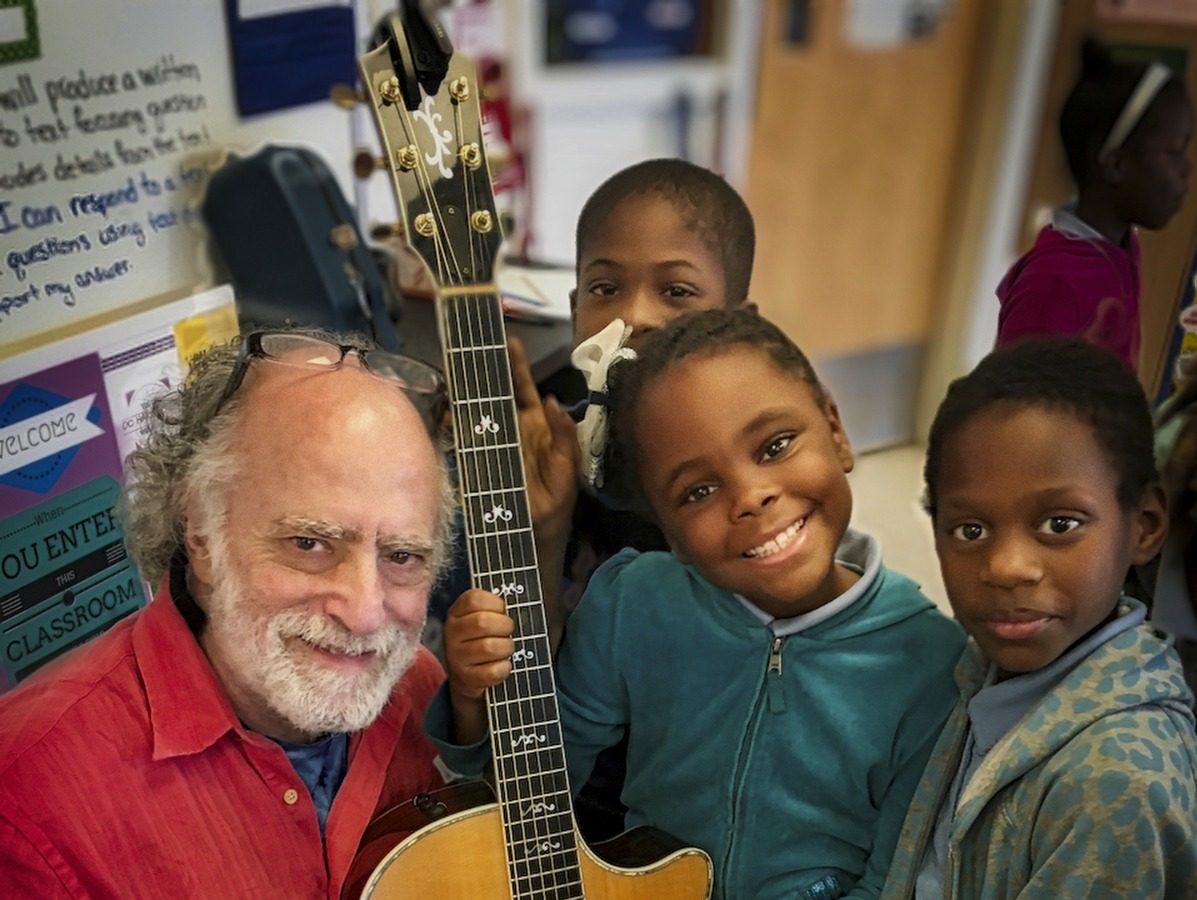
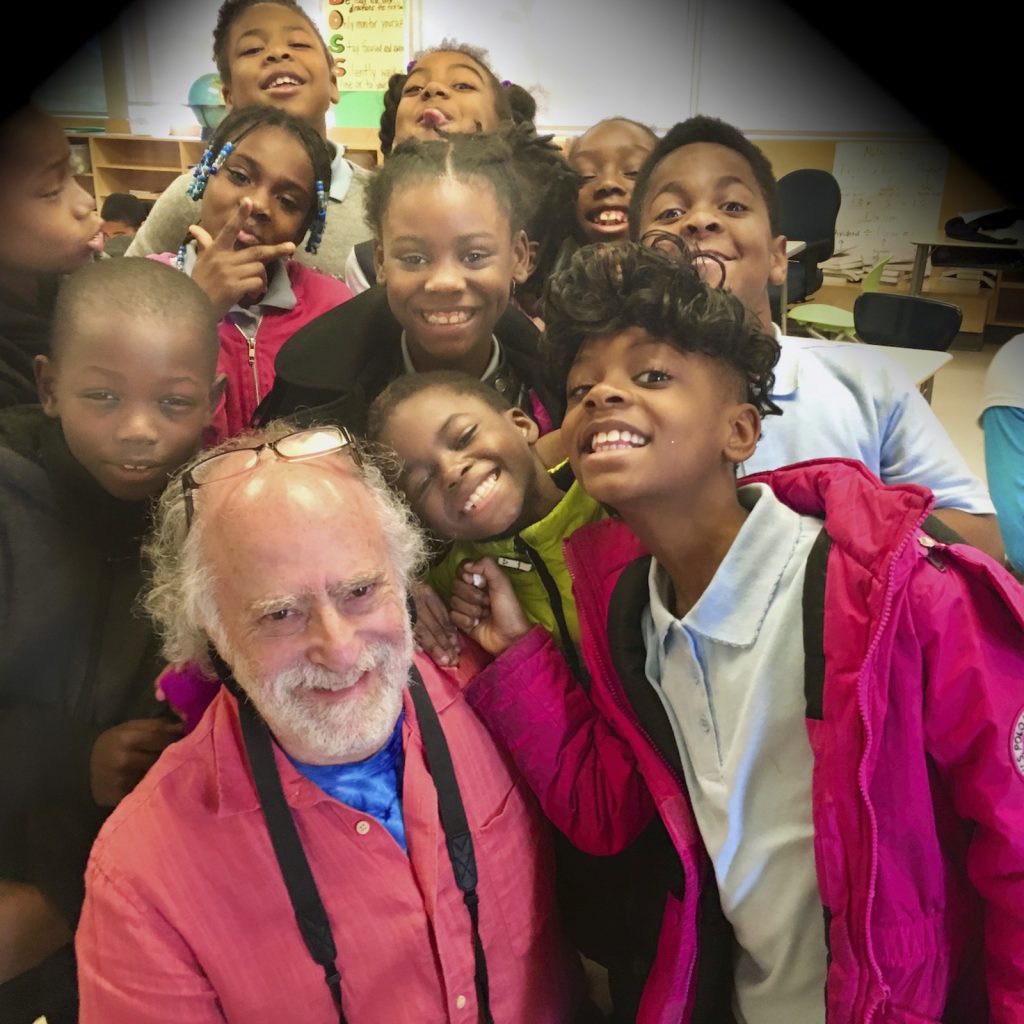
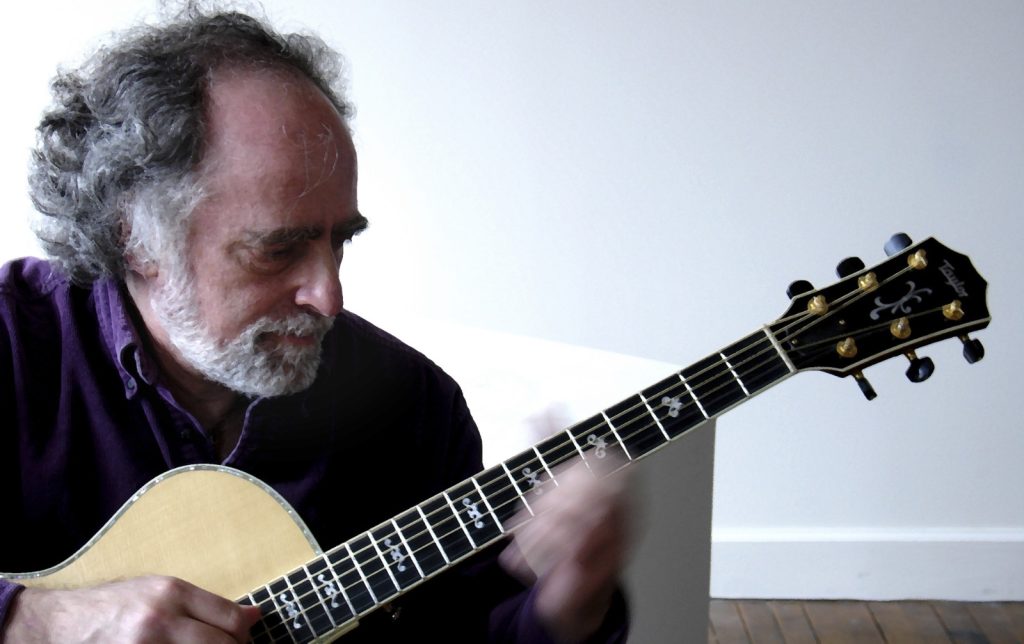
Kid Pan Alley operates from Washington, VA, as a pioneering arts education initiative built on a simple but radical premise: the most profound reflections on grief, war, climate change, identity, and love can emerge from the voices of children when guided through meaningful creative collaboration. For over 25 years, the organization has developed this philosophy into a structured artistic movement, co-writing more than 2,800 songs with over 80,000 children across the United States, transforming classrooms into spaces of storytelling, emotional literacy, and musical creation. Founded and led by musician, composer, and educator Paul Reisler, Kid Pan Alley is rooted in nearly five decades of multidisciplinary musical experience spanning songwriting, performance, production, theater composition, and educational outreach. Reisler’s career includes leadership of ensembles such as Trapezoid and Paul Reisler & A Thousand Questions, as well as extensive work in composing for orchestral and theatrical productions. His guiding insight, that children are among the most authentic and imaginative co-writers when given the opportunity, became the foundation for Kid Pan Alley’s creation in 1999 during a residency in rural Virginia, eventually evolving into a nationally recognized nonprofit project.
Over the years, the organization has built a distinguished legacy of collaboration with professional artists including Amy Grant, Sissy Spacek, Delbert McClinton, John McCutcheon, Corey Harris, Suzy Bogguss, and many others, while maintaining its core commitment to student-driven songwriting. These works have earned critical recognition, including a GRAMMY® nomination, Parents’ Choice® Awards, NAPPA Gold Awards, and a WAMMIE, reflecting both artistic excellence and educational impact. With seven albums released, from “Tidal Wave Of Song” to “Maybe By Next Year”, the collective continues to refine its model of merging raw youthful perspective with professional musical craftsmanship. Its latest chapter, “There’s A Song In Every Story,” stands as the most refined expression of this vision, synthesizing decades of collaboration into a unified artistic statement. Kid Pan Alley’s work transcends traditional education or music production, functioning instead as a long-term cultural dialogue between generations. The album is best experienced as both a listening journey and a reflective exercise in empathy, it is an album for listeners who value music with purpose, emotional intelligence, and cross-generational storytelling at its core.
For more information about Kid Pan Alley, click on the icons below.