
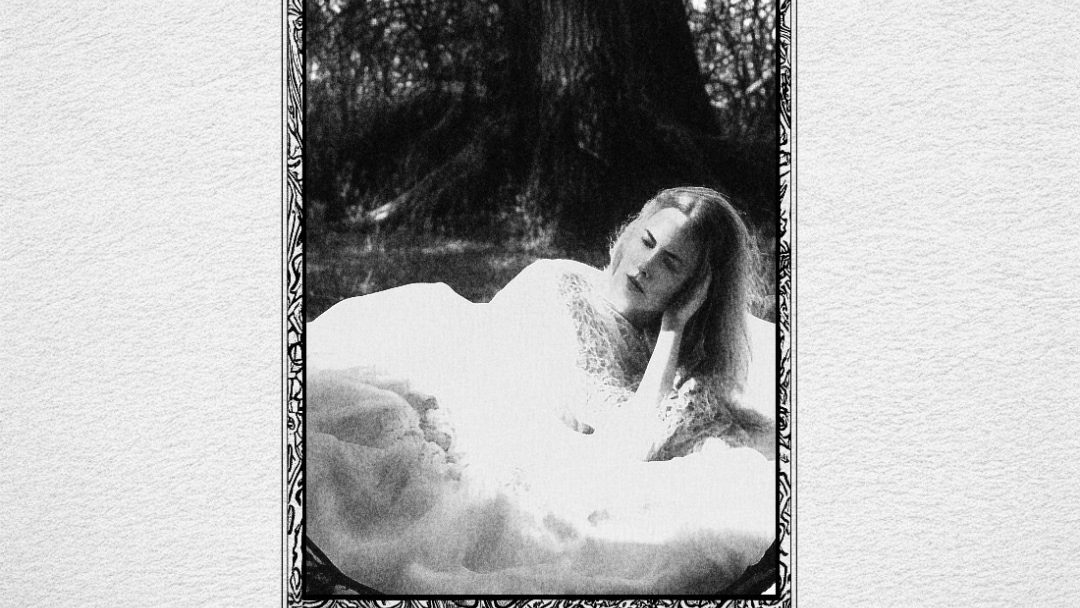
There is something almost otherworldly about Tuvaband. Despite the name suggesting a collective, this is not a band but rather the singular vision of Norwegian artist Tuva Hellum Marschhäuser, who has quietly built one of Scandinavia’s most compelling and unconventional careers. Operating between the spectral edges of alternative pop and fluorescent shoegaze, she has spent the last seven years crafting music that defies industry norms and thrives on introspection. With four critically acclaimed albums, two EPs, and collaborations with avant-garde figures like New Age Doom, Tuva’s work feels like a living organism, self-contained, experimental, and deeply human. She writes, records, produces, and mixes all of her music herself and releases it independently through her own label. This level of autonomy gives her sound a rare intimacy, the kind of authenticity that draws listeners into her internal world rather than projecting outwards. Her artistry has not gone unnoticed, with over 40 million streams, two Norwegian Grammy nominations, and praise from publications like Pitchfork, Wonderland, and Rolling Stone Germany, Tuvaband has established herself as one of the few modern artists capable of merging sonic innovation with emotional depth.
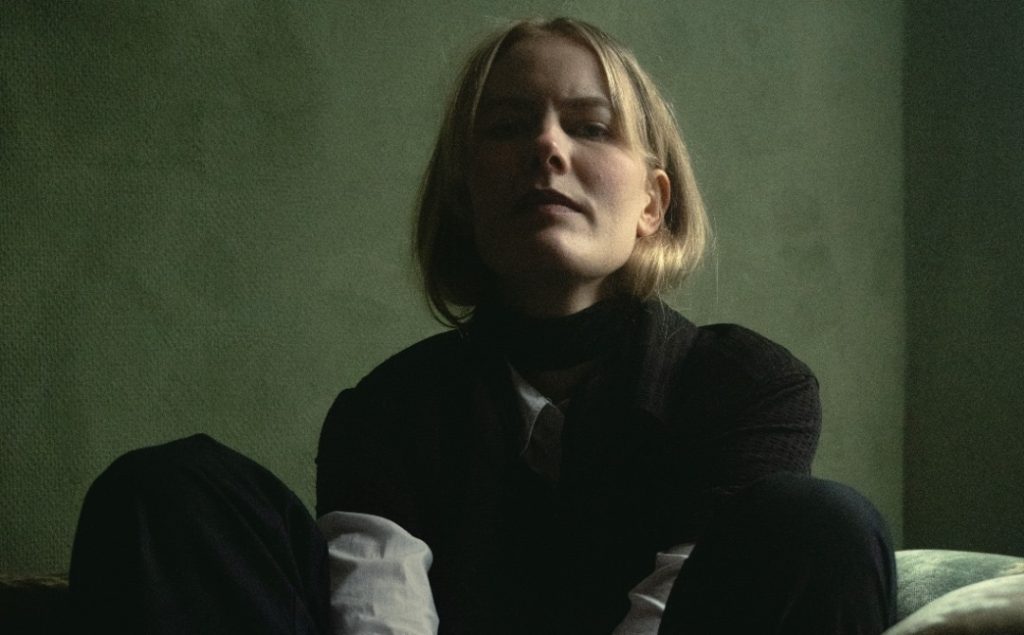
Released on October 24th, 2025, “Seven Ways of Floating” marks the fifth chapter in Tuva’s evolving narrative and perhaps her most personal yet. It was born from stillness, a rare pause following the exhaustive process of mixing her previous album. During this self-imposed retreat, filled with long swims and quiet reflection, the phrase “seven ways of floating” began circling in her mind, symbolizing both physical release and emotional transcendence. From that point forward, the album became an exploration of what it means to stay afloat in times of overwhelming noise, conflict, and contradiction. As Tuva herself describes, this is a record about dreams, hope, faith, love, misery, and fear, a constellation of human experiences orbiting around one central theme, the search for peace in a world that seems designed to disturb it.
Tuva does not approach this theme with naïve optimism; she exposes the irony of a culture that chases serenity between endless digital distractions, where self-care can sometimes eclipse empathy. The album thus functions as both a mirror and a balm, reflecting the chaos of the modern psyche while offering temporary reprieve through its sound. Each song captures a facet of the human condition, hovering between acceptance and resistance, fragility and strength. Tuva’s writing speaks to the dissonance of seeking peace in a society consumed by movement, echoing the quiet ache of those who crave stillness yet cannot stop reaching for their phones. It is this piercing honesty that makes “Seven Ways of Floating” feel so timely and timeless, an artistic statement that gently confronts the contradictions of the modern soul.
Seven Ways Of Floating Album Track List:
Seven Ways of Floating:
The opening track “Seven Ways of Floating” immediately introduces listeners to the sonic and emotional essence of Tuvaband’s album. It begins with a slow blooming ambient landscape built on soft synth pads and delicate textures that linger in the air like vapor. The production feels patient and unhurried, allowing the soundscape to expand naturally without the need for density or force. Each element is given its own space to breathe, while the minimal percussion acts as a faint pulse, more a current than a rhythm. Tiny chimes, glistening harmonics, and gentle synthetic swells frame the atmosphere, creating a feeling that is both meditative and cinematic. When Tuva’s voice enters, it feels weightless, an airy whisper stretched across an ocean of reverb, dissolving into the horizon as if part of the air itself.
What defines this track most is its suspension, a refusal to settle or resolve. The chords float in orbit rather than move in linear progression, creating the sensation of being caught in an emotional midair where gravity is temporarily suspended. The production deepens this impression with a warm midrange intimacy and a soft halo of brightness that gives the voice its celestial glow. There is a distance in the mix, a voice calling through fog, memory, or dream, that complements the song’s lyrical heart. Here, Tuvaband reflects on navigating change without collapsing under its weight, presenting floating as an act of endurance rather than indecision. Each synth rise and fade mirrors the act of holding on and letting go, suggesting that sometimes balance means surrendering to the drift instead of fighting the current.
Emotionally, “Seven Ways of Floating” exists in the liminal space between sleep and awakening, where hope and melancholy overlap. The song glows softly from within, its light diffused rather than direct, offering solace without denying sorrow. It captures the delicate act of staying afloat amid uncertainty, a meditation on resilience and acceptance. The absence of force in the arrangement allows listeners to project their own feelings into its stillness, turning the track into a mirror of inner motion. As the final tones dissolve into silence, one is left not with closure but with calm, a surrender to buoyancy, to breathing, to the quiet revelation that floating itself is a form of peace.
I Am Safely Passing In Time:
On “I Am Safely Passing In Time” from the album “Seven Ways of Floating,” Tuvaband turns her gaze even further inward, shaping a track that feels both fragile and quietly propulsive. The song begins with a soft ambient foundation, though this time the instrumental textures carry slightly sharper definition. A subtle rhythmic pulse moves beneath the synth layers, suggesting the slow, steady tick of passing moments without ever disturbing the stillness. The production maintains its signature lo fi warmth, enveloping Tuva’s voice in a tender haze that feels both distant and close. As the verse unfolds, faint string like pads surround the melody, infusing the atmosphere with melancholy and emotional depth. The vocal performance is intimate and hushed, sitting closer to the listener’s ear than in the title track, emphasizing a raw vulnerability in every phrase.
Lyrically, the track contemplates time as both a mystery and a companion, exploring the desire to remain present without being consumed by the pull of past or future. Tuva’s phrasing flows in long, breathy lines that seem to dissolve into the surrounding ambience, like echoes suspended in memory. The arrangement remains restrained yet purposeful, layering gentle harmonies that fade in and out like fleeting thoughts. There is no heavy percussion to dictate motion; instead, rhythmic synth patterns keep the music gently shifting forward. The production feels meticulous yet organic, maintaining the clarity of each element while preserving the misty aura that defines the album’s world. Emotional tension arises not from melodic resolution but from texture, tone, and the quiet weight of Tuva’s voice against the pulse of time.
Atmospherically, “I Am Safely Passing In Time” evokes the image of sunset over a distant hillside, an emotional twilight where reflection softens into peace. The lyric about long walks, with hills seeming larger and valleys deeper, captures a perspective that grows wider with contemplation. There is wistfulness here, but it never tips into sorrow; rather, it carries a gentle acceptance that aligns perfectly with the album’s central theme of floating through life’s turbulence. As the song unfolds, the instruments ascend into a faint crescendo of light, with Håkon Brunborg Kjenstad’s viola subtly interwoven among Tuva’s own MIDI string textures, creating a luminous blend of organic and digital tone. By the end, the listener is left suspended in a serene stillness, a sense of safety within impermanence. “I Am Safely Passing In Time” becomes a quiet affirmation that softness and stillness can be just as powerful as motion and noise.
Galloping Chest:
“Galloping Chest” marks a striking change of pace within Tuvaband’s “Seven Ways of Floating,” shifting the album’s emotional gravity from weightless introspection to urgent, embodied motion. From the first moments, the track pulses with a sense of immediacy, as programmed drums mimic the rhythm of an anxious heartbeat. This percussive insistence shatters the dreamlike calm of the previous songs, pulling the listener from floating stasis into forward momentum. The synth layers are sharper and more defined, with darker tonal edges that flicker like light on wet asphalt. The production balances tension and release through careful contrasts, swells of energy followed by moments of space that feel like gasps for breath. Tuva’s voice enters with a pleading, almost desperate tone, closer and more human in the mix, as if she is whispering directly into the listener’s ear while the world around her races ahead.
Lyrically, “Galloping Chest” turns inward while confronting outward pressure, exploring the fragility of time, missed chances, and the uneasy line between dreaming and doing. Tuvaband sings about eyes closing and waking too late, connecting the song’s emotional current to the fear of invisibility and lost potential. The instrumentation supports this sense of urgency, with flickers of distortion and synth stabs that surface like intrusive thoughts. The production is deliberately more forceful than before, its dynamics pushing slightly hotter to mirror the intensity of internal struggle. This marks a distinct compositional choice in the album’s flow, while earlier tracks emphasize atmosphere, “Galloping Chest” centers its rhythm as the driving force. The result is an emotional ignition point, where Tuva’s vulnerability meets determination in a sonic collision that feels alive, raw, and necessary.
Atmospherically, the track conjures vivid imagery of motion, running through dimly lit city streets, breath visible in cold air, the echo of footsteps against concrete aligning with the percussion’s pulse. It evokes both anxiety and courage, capturing the bodily sensation of moving forward even when uncertain of direction. Rather than overwhelming the listener, the pacing maintains a careful balance, embodying the tension between control and release. By its end, “Galloping Chest” feels like a moment of reckoning, an awakening within the album’s narrative where calm gives way to confrontation. It reminds the listener that to float sometimes means to run, to chase clarity through chaos. In its urgency and catharsis, the track stands as one of Tuvaband’s most anthemic and emotionally charged creations.
Futile Maze:
“Futile Maze” draws the listener back into a realm of introspection, deepening the emotional landscape that runs through “Seven Ways of Floating.” The instrumentation here is sparse and deliberate, built from sustained tones and slow breathing drones that seem to stretch endlessly through space. With little to no percussion, the track feels unanchored, adrift in its own quiet atmosphere. Long trails of reverb and softly cascading echoes elongate the sonic field, turning it into an infinite corridor of sound where everything moves at half-speed. When the vocal enters, it does not dominate the mix but merges with it, blending seamlessly into the ambient haze. Tuva’s delivery is gentle, almost resigned, her presence felt more as a spectral echo than a performer in focus. The mix remains purposefully blurred, leaving faint smudges of sound that drift like thoughts refusing to settle.
Lyrically, “Futile Maze” captures the emotional exhaustion of being caught in mental loops, searching for exit signs that keep leading back to the beginning. The song explores the fatigue of repetition, where the act of wandering becomes its own form of quiet suffering. Tuvaband’s harmonic choices mirror this idea, avoiding sudden shifts or dramatic resolutions so that the listener feels the sensation of walking in circles. Each chord lands softly where it began, creating the impression of endless motion without progress. Her voice, fragile and distant, multiplies in ghostly layers, forming harmonies that flicker like faint reflections in mirrored halls. Beneath the surface, subtle synthesizer overtones whisper in the background, enhancing the eerie intimacy of the piece. It is a song that feels haunted not by spirits, but by thoughts that refuse to rest.
The atmosphere of “Futile Maze” evokes the solitude of late night introspection, when time loses shape and silence becomes a companion. It feels like staring at ceiling shadows, waiting for clarity that never quite comes, and yet, within this stillness, there is quiet dignity. The absence of rhythm invites deep listening, drawing the audience into a meditative state that mirrors emotional endurance. As the song unfolds, it transforms from passive melancholy into acceptance, revealing the beauty in persistence even when direction seems lost. By its closing moments, “Futile Maze” becomes both an emotional and narrative turning point within the album, reminding the listener that floating can sometimes blur into drifting, and that peace is not always free from disorientation. Through restraint and subtle craftsmanship, Tuvaband turns quiet despair into something tender, intimate, and profoundly human.

Sonically, “Seven Ways of Floating” is Tuvaband’s most adventurous and texturally rich album to date. Her musical palette draws from trip-hop, shoegaze, dream-pop, folk, dub, and the avant-garde, crafting a layered landscape that is at once ethereal and tactile. For the first time, she chose to retain her original programmed drums and samples, eschewing organic replacements in favor of synthetic textures that inject the music with pulsing, elastic grooves. The result is an album that simultaneously floats and moves, an intricate balance between momentum and suspension. Her vocals, airy yet emotionally grounded, glide over woozy atmospheres built from ASMR field recordings, found-sound ambience, and hip-hop-inspired beats reminiscent of the Dust Brothers’ Fight Club soundtrack. Each track feels like an ecosystem of its own, teeming with whispers, echoes, and subtle distortions that blur the line between the real and the imagined.
Seven Ways of Floating Drifts Between Serenity And Unease, Revealing How Silence, Motion, And Emotional Weight Intertwine To Create A Hauntingly Beautiful Meditation On Existence And Inner Surrender
At its core, “Seven Ways of Floating” asks a simple but profound question, can music make things better, even if only for a few minutes? Tuva seems to answer this through the very act of creation. By weaving together fragments of sound and silence, she constructs spaces where the listener can momentarily breathe, where time dilates and the world softens. In this way, the album does not just depict floating; it enacts it. Every melody, every beat, every breath feels like a small act of resistance against the gravitational pull of modern life. It is an album that does not shout to be heard, but instead invites you to listen, to drift, to reflect, and to remember what stillness feels like in a world that rarely allows it.
For more information about Tuvaband, click on the icons below.