

From the atmospheric undercurrents of London’s modern classical scene emerges a voice that is reshaping the edges of neoclassical music with elegance and intention. Nick Pike, a composer and pianist rooted in England’s capital, has quietly cultivated a musical identity that speaks louder in whispers than it ever could in noise. His artistry is not defined by spectacle, but by sensitivity, the ability to translate emotion into melody, to give shape to silence, and to invite listeners into deeply personal, introspective soundscapes. Pike’s journey into the world of neoclassical composition is marked by thoughtful progression. His 2024 debut, Norastoria, introduced him as a distinct new talent, crafting immersive worlds through a delicate fusion of piano, strings, and electronic textures. The album unfolded like a storybook written in sound, rich in detail yet light in delivery.
That same year, Nick Pike pivoted to a different space entirely with Evergreen, an ambient sleep piano project designed to soothe rather than stir, a record composed with healing and rest in mind. Both albums demonstrated Pike’s versatility, but also a clear through-line: his music always prioritizes emotional connection above musical complexity. Drawing influence from genre icons such as Ludovico Einaudi, Max Richter, Ólafur Arnalds, Nils Frahm, and Yiruma, Pike doesn’t merely echo their language, he rephrases it, finding new ways to speak to the soul through his own emotional vocabulary. At the core of Pike’s approach is a sense of purpose: to create music that is as useful as it is beautiful. Whether composed for sleep, study, reflection, or quiet appreciation, his pieces are living spaces, rooms of sound where listeners can feel safe to think, to feel, or to simply rest. As his artistry continues to evolve, one thing remains constant: Nick Pike doesn’t just play the piano, he listens to it. And in turn, it listens back.
With the July 11th, 2025 release of Phraxia, Nick Pike invites us into a world where stillness sings, and every note carries the weight of intention. His third studio album is a masterful balance of solo piano compositions and richly layered textures, weaving together the introspective clarity of neoclassical piano with the immersive drift of ambient and electronic elements. Following the success of his debut Norastoria and the meditative ambiance of Evergreen, Phraxia stands as Pike’s most nuanced and emotionally resonant work to date. The album is not simply a listening experience, it’s a feeling. A calm that unfolds. Like the delicate interplay between light and shadow, Phraxia inhabits the emotional grey areas that words often fail to capture. It is music for moments between moments, a space for breath, for reflection, for quiet transformation.
Phraxia Album Track List:
Whispertide:
Whispertide by Nick Pike establishes a sonic world that feels like it’s suspended between memory and dream. The track kicks off with the soft yet intentional touch of piano keys, gentle phrases that unfurl like ripples over still water. It’s a quiet entry, but one that immediately stirs something internal. As the piece continues, ambient synth textures begin to emerge, like wisps of mist curling around the piano’s steady rhythm. These elements never overpower; instead, they intertwine with care, expanding the emotional terrain without disrupting the intimacy. There’s no traditional vocal delivery in the sense of lyrics or singing, but the instrumentation speaks in its own language, each note resonating like a whispered story, carried by the subtle rise and fall of Pike’s phrasing.
The interplay between piano and ambient layers is seamless, almost elemental. It’s as if the piano represents the shore, firm, melodic, grounded, while the synths ebb and flow like an ever-shifting tide. The song’s atmosphere is immersive, casting a calming aura that simultaneously invites introspection. As it progresses, the listener is swept into a delicate trance, never static, always in motion. The high production quality is evident not through flash, but through clarity and restraint. Every sound feels deliberately placed, clean, and emotionally tuned. The silences between the notes are just as potent as the melodies themselves, giving Whispertide a unique emotional gravity.
What makes the experience of Whispertide so compelling is its ability to reach inward and calm the mind, even as it quietly stirs the soul. There’s an organic ebb and flow in the arrangement that mimics the natural rhythm of breath, making the track feel alive, sentient. The overall performance exudes grace, nothing rushed, nothing overstated. As a listener, I found myself submerged in a space of gentle catharsis, where the boundaries between sound and feeling began to dissolve. Whispertide doesn’t just play; it holds you, guides you, and releases you back into stillness with a quiet, unforgettable touch.
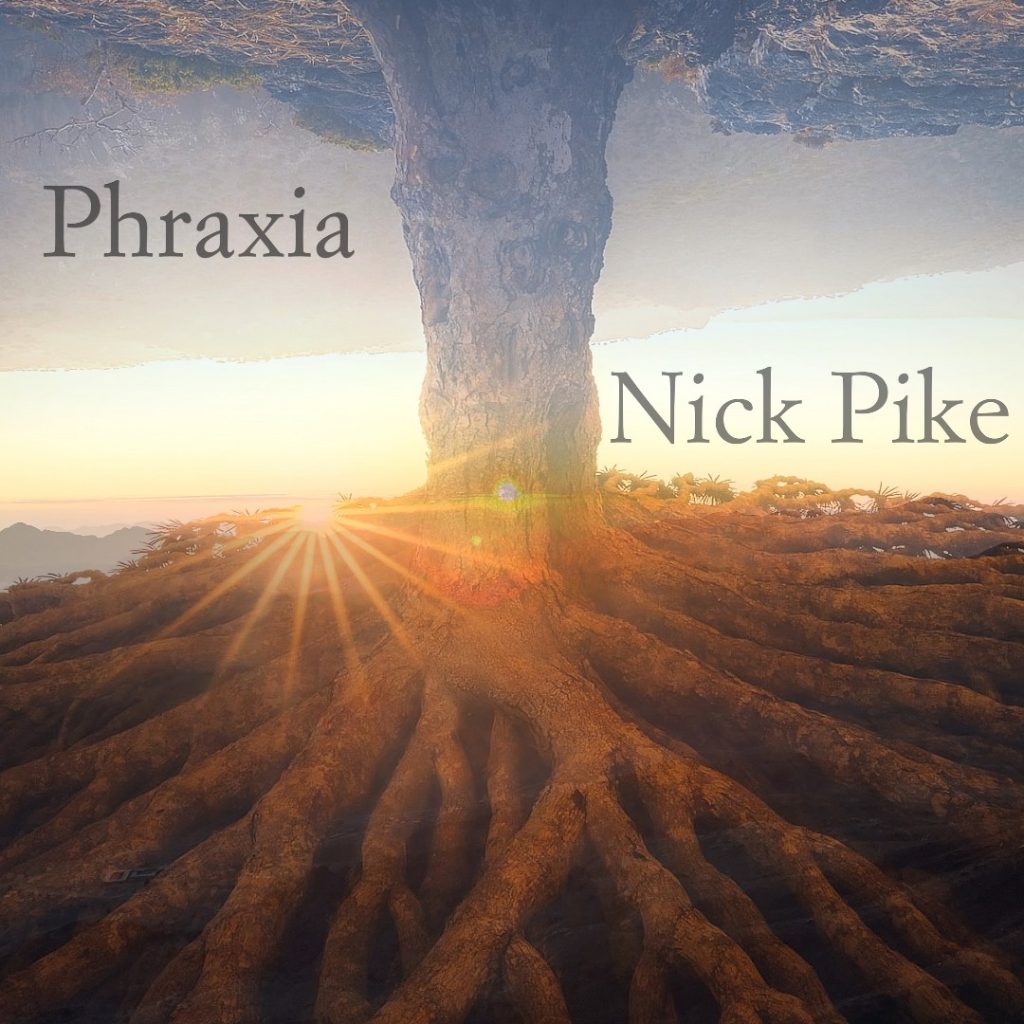
Phraxia:
The piece by Nick Pike begins with a solitary piano line, deliberate and unhurried, like footsteps echoing softly across a still corridor. There’s a vulnerability in how the melody presents itself, open, exposed, and deeply human. Each note feels hand-placed, as if carefully pulled from a place of quiet introspection. Yet what elevates Phraxia beyond a simple piano composition is how it slowly blossoms into something far more dimensional. From the shadows rise thick, bass-drenched textures, subtle at first, then gradually more pronounced, like fog rolling across the surface of a calm sea. These textures don’t crash into the piano; they surround it, wrap around it, give it space to speak while offering a gentle but persistent presence beneath. The contrast creates a kind of emotional chiaroscuro, light and dark in elegant dialogue.
As the track evolves, this interplay becomes the core of its sonic identity. The piano dances between fragility and poise, its phrases exploring moments of resolve and doubt. Meanwhile, the bass layers provide emotional anchoring, rumbling softly beneath the surface like the echoes of forgotten memories or the weight of unspoken thoughts. There’s no vocal presence in the conventional sense, yet the performance communicates with a richness of expression that words might struggle to achieve. The dynamics are masterfully handled, each swell and taper in the soundscape feels organic, earned, and intuitively paced. The production is so clean it’s nearly invisible, allowing the emotion of the performance to shine through without distraction. The result is a deeply immersive environment that holds you in place, not by force, but by sheer emotional gravity.
Listening to Phraxia feels like stepping into a personal reverie, an atmosphere of stillness where every note, every murmur from the bass textures, contributes to a mood of quiet revelation. It doesn’t merely play in the background; it creates a moment. A moment to breathe, to reflect, to feel. The atmosphere is rich yet unintrusive, cinematic yet deeply personal. It’s the kind of track that slows time down, softens the world’s edges, and replaces noise with meaning. By the time it fades out, there’s a sense that something within has shifted, lightly, gently, but undeniably. It’s not just music, it’s an experience.
Für Beethoven:
Für Beethoven begins with a vibrant cascade of piano notes that feel instantly familiar yet refreshingly new, as if a classic theme has been awakened in a contemporary dream. The melody wastes no time, it leaps into motion with an elegant flair, dancing in a brisk waltz-like tempo that evokes the spirit of Beethoven’s romanticism but spins it through a modern prism. The tonality brings an undercurrent of introspection that grounds the more playful accents. From the moment it starts, the music wraps you in a clever tension between nostalgia and invention. The performance is deliberate and expressive, with each note articulated with a lively precision that suggests both technical mastery and emotional spontaneity. The tempo feels invigorating, almost conversational, as if the piano itself is narrating a story of reverence, reinterpretation, and rebellion.
What sets Für Beethoven apart is how it surrounds its vibrant piano core with subtle yet powerful bass-drenched textures that create a weightier emotional atmosphere. These textures are never overpowering, they sit low and steady, giving the piece a sense of spatial depth and sonic dimension. They don’t merely fill silence; they elevate the melodic phrasing, casting the piano in richer emotional light. The absence of traditional vocals isn’t a void here; instead, the instrumentation speaks fluently in feeling. The piano serves as the voice, expressive, dynamic, and alive, while the ambient undertones and low-end resonance become its harmonic echo. There’s a chemistry between these elements that feels deliberate, like the past and present are shaking hands in sound. The blend creates a cinematic ambiance that’s both grounded and soaring, intimate yet expansive.
The production is immaculate, allowing each element to breathe and coexist without interference. It’s polished, but not sterile, there’s warmth in the mix, and a sensitivity in how the space between notes is treated. From the very beginning, the track invokes a sense of motion and intention, like walking through a memory that refuses to stay still. It carries both a reverence for Beethoven’s legacy and a fearless push into the now, creating a rare duality that feels intelligent and emotional at once. Listening to Für Beethoven left me both uplifted and reflective, moved by the dexterity of its composition, but even more so by the soul it exudes. It’s a bold, graceful offering, an homage that doesn’t just bow to its roots, but blooms from them.
Minavra:
Minavra opens like a gentle tide lapping at the edge of memory. The piano arrives softly, unhurried, as if it’s drifting in on a breeze. There’s an undeniable fluidity to the way the notes unfold, one after the other, smooth, deliberate, and full of quiet grace. From the very beginning, the track feels like it’s in motion, not rushing forward, but gliding effortlessly like the ocean’s surface at dusk. The softness of the piano sets a meditative tone, but beneath it lies something deeper, low, warm textures that slowly rise and fall, creating a sense of depth and emotional pull. There are no vocals, yet the music speaks with an eloquence that feels intimate and personal. The way the instrumentation interacts feels more like a relationship than a performance: the piano gently leads, while the surrounding textures follow, echo, and embrace.
As the piece continues, the sound becomes more immersive, never louder or more intense, but fuller, like a calm body of water deepening beneath the surface. The blend of elements is seamless: the piano remains the voice, expressive and lyrical, while the subtle haunting and echoing textures offer weight and grounding, wrapping the melody in warmth. The atmosphere the track creates is peaceful, contemplative, and deeply moving. It doesn’t beg for attention, it earns it through sincerity. The production is incredibly refined, allowing every element to breathe and flow naturally. There’s a softness in how everything is arranged, nothing feels forced or ornamental. By the end of Minavra, you’re left in a quiet state of stillness, as though you’ve just witnessed a moment of gentle truth unfold and then slip silently away. It’s not just beautiful; it’s cleansing.
Phraxia is a serene and immersive soundscape where emotion flows through every note in quiet, transformative waves.
Phraxia is a masterfully crafted body of work that reflects Nick Pike’s evolving artistry and his deep understanding of music as both an emotional and functional experience. The album transcends the boundaries of traditional neoclassical composition, blending expressive solo piano with ambient and electronic textures to create a soundscape that is immersive, introspective, and quietly transformative. Pike’s ability to convey profound emotion without the need for lyrics is a testament to his refined compositional voice, one that invites listeners into a world of stillness, subtle movement, and inner clarity. Whether used for focused work, quiet reflection, or emotional grounding, Phraxia offers a deeply rewarding journey and stands as a highly recommended listen for anyone drawn to music that speaks gently but lingers long after it ends.
For more information about Nick Pipe, click on the icons below.