
INTRODUCTION
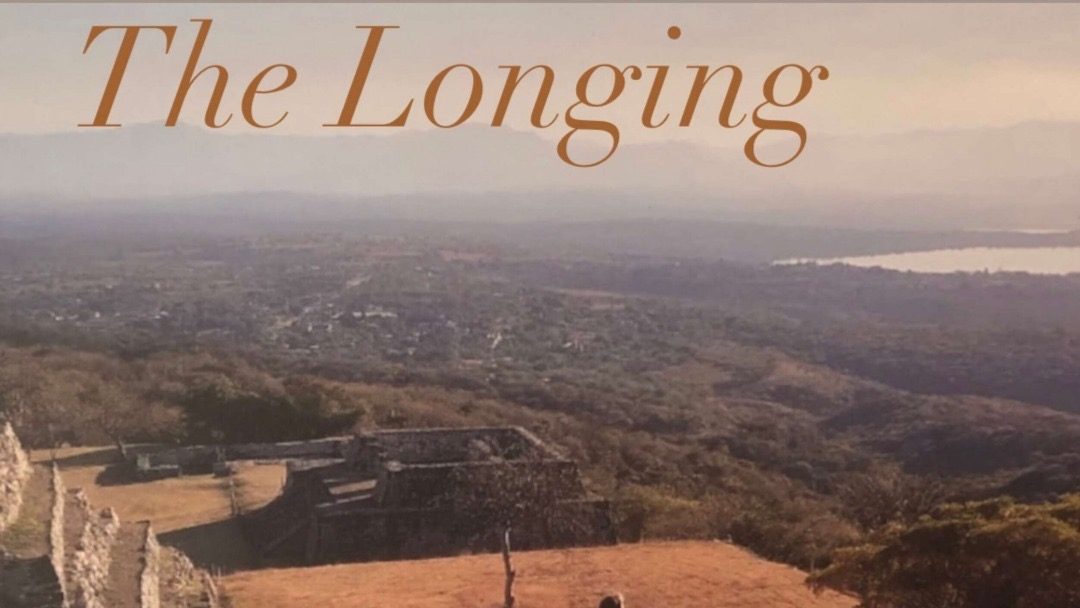
Hello everyone it’s your host Faithfulness and today I have with me Harry Kappen from Mexico, CDMX (Mexico-City). Harry Kappen is here to discuss about his recent single “The Longing”. Welcome Harry Kappen. Before we begin our interview here is what you need to know about this artist.
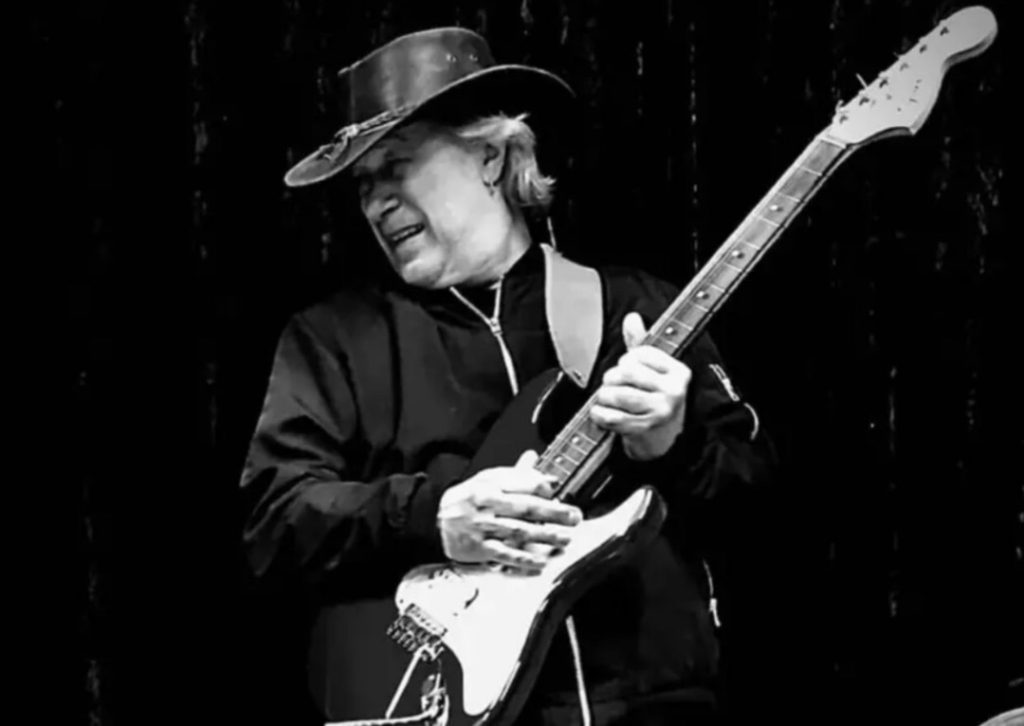
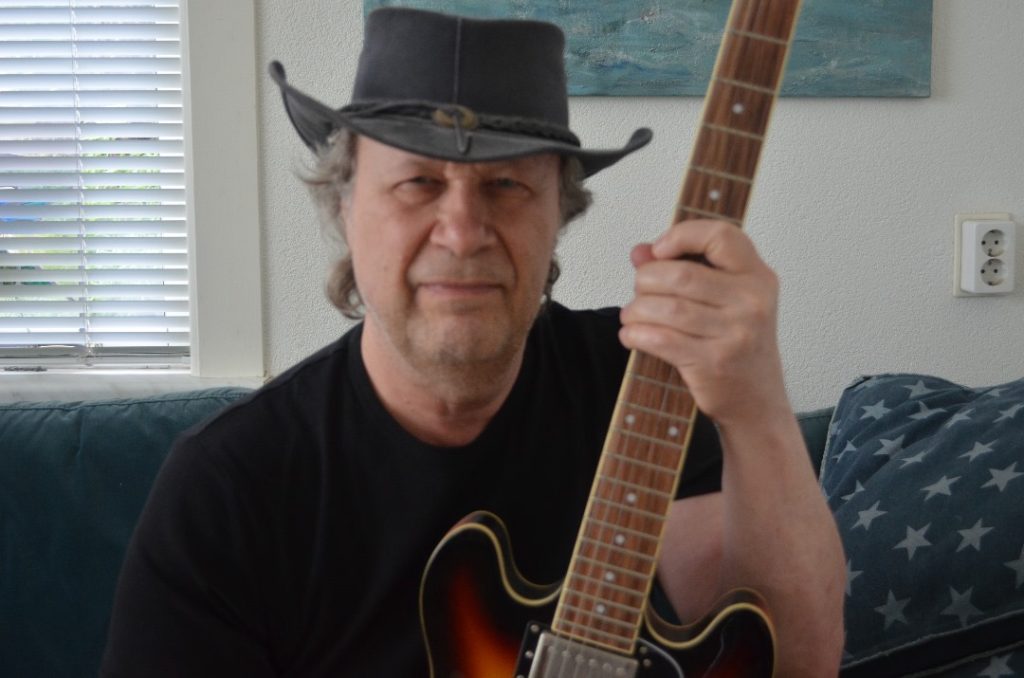
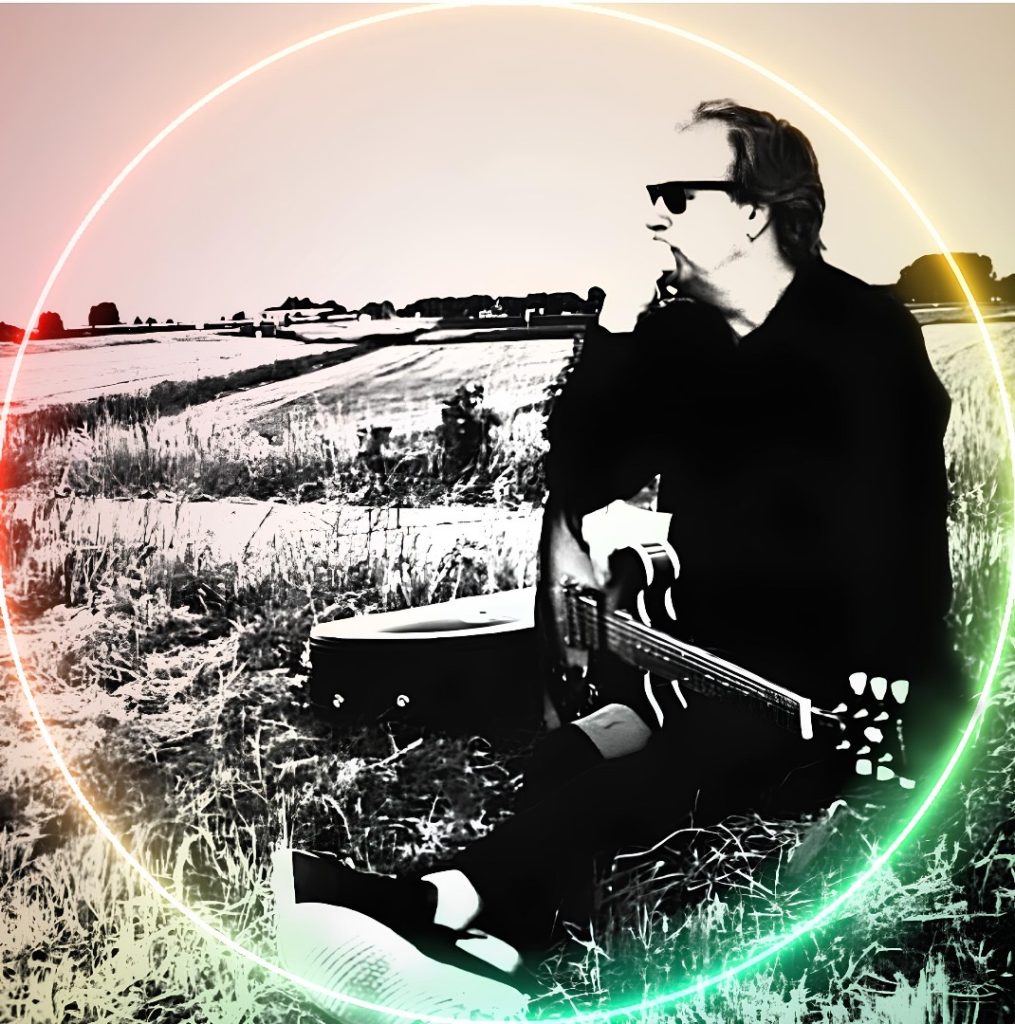
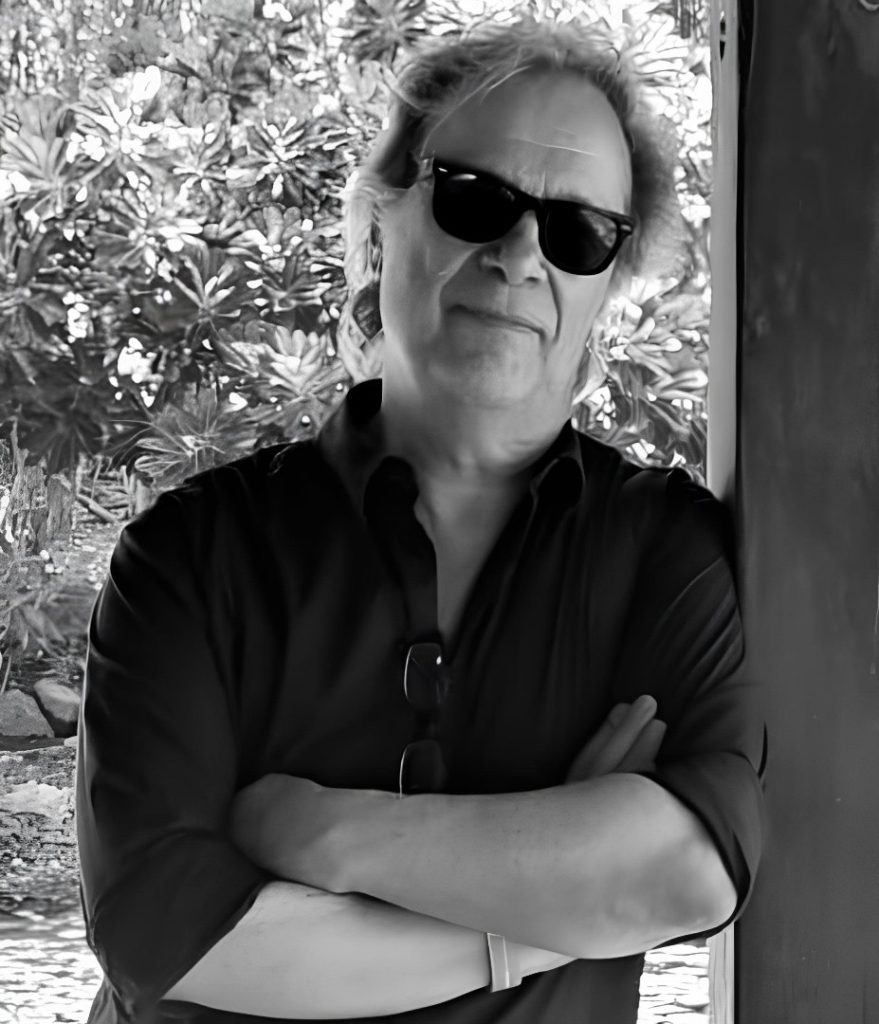
Harry Kappen is a Dutch musician and music therapist known for his eclectic and emotionally charged sound. A multi-instrumentalist who composes and records in his home studio in the Netherlands, Kappen blends elements of rock, pop, classical, and ballad styles into a cohesive and expressive whole. His music is deeply personal, often exploring themes of love, fear, and self-reflection through both sound and lyric. Drawing inspiration from legends like Lennon & McCartney, David Bowie, Prince, and Alanis Morissette, his work captures a balance between heartfelt authenticity and bold musical experimentation, a sound that is unmistakably his own.
Having this brief Introduction, I’m sure new and current fans must be excited about our Interview today.
INTERVIEW
1. To begin with, let’s review your recent work. What is the inspiration behind “The Longing”
HK: ”The Longing” is about the eternal battle between heart and head, between emotion and reason. I think it’s a very relatable phenomenon that everyone experiences. Especially when it comes to love or other challenges questions arise like: “Is this good for me? What’s important to me? Can I still think clearly about what I’m going to do or should do?”
2. “The Longing” opens your new album FOUR and introduces a very reflective tone. What made you choose this song as the starting point for the album’s journey?
HK: The song has a swelling musical intro, which I thought would be a perfect starting point for the entire album. It also includes songs that flow from the theme of “The Longing”: about being brave or not, about love, about what’s real and what’s fake these days, about resisting it, about having to and being able to make choices all day long.
3. The song explores the tension between thought and emotion. Was there a specific moment or experience in your life that sparked this inner conversation?
HK: I deal with it every day. As a citizen living in the current (political) climate, but also as a music therapist whose clients include people, primarily young people, who are stuck and frustrated in their lives. They deal with the struggle between emotion and reason in a dysfunctional way.
4. Your background in music therapy is a meaningful part of who you are. How does your work with youth and families influence the way you approach songwriting and emotional expression in your music?
HK: It’s especially made me very aware of how wonderful my own childhood was. I’m not a talker by nature, but through the study and the experiences with my clients, I’ve become much more aware of my own emotions and thoughts, my relationship to the world. I think it mainly affects my lyrics, not so much my musical skills.
5. The track blends orchestral elements with rock textures. Can you walk us through the creative process of building this sound? Where did the idea for that dynamic arrangement come from?
HK: Every song has its own path. It starts with an idea on the guitar or a melody line in my head. Then I create a musical foundation. The lyrics usually come later, but once they’re in place, they influence the song’s orchestration. If the lyrics require more silence, the foundation is adjusted, but it’s also possible that the lyrics require a much bigger sound, or more dynamics. This way, it becomes an interplay between lyrics and music until I feel it’s right. In the case of “The Longing,” I wanted a lot of dynamics because it beautifully aligns with the issue of the struggle between heart and mind.
6. The lyrics have a strong sense of honesty and vulnerability. When you’re writing, do you begin with personal feelings first, or do the words come as you start shaping the music?
HK: I don’t really know; it just happens, and I don’t really think about it. It stems from improvisation and intuition. It probably also has to do with my therapist training, but also with a band (PPGO, with Koop Hofman and Jeroen Goeijers) I played in before. Improvisation was the foundation of all the songs we played. The music comes first, then verbal associations quickly follow, and through the process of influencing each other, a final product emerges. I do believe that lyrics should have something more than what I consider a superficial “I love you, baby” lyric. Honesty and vulnerability are part of that; I couldn’t imagine anything else. I’m not going to pretend to be better or worse than I actually am. In that respect, my music is truly an extension of my own actions, of me.
7. You reference both reason and desire as forces pulling against each other in the song. How do you personally try to balance those two sides in your everyday life?
HK: I try to find a balance by taking a good look at myself and occasionally stepping back from situations to consider what comes from me and what belongs to others. Self-reflection is incredibly valuable. It also ensures I don’t immediately express an opinion about someone or something. More people should do that (especially on social media these days).
8. Your vocal performance shifts between quiet reflection and powerful release. How do you approach translating emotional intensity into vocal expression?
HK: To be honest, I don’t consider myself a particularly good singer, but in the process of creating a song, it actually happens naturally. Here, too, I don’t want to lose the spontaneity I have when I’m making music. It happens as it happens, and it comes naturally. The voice is very sensitive to moods. In my case, I don’t want to rely on mannerisms that don’t feel natural. I let the lyrics and music influence me and respond to them.
9. You’ve worked with and been inspired by many musical traditions, from classic rock to orchestral composition. Which artists or sounds were influencing your mindset during the creation of “The Longing”?
HK: I’m from Groningen, a city in the north of the Netherlands. There, I played in many different kinds of bands, from blues to hard rock, from simple acoustic avant-garde to intricately arranged orchestral pieces, from carnival music to folk songs. Because I can find beauty in all kinds of music, I don’t limit myself to any one movement or style. This is reflected in my current music. The Longing has both the acoustic and the orchestral elements. While creating it, I noticed some Led Zeppelin influences, and I embraced them without trying to imitate them. However, the combination of vocals, guitar, and orchestra gives me a good feeling.
10. “The Longing” is part of a larger narrative across FOUR. What themes or personal questions do you explore throughout the album as a whole?
HK: In my songs, I respond to everything that surrounds me: love, war, human emotion, family, childhood—there are so many aspects of daily life that capture my attention. My songs are about how I relate to all of these things.
11. How do you see this project fitting in with the present stage of your life, both as an individual and an artist?
HK: I just took the big step of moving from the Netherlands to Mexico, where my wife is from. This situation has left me grappling with the questions posed to my mind and my feelings. It also forced me to think about what I want to do in the future. My world was turned upside down by that decision.
Music wise, I’ve been receiving musical support from my manager, Michael Stover, since 2022. Through my contact with him, I’ve also started taking myself more seriously as a musician. As a result, I’m now working on my fifth full-length album.
So, I don’t see the album “Four” as a separate project, but rather as part of an overarching project. Not to necessarily put myself in the spotlight, but rather to report on what’s happening to me. How I relate to my surroundings. And hopefully, others will recognize themselves in that as well.
12. Is there a particular song other than this one that you are keen on that seems to communicate your message best, and why?
HK: That has to be “The Longing” on this latest album, “Four.” But it’s more the common denominator of all the songs, including those from my previous albums, that completes the overall picture. And the story isn’t over yet; on the next album, more aspects will undoubtedly come to light.
13. What are some of the difficulties you encountered and some of the highlights in “The Longing” making process?
HK: I have the advantage of not being dependent on studios or other people when making my albums. I do everything myself at home. This means I have and take the time to compose and record my songs. I enjoy the process of making music and achieving a finished piece, and if I encounter any difficulties along the way, I have the freedom to try something different, as long as it feels right. This way, difficulties become challenges and motivation to try something different.
14. Since you released “The Longing”, what has the reaction of the fans been?
HK: I’m mainly hearing feedback from those close to me, family, and friends, and they’re genuinely complimentary. I’m also getting more and more positive feedback on Facebook, Instagram, and TikTok. It’s great motivation for me to continue on this path. Fortunately, I still have many ideas in the pipeline that I want to develop.
15. How can your fans reach you and your music, whether through the internet or in person?
HK: I can do that mainly through social media. Every now and then, I’ll personally respond to a comment. Hopefully, people will be able to see me live in the future. I think my music is very suitable for live performances. Right now, I’m still doing it all myself, and there isn’t even a band yet. But I’m already looking around for suitable musicians who could potentially join me in the future.
16. Where does this release sit in the thick of those works in loads and loads of other work?
HK: We’ll see. I think it’s a logical continuation of my previous album, “Time Will Tell.” And that it’s a prelude to my upcoming album. I’ve started working on the songs for the next album, and I think the development will continue. Perhaps even more personal, perhaps more socially critical (because the current negative developments in global politics demand it), and hopefully even more relatable to others. Not that that’s a goal in itself, but it could be a nice side effect.
17. What’s next for you after this release? Are there any new projects or surprises that are coming soon?
HK: As mentioned, I’m working on my next album. There’s no definitive title yet. News about it and much more background information on previous releases can be found on my website: www.harrykappen.com
18. How do you cope with the responsibilities of being an artist while trying to have a personal life?
HK: I see my musicianship as inextricably linked to my personal life. I am music, music is my language of expression. I see it as my responsibility to myself to keep it that way.
19. What is one thing that your fans do not know about you but would want to reveal?
HK: Nothing secret here.
20. When listeners finish the song, what feeling or reflection do you hope stays with them? What would you want someone to walk away understanding or feeling after hearing it?
HK: That’s really entirely up to them. I can hope for anything, but I’m not the one making the decision. I’m not a teacher in that respect. If I get feedback that I’ve touched on something relatable that others feel the same way, I’m already happy. But it’s not my preconceived plan. What I create is personal, what someone else experiences and feels is also personal.
21. Would you like to add any concluding thoughts to your fans or new listeners hearing about you for the first time?
HK: That you are completely free to come to your own conclusions. Things happen as they happen, and you can relate to them as you wish, or you can choose not to, it’s all good.
IN SUMMARY
This has been an exciting session for us all Harry Kappen, I believe fans and anyone out there just discovering your music for the first time are equally excited about this project. Thank you for the privilege to experience this masterpiece, it’s been an honor.
Here is my thought on what i have to say after listening to “The Longing”:
“The Longing” hit me in a way I didn’t expect, it feels less like a song and more like a mirror held up to that quiet, familiar struggle between what we feel and what we think we should do. The way it moved from calm, reflective moments into bursts of raw rock energy mirrored emotions I’ve often tried to keep balanced myself. The mix of acoustic tenderness and electric urgency pulls at both sides of me, like heart and head arguing through melody. Harry’s voice carries a kind of warmth that makes the conflict feel intimate, not distant; you can sense the years of reflection and lived experience behind every line and guitar phrase. What I love most is how the song doesn’t try to resolve the tension too neatly, it allows you to sit in it, to breathe with it. It’s as though Harry has poured his inner dialogue into music, and by the end, you feel that same yearning within yourself, the kind that reminds you the heart, after all, always finds a way to win.
Finally to our audience, I urge to listen to “The Longing“, add it to your playlist and be Inspired by it and on behalf of Dulaxi I like to appreciate you all by saying thank you everyone, See you on our next interview.
For more information about Harry Kappen, click on the icons below.