
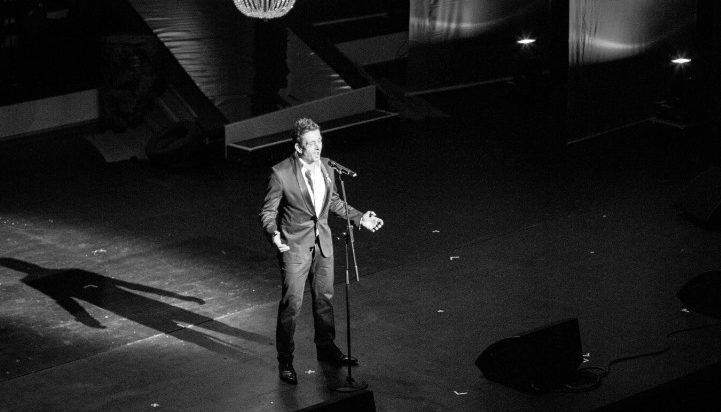
In the evolving landscape of European and British vocal artistry, few voices carry the breadth of experience, emotional intelligence, and stage-forged maturity that define Ferdinand Rennie. Born in Austria and now firmly rooted on the serene west coast of Scotland, Rennie’s journey into music spans more than three decades of consistency, versatility, and an unwavering dedication to craft. His artistic identity has been shaped by an uncommon blend of classical training, theatrical storytelling, and heartfelt contemporary interpretation, qualities that have allowed him to reach audiences across countries, mediums, and generations. Rennie’s early rise began in his native Austria, where his talent earned him national visibility through appearances on ORF, the Austrian Broadcasting Corporation, including the country’s elimination round for the Eurovision Song Contest. These early moments set the stage for a career that would soon expand into the demanding and expressive world of musical theatre.
Over the years, he brought life to leading roles in renowned productions such as TABALUGA & LILLI, LES MISÉRABLES, ELISABETH, JESUS CHRIST SUPERSTAR, BEAUTY AND THE BEAST, and THE LITTLE SHOP OF HORRORS. Each role deepened his understanding of musical storytelling, strengthening his emotional delivery, shaping his vocal texture, and sharpening his ability to translate narrative into performance. Beyond the theatre, Rennie also found a home in television, appearing on several German and Austrian programs, while simultaneously building a recording career marked by expressive interpretations of beloved classics. His renditions of “Run,” “Hallelujah,” “Angel,” “I Will Love Again,” and “Never Enough” have achieved worldwide radio play, further establishing him as a vocalist capable of transforming familiar songs into deeply personal experiences. His feature on Britain’s Got Talent (2022) with “Never Enough” brought his work to an entirely new audience, followed shortly by the release of Chase the Sun, produced by Grammy Award–winning producer Mikal Blue.
Rennie’s career also includes meaningful contributions beyond the commercial music sphere. He composed and produced the ballad “Drying Little Tears” for the Regine Sixt Children’s Aid Foundation, and he has been a featured guest in live concert tours, charity galas, and special events, including a standout performance in Monte Carlo before Prince Albert and Princess Charlene of Monaco. These diverse experiences speak not only to his talent but to the respect and trust he has earned within the artistic community. With a career defined by emotional depth and interpretive grace, Ferdinand Rennie returns with a radiant new rendition of the timeless classic “The Prayer.” After releasing a duet version in 2023 with his longtime friend, international medium June Field, Rennie steps once again into the sacred landscape of this beloved composition, this time to imprint it with his own solitary voice, artistic maturity, and spiritual sensitivity.
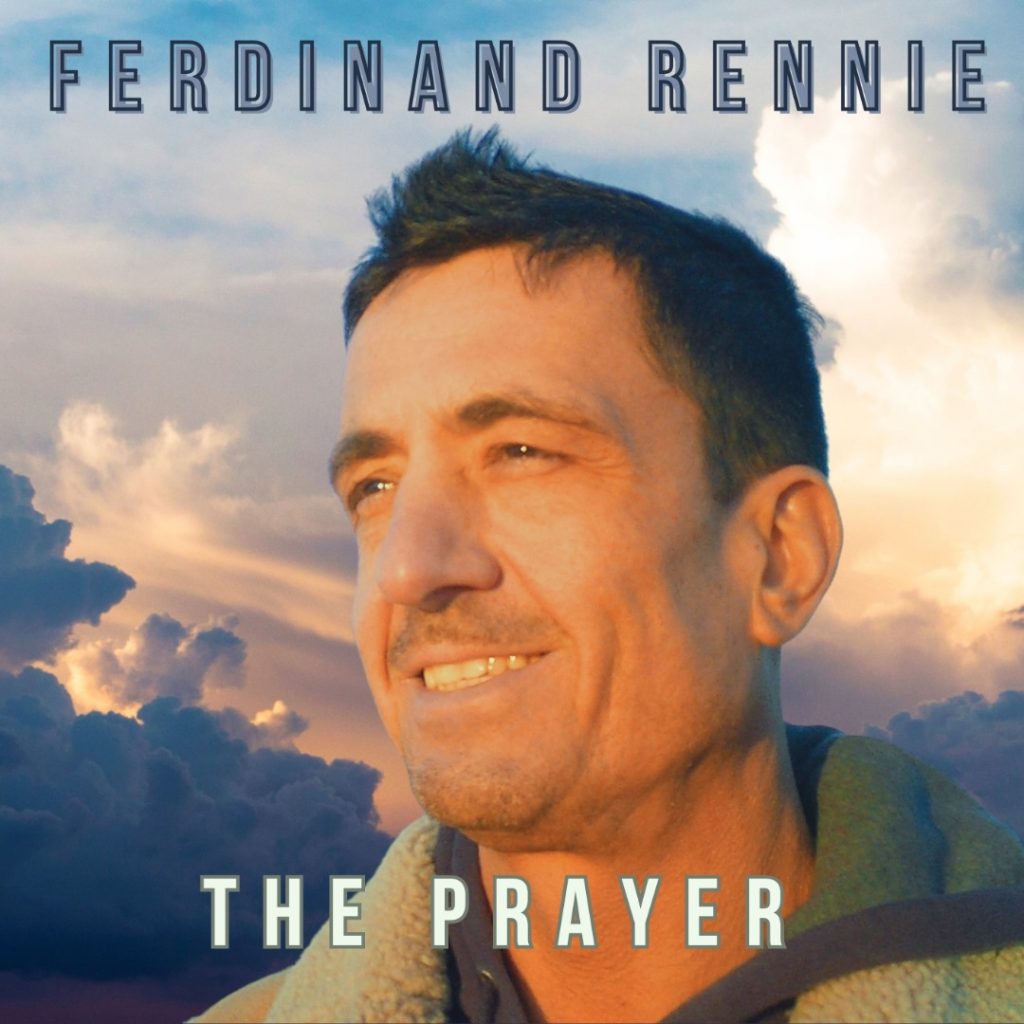
Originally written by Carole Bayer Sager, David Foster, Tony Renis, and Alberto Testa and published by Warner Music, “The Prayer” has long stood as a hymn of hope, clarity, and gentle supplication. Rennie’s 2025 version honors that legacy while offering a uniquely introspective interpretation, drawing on decades of vocal refinement and heartfelt performance. This new recording feels not merely like a cover, but like a personal offering, an intimate, voice-led reimagining shaped by the sincerity and depth that have come to define his artistic journey. Elegant, emotive, and wrapped in the warmth of a voice seasoned by years of performance, Ferdinand Rennie’s 2025 release of “The Prayer” invites listeners into a space of quiet reflection and spiritual uplift, a moment suspended between reverence and renewal, crafted with the touch of an artist who understands the full weight of a song’s emotional purpose.
“The Prayer” by Ferdinand Rennie opens with an atmosphere so deliberately shaped that it feels less like the beginning of a song and more like the slow rising of dawn inside a quiet sanctuary. The piano enters with spacious, contemplative chords that disperse softly into the air, each note rounded with warmth and a gentle resonance that fills the sonic field with a deep sense of stillness. These chords don’t push forward; they unfurl patiently, creating a bed of serenity that immediately signals emotional depth. Subtle ambient pads float beneath the piano, widening the soundscape and giving the listener the sense of sitting inside an expansive space where every sound breathes. As the introduction develops further, a smooth, understated drum groove begins to take shape, soft, steady, and carefully placed, adding a pulse that moves the song forward without disturbing its sacred calm. The blend of piano, atmospheric textures, and a gentle drum heartbeat creates an opening that feels both grounding and elevating, preparing the listener for the emotion to come.
When Ferdinand Rennie’s voice enters, the emotional center of the song awakens with a blend of sincerity, warmth, and refined control. His vocal tone is smooth and rounded, with a delicate breathiness that gives the first lines a sense of vulnerability. He shapes each phrase with intention, stretching certain syllables to infuse them with emotional weight and allowing the melody to settle into the air with an unforced grace. As he progresses, the smooth drum groove continues beneath him, offering a subtle rhythmic anchor that helps lift the melody without intruding on its tenderness. Soft, airy backup vocals slowly begin to rise behind his lead line, adding a shimmering halo of harmony that enriches the emotional presence of the moment. These harmonies are blended so gently that they feel like an extension of his voice, an echo of hope and spirit that supports him, deepening the reflective atmosphere that defines the song’s opening vocal passages.
As the arrangement expands, more instrumental layers enter with a patient elegance that preserves the intimacy of the song. A delicate orchestral section gradually emerges, primarily warm, flowing strings that glide beneath the piano and drums, adding emotional dimension and narrative depth. The strings lift the harmonic movement gently, supporting each rise in vocal intensity with smooth crescendos that never overwhelm. The backup vocals gain a touch more presence here, blooming softly behind the lead melody with harmonious richness that adds both color and emotional texture. Meanwhile, the drum groove maintains its calm, steady pulse, smooth, unobtrusive, slightly airy in tone, giving the song a subtle sense of forward motion. The combination of orchestral warmth, layered harmonies, and understated rhythm creates a beautifully cohesive tapestry that extends the emotional reach of the music while keeping the song grounded in its gentle, prayerful essence.
In the middle section, the emotional journey deepens as both the vocal performance and instrumentation become more expressive. Rennie’s voice rises with greater confidence and fullness, revealing his technical mastery and emotional connection to the lyrics. His transitions into higher notes are fluid and resonant, carrying a blend of strength and tenderness that heightens the emotional stakes. The strings respond with more dynamic movement, swelling, receding, and shaping the harmony with cinematic grace, while the piano introduces richer chord voicings and subtle flourishes that enhance the harmonic progression. The backup vocals also thicken in this section, supplying soulful, blended harmonies that embrace the lead vocal like a supportive choir. Throughout this rise in intensity, the smooth drum groove remains consistent, adding a soft rhythmic glide that keeps the progression grounded. The interplay between vocals, harmonies, drums, and orchestral elements forms an expressive middle passage that glows with emotional sincerity.
As the song reaches its peak, the arrangement blossoms into its most expansive and emotionally charged moment. The orchestral layers swell into a full, warm presence that supports Rennie’s soaring vocal phrases with a cushion of lush harmonic richness. His voice radiates with clarity, strength, and a controlled vibrato that gives the higher notes a captivating shimmer. The drum groove subtly firms its presence here, not loud or aggressive, but slightly more pronounced, adding a confident undercurrent that helps carry the vocal climax. The backup vocals rise beautifully around the lead line, offering soulful, blended harmonies that add depth and spiritual resonance. Their presence during this peak creates a sense of communal uplift, as though multiple voices join the emotional ascent. The convergence of orchestration, harmonies, drums, and vocal brilliance creates a moment that feels both triumphant and deeply heartfelt, a culmination of the song’s emotional arc.
Ferdinand Rennie’s ‘The Prayer’ transforms a timeless classic into a tender, cinematic journey of hope, emotional depth, and spiritual uplift.
The closing section gently reduces the emotional intensity, bringing the listener back into the quiet, reflective space from which the song began. The orchestral elements soften and gradually fade, the strings retreating to delicate, whisper-like swells. The piano returns to a simpler, more spacious pattern, echoing the serenity of the introduction. Rennie softens his voice, delivering the final lines with tender intimacy and emotional clarity. The backup vocals ease in once more with a soft, soulful presence, never overpowering, but giving the ending a warm and graceful glow. Even the smooth drum groove begins to withdraw, leaving only the faintest pulse as the arrangement approaches silence. The final moments feel pure and unhurried, allowing the emotional warmth of the performance to linger in the listener’s mind. The song closes with a sense of peace, completeness, and spiritual stillness, making the journey feel whole, resonant, and deeply moving.
For more information about Ferdinand Rennie, click on the icons below.