

Tillerman is a Leeds-based band formed in 2019, built around the central core of brothers Jon and Tom Kulczycki, whose vision has always revolved around creating music that resonates beyond the confines of live performance. While the band has collaborated with a rotating roster of talented musicians and cultivated meaningful friendships in the process, Tillerman’s primary focus has been on crafting “stand out songs” complemented by inventive music videos that expand their reach and impact. Recognized early on by German indie label Fuelled by Passion following their debut EP, Gathering, and endorsed by guitar innovators Duesenberg, the band has steadily carved a niche in the indie-pop landscape. Their musical identity is firmly rooted in the melodic and harmonic richness of classic British and American acts, drawing inspiration from The Beatles, Fleetwood Mac, The Eagles, Mamas and the Papas, and the broad spectrum of British music spanning the 1960s to the 1990s.
Rather than reinventing the wheel, Tillerman combines these influences with modern sensibilities, producing music that is both nostalgically familiar and refreshingly contemporary, characterized by catchy hooks, anthemic choruses, and a warmth that invites deep listener engagement. Their deliberate decision to step back from the live scene has allowed them to prioritize songwriting craftsmanship, ensuring that every track feels meticulously arranged and emotionally authentic. With each release, Tillerman continues to demonstrate that their sound is less about trends and more about timeless musicality, blending past influences into a cohesive and personal sonic statement. In this way, the band has established itself as a project where meticulous attention to melody, narrative, and cultural resonance meets the relaxed charm of a story-driven indie ensemble. Tillerman’s work ultimately reflects a balance between reverence for musical heritage and the desire to communicate universal human experiences through music that lingers in memory. By 2025, the band has become known for its ability to create songs that transport listeners while simultaneously grounding them in a very particular sense of place, time, and emotional truth.
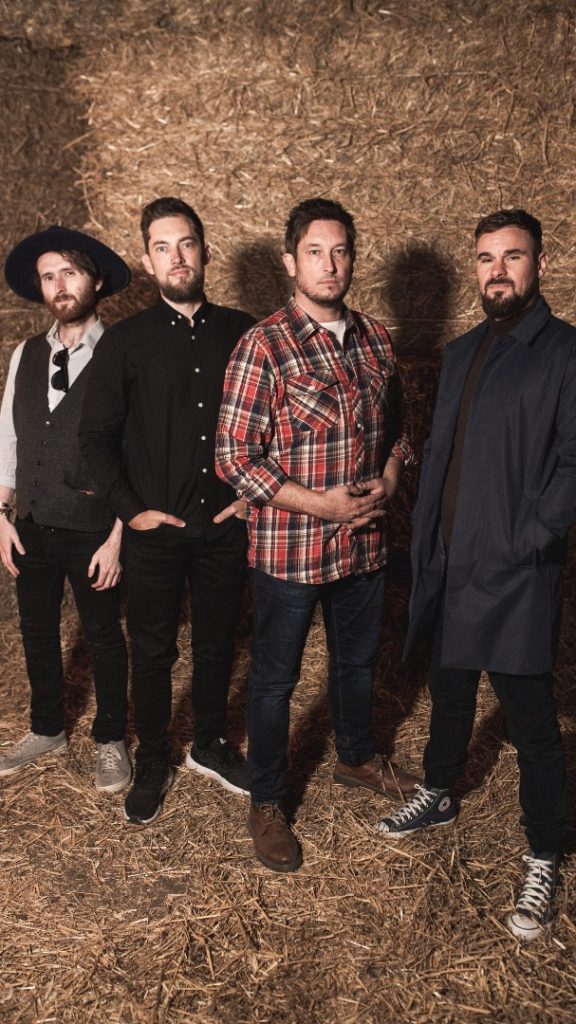
Released on November 28th 2025, Tillerman’s “Summer of ’96” opens with gently picked acoustic guitars layered in light ambient reverb, immediately creating a warm and reflective tone. The song draws listeners back to the mid-1990s, a period where BritPop and Euro ’96 football fever shaped the cultural landscape. From the first moments, the instrumentation establishes both nostalgia and intimacy, with mellow basslines supporting the harmonic structure and restrained drums providing a soft pulse. Subtle electric guitar accents and ambient textures appear sparingly to enhance depth without overwhelming the listener. The vocals enter in a conversational style, drawing attention to the personal narrative. The melody rises gently toward the chorus, foreshadowing the anthemic refrain. Lyrically, the opening evokes a young love set against cultural touchstones of the era. The mid-tempo pacing allows space for reflection, letting the song breathe naturally. From start to finish, the introduction signals that this is a song meant to linger in memory. The instrumentation, vocals, and lyrical hooks combine seamlessly to capture the mood of a formative summer. Every element feels intentional and emotionally grounded, inviting immersive listening. The first moments alone set the tone for the entire track.
The song’s instrumentation is grounded in organic textures that give “Summer of ’96” its warmth and reflective quality. Acoustic guitar drives the harmonic foundation, accompanied by a mellow bassline that quietly supports the song without drawing attention. Drums remain understated, favoring soft kicks and brushed snares to maintain a relaxed, natural rhythm. Ambient pads and light electric guitar accents are employed subtly to enrich the sonic landscape. The arrangement creates space for emotion, allowing each layer to breathe and resonate. Dynamics are gentle, rising slightly in the chorus to highlight emotional peaks. The instrumentation mirrors the lyrical themes of youth, memory, and first love. Textures are used to evoke late summer evenings and nostalgic reflections. Each musical element complements the vocals and lyrics, ensuring cohesion. The restrained approach emphasizes intimacy and emotional sincerity over spectacle. Listeners are encouraged to project their own memories into the musical space. This careful balance makes the instrumentation immersive and evocative throughout.
Vocally, the song delivers a performance full of intimacy and sincerity, with a slight grain in the voice that enhances emotional resonance. Each line is conversational and unforced, allowing the lyrics to shine naturally. Melodies remain within a comfortable range, rising only at moments of emotional significance. Minimal vocal layering preserves authenticity and supports the reflective tone. The chorus, particularly the line “You spent the Summer of ’96 with me,” anchors the song emotionally and thematically. Subtle timing shifts and inflections add depth and nuance to the vocal delivery. The restrained approach ensures that emotion is conveyed without melodrama. The voice aligns perfectly with the organic instrumentation, creating a seamless connection between sound and story. The listener feels directly addressed, fostering a personal connection. Emotion is built gradually, with each phrase contributing to the reflective narrative. Vocals emphasize nostalgia and personal memory over technical display. The intimate performance invites immersion and repeated listening.

Lyrically, “Summer of ’96” intertwines cultural nostalgia with a personal story of young love. References to Euro ’96 football fever, BritPop bands like Oasis and Blur, and cult television situate the song in a particular historical moment. The love story remains universal, allowing listeners to relate regardless of their own experience. Rather than telling events chronologically, the song paints emotional snapshots that evoke feeling and memory. There is a bittersweet quality in the balance between warmth and the passage of time. The lyrics avoid sentimentality, emphasizing honesty and emotional implication. Imagery of shared summer moments and fleeting encounters gives life to the narrative. Each line is carefully constructed to complement the melody and instrumentation. The chorus functions as both a refrain and an emotional anchor, connecting cultural and personal memory. Subtle lyricism allows listeners to project their own experiences onto the song. The combination of universal themes with specific cultural touchstones creates resonance across generations. The lyrical approach emphasizes reflection and nostalgia without being heavy-handed.
The song’s pacing and dynamics further reinforce its reflective character, letting the listener inhabit the emotional space fully. Mid-tempo rhythms allow each phrase and instrumental layer to breathe naturally. Acoustic guitar remains central, providing melodic grounding and warmth. Bass and drums maintain an unobtrusive presence, supporting rhythm without drawing focus. Ambient textures and electric guitar accents punctuate key moments of emotional significance. The chorus rises naturally, providing emotional release without interrupting intimacy. This restraint ensures that emotional resonance remains central to the experience. Each instrumental choice supports narrative clarity and reflective mood. The song encourages immersive listening, inviting projection of personal memories. Dynamics are subtle, emphasizing gradual emotional arcs rather than abrupt shifts. The pacing mirrors the gentle passage of summer and memory. Overall, the structure enhances cohesion between story, instrumentation, and vocal delivery.
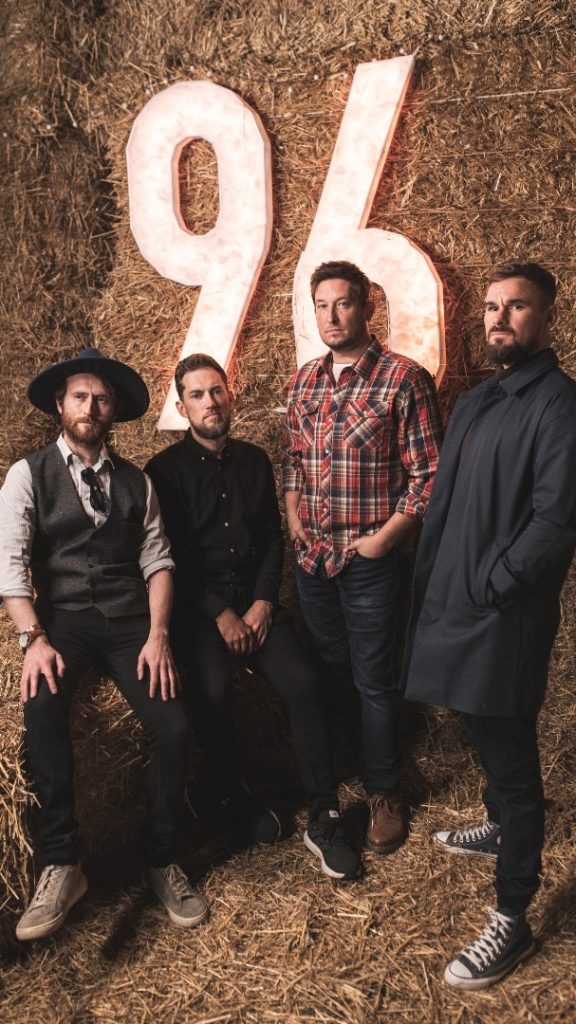
“Summer of ’96” succeeds in balancing cultural nostalgia and personal storytelling in a way that feels authentic and timeless. Cultural references root the song in a specific era, while the love story remains relatable to all listeners. The track functions as both a celebration of a formative summer and a mirror for personal memory. Subtle instrumental layering and vocal restraint amplify this effect, creating a reflective atmosphere that invites listener participation. The interplay of lyrics, instrumentation, and vocals forms a cohesive emotional narrative. Nostalgia is used naturally, never forced, allowing listeners to inhabit both past and present experiences. Musical textures emphasize warmth, space, and intimacy. The song bridges generations by connecting historical events with universal emotion. Instrumental and vocal choices consistently support the reflective tone. This careful blending of specific cultural markers with emotional universality enhances engagement. Every element contributes to the immersive quality of the track. The result is a song that resonates deeply while remaining accessible.
Each element in “Summer of ’96” works in cohesion, demonstrating Tillerman’s mastery of emotional storytelling. Arrangement, vocals, and lyrics are seamlessly aligned to maintain a consistent reflective tone. Instrumentation remains restrained and purposeful, emphasizing sincerity over showmanship. Mid-tempo pacing ensures smooth emotional flow throughout the song. Subtle dynamic shifts mirror the ebb and flow of memory and feeling. Vocals communicate authenticity, creating a sense of direct connection with listeners. Textures such as reverb and ambient layering deepen emotional resonance. Instrumental moments allow space for reflection and imagination. Lyrical snapshots and musical gestures are interdependent, forming a unified experience. The song’s structure alternates between intimate verses and gently anthemic chorus for balance. Listeners are encouraged to revisit personal experiences while engaging with the narrative. The careful execution makes the song feel timeless, emotionally grounded, and immersive.
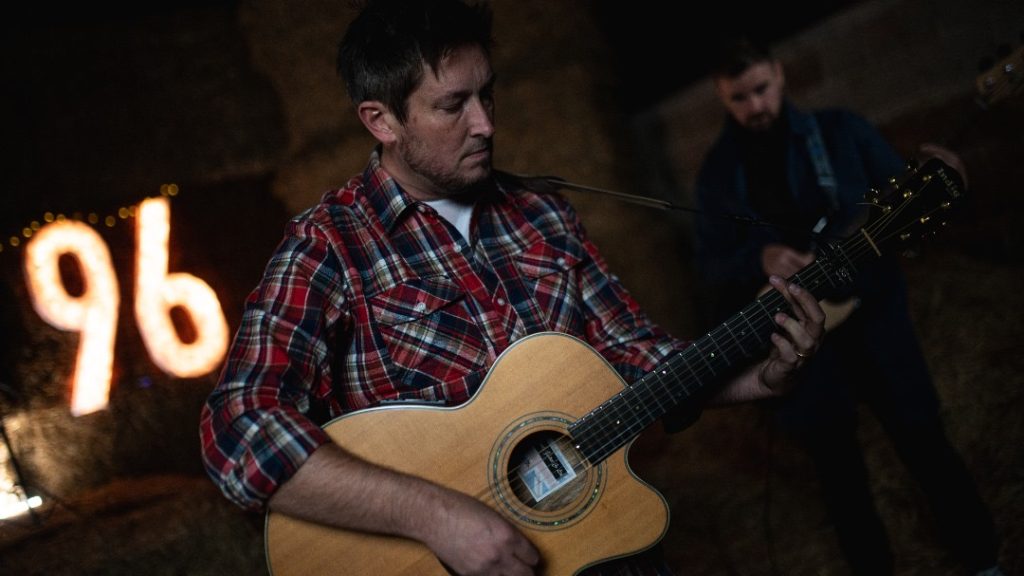
Tillerman’s Summer of ’96 Blends BritPop Nostalgia, First Love, And Reflective Storytelling Into A Warm, Sun-soaked Anthem That Invites Listeners To Relive Formative Summers And Timeless Youthful Memories
Ultimately, “Summer of ’96” highlights Tillerman’s ability to combine nostalgia, narrative, and musical craftsmanship into a resonant single. The chorus remains memorable while maintaining emotional authenticity. Mid-tempo pacing, warm instrumentation, and reflective lyricism reinforce the song’s core themes. The track captures both specific historical moments and timeless emotional experiences. Vocals, instrumentation, and lyrics are aligned to support immersive listening. Cultural touchstones enrich the narrative without overshadowing universal themes. The song rewards repeated plays, revealing subtle layers and emotional nuance over time. Dynamics and texture contribute to a sense of intimacy and cohesion. Each listening invites reflection on youth, first love, and formative summers. The arrangement emphasizes warmth, clarity, and personal connection. By blending storytelling, musical restraint, and cultural resonance, Tillerman creates a modern classic. “Summer of ’96” is a heartfelt anthem for memory, nostalgia, and enduring emotional resonance.
For more information about Tillerman, click on the icons below.