

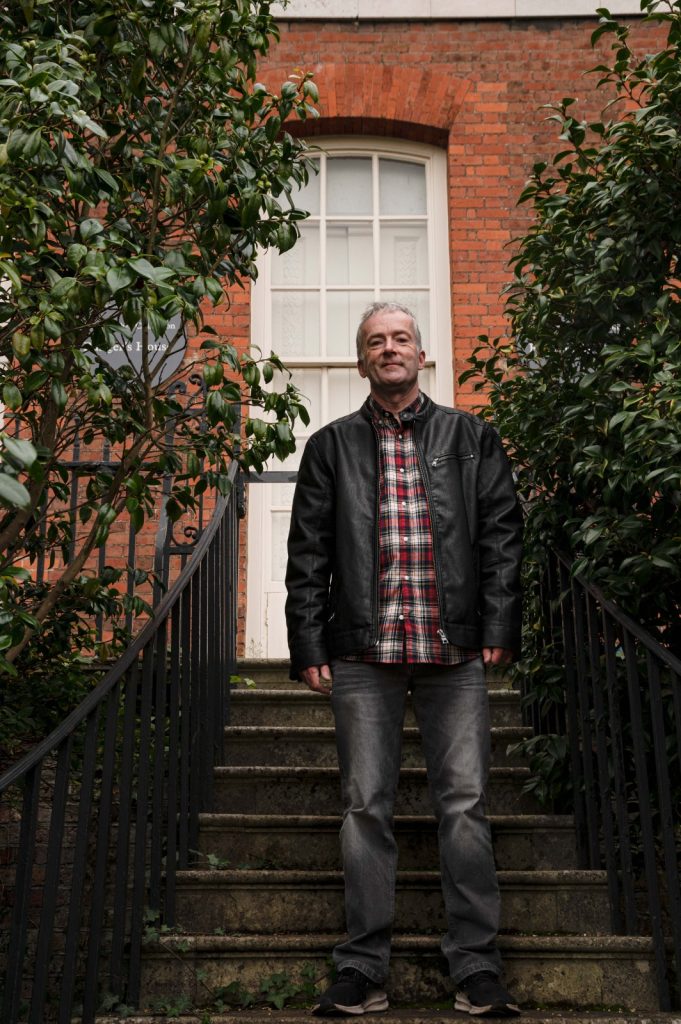
Andy Smythe, a London-based songwriter, has spent 20 years quietly captivating audiences with eight original albums and over 1,000 live performances across the UK. A stalwart of the folk and acoustic scene, he draws inspiration from legends like Nick Drake, Leonard Cohen, Bob Dylan, and Lennon/McCartney, while maintaining a unique melodic and lyrical style. Smythe is a versatile multi-instrumentalist, skilled on guitar, bass, piano, organ, and blues harp, with an English vocal tone reminiscent of Nick Drake and hints of Buckley’s vibrato. His songs encourage reflection on humanity and everyday life. Performing with The Andy Smythe Band, he blends roots and rock with energy and finesse. His songwriting has earned recognition from Mike Scott of The Waterboys and opportunities supporting artists such as Texas, Peggy Seeger, and KT Tunstall.
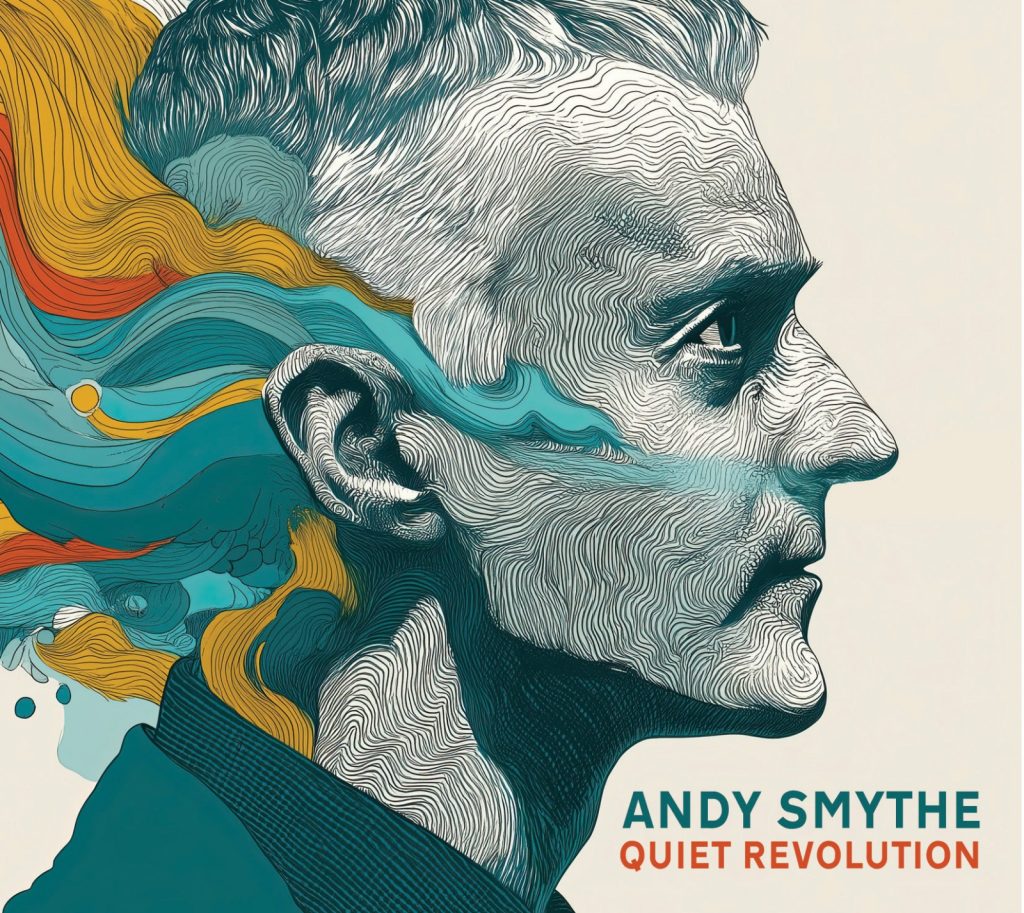
Andy Smythe’s ninth studio album, “Quiet Revolution”, released on 13th March 2026, is a compelling exploration of societal tension, human resilience, and the psychological complexity of modern life. Over two years of songwriting and production, Smythe has crafted a record that fuses baroque-pop, folk, rock, and classical elements, resulting in a cinematic and multilayered soundscape. Each track is carefully arranged to complement its lyrical and emotional content, with strings, brass, and fiddle interwoven alongside Smythe’s multi-instrumental performances on piano, guitars, bass, organ, and blues harp. His four-octave vocal range is fully on display, moving seamlessly from soaring high tenor passages to rich bass/baritone tones, giving each song a distinct character and emotional depth.

The album functions as both a personal reflection and a societal critique, addressing the concentration of power, hierarchy, and inequality, while reflecting the uncertainties of 2025, including the rise of AI. Smythe’s lyricism is subtle yet incisive, favoring introspection and thoughtful commentary over overt protest. The music invites listeners into a space of reflection, where melodies, arrangements, and phrasing encourage engagement with the album’s themes. With production collaboration from Dave Palmer, “Quiet Revolution” unfolds like a musical journey, reminiscent of concept albums such as Sgt. Pepper’s Lonely Hearts Club Band, blending narrative cohesion with stylistic diversity. This record is a testament to Smythe’s artistry, combining technical skill, emotive vocals, and socially aware songwriting to produce an album that resonates intellectually and emotionally, inviting listeners to question, feel, and consider the world around them.
Quiet Revolution Album Track List:
Emergency:
The vocals in “Emergency” are delivered with desperate urgency and raw emotion, immediately drawing the listener into the chaos and tension the song portrays. Andy Smythe’s voice carries a gritty intensity, particularly during lines like, “Emergency call 99 night and save this heart of mine,” where the pleading and powerful inflections reflect both vulnerability and determination. The delivery shifts between urgent desperation and assertive commitment, effectively portraying the internal conflict of maintaining a relationship under pressure. Thematically, the song explores emotional turmoil, desperation, and the struggle to hold onto love amid chaos, likening emotional instability to a literal emergency. Lyrics such as “so much trouble, so much traffic” highlight the overwhelming external pressures while reinforcing the narrator’s devotion, emphasizing love as a “saving grace” even when circumstances seem impossible. Instrumentally, “Emergency” features a driving rock arrangement, combining distorted electric guitars, pulsating synth bass, and propulsive drums with tight snare hits and kick patterns. The production emphasizes a cinematic, stadium-rock feel, using expansive reverb to enhance the sense of tension and urgency. Synth layers subtly complement the guitars, creating a textured, forward-driving soundscape. Together, the instrumentation mirrors the emotional intensity of the vocals and lyrics, ensuring that the musical energy supports the song’s thematic message of fighting for love. “Emergency” becomes both a personal and sonic declaration of resilience, capturing the precarious balance between chaos and devotion.
Tears Can Heal:
In “Tears Can Heal,” Andy Smythe’s vocals are gentle, sincere, and deeply emotive, perfectly matching the reflective and intimate tone of the song. His smooth delivery conveys vulnerability, hope, and reassurance, drawing listeners into the emotional narrative. The lyrics emphasize healing, resilience, and emotional release, illustrating that expressing pain is not weakness but a necessary step toward inner peace. Lines such as, “Tears can heal the pain … Make rainbows in the rain,” underscore the theme of emotional transformation and the power of acceptance, encouraging listeners to release guilt and grief. Smythe’s phrasing varies subtly throughout, shifting from soft intimacy in verses to more expressive moments in the chorus, reflecting the emotional arc of moving from sorrow to hope. Thematically, the song centers on emotional catharsis and the idea that vulnerability fosters strength, resonating with anyone navigating personal loss or heartache. Instrumentally, “Tears Can Heal” is grounded in mid-tempo soft rock, combining warm acoustic guitar strumming with clean electric guitar accents, melodic bass lines, and crisp drum patterns. Subtle organ or synthesizer pads add depth, filling the sonic space without overpowering the vocals. Harmonically, the track’s rich layers create a comforting, enveloping atmosphere that supports Smythe’s lyrical message. The production emphasizes clarity, ensuring every vocal nuance and melodic detail shines. Overall, “Tears Can Heal” is a soothing, reflective ballad that balances emotional resonance with thoughtful musical craftsmanship, conveying hope and transformation through both voice and instrumentation.

Rage In Me:
The vocals in “Rage In Me” are raw, emotive, and intensely expressive, perfectly aligning with the song’s theme of repressed anger and internal turmoil. Andy Smythe’s voice shifts dynamically between restrained intensity in the verses and unleashed passion in the choruses, mirroring the build-up and eventual release of rage. Lines such as, “The rage in me paces like a lion in a cage,” convey a sense of power constrained by circumstance, while his slightly distorted, gritty tone reinforces the song’s darker, alternative rock atmosphere. Layered harmonies in key sections create a haunting, seductive quality, echoing the lyrical imagery of rage as both destructive and transformative. Thematically, the track explores the duality of anger, portraying it as a potent, autonomous force that cannot be suppressed, yet also offering freedom and release. Smythe personifies rage as both a dangerous demon and an essential element of human emotion, reflecting on how unbridled emotion can dismantle barriers and challenge societal expectations. Instrumentally, “Rage In Me” blends classic rock aggression with atmospheric alternative textures, anchored by distorted electric guitar riffs, pulsating bass, and echoing drums with reverb-heavy snares. Ethereal synth layers add a subtle, hypnotic undertone, balancing the ferocity of the guitars while enhancing the song’s dramatic tension. The production emphasizes intensity and controlled chaos, mirroring the lyrical themes through sonic structure. Together, the vocals, lyrics, and instrumentation convey a sense of claustrophobic power, making “Rage In Me” a compelling exploration of anger as both destructive and liberating energy.
Because:
In “Because,” Andy Smythe delivers vocals with a gentle, intimate, and emotive quality, perfectly suited to the track’s reflective and contemplative theme. His conversational style draws listeners into a moment of quiet understanding, emphasizing vulnerability and emotional authenticity. The lyrics center on profound connection and acceptance in relationships, with recurring lines like, “We just had to let it be,” highlighting the beauty of shared destiny and the power of mutual surrender. Smythe’s phrasing emphasizes nuance and subtlety, reflecting the song’s theme of letting go of control and trusting in natural emotional flows. Thematically, “Because” explores transformative love, quiet revolution in emotional perspective, and the courage of vulnerability, illustrating how acceptance and intimacy can catalyze deep personal change. Instrumentally, the track blends warm, melodic synthesizers, strummed acoustic guitars, and downtempo electronic beats, creating a lush, cinematic soundscape that feels both expansive and intimate. Subtle percussive textures and spacious synth pads fill the stereo field, allowing the vocals and lyrics to remain at the forefront. The arrangement carefully balances electronic and organic elements, producing a reflective, nostalgic atmosphere that mirrors the song’s emotional depth. The production’s clarity ensures that every nuance of Smythe’s vocal inflection, lyrical phrasing, and instrumental layering contributes to the track’s overall impact. Overall, “Because” stands as a meditative, introspective conclusion, emphasizing connection, acceptance, and the quiet power of emotional honesty within the album’s broader thematic arc.
Quiet Revolution Captures A Restless World Questioning Power, Inequality, And Identity, Urging Listeners To Reflect, Feel Deeply, And Imagine Change Through Quiet Courage, Empathy, And Awakening.
~ Daniel (Dulaxi Team)
“Quiet Revolution” is a masterful blend of introspection, social awareness, and musical sophistication, showcasing Andy Smythe at the height of his artistic powers. Every arrangement, vocal nuance, and instrumental flourish draws the listener into a deeply personal yet universally resonant journey. This is an album that doesn’t just entertain, it challenges, inspires, and awakens reflection on the world and ourselves. Immerse yourself fully in its cinematic soundscapes and lyrical depth, listen attentively, and let “Quiet Revolution” guide you through a transformative experience that lingers long after the final note, demanding contemplation and emotional engagement.
For more information about Andy Smythe, click on the icons below.