
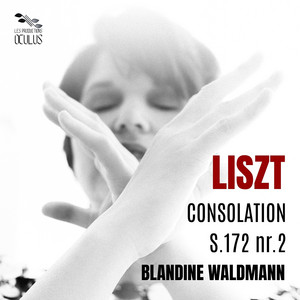
Blandine Waldmann draws you into a quiet world of reflection, where every note in LISZT Consolation S.172 Nr.1 feels like a gentle step into something deeper. From the very first touch of the keys, the performance opens like a soft breath, calm, measured, and full of intention. It does not rush to impress, instead, it takes its time, allowing the listener to settle into a space where the music can truly be felt.
As the piece unfolds, Blandine Waldmann shapes each phrase with remarkable sensitivity. There is a natural flow in her playing that feels almost conversational, as though the piano itself is speaking in a language built on emotion rather than words. Around the 0:37 mark, a subtle shift emerges, a moment that feels like hesitation or quiet tension, before gently resolving back into the serene atmosphere established at the beginning. It is a delicate transition, but one that adds depth and emotional movement to the performance.
Listening closely, it becomes easy to picture a grand, dimly lit hall, where every sound carries weight and every silence has meaning. Her interpretation does more than present the composition, it invites the listener into it. Each note is placed with care, each progression shaped with awareness, creating an experience that feels both intimate and expansive at the same time.
The production quality further enhances this experience. The clarity of the recording allows the natural resonance of the piano to shine through, capturing every nuance in touch and dynamics. Nothing feels lost or overshadowed. Instead, every detail is preserved, giving the listener a full sense of the emotional landscape being painted.
What stands out most is the sense of presence in the performance. Blandine Waldmann does not simply play the piece, she inhabits it. There is a quiet confidence in her approach, one that allows the music to breathe and unfold naturally without force or exaggeration.
By the end, the performance leaves behind a lingering stillness, a moment of calm that stays with you even after the final note fades. It is thoughtful, immersive, and deeply expressive, a beautiful interpretation that reminds you of the power of simplicity when it is handled with care and intention.
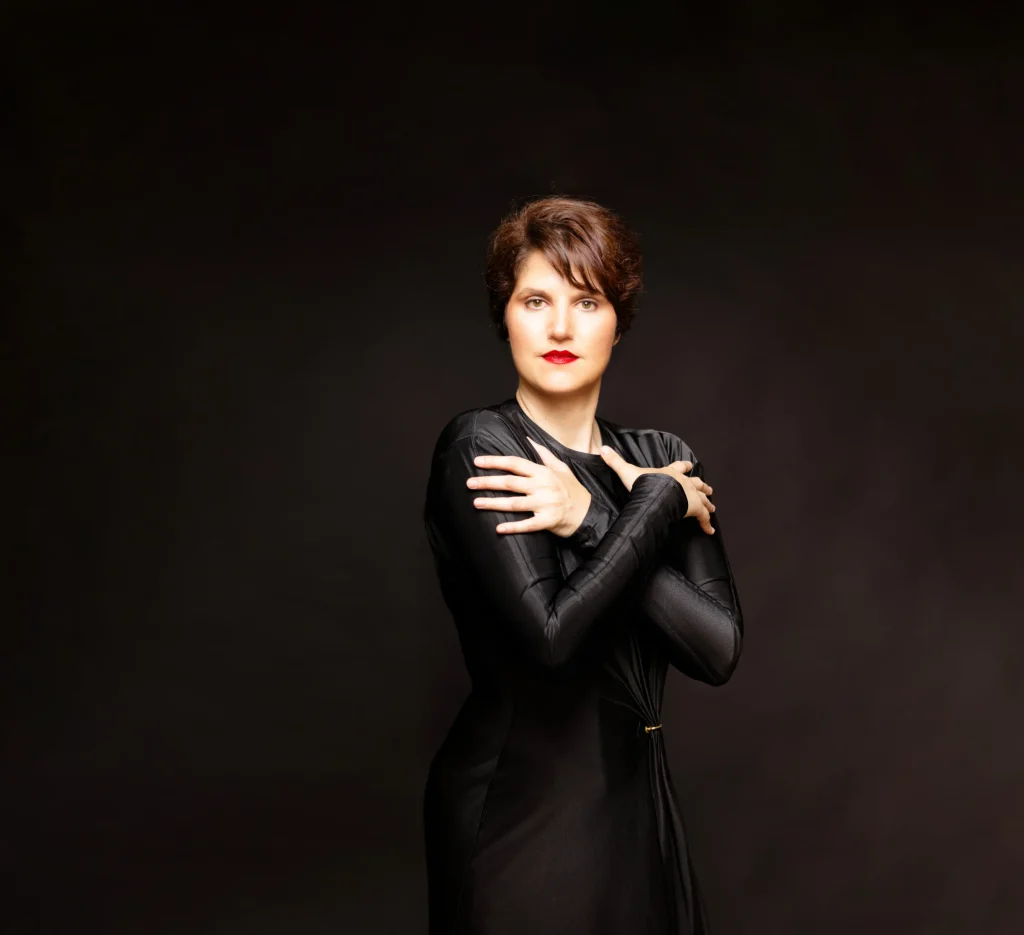
Beyond this performance, Blandine Waldmann’s artistic journey adds even greater depth to her work. A French pianist shaped by her studies in Brussels at the Royal Conservatories under the guidance of Alexander Madzar and Daniel Blumenthal, she developed a refined musical voice grounded in both technical excellence and emotional awareness. Her early background in violin continues to influence her lyrical phrasing, while her appreciation for polyphony reflects a deep understanding of musical structure and balance.
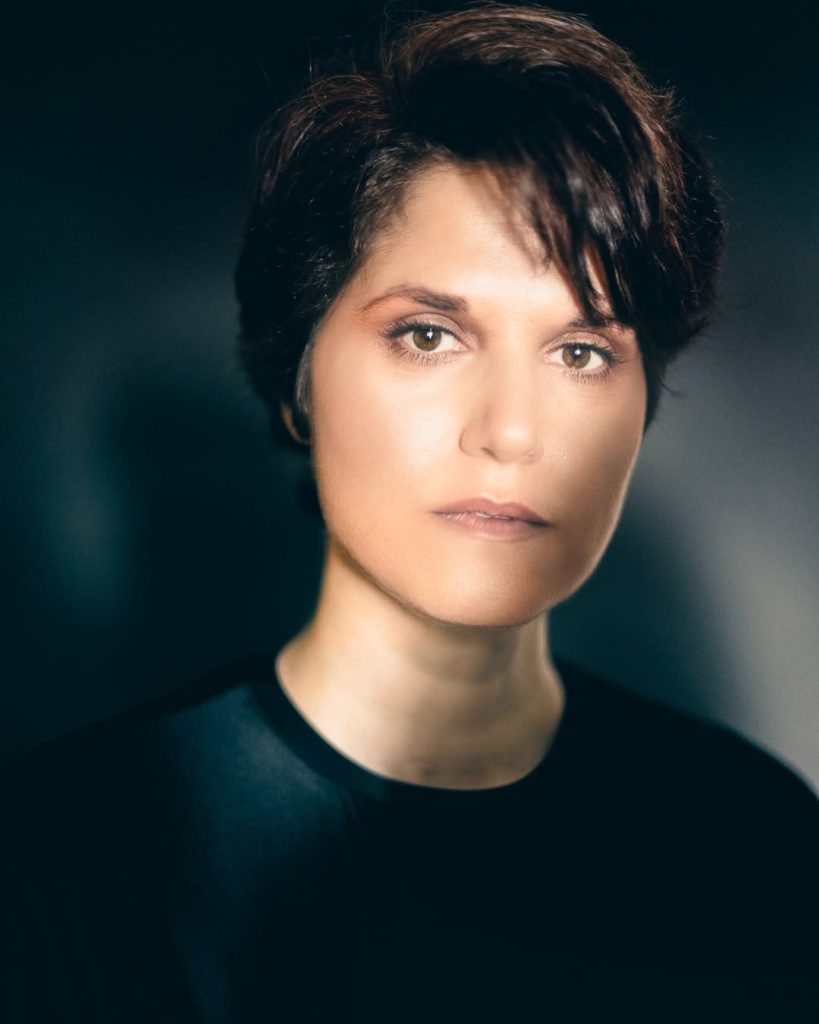
Her repertoire spans a wide range, from Bach to contemporary composers, though she holds a particularly strong connection to figures such as Liszt, Scriabin, Brahms, and Rachmaninov. Her recording Momentum released in 2018 presents works like Mussorgsky’s Pictures at an Exhibition, alongside Brahms’s later compositions and Scriabin’s Ninth Sonata, highlighting her ability to navigate both intimacy and intensity with equal mastery.
Her performances have reached some of the world’s most respected stages, including Carnegie Hall and Cadogan Hall, where she continues to captivate audiences with a style that emphasizes emotional depth, tonal colour, and the orchestral possibilities of the piano. Her achievements in international competitions, including the Erik Satie International Music Competition, IMKA, and The Muse, further reflect her dedication and artistic excellence.
Influenced by great pianists such as Martha Argerich and Wilhelm Kempff, Blandine Waldmann brings together fluid expression and profound interpretation in a way that feels both timeless and personal. Her work is guided by a pursuit of what can be described as the “inner song,” a balance between poetic sensitivity and technical brilliance that resonates deeply with listeners.
In the end, this performance of LISZT Consolation S.172 Nr.1 is not just a display of skill, but a reflection of an artist fully connected to her craft. It is sincere, expressive, and quietly powerful, leaving a lasting impression that speaks long after the final note has disappeared.
For more information about Blandine Waldmann, click the icons below.