

Released on 6th April, 2026 in Montpellier, France, “Mélodie de la Déesse Vol. II” by Haifa Melliti introduces a meditative piano work centered on introspection and stillness. The album frames each composition as a spiritual gesture, where sound becomes a form of prayer rather than performance. Through minimalistic piano writing and restrained expression, Melliti creates an immersive environment that encourages emotional pause and reflection. The listening experience unfolds slowly, prioritizing presence over progression and silence over excess.

Musically, the album is defined by sparse piano textures, where every note is shaped with deliberate control and emotional sensitivity. Silence functions as an active element, allowing resonance and decay to carry meaning between phrases. The harmonic language shifts gently between tonal clarity and subtle ambiguity, producing a floating, weightless atmosphere. Rather than building toward climactic moments, the compositions remain in a constant state of unfolding, emphasizing touch, timing, and restraint as core expressive tools within the piano voice.
Mélodie de la Déesse Vol. II Album Track Reviews:
Éveil de la Déesse:
“Éveil de la Déesse” opens “Mélodie de la Déesse Vol. II” by Haifa Melliti as a deliberate act of sonic emergence, functioning less as a traditional song and more as a ritual of arrival. The track unfolds as a meditative piano landscape built on layered atmospheric textures that create an immediate sense of ethereal vastness. Instead of relying on structured melody or rhythmic drive, it evolves through subtle tonal shifts and ambient movement, allowing the sound to breathe and expand organically. The minimalist production emphasizes space, clarity, and restraint, giving each sonic detail room to resonate fully. Silence is treated as an active component, shaping the listening experience as much as the sound itself. This approach creates a grounding yet transcendent atmosphere that encourages introspection and emotional stillness. Ultimately, the piece serves as a spiritual opening statement, inviting listeners into a calm, goddess inspired world of reflection, presence, and gentle awakening that lingers softly.

Sanctuaire de la Déesse:
“Sanctuaire de la Déesse” from “Mélodie de la Déesse Vol. II” by Haifa Melliti stands as the album’s longest composition, unfolding as an immersive ambient sanctuary built for deep introspection. From its opening moments, the track establishes a consistent ethereal atmosphere that gently removes the listener from external distraction, replacing it with a steady, grounding sonic field. Its deliberately unhurried pacing allows the mind to settle naturally, shifting focus away from melodic complexity toward sustained tonal presence and emotional clarity. Rather than evolving through dramatic changes, the piece maintains a meditative continuity that encourages relaxation and inner stillness throughout its duration. Textural layering is central to its construction, with subtle variations in intensity and harmonic depth creating a living, breathing soundscape that feels expansive yet contained. This careful balance mirrors the idea of a sacred sanctuary, offering space for reflection without demanding attention. Ultimately, the track embodies minimalist ambient design at its most intentional, prioritizing patience, resonance, and emotional calm over ornamentation or progression, resulting in a deeply restorative listening experience that reflects quiet spiritual stillness.
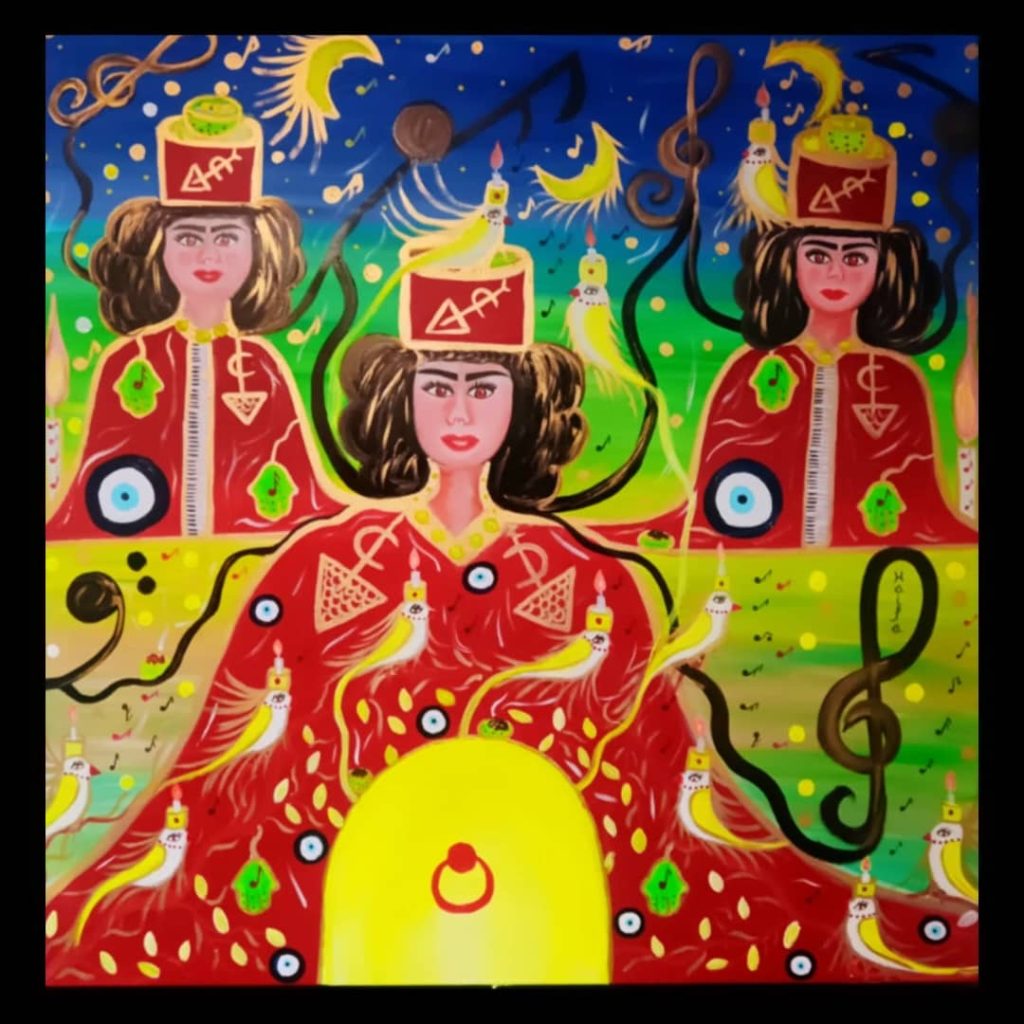
Essence de la Déesse:
“Essence de la Déesse” from “Mélodie de la Déesse Vol. II” by Haifa Melliti serves as the album’s emotional crystallization, offering a concentrated moment of expressive clarity within the broader meditative journey. Though shorter in duration, the track carries a dense emotional weight, built around a more structured composition with a clearly defined melodic motif introduced early and gently revisited through subtle harmonic variations. The piano articulation is notably more refined here, with crisper key attacks, deliberate phrasing, and an enhanced sense of tonal clarity that brings the piece into sharper focus. Its harmonic language leans toward warm major progressions, evoking feelings of acceptance, balance, and inner alignment. The melody unfolds with a breath-like quality, rising gently, peaking softly, and resolving with restrained emotional grace rather than dramatic release. Intimate and distilled, the piece feels like a concentrated memory of the album’s essence, functioning less as a narrative and more as a spoken emotional truth held briefly in suspension before fading into silence.

Prière de la Déesse:
“Prière de la Déesse” closes “Mélodie de la Déesse Vol. II” by Haifa Melliti as a ritual of emotional release and spiritual closure. The track reintroduces a sense of spaciousness, yet with a more grounded harmonic center than the opening piece, suggesting a journey that has moved toward acceptance and inner resolution. Built on slow, deliberate harmonic progression, each chord feels like a measured step within a meditative procession, reinforcing the piece’s ceremonial character. The left hand provides a steady, anchoring foundation through soft repetition, while the right hand unfolds gentle melodic phrases that resemble wordless prayer, intimate and reflective in tone. Rather than building toward a climax, the composition maintains restraint, allowing emotion to settle naturally into calm. Subtle resolution emerges not through intensity but through stillness, as the music gradually dissolves into silence. This final piano performance completes the album’s spiritual arc with finesse, evoking surrender, closure, and profound quietude.
Across its structure, the album feels less like a sequence of separate pieces and more like a continuous meditative state. Each phrase is allowed to breathe fully, with natural decay shaping the emotional contour of the music. The absence of layered instrumentation intensifies focus on nuance, revealing subtle variations in dynamics and pacing. This approach creates a sense of intimacy, as if the listener is privy to thought forming in real time, unedited and unforced, within a quiet sonic space.
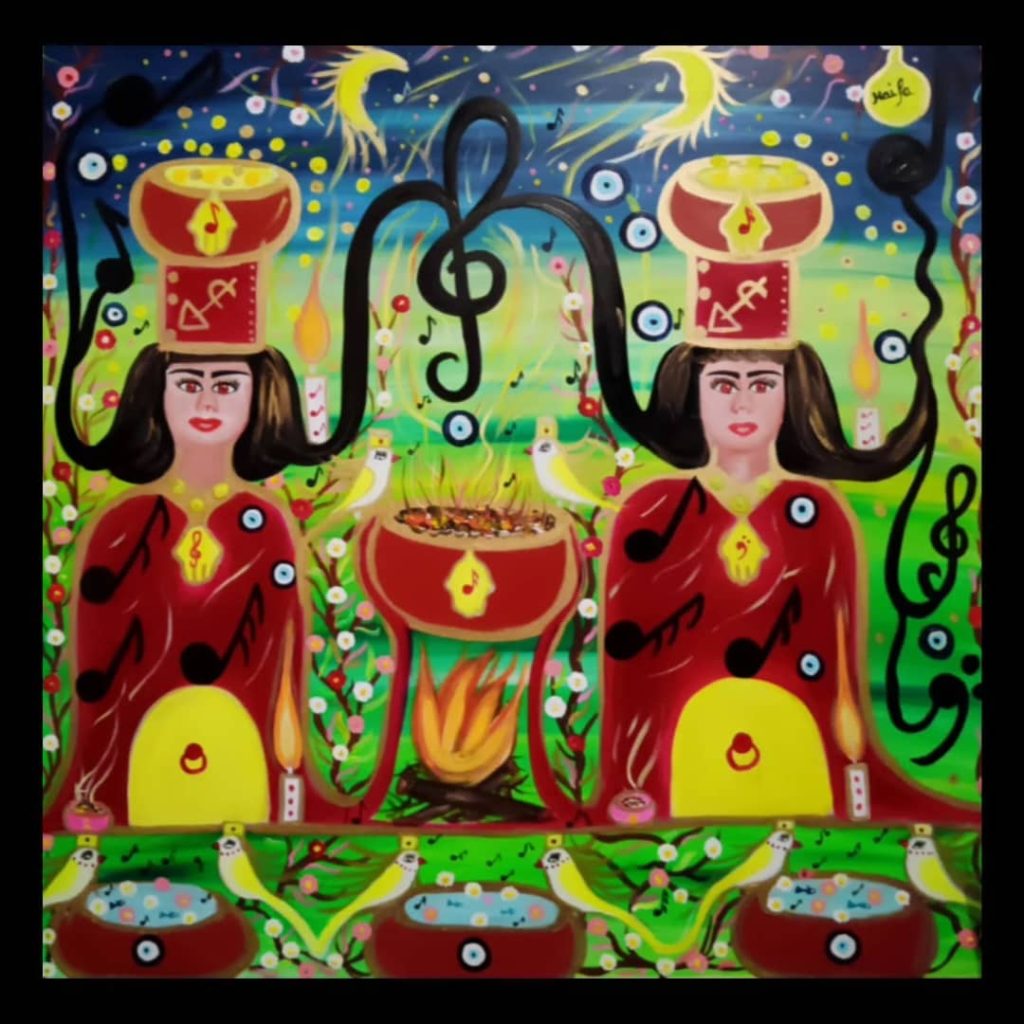
Beyond its sonic qualities, the album reflects a broader spiritual philosophy rooted in intuition and the sacred feminine. The piano becomes a vessel for inner listening, translating emotion into pure sound without reliance on structural rigidity. Inspired by ancestral sensitivity and meditative awareness, the work invites listeners into a space of softness, healing, and reconnection. Each composition emerges spontaneously, emphasizing authenticity and presence as guiding creative forces that shape its deeply contemplative artistic identity.
Mélodie de la Déesse Vol. II Is A Meditative Piano Journey Where Silence Becomes Prayer And Each Note Becomes A Gateway To Inner Healing, Spiritual Awakening, And Deep Emotional Stillness
~ Faithfulness (Dulaxi Team)
In closing, “Mélodie de la Déesse Vol. II” stands as a continuation of the artistic world of Haifa Melliti, a French-Tunisian multidisciplinary artist whose practice bridges music, painting, and spiritual inquiry. Her work consistently transforms sound and image into pathways of healing and self-awareness. Through this album, she refines her signature language of silence, intuition, and emotional resonance, offering listeners a deeply personal yet universal experience. The result is a cohesive artistic vision where music becomes a form of meditation, reflection, and gentle awakening that lingers beyond listening itself always.
For more information about Haifa Melliti, click on the icons below.