
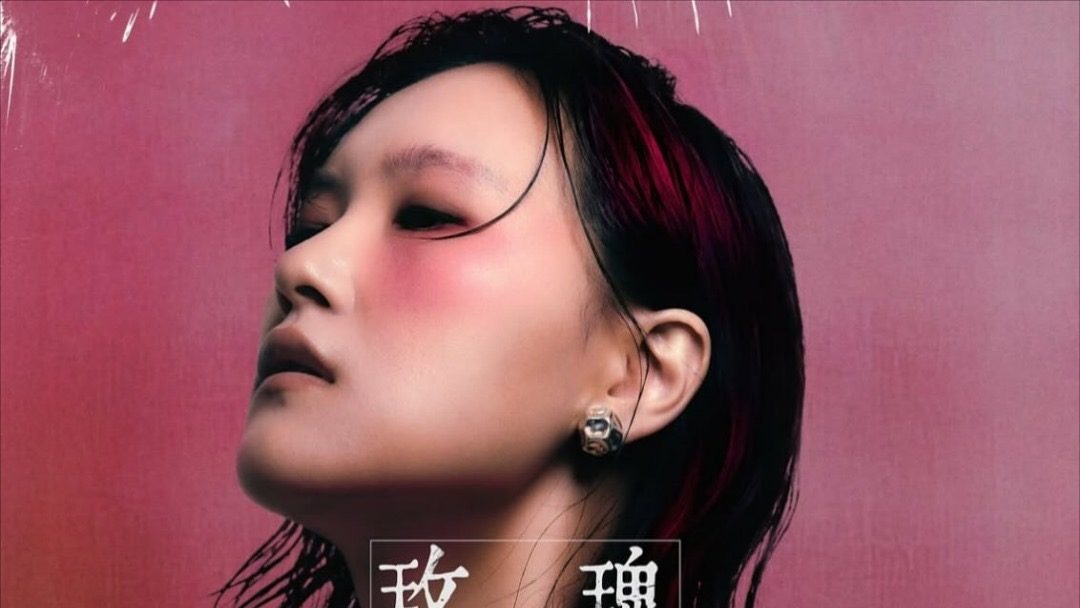
Adai Song, also known by her EDM persona ADÀI, stands as one of the most forward-thinking figures in today’s electropop and C-pop fusion landscape. Based between New York City and Beijing, she embodies a rare duality, blending cultural heritage with global sonic innovation. A Recording Academy member and New York Foundation for the Arts (NYFA)-funded artist, Adai’s artistry transcends language and geography. With a background that spans classical violin training, pop songwriting, and electronic production, she has evolved into a multifaceted musician, DJ, and educator, currently serving on the faculty at Berklee NYC. Her impact in the Chinese pop industry is immense, boasting over seventy million streams, chart-topping indie hits, and collaborations with major labels including SONY/ATV, UMG, Warner Chappell China, and Tencent Music Entertainment. From her early days writing songs at twelve and self-teaching multiple instruments to becoming runner-up in Tencent’s “The Force” Music Competition and appearing on Youku’s “Chuang,” Adai Song has built an artistic career grounded in boundary-pushing creativity, cross-cultural exchange, and emotional authenticity.
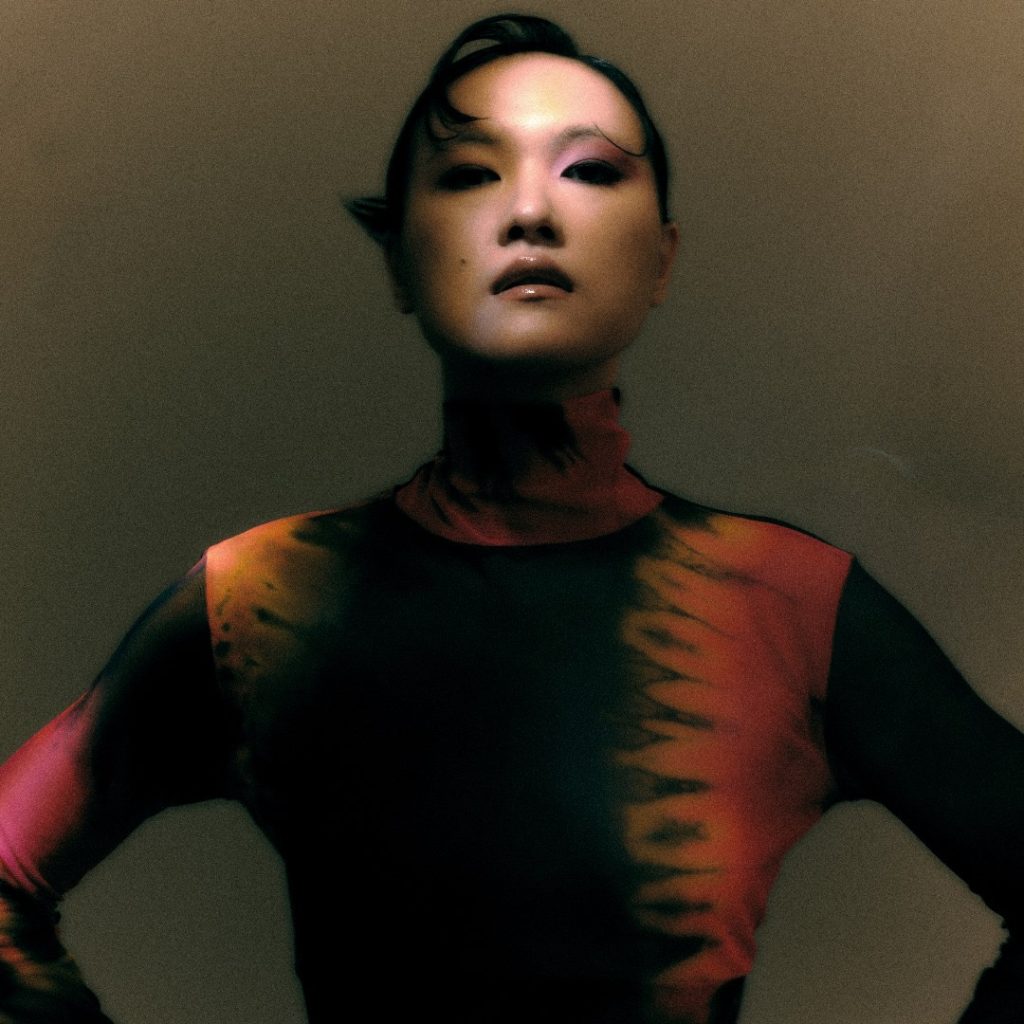
With the release of her highly anticipated album “The Bloom Project” on August 29th, 2025, Adai Song delivers a bold new chapter in her artistic evolution. The album, a Grammy Awards candidate for Best Global Music Album, stands as a feminist reinterpretation of Chinese shidaiqu, the early 20th-century fusion of Chinese folk and Western jazz that first flourished in 1920s Shanghai. Yet Adai does not merely recreate this historical sound; she redefines it for a new era. Through the album’s eight tracks, she merges shidaiqu’s nostalgic charm with electronic energy and contemporary feminist narratives, transforming it into a living dialogue between past and present. Her fusion of cultural storytelling and modern sound design elevates “The Bloom Project” beyond genre, transforming it into a statement on how music can preserve history while inspiring change.
“The Bloom Project” is a masterclass in sonic fusion. Adai blends EDM elements, traditional Chinese instruments, and bursts of rap to craft a world that feels at once ancient and futuristic. The album reimagines the soul of shidaiqu through layered soundscapes that shimmer with emotional depth and technical brilliance. Instruments like the erhu, guzheng, and pipa weave naturally into digital beats and synths, while her modern lyrical interpretations challenge historical gender norms, reclaiming narratives that once silenced women. In this reimagining, Adai channels the grace of old Shanghai’s performers while empowering today’s generation with a renewed sense of identity and defiance.
The Bloom Project Album Track List:
A Lost Singer:
Opening “The Bloom Project,” “A Lost Singer” ft. Yili Cow establishes the emotional and conceptual tone of the album with haunting intimacy and reflective grace. The track unfolds as a dialogue between memory and self-discovery, capturing the essence of a voice that has wandered through silence only to find strength in its return. The vocal performance sits at the center of this emotional landscape, shaped by Mandarin phrasing that carries both delicacy and quiet conviction. The use of soft vibrato and breathy delivery conveys vulnerability, while the gentle rise at the end of each phrase evokes an upward emotional reach. The production begins with minimal textures, featuring softly sustained piano chords and ethereal electronic pads that create a misty sonic veil. Behind this, the erhu and violin intertwine to form sorrowful yet graceful melodic lines, grounding the song in tradition while hinting at renewal.
As the song evolves, its arrangement expands to reveal a cinematic scope that mirrors the emotional ascent of its protagonist. Harmonic layers grow richer, the sonic space widens, and the instrumentation begins to bloom with orchestral and digital interplay. Subtle electronic percussion enters to lend rhythm and forward motion, while a warm electronic bass begins to pulse beneath the mix, anchoring the emotion in contemporary resonance. Sparkling synths shimmer across the stereo field, illuminating the traditional tones with a modern glow. This delicate interplay between heritage and innovation defines the track’s emotional core, encapsulating the essence of “The Bloom Project” itself. The soundscape feels wistful and nocturnal, but beneath the melancholy lies resilience, the sound of a voice not mourning its past but reclaiming its place within it.
Thematically, “A Lost Singer” reimagines the 1937 classic “Tianya Genu,” originally performed by Zhou Xuan, transforming its tale of longing into one of empowerment and authorship. Where the original spoke of a woman wandering the world in search of a kindred spirit, this version reshapes the narrative into one of creation and self-determination. The lyrics echo with the sentiment of not waiting for a soulmate but forging one’s own fate. The piano and bass offer a steady emotional foundation, while the erhu and violin intertwine to express solitude and strength. As the arrangement rises toward its climax, the melancholy dissolves into resolve, and the orchestral swell symbolizes rebirth rather than despair. In its closing moments, the track feels cinematic, introspective, and luminous, standing as a powerful overture to the entire album’s journey, a testament to the reclamation of voice, heritage, and agency.
Night Shanghai:
“Night Shanghai” transforms the soundscape of “The Bloom Project” into a luminous portrait of city life, shimmering with both allure and introspection. The track opens under the neon haze of metropolitan rhythm, immediately drawing the listener into an atmosphere of motion, elegance, and quiet detachment. The vocal delivery flows with poise and restraint, sung in Mandarin with a smoothness that evokes the glamour of Shanghai’s golden era cabarets. Each elongated syllable glides across the mix like silk, creating a vivid sense of velvet lounges and smoke filled stages. The production pulses with electronic vitality, driven by a steady four on the floor beat, crisp hi hats, and a resonant bassline that dances beneath glowing synth textures. Subtle guzheng plucks echo through the stereo field, weaving traditional Chinese ornamentation into the modern cadence of EDM. The result is a sonic intersection where nostalgia meets futurism and heritage waltzes with the heartbeat of contemporary nightlife.
The instrumental arrangement captures the spirit of a city in perpetual motion while maintaining a sense of emotional distance. The layering of percussive clicks, warm pads, and shimmering synths creates a spacious yet tactile texture, like light reflecting on wet pavement. The vocal mix remains close and dry, giving the illusion of a whisper in a crowded room, intimate yet unreachable. Harmonically, the song cycles through progressions that evoke fascination intertwined with loneliness, perfectly mirroring the dual nature of nightlife, collective energy against private isolation. Subtle sidechain compression gives the rhythm a pulsing breath, a heartbeat that mirrors the physicality of the dancefloor while hinting at something more fragile beneath. Every detail in the production feels intentional, balancing rhythm and restraint, movement and melancholy, in a way that makes “Night Shanghai” both immersive and emotionally piercing.
Thematically, “Night Shanghai” revisits the 1947 classic of the same name, a song that once captured the bittersweet paradox of postwar Shanghai’s glittering façade. Adai Song’s reinterpretation bridges that emotional lineage to modern times, reflecting how young people in today’s urban landscapes still chase light amid uncertainty. Using EDM house rhythms and shimmering synth textures, the track pairs guzheng melodies with electronic beats, turning nostalgia into motion and longing into liberation. It meditates on how glamour conceals introspection, suggesting that beneath the city’s sparkle lies a quiet ache shared across generations. As part of “The Bloom Project,” the track embodies Adai Song’s mission to merge eras and emotions, proving that the pulse of history can still dance through modern sound. In its final moments, as the rhythm fades into soft echoes, “Night Shanghai” leaves behind the impression of perfume in the midnight air, a reminder that even under neon light, fate still turns.
Make Way:
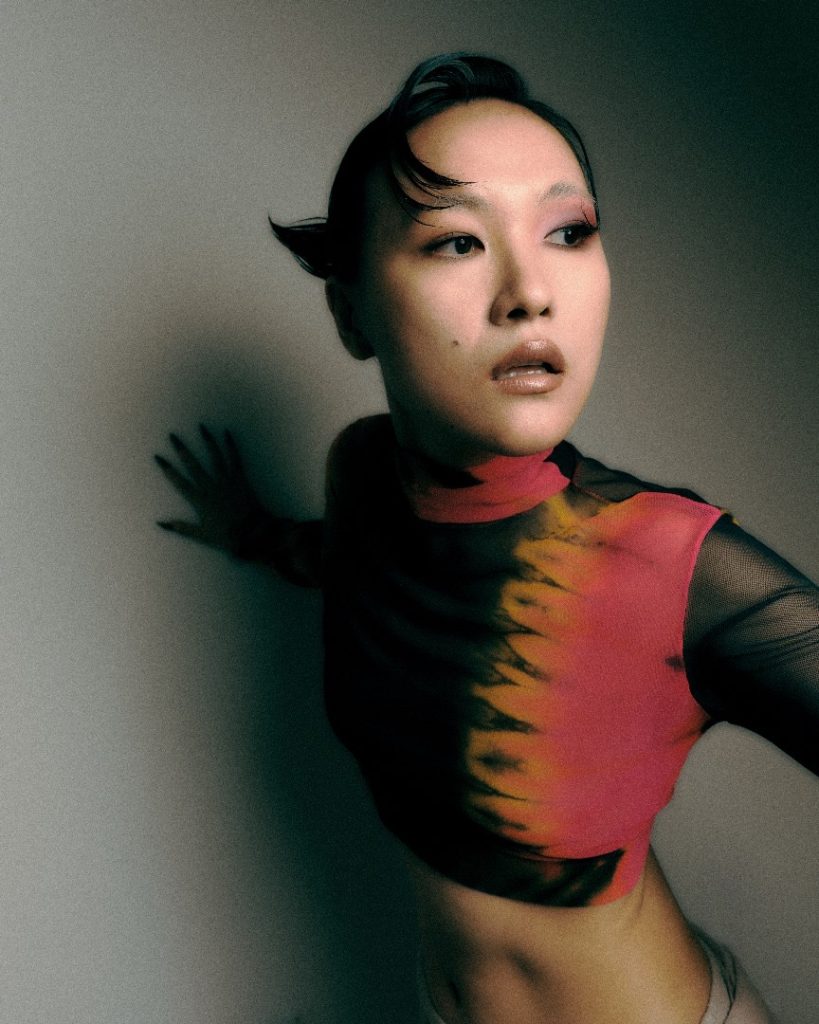
“Make Way” ignites a pivotal moment within “The Bloom Project,” transforming the album’s reflective tone into one of unapologetic assertion and triumph. The track immediately commands attention with its bold fusion of cultural and sonic elements, signaling a shift from introspection to empowerment. The vocal performance radiates confidence, balancing Mandarin verses with piercing English phrases that cut through the mix like declarations of intent. Brief rap passages emerge midway, delivered with rhythmic precision and lyrical fire, solidifying the song’s defiance and cultural pride. The production pulses with kinetic energy, built on hammering kick drums, crisp snares, and buzzing synth basslines that anchor the composition firmly within an electronic club framework. Traditional instruments such as the pipa and guzheng provide melodic counterpoints, their bright plucks gleaming against the dark, relentless rhythm. The result is a collision of old and new worlds, orchestrated with the clarity and conviction that define Adai Song’s artistic vision.
The track’s dynamism is its true force, as every element feels choreographed for both theatrical impact and rhythmic cohesion. Gongs, wood clappers, and traditional percussion announce transitions like ceremonial fanfares, creating a sense of motion that feels cinematic in scale. Western strings sweep across the mix during climactic sections, magnifying the grandeur while preserving the propulsive tension of EDM. The rap verses showcase dexterity in delivery, employing quick syllabic bursts and sharp intonation that contrast beautifully with the smoother sung refrains. English phrases interject as rhythmic punctuation, broadening the song’s linguistic reach and underscoring its message of universality. The electronic production surges with energy through sidechain compression and sweeping filters that lead into pipa driven drops, merging ancient sonorities with modern euphoria. Each passage feels deliberate and architected, as though every sound is another step forward in reclaiming space, power, and narrative.
Thematically, “Make Way” reimagines the 1940 shidaiqu classic “Rose, Rose, I Love You,” once a symbol of passive beauty, into an anthem of self-determination and voice. Where the rose once waited to be admired, it now speaks for itself, proclaiming through Adai’s lyricism, “My thorns aren’t decoration, they hold up my pride” and “I want to grow wild in the wind, not sit in a vase.” This transformation encapsulates the spirit of “The Bloom Project,” in which tradition is not abandoned but reborn through agency and authorship. The fusion of house rhythms, pipa, gongs, Japanese koto, shamisen, Western strings, and modern synths constructs a multicultural sonic universe that bridges centuries and continents. “Make Way” stands as both a manifesto and a celebration, declaring that cultural heritage and feminine strength are not relics of the past but engines of creation. Within the arc of the album, it marks the moment when the bloom fully opens, radiant, fearless, and uncontained.
Carmen 2025:
“Carmen 2025” stands as one of the most daring sonic experiments within “The Bloom Project,” transforming the classical foundations of Bizet’s 19th century opera into a vibrant, electronic reinterpretation that challenges both musical and cultural hierarchies. The track opens with motifs borrowed from Bizet’s original score, but they are immediately reframed through a futuristic sound design that intertwines guzheng, temple blocks, wood clappers, and subtle gongs. This orchestration bridges centuries of musical lineage, creating a space where tradition and innovation coexist in thrilling tension. The vocal performance is commanding and theatrical, channeling operatic poise while remaining distinctly modern in phrasing and tonal delivery. Each phrase in Mandarin feels deliberate and weighty, drawing from the grand gestures of opera without ever feeling imitative. Instead, it becomes an act of reinterpretation, a declaration that classical heritage can evolve when filtered through new languages and technologies.
The production design of “Carmen 2025” thrives on contrast and surprise. Its drops are engineered to shift the listener’s focus abruptly, placing the guzheng at the forefront where its sharp plucks slice through the dense electronic fabric with startling precision. These moments defy convention, reimagining traditional instrumentation as a vehicle for dancefloor catharsis rather than cultural ornamentation. The basslines pulse with digital weight, locking into syncopated rhythms that build intensity before releasing into bursts of melodic freedom. The harmonic architecture borrows the tension and release of Bizet’s cycles but reshapes them with EDM synth stabs, gated reverb, and percussive accents that feel both ritualistic and futuristic. Through this sonic alchemy, Adai Song constructs a musical environment where the past is not merely sampled but reanimated. Each element, whether acoustic or synthetic, contributes to a balanced yet dynamic composition that thrives on its refusal to settle into any single tradition.
At its thematic core, “Carmen 2025” reclaims the legendary figure of Carmen from the fatalism of her 19th century narrative, transforming her into a symbol of autonomy and defiant reinvention. The original tale’s tragedy dissolves into empowerment as Adai Song’s interpretation replaces submission with self authorship. The guzheng solos become metaphors for a woman’s struggle against inherited constraints, while the merging of traditional Chinese percussion and electronic production mirrors the act of cultural rewriting. The track’s atmosphere feels like a futuristic opera illuminated by neon light, its drama unfolding in rhythms instead of arias. Through this reimagining, “Carmen 2025” crystallizes the essence of “The Bloom Project,” proving that legacy need not be static and that tradition is most powerful when it is challenged. The result is a sonic revolution where the avant garde refuses to age, showing that reinvention is the most faithful form of homage.
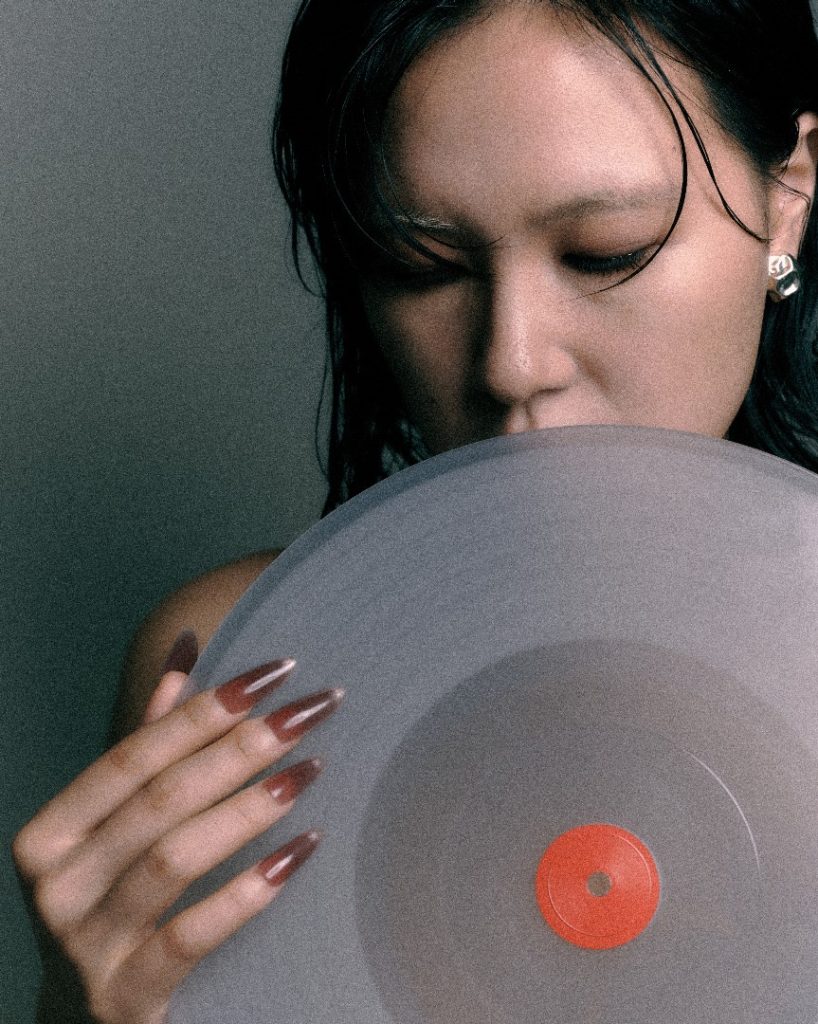
Produced, mixed, and mastered by an international team of Berklee alumni, “The Bloom Project” carries a level of craftsmanship rarely found in pop or electronic music. Grammy-winning producer Zach Cooper, Grammy-nominated producer Ian Kimmel, and Berklee Faculty Member Rachel Alina all contribute their expertise, ensuring the album’s sound remains both expansive and intimate. The collaboration extends across the United States, Asia, Europe, and South America, emphasizing the universality of Adai’s message. Every track feels intentionally crafted, balancing storytelling with sonic architecture. The production’s precision mirrors the album’s conceptual clarity, demonstrating how traditional Asian music can be reborn within the context of global pop culture without losing its essence.
The Bloom Project Blossoms Where East Meets West, Turning History Into Rhythm And Identity Into Power, As Adai Song Reimagines Cultural Memory Through Fearless Electronic Artistry And Feminist Vision
Ultimately, “The Bloom Project” positions Adai Song as a cultural bridge-builder, redefining what it means to be an Asian-American artist in today’s interconnected world. Beyond its sophisticated production and bold reinterpretations, the album stands as an emblem of creative and cultural liberation. It embodies the courage to merge histories, challenge narratives, and bloom beyond boundaries. Through this project, Adai Song not only reawakens shidaiqu but transforms it into a living symbol of empowerment, proving that the roots of tradition can thrive most vibrantly when they blossom anew in the light of modern expression.
For more information about Adai Song, click on the icons below.