
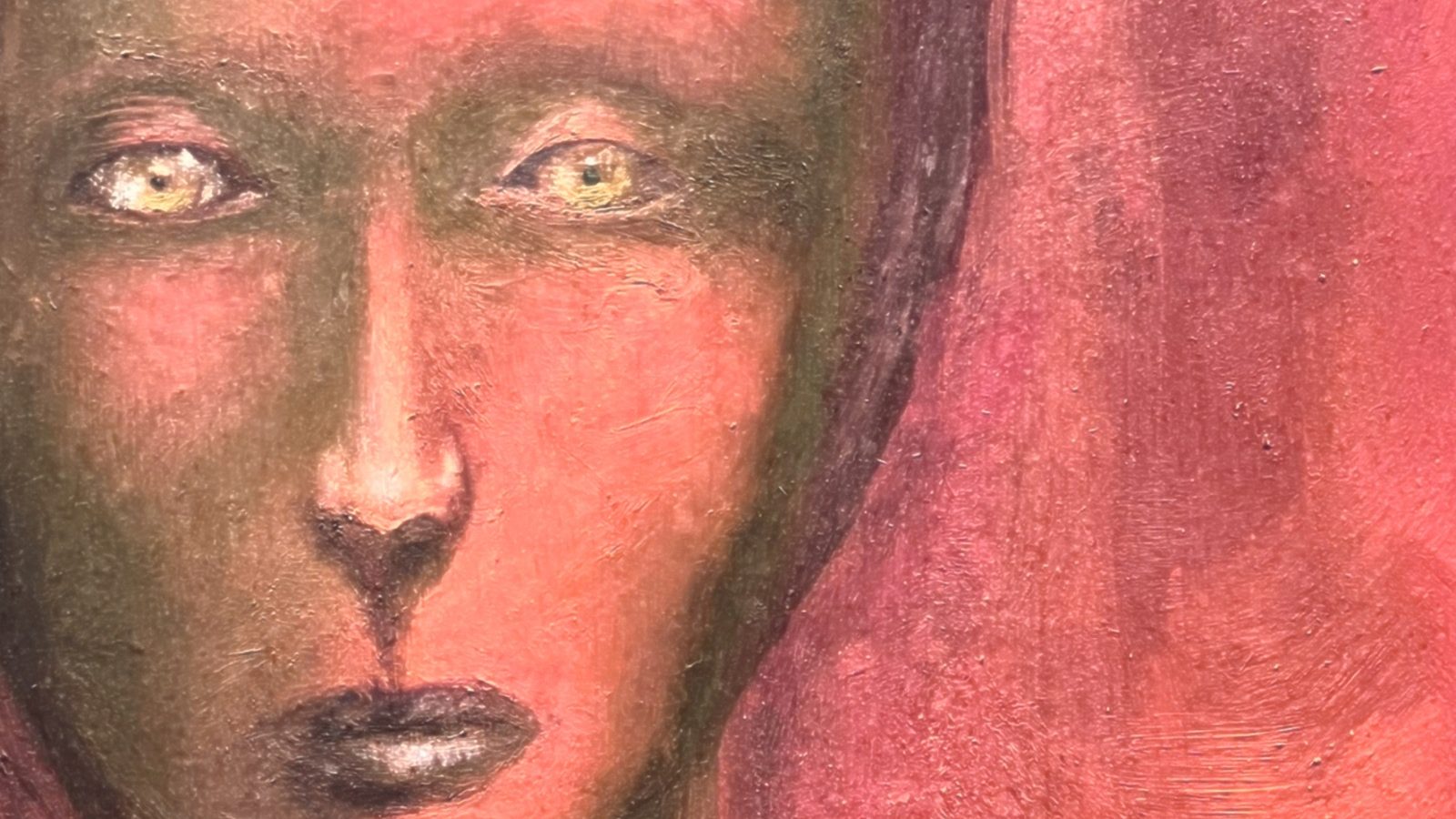
Audren is a deeply intuitive multidisciplinary artist whose creative life has always been guided by a desire to heal, uplift, and awaken thought through art. Based between London and France, she has built a singular musical identity that resists standardization, commercial formulas, and ideological constraints, choosing instead imagination, emotional truth, and artistic freedom. Early in her career, her work caught the attention of David Guetta, who famously remarked that she was making music for musicians, a statement Audren embraced as validation of her refined and personal musical language. Over the years, she developed a soulful blend of indie pop, jazz, and neo soul, collaborating with world class musicians whose resumes span legends such as Ray Charles, Diana Ross, George Benson, and Al Jarreau. Her journey has not been linear, as illness forced her away from music at the height of her momentum, yet this interruption led her toward becoming a bestselling author in France. With resilience, determination, and the support of her musical family, Audren eventually found her way back to music, carrying with her deeper wisdom, vulnerability, and purpose.

“We’re All Lost” by Audren is a deeply introspective and emotionally resonant original single released on 11th December, 2025, emerging as a defining statement in her resilient return to music. The song immediately establishes a sense of intimacy and reflection, inviting the listener into a quiet emotional space shaped by honesty and vulnerability. Rooted in Audren’s lifelong mission to heal and uplift through art, the track reflects her refusal to accept dullness, standardization, or imposed expectations. Every element feels intentional, serving a higher purpose of connection rather than performance. The atmosphere is gentle yet purposeful, allowing the listener to slow down and absorb the emotional weight carried within the composition. From the opening moments, the song communicates that it is not chasing trends but truth. This sense of authenticity is central to Audren’s artistic identity and is fully realized here. The track feels lived in rather than constructed. It breathes naturally, setting the tone for a journey inward. There is an immediate emotional trust formed between artist and listener. This foundation allows the song’s deeper themes to unfold with sincerity and impact.
The song opens with a delicate piano motif that anchors the entire composition in reflection and restraint. The tempo remains patient, giving each note the space it needs to resonate emotionally rather than rushing toward resolution. This sparseness is not emptiness but intention, as it mirrors the emotional stillness that often accompanies moments of confusion and self questioning. The piano acts as both guide and companion, leading the listener gently forward. As the song progresses, this motif remains present, reinforcing continuity and emotional grounding. The choice to begin in such a minimal way highlights Audren’s confidence in subtlety. There is no attempt to overwhelm the listener, only an invitation to listen closely. The atmosphere created here feels safe and contemplative. It prepares the emotional ground for the confession that follows. This introduction establishes the song as a space for honesty rather than escape. It is a beginning that prioritizes feeling over spectacle.
Audren’s vocal performance is central to the emotional power of “We’re All Lost“, delivered with warmth, restraint, and profound sincerity. Her voice carries the weight of memory, experience, and resilience without becoming heavy or dramatic. She sings with a conversational intimacy that makes each lyric feel personal and shared at the same time. There is a softness in her delivery that draws the listener closer, encouraging empathy rather than admiration. Her phrasing flows naturally, allowing emotions to rise and fall without force. Subtle shifts in dynamics reflect the emotional journey of the song, moving between uncertainty and reassurance. The performance avoids embellishment, choosing honesty over virtuosity. This restraint enhances the credibility of the message. The listener feels spoken to rather than performed for. Her voice becomes a vessel for collective emotion. It carries both fragility and quiet determination with grace.
Harmonically, the song relies on piano led chord progressions that favor emotional clarity and introspection. The chords gently hover between tension and release, reflecting the experience of feeling lost while still searching for meaning. There is a sense of suspension within the harmony, as if answers are intentionally delayed. This musical uncertainty mirrors the lyrical themes with subtle precision. As the arrangement develops, warmth slowly enters the harmonic landscape without fully resolving the underlying questions. This balance keeps the song emotionally honest. The harmony never becomes overly bright or conclusive. Instead, it suggests acceptance rather than certainty. Each progression feels carefully chosen to support the emotional narrative. The music does not dictate how the listener should feel. It simply creates space for reflection. This harmonic approach reinforces the song’s contemplative nature. It allows ambiguity to exist without discomfort.
The instrumentation expands gradually, introducing guitar, drums, choir, and a fretless bass that enriches the emotional texture of the song. The guitar maintains a clean and atmospheric presence, engaging in a gentle dialogue with the piano. Together, they feel like two wise and comforting voices offering guidance. The fretless bass adds warmth and poetry, its fluid movement grounding the song emotionally. The drums remain airy yet steady, providing structure without disrupting the peaceful flow. Each instrument knows its place, never competing for attention. This careful balance preserves the song’s intimacy even as the arrangement grows. The gradual build feels organic rather than engineered. It mirrors the emotional progression from isolation toward connection. The presence of the choir later in the song adds a communal dimension. It reinforces the idea that feeling lost is a shared human experience.
Lyrically, “We’re All Lost” addresses the profound changes and pressures shaping modern life, acknowledging fear, confusion, and loss of presence. Audren speaks openly about a world where people feel controlled, overwhelmed, and disconnected from what truly matters. The lyrics do not accuse or preach but observe with compassion. There is an honesty in admitting that goals once pursued no longer hold meaning. The song recognizes the social pressure to pretend everything is fine even when it is not. This recognition creates a powerful sense of solidarity. Rather than offering quick solutions, the lyrics encourage self awareness and gentleness. Love emerges as the foundation of a fulfilling life, extending to people, all sentient beings, and nature. The words invite listeners to pause and reassess what makes them feel safe. This message is delivered with humility rather than certainty. It feels lived and deeply felt.
Improvisation plays a crucial role in shaping the emotional arc of the song, reflecting Audren and Chris Rime’s emphasis on freedom within structure. This approach allows the musicians to share their expressive space with the listener. The improvisational elements feel organic, reinforcing trust and openness. As the song builds, the interaction between the band members becomes more conversational. This musical dialogue leads naturally toward the outro. The freedom within the performance mirrors the thematic call for emotional honesty and presence. Nothing feels rigid or over controlled. The musicians are allowed to breathe and respond to one another. This openness creates a sense of reassurance. It invites the listener to let go alongside the music. The improvisation is not showy but purposeful. It serves the emotional resolution of the song. It becomes a shared journey rather than a display.
We’re All Lost Is A Tender And Courageous Meditation On Modern Confusion, Shared Vulnerability, And Love As Refuge, Guiding Listeners Gently Toward Acceptance, Safety, Resilience, And Human Connection Through Soulful Intimacy
The outro of “We’re All Lost” stands as a moment of release and quiet resolution, offering reassurance rather than answers. The jazz infused conversation between choir and band feels like a collective exhale. It represents the road of love that Audren speaks of, where even small steps can carry great meaning. This ending feels hopeful without denying the confusion that came before it. The sound work is meticulously arranged to support the emotional weight of the performances. Every element contributes to a sense of safety and kindness. The song closes not with certainty but with courage. It leaves the listener feeling accompanied rather than alone. As a whole, the track embodies Audren’s artistic philosophy of healing through honesty and beauty. “We’re All Lost” transforms vulnerability into connection. It stands as a beacon of gentleness in uncertain times. The song lingers long after it ends, inviting reflection and compassion.
For more information about Audren, click on the icons below.