
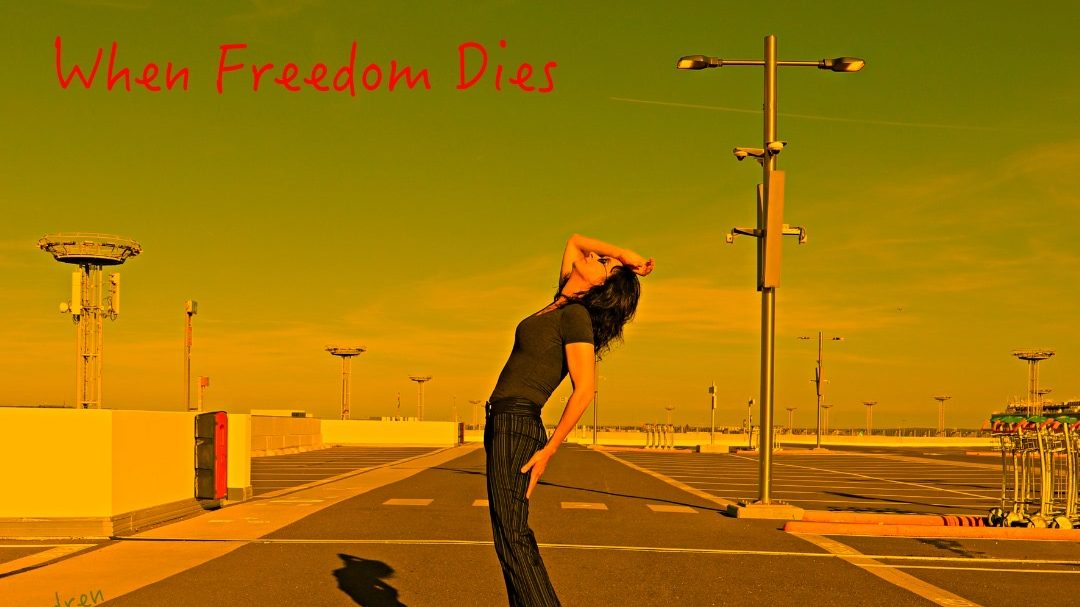
Audren is a profoundly intuitive multidisciplinary artist whose work exists at the intersection of music, literature, and emotional healing. Hailing from London, England, she is widely recognized as a creative force devoted to uplifting and inspiring others through her artistry. Known as a “good witch” in artistic circles, Audren rejects the constraints of commercial imperatives, standardization, and ideological pressures that stifle imagination. Her music is characterized by soulful, intimate arrangements that blend Indie Pop, Jazz, and Neo-Soul, brought to life by world-class musicians including Georges Seba, Christian Martinez, Roger Biwandu, Mike Rajamahendra, Chris Rime, and Federico Malaman. Audren’s artistic journey has been shaped by both triumph and adversity. Early in her career, her unique musical signature drew the attention of David Guetta, who recognized the exceptional quality of her work. She gained further recognition when a video game character was modeled after her, and her song “The Darkstone Will Shine” resonated worldwide. After a challenging battle with Lyme disease, Audren temporarily stepped away from music, turning instead to writing, eventually becoming a bestselling author in France. Today, she has returned to music with renewed vigor, creating intimate and intricate works alongside her family, including her husband Chris Rime and daughters Sydney and Jemily Rime, all of whom contribute to her upcoming album, Think Freedom.

Audren’s single “When Freedom Dies,” released on 29th October 2025, stands as a vivid testament to her mastery of blending musical sophistication with socially conscious lyricism. From the very first note, the listener is transported into an immersive sonic landscape that is both hypnotic and emotionally charged. The introduction sets a cinematic tone with ambient pads, soft piano lines, and delicate guitar textures. These elements combine to create a serene yet tension-filled atmosphere, evoking a secluded forest retreat where one can reflect on the pressures of modern society. The soundscape establishes a thematic foundation of introspection, personal freedom, and caution against societal conformity, immediately signaling that this song is not merely entertainment but an invitation to thoughtful engagement with its messages. The meticulous attention to texture and tonal layering reflects Audren’s long-standing commitment to crafting music that rewards repeated listening and close attention.
Vocally, Audren delivers an extraordinary performance that embodies both strength and vulnerability. Her voice navigates the complex emotional terrain of the song with precision, providing a balance between urgency and reassurance. The phrasing is nuanced, carrying subtle inflections that suggest lived experience and deep reflection. This vocal control allows her to communicate a personal narrative while simultaneously addressing a collective audience. The song’s hypnotic quality is amplified by the careful layering of subtle backing vocals, which act as an echo of the listener’s inner thoughts, reinforcing the song’s core message about trusting one’s own instincts. Critics have noted that Audren’s vocals convey a rare intimacy that feels both confident and inviting, which underscores the dual nature of the track as both a personal reflection and a public statement about freedom and autonomy.
Harmonically, “When Freedom Dies” exhibits a sophisticated interplay between minor-inflected verses and broader, uplifting choruses. This dynamic creates a sense of tension and release that mirrors the song’s thematic concerns, symbolizing the struggle against misinformation and the eventual clarity that comes from independent thought. The verses carry a somber weight, underscoring the dangers of blind conformity and societal manipulation. In contrast, the choruses open into expansive melodic spaces, emphasizing the exhilaration and relief that comes from embracing one’s own wisdom and agency. The interplay between these harmonic spaces enhances the narrative arc of the song, guiding listeners through a journey that is as intellectually stimulating as it is emotionally resonant.
The instrumental arrangement of the track is equally compelling. The melodic basslines provide a foundation of both stability and subtle complexity, while the drums maintain a rhythmic presence that is steady yet nuanced. The interplay of piano and guitar lines contributes harmonic depth and melodic intrigue without overwhelming the vocal center. Ambient pads enhance the cinematic quality of the song, creating an almost ethereal layer that contrasts with the grounded nature of the rhythm section. Every instrumental choice feels intentional, designed to draw the listener deeper into the song’s meditative yet urgent atmosphere. The arrangement demonstrates Audren’s skill in balancing restraint with richness, resulting in a track that is both sonically engaging and thematically coherent.
Production-wise, “When Freedom Dies” is an exemplar of clarity and warmth. The mix allows each instrument to occupy its own space, ensuring that no element overshadows the intricate interplay between vocals, rhythm, and melodic instrumentation. The track avoids the pitfalls of overproduction, instead favoring a naturalistic sound that emphasizes intimacy and emotional immediacy. This approach aligns perfectly with Audren’s artistic vision, giving the listener the impression of being in close proximity to the music, as if experiencing it in a private, contemplative setting. Reviewers have praised this production choice, highlighting the way it preserves both the grandeur and intimacy of the song without sacrificing sonic sophistication.
Lyrically, the song is a potent reflection on autonomy, truth, and resistance to societal pressures. Drawing from Audren’s personal experience with illness and the challenges of navigating misinformation, the lyrics are a cautionary yet empowering call to trust one’s own judgment. The bridge, in particular, conveys a palpable sense of frustration and urgency with the line, “Tell me where is freedom,” encapsulating the modern struggle against pervasive surveillance and the erosion of free speech. Despite these intense themes, Audren’s delivery remains soothing, offering reassurance and guidance to the listener. The song functions as both a protest anthem and a healing mantra, blending assertive social commentary with nurturing musicality.
The song’s emotional architecture is heightened by its dynamic range and careful pacing. The initial hypnotic serenity gives way to moments of intensity, particularly in the bridge where the vocals surge with urgency. These shifts mirror the broader thematic concerns of vigilance, awareness, and the assertion of personal agency in a complex world. Audren’s ability to maintain listener engagement through subtle variations in rhythm, melody, and vocal timbre speaks to her mastery as both a performer and a songwriter. The track manages to be intellectually provocative, emotionally resonant, and aesthetically beautiful simultaneously, a feat that few contemporary songs achieve with such precision.
When Freedom Dies is a Hypnotic, Emotionally Resonant Anthem Blending Introspective Melodies And Protest-driven Lyrics, Inspiring Listeners To Resist Conformity, Trust Their Instincts, And Reclaim Personal Freedom In A Complex World
Ultimately, “When Freedom Dies” is a triumph in Audren’s discography. It exemplifies her unique ability to intertwine musical sophistication with lyrical insight, creating a song that is both deeply personal and universally relevant. The track’s hypnotic introduction, nuanced vocal performance, intricate harmonies, and thoughtful production coalesce to form a work that is as contemplative as it is compelling. As the third excerpt from her upcoming album Think Freedom, the song not only reinforces the album’s overarching themes of authenticity and liberation but also establishes Audren as a visionary artist capable of creating music that challenges, comforts, and inspires. “When Freedom Dies” is a reminder of the power of art to illuminate the path toward personal and collective freedom, urging listeners to trust their inner wisdom while engaging critically with the world around them.
For more information about Audren, click on the icons below.