

From the heart of Cleveland, United States, emerges a musician who builds worlds not in studios lined with platinum plaques, but in the quiet intimacy of home. Brian Teubl is not new to music, he is seasoned, thoughtful, and deeply personal in his approach. His journey is one of patience, of craft honed over years, culminating in a voice that speaks softly but carries weight. Teubl’s artistry is rooted in the music he grew up with, shaped by the sounds of the 1990s and deeply influenced by the Seattle scene that defined a generation. But rather than replicate that era, he reinterprets it, blending its introspective energy with his own reflective, singer-songwriter sensibilities. The result is music that feels both familiar and fresh, emotionally grounded yet unafraid to explore sonic textures beyond traditional folk or rock boundaries.
His work is also a deeply human endeavor, one that pulls family and community into the creative fold. For his second full-length LP, Brian Teubl didn’t just write, record, and produce every track himself, he invited pieces of his own life into the music. His son Austin, his uncle Tom, and a duet with local singer R. Zhee all appear across the record, their presence more than just musical contributions; they are threads of memory, connections that deepen the personal resonance of each song. With every note, Brian Teubl proves that music’s greatest power lies not in grandeur, but in honesty, in the willingness to turn one’s life into sound and invite others to find themselves in it.
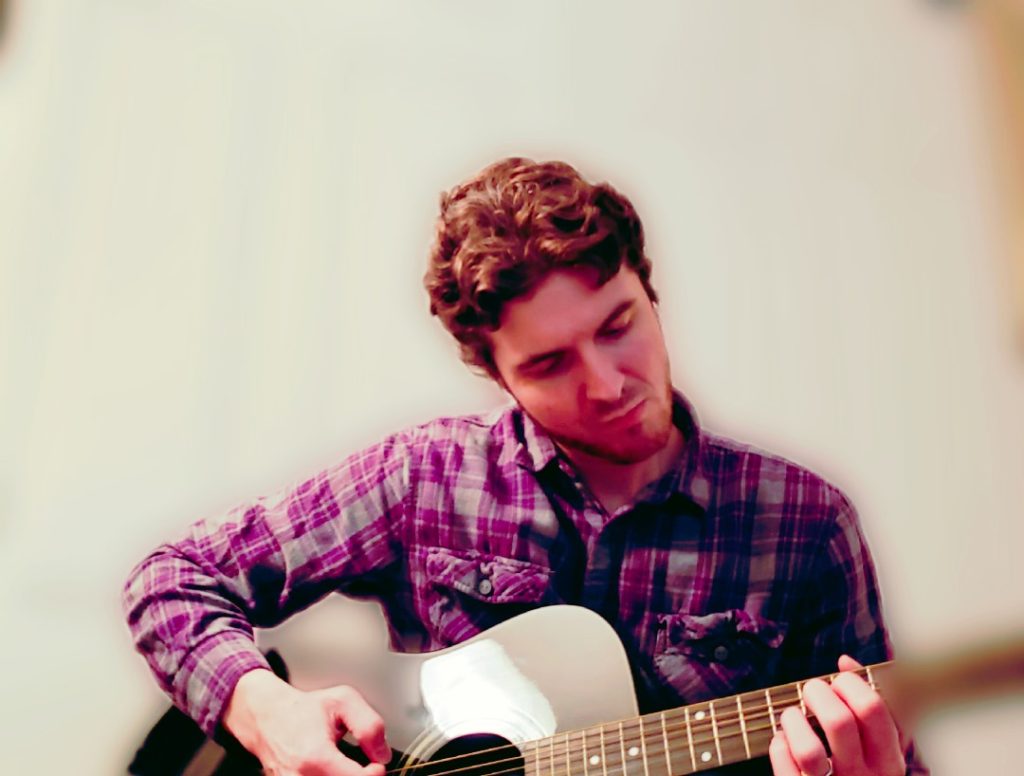
Released on September 5th, 2025, “Chagrin” is a living journal of emotion, memory, and quiet revelation. Born in the Bat-Cave, Brian Teubl’s home studio in Northfield, Ohio, this second LP is both intimate and expansive, carrying the heart of a singer-songwriter and the soul of a storyteller. Influenced by the music of the ’90s yet unbound by nostalgia, “Chagrin” explores themes of nostalgia, isolation, nature, and love with an almost cinematic grace. Every track is carefully built yet emotionally raw, performed not with perfection as the goal, but truth. Acoustic guitars breathe, bass lines hum like quiet undercurrents, harmonies bloom and vanish like passing thoughts, all tied together by Teubl’s steady, human voice at the center. It’s an album that asks not for noise, but for stillness; not for fleeting attention, but for presence. “Chagrin” is a quiet triumph, a record born not from industry machinery but from one man’s devotion to the craft, his life, and the stories worth telling. It is proof that even in a world saturated with sound, there remains a rare kind of music that whispers and, in doing so, speaks louder than the rest.
Chagrin Album Track List:
I Hate To See You That Way:
“I Hate To See You That Way,” the opening track of Brian Teubl’s “Chagrin”, immediately establishes itself as a song rooted in raw vulnerability, tender sincerity, and a delicate balance between melancholy and hope. From the very first notes, the song draws listeners into an intimate space where hushed acoustic strumming creates a warm yet fragile foundation. The acoustic guitar, recorded with a soft, earthy resonance, feels almost like an extension of Teubl’s voice, its gentleness carrying an understated emotional weight. Lyrically, the song is centered on empathy, the difficulty of watching someone you care for struggle, and the quiet helplessness that comes with not being able to erase their pain. Teubl’s delivery of the words is filled with subtle inflections and a restrained fragility, showing a willingness to stay close to the vulnerability of the message rather than mask it with overproduction or theatrical flourishes. The track’s pacing is unhurried, letting the emotions breathe, giving each line and each chord the space to linger with the listener.
As the song develops, layers of sonic texture begin to emerge. Though it retains its singer-songwriter core, Teubl adds gentle washes of atmospheric sound and delicate harmonic undertones that swell around the acoustic base. These elements are never intrusive but instead act like a quiet tide beneath his voice, enhancing the mood rather than overwhelming it. The contrast between light acoustic fragility and subtle, almost dreamlike ambience captures one of the core themes of Chagrin as an album, balancing intimacy with expansiveness, personal vulnerability with larger emotional landscapes. The recording feels deliberately organic, with minor nuances in Teubl’s vocal delivery giving the impression of a performance unfolding in real time, directly in front of you. The production choices highlight clarity and closeness, avoiding unnecessary polish to preserve the track’s natural essence. Every element, from the softness of the acoustic guitar’s pluck to the faint resonances in the background, feels carefully chosen to frame the emotion at the heart of the piece.
What makes “I Hate To See You That Way” so compelling is not just its heartfelt writing but its ability to connect with listeners on a deeply personal level. It’s the kind of song that resonates universally because it captures a common human experience, the pain of seeing someone you love in distress, coupled with the longing to help and the frustration of knowing you can’t fix everything. Teubl doesn’t present himself as a savior in the lyrics; instead, he stands alongside the subject, offering compassion and shared sorrow. This humility in perspective amplifies the emotional power of the track. By the time the final chords fade, the song leaves behind a lingering tenderness, a reminder of the beauty that exists in empathy and the quiet strength in simply being present for another person. As an opener to “Chagrin”, it not only sets the thematic tone for the album but also serves as a heartfelt invitation, drawing listeners into Teubl’s introspective world with sincerity and grace.
Ghost Me – Ghost Mix:
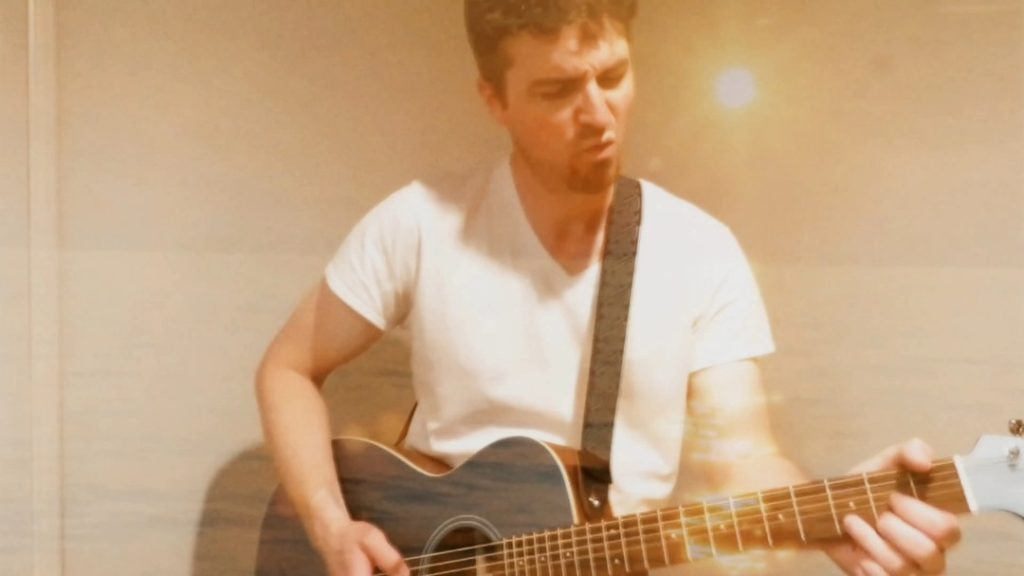
“Ghost Me – Ghost Mix” from Brian Teubl’s “Chagrin” takes a bold step into a more experimental and texturally rich soundscape, showing another side of his artistry that leans toward atmosphere, mood, and sonic layering. Where some tracks on the album rest on a delicate acoustic framework, this piece thrives in its darker hues, opening with an airy and almost spectral ambience that sets the tone immediately. The production is immersive, surrounding the listener with reverb-soaked guitars, echoing tones, and haunting vocal deliveries that feel intentionally distant yet emotionally charged. Teubl’s voice, though carried with restraint, cuts through the ethereal instrumentation like a guiding light, embodying the song’s themes of absence, disconnection, and emotional fading. The “Ghost Mix” title isn’t just a stylistic note, it’s a conceptual one, as every sonic choice feels designed to capture the feeling of being slowly erased or overlooked, echoing the experience of being “ghosted” in modern relationships but framed with a broader, human emotional weight.
As the track unfolds, subtle rhythmic pulses emerge beneath the atmospheric veil, giving the piece a slow but steady momentum. The guitars alternate between shimmering waves of distortion and softened melodic plucks, weaving a dynamic push-and-pull that mirrors the emotional complexity of the lyrics. Teubl balances intensity and restraint beautifully here, the choruses swell into moments of greater depth, with layered harmonies and atmospheric effects adding a sense of emotional urgency, before receding back into quiet reflection during the verses. This ebb and flow makes the track feel alive, constantly shifting like memories that come and go in fragments. The sonic palette carries a dreamlike quality, but one tinged with unease, as if the song itself hovers in the liminal space between presence and absence. Every echo, every trailing note seems intentional, drawing the listener deeper into the sensation of distance and loss that lies at the core of the track’s identity.
What ultimately makes “Ghost Me – Ghost Mix” stand out is how it fuses emotional storytelling with production that feels almost cinematic in scope. Rather than leaning solely on lyrics to communicate its themes, the song uses sound design as a narrative device, the hollow reverbs, the fading echoes, and the spectral layering all reinforce the sense of fading connection and unresolved emotion. It’s not just a song to listen to; it’s an environment to be immersed in, one that lingers even after the final note disappears into silence. This track demonstrates Teubl’s ability to take personal experiences and elevate them into something universal, creating music that feels deeply human yet otherworldly in presentation. Within the context of Chagrin, “Ghost Me – Ghost Mix” serves as a haunting centerpiece, offering both emotional depth and artistic experimentation. It is one of those songs that stays with you, not because it demands attention with loudness or excess, but because it burrows quietly into your memory, echoing long after it ends.
Seasons (Of Life):
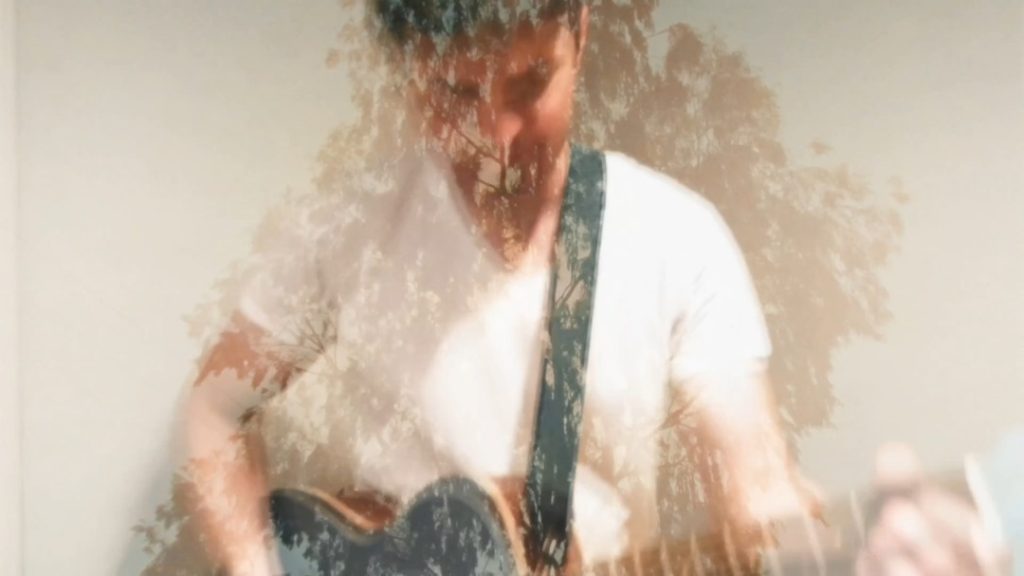
“Seasons (Of Life)” from Brian Teubl’s “Chagrin” is a song that unfolds like a reflective meditation on time, change, and the cycles of human experience. From the very beginning, it greets listeners with a delicate arrangement that feels both grounding and expansive, gentle guitar lines forming the spine of the song while subtle layers of ambient tones stretch across the background like a vast horizon. Teubl’s vocals enter with a soft yet deliberate delivery, having an echo that feels and sounds celestial, intimate enough to draw the listener in while carrying the weight of the song’s reflective themes. Lyrically, the track explores how life, much like nature, moves through phases of growth, decay, renewal, and transition. The imagery of seasons becomes a metaphor for resilience and acceptance, reminding us that no stage of life, whether joy or hardship, remains static. Teubl frames this reflection not with a heavy hand but with tender honesty, allowing his words to breathe and resonate deeply.
As the song progresses, its sonic textures bloom gradually, layering acoustic warmth with more expansive instrumentation. Subtle percussive elements enter, giving the track a heartbeat-like rhythm that underscores the inevitability of change and movement. The dynamics rise and fall gracefully, reflecting the ebb and flow of life itself. What makes the arrangement particularly effective is its ability to feel organic, every chord change and instrumental swell feels natural, as though it mirrors the passing of seasons in real time. The harmonies, faint but present, enrich the vocal line with depth, while the instrumentation occasionally dips into dreamlike tones, blurring the boundary between grounded folk sensibilities and ethereal indie textures. There is a patience to the way the song builds, never rushing to a climax but instead allowing the listener to journey alongside it, much like experiencing a year unfold across its shifting landscapes.
The beauty of “Seasons (Of Life)” lies in its universality and emotional resonance. Teubl captures a truth that resonates across human experiences, the inevitability of change and the necessity of embracing it. The music itself reinforces this message: where the verses feel introspective and contemplative, the choruses bloom into something hopeful and affirming, suggesting that even in life’s darker winters, renewal and light lie ahead. The production’s clarity ensures that every note, every breath, and every subtle texture is felt, leaving the listener with not just a song but an experience of reflection. As part of “Chagrin”, it functions as both a thematic anchor and a moment of gentle reassurance, reminding listeners that transformation is part of the human journey. It is one of those rare tracks that lingers not because of dramatic flourishes but because of its quiet wisdom and ability to mirror the listener’s own life in song.

Sappy:
“Sappy” from Brian Teubl’s “Chagrin” emerges as one of the most striking moments on the record, a track that brims with both sonic richness and lyrical poignancy. From its very first notes, the song establishes itself with a moody guitar progression that blends warmth with an undercurrent of grit, setting the stage for an emotionally charged experience. Teubl’s vocal delivery feels intimate yet heavy with meaning, gentle in tone but firm in its conviction, as if he is sharing a truth too important to be ignored. Throughout the track, his voice is layered with double-tracked harmonies at intervals, creating a ghostly depth that heightens the emotional weight of his words. The lyrical flow touches on authenticity, discontent, and the quiet tensions of human connection, carrying a weight that resonates far beyond the surface. Every word feels deliberate, carved into the fabric of the song with care, and the pacing allows listeners to sit with each sentiment before moving on to the next. The track is a meditation on what lies beneath appearances, delivered not with aggression but with quiet power.
Instrumentally, “Sappy” is a masterclass in balance. The guitars move fluidly between restrained, reverb-soaked textures and moments of fuller, more distorted swells, creating an ebb and flow that feels both organic and intentional. Beneath it, the bass hums steadily, grounding the track with a subtle but undeniable presence, while the percussion provides a steady pulse that never intrudes but instead guides the song’s momentum. The harmonies woven into Teubl’s vocal line enrich the atmosphere, their layered presence acting almost like an echo of his own emotions, reinforcing the vulnerability at the core of the song. What makes the arrangement so compelling is its patience, the way it slowly layers itself without overwhelming the central vocal and lyrical narrative. The production choices highlight clarity while maintaining atmosphere, ensuring that each instrument has space to breathe. It’s a track that thrives in dynamics: the quieter passages feel like whispered confessions, while the crescendos swell with an emotional urgency that never tips into excess.
What ultimately makes “Sappy” unforgettable is the way Teubl fuses raw honesty with a carefully sculpted sonic environment. It’s a song that doesn’t just tell its story but makes the listener feel it, each note, each lyric, each harmony, and each shift in intensity carrying emotional weight. The double-tracked vocals in particular leave an imprint, wrapping the listener in a layered intimacy that feels simultaneously fragile and powerful. There is a haunting quality to the way the song lingers even after it ends, as though its message continues to reverberate long past the final chord. Within Chagrin, it stands out as a moment of profound reflection, revealing Teubl’s ability to take deeply human emotions and translate them into music that resonates on multiple levels. “Sappy” is not simply a track to hear; it’s a track to inhabit, one that invites listeners to confront their own truths while immersing themselves in its atmospheric embrace. It’s Brian Teubl at his most honest and most artistically assured, offering a piece that feels timeless in both sound and sentiment.
Brian Teubl’s Chagrin is a heartfelt, introspective journey of love, loss, and renewal, beautifully crafted with timeless emotional depth.
In the end, “Chagrin” feels less like an album and more like a testament to the quiet power of music made with intention, heart, and patience. Brian Teubl has crafted a body of work that doesn’t rely on spectacle or commercial hooks but instead leans on honesty, emotional clarity, and a deep respect for the listener’s experience. Across its songs, “Chagrin” gently but persistently pulls you inward, offering reflections on love, loss, disconnection, memory, and the natural cycles that define a life fully lived. The personal touches, from the inclusion of his son and uncle to the thoughtful duet with local talent, are not mere features, they are living proof of the album’s humanity, of music as something that breathes between people rather than apart from them. For listeners who crave songs that resonate long after the final chord, for those who value vulnerability over volume, subtle craft over flash, “Chagrin” is not only worth hearing but worth revisiting in different seasons of their own lives. Recommended without hesitation for fans of introspective singer-songwriters, for admirers of ’90s-influenced alternative honesty, and for anyone ready to be reminded of how deeply music can still feel like a conversation, “Chagrin” stands as a moving, immersive, and enduring work that proves Brian Teubl is not simply making songs; he is building emotional landscapes that invite us in and, in subtle ways, change how we see our own stories.
For more information about Brian Teubl, click on the icons below.