
Carl Liungman is a Swedish neo-classical and jazz pianist whose music fuses classical elegance with modern minimalism and cinematic sensibilities. Born in Malmö, Sweden, he grew up immersed in music, ranging from the Beatles to Mozart, and found his personal voice shaped by inspirations such as Glenn Gould’s Bach interpretations, Scriabin’s sonatas, and jazz icons like Bill Evans and Esbjörn Svensson. Known for subtle harmonic nuances, meticulous attention to tonal color, and a minimalist approach, Liungman’s compositions are immersive, evocative, and often deeply personal, traversing the delicate intersections of love, loss, and life’s emotional journeys. Over the years, he has crafted albums and EPs that reflect universal human experiences, including “Born” (2020), “Shine” (2022), and the 2023 EP “Affection & Absence,” solidifying his reputation as a pianist and composer capable of blending technical mastery with heartfelt storytelling.

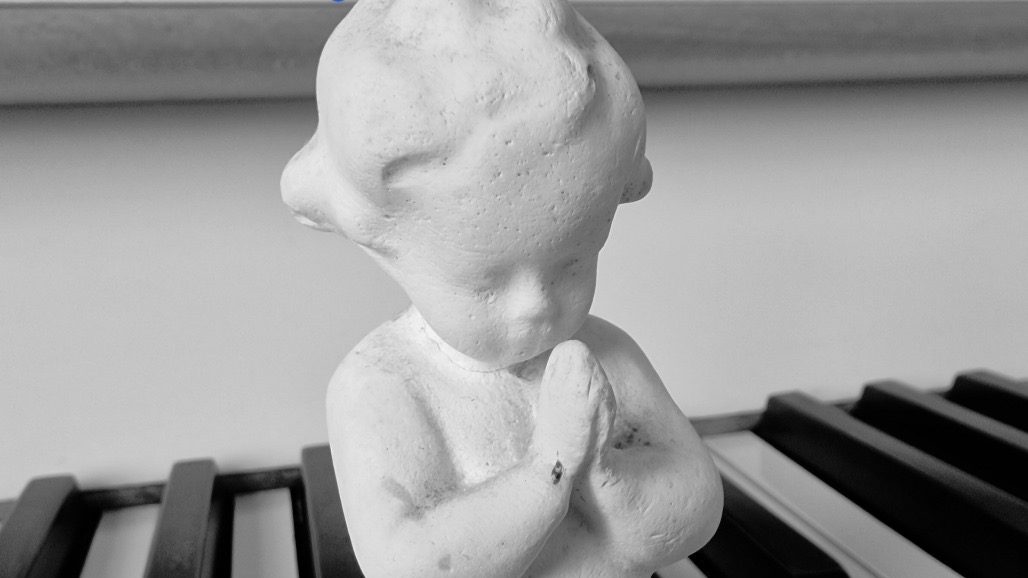
Carl Liungman returns with his deeply evocative single “Saint,” released on October 3rd, 2025, under Caliu Piano. Known for his ability to merge neoclassical precision with jazz-inspired improvisation, Liungman creates a space in which emotion and technique coexist in perfect balance. Drawing inspiration from artists such as Keith Jarrett, Nils Frahm, and the late Esbjörn Svensson, Liungman channels personal experience into a musical narrative that is both intimate and universally resonant. “Saint” emerges as a reflection of profound personal loss, honoring the memories of his recently deceased parents while simultaneously providing listeners with a meditative, emotionally layered experience. From the very first note, the composition invites contemplation, establishing an atmosphere that feels both solemn and comforting.
The structure of “Saint” is fluid and organic, eschewing traditional musical forms in favor of a continuous, evolving narrative. There are no abrupt shifts or predictable patterns; instead, the composition unfolds like a natural thought process, with motifs introduced, developed, and then allowed to dissipate. This through-composed design mirrors the psychological journey of grief, with each phrase acting as a step in an emotional dialogue between remembrance, sorrow, and eventual acceptance. The piece spans approximately six minutes, giving ample space for harmonic exploration and melodic reflection while maintaining a sense of cohesion and emotional continuity. Listeners are guided gently through each progression, with the music offering moments of pause and introspection that feel deliberate and thoughtfully placed.
Harmonically, Liungman displays a masterful command of tonal color and expressive nuance. He blends post-romantic sensibilities with jazz-inspired chord voicings, creating a soundscape that is both intimate and expansive. Influences from Bill Evans are evident in the sophisticated harmonic layering, yet Liungman infuses his own voice into every progression. Each chord carries weight, emphasizing the emotional resonance of loss and reflection without becoming overly ornate. The harmonic shifts are subtle, sometimes almost imperceptible, yet they accumulate to create a profound sense of movement and transformation within the piece. The careful balance between consonance and tension reinforces the meditative quality, making the listener acutely aware of each harmonic decision.
Melodically, “Saint” is defined by restraint and clarity. Liungman utilizes minimalistic phrasing, allowing silence to breathe between notes and creating a contemplative environment. The melodies hover over the harmonic foundation with ethereal delicacy, allowing listeners to linger on each sound and explore the emotional space it creates. This approach highlights Liungman’s sensitivity to pacing and dynamics, as each phrase is articulated with care, ensuring that the melodic content enhances rather than dominates the harmonic texture. The minimalism in melodic design draws parallels to Nils Frahm’s work, where silence and resonance are integral to the emotional impact, and it allows for profound introspection and personal interpretation by the listener.
The emotional arc of “Saint” is subtle yet remarkably powerful. The opening conveys a solemn and reflective mood, gently guiding the listener into a world of quiet contemplation. As the piece progresses, moments of warmth and harmonic richness emerge, suggesting a sense of reconciliation and emotional clarity. Liungman avoids melodramatic gestures, relying instead on a natural, organic unfolding of sentiment. This measured progression mirrors the complexities of mourning, reflecting the interplay of grief, memory, and acceptance. The understated power of the composition allows the listener to connect deeply with the narrative, experiencing the delicate balance of sorrow and solace in a profoundly personal way.

From a technical perspective, the recording quality of “Saint” is exceptional, capturing both the subtlety of Liungman’s touch and the resonance of the Steinway grand piano. The clarity of each keystroke and the sympathetic vibrations of the instrument are preserved with remarkable fidelity, creating an immersive listening experience. The production emphasizes intimacy, allowing the listener to feel present with the pianist in the room. Every dynamic nuance, every hesitation and release, is perceptible, reinforcing the emotional authenticity of the performance. The combination of technical precision and expressive fluidity underscores Liungman’s skill as both a performer and a composer, making “Saint” a compelling study in solo piano artistry.
The improvisational elements in “Saint” are seamlessly integrated into the composition, creating a sense of spontaneity while maintaining structural integrity. Liungman navigates between composed motifs and subtle improvisation, allowing the music to breathe and respond organically to the emotional content of the piece. This balance between structure and freedom enhances the work’s meditative quality, giving it a fluid, almost conversational character. The improvisational passages never feel self-indulgent; they are always purposeful, serving the overarching narrative and emotional journey. This nuanced interplay between planned and improvised material demonstrates Liungman’s deep understanding of piano performance as both an expressive and reflective medium.
Saint is a Captivating Piece That Transforms Personal Grief Into A Meditative Piano Journey, Blending Neoclassical Elegance, Jazz-inspired Harmonies, And Minimalist Melodies To Honor Memory, Evoke Reflection, And Inspire Emotional Resilience
In conclusion, “Saint” exemplifies Carl Liungman’s ability to transform personal experience into universally resonant music. The single combines neoclassical elegance, jazz-inspired harmony, and minimalist melodic design to create a work of profound emotional depth. The piece honors memory, explores grief, and celebrates resilience with subtlety, authenticity, and artistic sophistication. Through careful attention to harmonic detail, melodic restraint, and expressive nuance, Liungman has crafted a piano composition that is both meditative and deeply moving. “Saint” is a testament to his mastery as a composer and performer, standing as a luminous example of contemporary solo piano artistry that communicates both personal loss and shared human emotion. “Saint” is a track that deserves full attention and reflection. Its immersive emotional narrative and exquisite technical execution make it a standout in modern solo piano music.
For more information about Carl Liungman, click on the icons below.