

Digney Fignus has lived many musical lives, yet his artistry has always been grounded in human storytelling. From his early days as a Boston punk pioneer to his evolution into a roots-rock and Americana troubadour, his career reflects a restless creativity and resilience that have defined his decades in music. He first rose to national prominence after winning MTV’s Basement Tapes competition with his breakout single “The Girl with the Curious Hand,” a victory that led to a major-label deal with Columbia Records and introduced his name to audiences across the country. Since then, Fignus has released a series of critically acclaimed albums, Talk of the Town, Trouble on the Levee, and Last Planet on the Left, each earning top placements on the Americana and Roots Rock charts. His songs have also reached beyond the album format, appearing on NBC’s Today Show, CBS’s Eleventh Hour, and in numerous indie films and soundtracks, affirming his gift for writing music that resonates both intimately and broadly.
Digney Fignus now returns with his new album “Black and Blue: The Brick Hill Sessions,” officially released August 22, 2025 via Figtone Music/MTS Records. Already making waves, the album is currently charting on the Americana Music Association’s Airplay Chart, and has generated international buzz thanks to its lead single, “The Emperor Wears No Clothes.” That track; a satirical anthem that turns an age-old fable into a modern protest groove with Eastern European-inspired rhythms and fearless lyricism, recently climbed to #19 on the UK iTunes Alternative Songs Chart. “Black and Blue” was recorded over a six-year period at Cape Cod’s renowned Brick Hill Studio, with acclaimed producer Jon Evans (Tori Amos, Sarah McLachlan) and an ensemble of standout musicians including Chris Leadbetter, Fred MaGee, and Glen Martel. The collection is described as raw, rootsy, and unflinchingly honest, a reflection on global unrest, resilience, and perseverance, but also laced with humor and moments of joy. “Black and Blue is about resilience,” Fignus himself explains. “It’s about looking the world in the face, however broken, and still choosing to hold on. There’s humor in there, too, and some joy. Because we’ve got to have that if we’re gonna make it through.”
The record balances political urgency with deeply personal storytelling. Standout tracks include the powerful title song “Black and Blue,” the bluesy rocker “Nowhere Boogie,” the rollicking odes “Skinny Minnie” and “She’s Good Lookin’,” and finally, the cinematic ballad “American Rose.” Together, they showcase a songwriter who has mastered the art of blending wit, grit, and heart into music that feels timeless. On August 22, 2025, alongside the release of the full album, Digney Fignus unveiled “American Rose,”, a takes listeners on a quieter, more cinematic journey, an intimate portrait of chasing dreams across the open road. With its imagery of a midnight Greyhound bus, headlights flickering through darkness, and the fragile hope of a rose blooming against the odds, the track distills both the beauty and fragility of the “American dream.” The instrumentation builds patiently, layering acoustic warmth, subtle electric accents, and understated percussion that beats like a steady pulse beneath the story. By the time Fignus’s weathered, heartfelt vocals unfold the full picture, the song has already drawn the listener into its expansive atmosphere, one that feels both nostalgic and timeless.
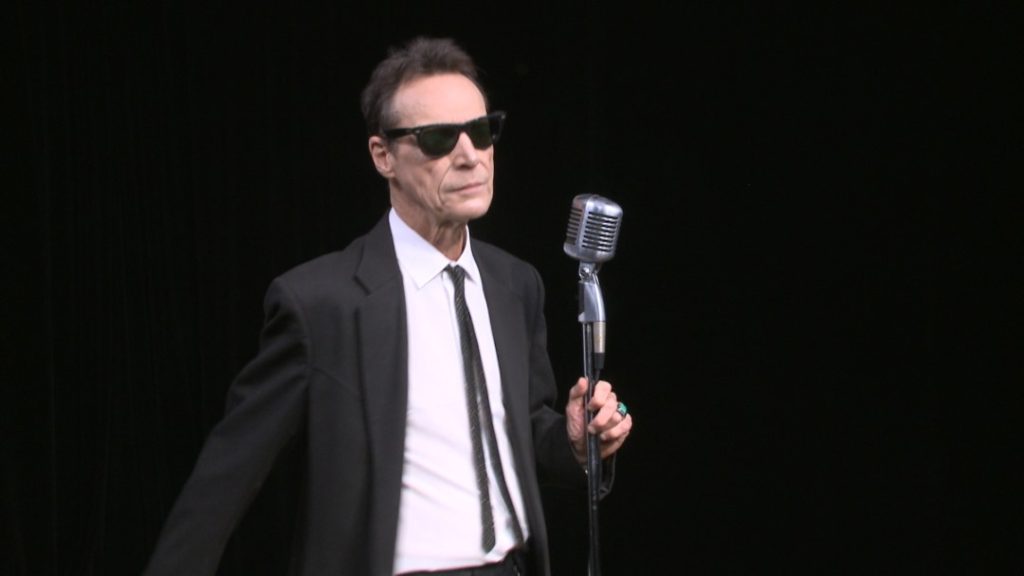
“American Rose” by Digney Fignus is the kind of song that immediately feels larger than itself, as though it has been lifted straight from the reel of a sepia-toned film. From the very first notes, there is an undeniable sense of atmosphere, an open horizon, the hum of a bus engine on a midnight ride, headlights slicing through the dark, and the quiet hum of dreams too restless to sleep. The introduction does not rush the listener; instead, it unfolds patiently, letting soft strums and subtle instrumentation seep in like light creeping slowly across the sky. This opening moment is not simply a prelude but an invitation into a story, an audio canvas where nostalgia, longing, and hope all find a place. It feels simultaneously grounded and ethereal, embodying that Americana spirit where the personal becomes universal, and the sound itself becomes a road on which we travel.
The instrumentation is one of the strongest elements of “American Rose,” and it speaks with a voice as evocative as the lyrics themselves. At the center, the acoustic guitar strums steady and warm, its earthy timbre anchoring the track and giving it an organic texture that feels lived-in. Around it, a lightly electrified guitar slides in with faint accents that shimmer like city lights in the distance, giving the song moments of brightness without breaking its steady, reflective rhythm. The percussion is understated yet deliberate, carrying the track forward with a heartbeat-like pulse, never overwhelming but always steady enough to suggest constant motion. Underneath this framework, the bass hums with quiet authority, expanding the song’s depth and creating an invisible current that pulls everything along. Every instrumental element feels meticulously placed, not just to fill space, but to reinforce the sense of travel and longing that defines the track.

As the song moves deeper into its progression, it becomes clear that “American Rose” is not built on dramatic shifts but on subtle evolutions that mirror the unfolding of a journey. The arrangement grows like scenery changing through the window of a bus, gradual, almost imperceptible at first, but by the time you notice, the entire landscape has transformed. Organ tones and soft harmonies begin to swell in the background, adding richness and fullness without overwhelming the natural sparseness of the song’s roots. These layers open up the track, giving it a wide cinematic feel that mirrors the expanse of American highways and the emotional openness of its narrative. Rather than relying on crescendos or sharp climaxes, Fignus allows the song to breathe, its shifts marked by nuance and quiet revelations. This patient progression not only strengthens the atmosphere but ensures that the emotional weight builds naturally, keeping the listener suspended within its unfolding story.
At the heart of the song lies Digney Fignus’s vocal delivery, which transforms the instrumentation into a personal narrative. His voice carries a warmth that immediately commands attention, but beneath it lingers a worn, weathered edge that feels deeply human. He sings not like a performer trying to impress, but like a storyteller recounting something he has lived, layering sincerity into every word. There is a subtle gravel in his tone that reflects both resilience and vulnerability, perfectly capturing the song’s themes of chasing dreams while grappling with reality. Backing harmonies filter in gently, never stealing the spotlight, but instead wrapping the lead in a kind of soft halo, deepening the resonance of the lyrics. Together, these vocal layers create intimacy and distance at once, the closeness of a personal confession set against the vastness of the open road, a duality that keeps the song compelling.
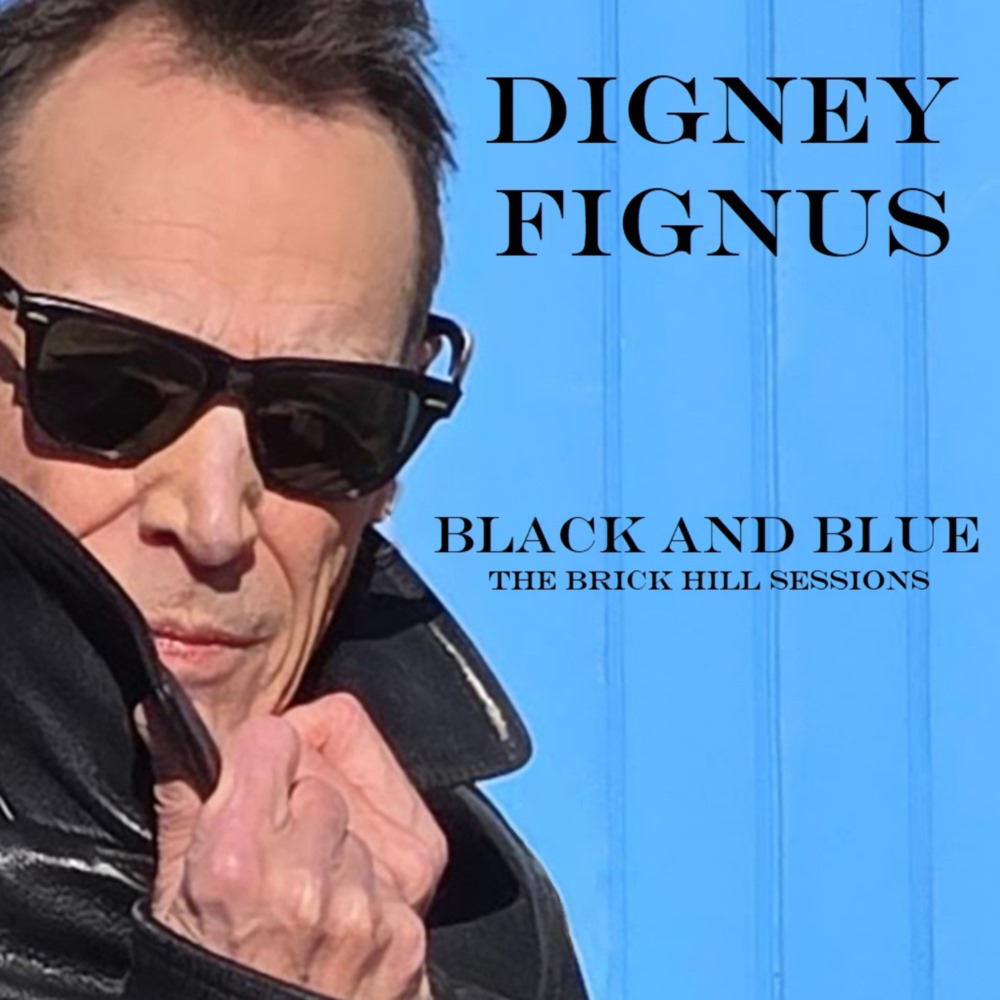
The lyrics are central to the magic of “American Rose,” and they are written with the kind of clarity that allows listeners to see, feel, and travel alongside the song’s imagery. They conjure the innocence of dream-chasing, painting the picture of a journey westward on a Greyhound bus, headlights flickering like beacons of possibility against the night. The “American Rose” itself is a poignant symbol, both beautiful and fragile, representing the allure of hope and the bittersweet reality that dreams can wither as easily as they bloom. Each line feels deliberate, carefully balancing poetry with plainspoken truth. There is no overindulgence in metaphor, but rather a thoughtful restraint that lets the words resonate on their own. The lyrics embrace nostalgia while hinting at the inevitability of disillusionment, making the song not only a personal journey but also a reflection of the American dream itself, idealized, pursued, and often just out of reach.
American Rose is a cinematic, heartfelt ballad where Digney Fignus captures resilience, longing, and the fragile beauty of the American dream.
By the time “American Rose” has fully unfolded, the listener is left with a sensation that is less about closure and more about immersion, like being transported into a memory that lingers even after the sound fades. The song captures the essence of Americana music in its purest form: a delicate weaving of story, sound, and emotion that speaks as much to the soul as to the ears. It feels intimate, as though Fignus is confiding in us personally, yet its imagery is broad enough to feel like the story of anyone who has ever chased something bigger than themselves. The interplay of cinematic instrumentation, gradual progression, heartfelt vocals, and evocative lyricism crafts a soundscape that is as timeless as it is immediate. “American Rose” does not just play, it blooms slowly, quietly, and beautifully, leaving the listener with the ache of nostalgia and the quiet hope of dreams still waiting to be pursued.
For more information about Digney Fingus, click on the icons below.