
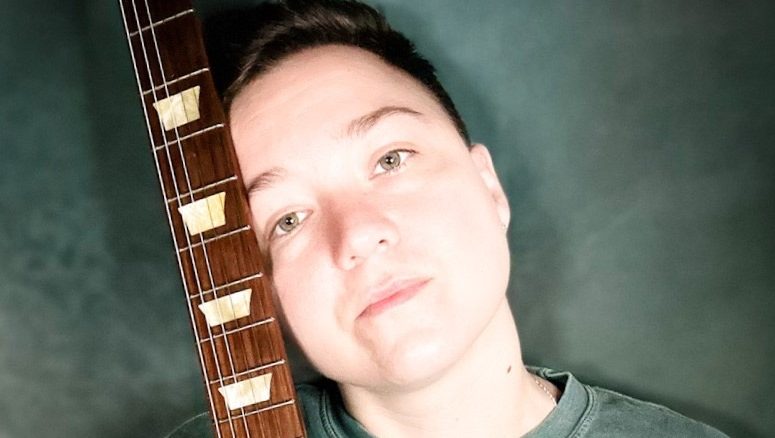
Erro is a genre bending female fronted pop rock collective hailing from Pittsburgh, Pennsylvania, led by singer, songwriter, and multi instrumentalist Nikki Stagel. Founded in 2019, Erro began as Nikki’s personal vision to create an outlet that placed her songwriting and guitar work firmly at the center of the sound. What started as a focused creative project gradually evolved into a collaborative force, growing into an indie rock band defined by originality, shared musicianship, and emotional honesty. Over the past six years, Erro has developed a sound that feels both familiar and refreshingly new, blending elements of pop, rock, folk, and indie into dynamic and approachable soundscapes.
At the core of Erro’s identity is a commitment to authenticity. The collective operates with a clear philosophy that infectiously popular music can still be created organically, without sacrificing human feeling for digital perfection. Their songwriting process emphasizes raw instrumentation, rotating studio collaborations, and real time performance energy. By deliberately limiting the use of modern music technology, avoiding punch ins and pre recorded sounds, Erro ensures that every note captures the immediacy of a true performance. This approach results in music that is melodically catchy yet deeply human, offering listeners an instant sense of connection that feels like reconnecting with someone they have always known.
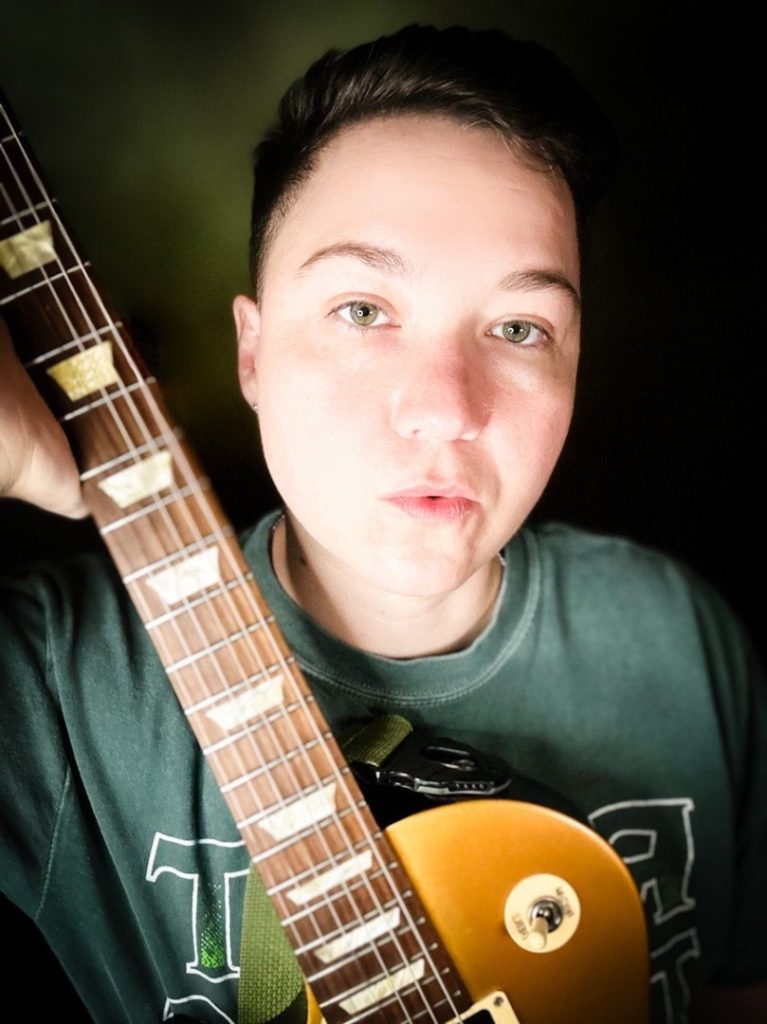
Following the critical acclaim of their debut album Strawberry Moon, Erro returns with “Shadowland”, an original album released on 28th November 2025. With “Shadowland”, Erro fulfills the promise hinted at in that first release, expanding their sonic identity and emotional reach with confidence and clarity. According to Nikki Stagel, “Shadowland” is not simply a follow up, but a reflection of growth on personal, creative, and emotional levels. The album serves as her interpretation of the world around her and the cultural climate it exists within, translating those perceptions into sound. Recorded at Nikki’s home studio and Very Tight Recordings in Pittsburgh, the album reflects a hands on, intimate recording environment that aligns with Erro’s performance driven ethos.
The album features standout tracks that highlight its stylistic range and musicianship. “Honey Bear Lane” is driven by a groovy bass line paired with Pink Floyd style guitar solos, while “The Watcher” introduces unique piano textures, horns, and a chorus designed for collective sing along moments. “Words About Life” blends modern folk with ballad sensibilities, showcasing strong musical and vocal performances, and “JMS” channels early John Mayer inspired tonality with chilling guitar solos. Together, these songs illustrate the album’s depth and its commitment to expressive, human centered music.
Shadowland Album Track List:
Shadowland:
As the album’s title track and opening composition, “Shadowland” functions as the emotional and atmospheric gateway into Erro’s world, carefully establishing the record’s introspective foundation before a single lyric fully settles in. Rather than announcing itself with immediacy, the song opens with a cinematic sense of space that feels deliberate and immersive, allowing layered guitars and ambient textures to stretch outward while still maintaining an intimate core. This sense of controlled openness immediately signals that the album will prioritize emotional presence over spectacle, drawing the listener into a reflective environment where patience is rewarded. The track’s slow burn is essential to its impact, as it invites listeners to inhabit the mood rather than react to it, positioning “Shadowland” as an entry point into a shared emotional landscape rather than a conventional opening statement.
The arrangement of “Shadowland” unfolds with a careful sense of restraint, as each instrumental layer enters gradually and with clear intention, reinforcing the track’s emphasis on emotional pacing. Instead of building toward a traditional peak, the song deepens its atmosphere through subtle shifts in texture and dynamics, allowing tension and release to exist quietly beneath the surface. The layered guitars act less as melodic drivers and more as emotional anchors, creating a sense of depth that evolves organically over time. Ambient elements fill the surrounding space without overwhelming it, resulting in a soundscape that feels expansive yet grounded. This measured growth strengthens the track’s immersive quality, encouraging repeated listens that reveal new details within its structure.
Vocally, Erro delivers a performance defined by restraint and emotional clarity, where tone and phrasing carry more weight than overt power or embellishment. The vocal presence feels intentionally exposed, supported by production choices that favor openness and natural room resonance, allowing breath and subtle imperfections to remain intact. These details reinforce the song’s human quality, aligning with the album’s broader commitment to authenticity and real performance energy. Musically, “Shadowland” prioritizes mood, dynamics, and emotional continuity, functioning less as a standalone moment and more as an invitation into the album’s inner world. As a title track, it encapsulates the album’s core philosophy, setting the emotional language and sonic expectations that guide everything that follows.
Honey Bear Lane:
“Honey Bear Lane” plays a crucial structural role on the album by redirecting the listener from atmosphere into movement, grounding the record in rhythm without breaking its emotional continuity. Where earlier moments emphasize space and introspection, this track introduces a groove centered foundation that feels quietly assured rather than attention seeking. The warm, rolling bassline is not simply a rhythmic element but the emotional spine of the song, anchoring everything around it with a sense of calm momentum. The rhythm section’s steady pulse establishes forward motion that feels relaxed but deliberate, suggesting progression without urgency. This restraint is key to the track’s identity, allowing groove to function as atmosphere in its own right, rather than as a tool for immediate release.
The guitar work in “Honey Bear Lane” operates as an expressive counterbalance to the bass driven foundation, shaping the song’s emotional color rather than driving its structure. Clean tones dominate, but they are subtly infused with gentle psychedelic character through bends, melodic fills, and atmospheric effects that drift in and out of focus. These guitar moments feel intentional and conversational, appearing where they are emotionally needed rather than filling space for the sake of density. Their floating quality creates a sense of movement within stillness, reinforcing the song’s reflective nature while keeping it sonically engaging. This interplay between grounded rhythm and drifting texture gives the track depth, allowing it to feel immersive without becoming heavy.
Vocally, Erro approaches “Honey Bear Lane” with a delivery that prioritizes connection over projection, sitting comfortably within the groove rather than rising above it. The smooth phrasing and conversational warmth allow the vocals to feel integrated into the instrumental flow, reinforcing the song’s sense of ease and intimacy. Production choices further strengthen this balance, maintaining clarity and separation so the bass remains full and present while the guitars hover above without cluttering the mix. Nothing competes for dominance, and that restraint becomes the track’s defining strength. Musically, “Honey Bear Lane” achieves accessibility without sacrificing substance, using rhythm and texture to create an inviting atmosphere that rewards close listening and deepens the album’s emotional range rather than merely decorating it.
The Watcher:
“The Watcher” emerges as one of the album’s most dramatic and theatrically charged moments, immediately distinguishing itself through its use of piano as the foundation of both harmonic movement and emotional direction. From the outset, the piano does more than introduce the song, it shapes its entire emotional architecture, guiding the listener through shifts in tension and release with a sense of deliberate control. This choice gives the track a grounded sense of gravity, establishing a tone that feels intentional and weighty. In contrast to the more restrained songs surrounding it, “The Watcher” signals a widening of the album’s emotional scope, positioning itself as a moment where scale and presence take center stage.
As the arrangement unfolds, the song expands with the inclusion of horn elements and layered backing vocals, introducing a sweeping, almost cinematic dimension to the composition. These elements are carefully integrated rather than overwhelming, arriving at moments that heighten the song’s emotional impact without sacrificing cohesion. Rhythmically, the track remains steady and supportive, functioning as an anchor that allows the dramatic shifts in harmony and texture to breathe. This balance between stability and expansion is central to the song’s effectiveness, enabling it to feel powerful without becoming overstated, and reinforcing its role as a carefully constructed emotional centerpiece.
Vocally, Erro delivers a confident and commanding performance, with phrasing that feels purposeful and emotionally present, particularly as the song moves into its chorus. Production choices emphasize depth and dynamic range, allowing moments of heightened emotion to surface organically while maintaining clarity across piano, vocals, and supporting instrumentation. Musically, “The Watcher” stands as a song built on contrast, scale, and emotional gravity, offering a striking counterpoint within the album and deepening its overall expressive range.
Words About Life:
“Words About Life” emerges as one of the album’s most intimate and emotionally resonant moments, immediately drawing the listener into its reflective core through an acoustic-leaning arrangement. The track prioritizes songwriting and vocal expression, allowing its lyrical and melodic content to take center stage. The instrumentation is intentionally sparse and breathable, with acoustic elements forming the harmonic foundation and subtle supporting layers gradually adding warmth and depth. This restrained approach creates a sense of space, inviting the listener to focus on the emotional nuances of each phrase and chord, establishing a profound sense of closeness and immediacy.
Vocally, Erro delivers one of the most affecting performances on the album, emphasizing controlled dynamics, precise phrasing, and emotional intent. Rather than projecting outward dramatically, the vocals draw the listener inward, fostering a feeling of intimacy and personal connection. Harmonies are introduced with care, primarily in the chorus, adding emotional resonance without overshadowing the main vocal line. This careful balance ensures that every harmonic and melodic choice contributes to the song’s reflective and contemplative tone, enhancing its ability to communicate sincerity and vulnerability in a deeply human way.
From a production standpoint, “Words About Life” maintains a clean, open mix that prioritizes clarity and emotional closeness over polish or overproduction. Every acoustic texture, vocal inflection, and harmonic nuance is preserved, reinforcing the track’s grounded, honest character. Musically, the song succeeds through restraint and careful arrangement, demonstrating how simplicity and focus can amplify emotional impact. As a result, “Words About Life” functions as a moment of pause within the album, offering reflection and connection that feels profoundly personal, enriching the album’s broader narrative and providing a counterbalance to more expansive or rhythmically driven tracks.
“Shadowland” deepens Erro’s dreamlike tonal palette while sharpening its narrative focus. The album leans into evocative songwriting, stronger hooks, and chords that resonate with greater emotional weight. Staying true to their one take tracking approach and minimal technological interference, the music captures moments as they are, unpolished and alive. What emerges is an immersive listening experience that balances emotional duality, blending nostalgia with melodic authenticity. The melodies linger long after each song ends, reinforcing the album’s intent to capture fleeting human moments in a tangible and honest way.
Shadowland Is A Carefully Crafted Album That Blends Immersive Atmospheres, Performances, And Dynamic Instrumentation, Capturing Erro’s Emotional Resonance And Authentic Approach To Modern Pop-rock Storytelling
“Shadowland” is brought to life by a collaborative group of musicians, with Nikki Stagel leading production, songwriting, vocals, guitar, piano, strings, and horns. Michael Gerver contributes to production alongside strings, horns, bass, piano, and percussion. Vocal harmonies are provided by TK Mundok, Aparna Nair, Missy Chretien, and Sean Suza, with additional instrumentation from Alex Shipley on bass and Nathan Bodnar on drums and percussion. The album is mixed and mastered by Matt Very, completing a record that stands as a fully realized extension of Erro’s evolving artistic vision.
For more information about Erro, click on the icons below.