
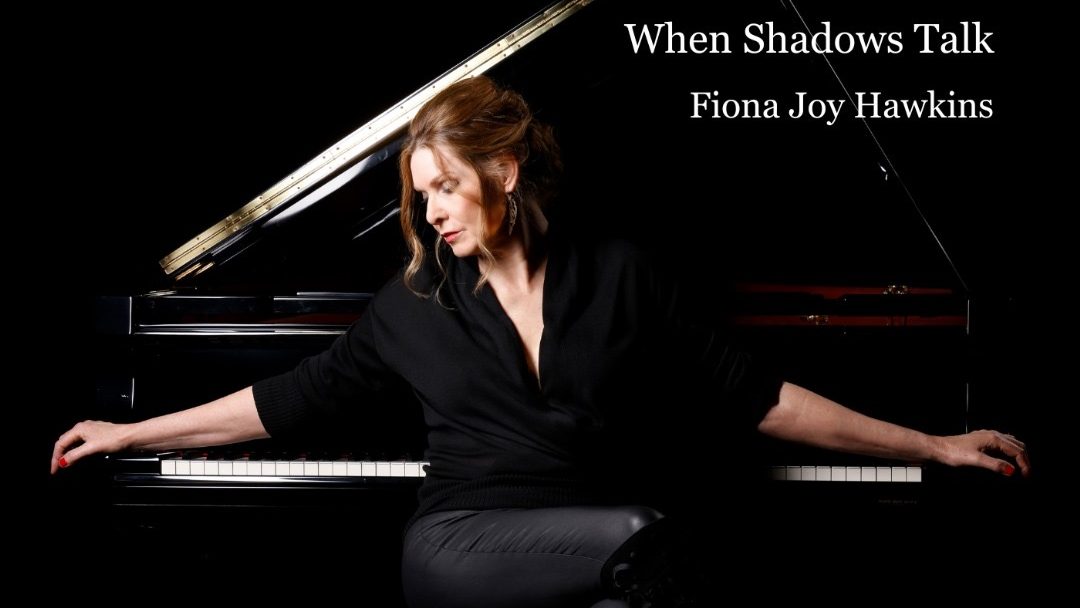
Fiona Joy Hawkins is a classically trained Australian pianist, composer, and singer whose artistry transcends boundaries, weaving together elements of neoclassical, new age, Celtic, and jazz into deeply evocative works. With influences from Chopin and Mendelssohn, she has built an international reputation not only as a prolific composer but also as a performer who creates music that tells stories and paints emotional landscapes. Her journey has taken her from rural Australia to some of the world’s most iconic venues, including Carnegie Hall, the Sydney Opera House, and the Grammy Museum, earning her both ARIA nominations and international accolades along the way. Her track “Grace” was even featured on a GRAMMY-winning album, solidifying her place as a respected figure in contemporary piano music. Beyond performance, Fiona Joy Hawkins holds a mission to create music that is ethereal, soul-soothing, and meaningful, crafting pieces that reflect both personal experience and the natural world, with the hope that her art makes a lasting difference.

“When Shadows Talk” was released on the 22nd of August 2025, and it immediately stands as a testament to Fiona Joy Hawkins’ ability to craft music that exists in its purest form. At its heart, the album is a solo piano project recorded on the rare 97-key Stuart and Sons grand piano, an instrument renowned for its tonal clarity and extended range. By relying solely on the piano without any layering of vocals or additional instrumentation, Fiona delivers a work of striking transparency. This approach allows her compositions to breathe fully and unencumbered, drawing listeners into a sound world that is as much about silence and space as it is about notes and melody. The result is music that resonates with intimacy yet possesses a scale that feels expansive, balancing quiet vulnerability with commanding strength.
The creative process behind “When Shadows Talk” reflects Fiona’s decision to enter a self-imposed exile to reconnect with her innermost voice. This period of retreat enabled her to peel back the layers of distraction and explore themes that often lie beneath the surface of daily life. Each composition becomes a reflection of memory, spirituality, nature, and the human condition, carrying with it an atmosphere of contemplation. The use of the 97-key piano intensifies this exploration, with its resonant tones adding gravity to passages of depth and its shimmering upper notes carrying brightness and air. Fiona uses this extended range to articulate contrasts that mirror the complexities of emotion, creating a dialogue between heaviness and light, presence and absence. The instrument serves as more than a medium; it becomes her partner in expression, translating her subtle phrasing, dynamics, and pedaling into a deeply immersive listening experience.
When Shadows Talk Album Track List:
Stasis:
“Stasis” opens the album with a delicate invitation into stillness, immediately setting the tone for the meditative atmosphere that defines “When Shadows Talk.” The piece begins with gentle, lullaby-like phrasing on the piano, drawing the listener into a reflective space where fragility and calm meet a quiet undercurrent of strength. Fiona Joy Hawkins uses her touch to suspend time, letting each note linger just long enough to create the sensation of breath and balance. This measured pacing establishes the track not as a mere introduction but as an intentional entry point into the emotional depths that the album will later explore.
The performance thrives on Fiona’s control of subtle dynamics, where the smallest shifts in pressure and timing carry profound weight. The Stuart and Sons 97-key grand piano plays a vital role in shaping the piece, allowing her to stretch across its extended range with precision and clarity. The shimmering tones in the higher register sparkle like fleeting thoughts or memories, while the resonant bass grounds the composition with quiet stability. The contrast between lightness and depth reflects the interplay of fragility and resilience, as though the music itself embodies the dualities of stillness and motion, vulnerability and resolve. Fiona uses these qualities to weave a soundscape that is at once intimate and expansive, surrounding the listener with an atmosphere of contemplative beauty.
As the album’s opening track, “Stasis” does more than simply introduce a theme; it prepares the listener for the journey that lies ahead. Its simplicity is intentional, serving as a reminder of how profound quiet moments can be when expressed with grace and emotional honesty. The music creates a meditative pause that clears the mental space needed for the more intricate and layered emotional landscapes to follow. In this way, “Stasis” becomes both a reflection and a foundation, embodying the spirit of calm introspection that will echo throughout the album while gently guiding the listener inward toward deeper self-awareness.

The Ghosts of War Are Marching:
“The Ghosts of War Are Marching” shifts the album into a darker and more cinematic space, following the gentleness of “Stasis” with a composition that feels weighty and reflective. The opening somber chords immediately establish an atmosphere of sorrow and remembrance, as though the piano is echoing voices from the past. Fiona Joy Hawkins allows the music to unfold slowly, giving each note deliberate weight, creating the impression of a march that is steady, haunting, and filled with unspoken stories. This pacing invites the listener to experience the music not just as sound but as an emotional landscape where memory and loss intermingle.
The performance makes full use of delicate piano notes, whose resonance enhances the depth and expansiveness of the track. Fiona layers these elements carefully, allowing the piano to speak with both intimacy and grandeur. The result is a sound that feels both deeply personal and universally resonant, a meditation on conflict that extends beyond the battlefield to encompass the lives of those left in its wake. The instrument’s clarity captures every subtle gradation of her touch, making the music feel alive with emotion and meaning.
As the piece progresses, “The Ghosts of War Are Marching” unfolds like a narrative, painting images of soldiers, families, and entire communities shaped by the weight of conflict. There is a sense of history being carried forward, where the march becomes not only symbolic of war’s brutality but also of memory’s persistence across generations. The track moves beyond being a composition into something immersive, offering the listener a space to reflect on both collective and personal histories of struggle and survival. By the end, the piece leaves a lingering impression that history is not silent, and through Fiona’s piano, its echoes are given voice with both sorrow and dignity.
Lava and Snow:
“Lava and Snow” brings the album into a more elemental and hypnotic realm, where Fiona Joy Hawkins uses the piano to mirror the paradox of opposing forces coexisting in harmony. The piece begins with circular patterns and gentle loops that establish a meditative rhythm, creating the sensation of timelessness as the music moves with fluid continuity. Through her touch, Hawkins balances fragility with quiet strength, allowing the crystalline tones of the higher register to suggest the cool delicacy of snow, while the deeper notes resonate with the power and weight of lava. This interplay of sound immediately draws the listener into a state of contemplation, where natural imagery and emotional undercurrents intertwine seamlessly.
The piano is particularly striking in this piece, as its expansive tonal range highlights the contrasts at the heart of the music. The tones rumble like an undercurrent of molten power, grounding the track with a sense of elemental force, while also floating with ethereal grace. Fiona uses layering to heighten the hypnotic quality, with each loop building subtly upon the last. Rather than rushing forward, the pacing remains unhurried, emphasizing a sense of stillness within motion and encouraging the listener to settle into the evolving textures. The clarity of the instrument ensures that every note, whether forceful or delicate, resonates with intention.
As “Lava and Snow” unfolds, it becomes less a linear narrative and more an immersive experience that embodies both serenity and intensity. The trance-like repetition creates a contemplative atmosphere, while the interplay of contrasts mirrors the dualities found both in nature and in human emotion. It is a track that celebrates the beauty born from tension, the coexistence of fragility and strength, destruction and renewal. By the end, the listener is left with a profound sense of balance, as though the music has reconciled opposing forces into a unified expression of peace and power.

Hitting the Glass:
“Hitting the Glass” stands out as one of the most poignant moments on “When Shadows Talk,” despite its brief duration of just 1 minute and 26 seconds. The piece begins with a haunting, striking piano melody that immediately carries a sense of deep and unfiltered emotion. It follows the meditative flow established earlier in the album, maintaining the tranquility while introducing a sharper, more fragile tone. The brevity of the composition works to its advantage, distilling its message into a concentrated emotional statement that lingers with the listener long after it concludes.
The Stuart and Sons 97-key grand piano is crucial in capturing the intimacy and nuance of “Hitting the Glass.” Every note resonates with clarity, allowing the stark contrasts between fragility and force to be fully felt. The notes carries a crystalline sharpness that seems almost brittle, while anchoring the melody with quiet weight, embodying the duality of beauty and tragedy. Fiona uses this sonic palette to create a piece that feels simultaneously delicate and powerful, as though reflecting the sudden shifts that life often brings. The resonance of the piano amplifies the sense of immediacy, ensuring that each sound lands with purpose and impact.
Although fleeting, “Hitting the Glass” leaves a profound impression because it encapsulates the album’s essence of vulnerability and reflection. The track feels like a snapshot of raw emotion, a reminder of how swiftly experiences can change and how music can serve as a vessel for processing them. Its power lies not in complexity or length but in the honesty of its expression, offering listeners a moment of stillness to confront both fragility and resilience. By the end, the piece feels less like an interlude and more like a vital chapter, proving that even the shortest passages of music can carry lasting weight within a larger journey.
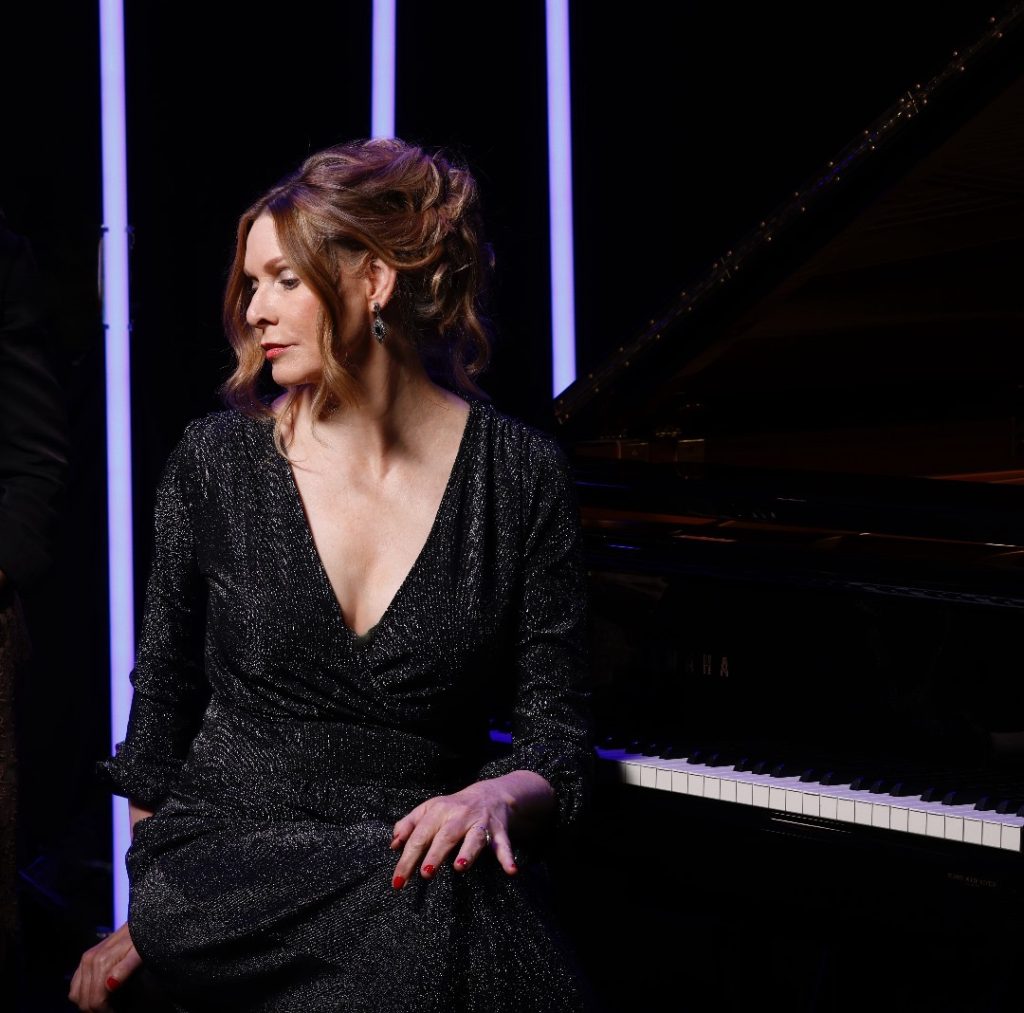
The flow of “When Shadows Talk” is not that of a simple sequence of tracks but rather a continuous unfolding, almost like a conversation between the artist and the silence surrounding her. Fiona uses pauses and rests as deliberately as her melodies, understanding that silence carries weight and can heighten the impact of a note when it arrives. The pacing of the album mirrors the ebb and flow of thought and feeling, with moments of stillness that invite meditation followed by surges of intensity that awaken the listener to deeper layers of emotion. The production captures the natural resonance of the piano beautifully, allowing each note to linger, bloom, and fade as though one is seated directly beside Fiona as she performs. This authenticity elevates the experience, creating a sense of presence and immediacy that recorded music rarely achieves.
When Shadows Talk is a Soul-stirring Piano Journey Where Fiona Joy Hawkins Transforms Silence And Sound Into An Intimate Dialogue Of Memory, Nature, And Emotion, Played With Purity On The Rare 97-key Stuart And Sons Grand Piano
Ultimately, “When Shadows Talk” is a project defined by its purity, restraint, and timeless quality. By allowing the piano alone to carry the weight of the music, Fiona creates an emotional journey that is both deeply personal and universally resonant. There is no need for embellishment, as the strength of the work lies in its honesty and clarity. The album invites listeners to reflect inwardly, to engage with their own shadows and hidden emotions, and to find within them moments of catharsis and connection. It is at once intimate and expansive, grounded in classical tradition while speaking directly to the contemporary listener who seeks stillness and authenticity in sound. Through this work, Fiona Joy Hawkins reaffirms her artistry not only as a composer and pianist but also as a storyteller, allowing her music to communicate truths that words often cannot.
For more information about Fiona Joy Hawkins, click on the icons below.