
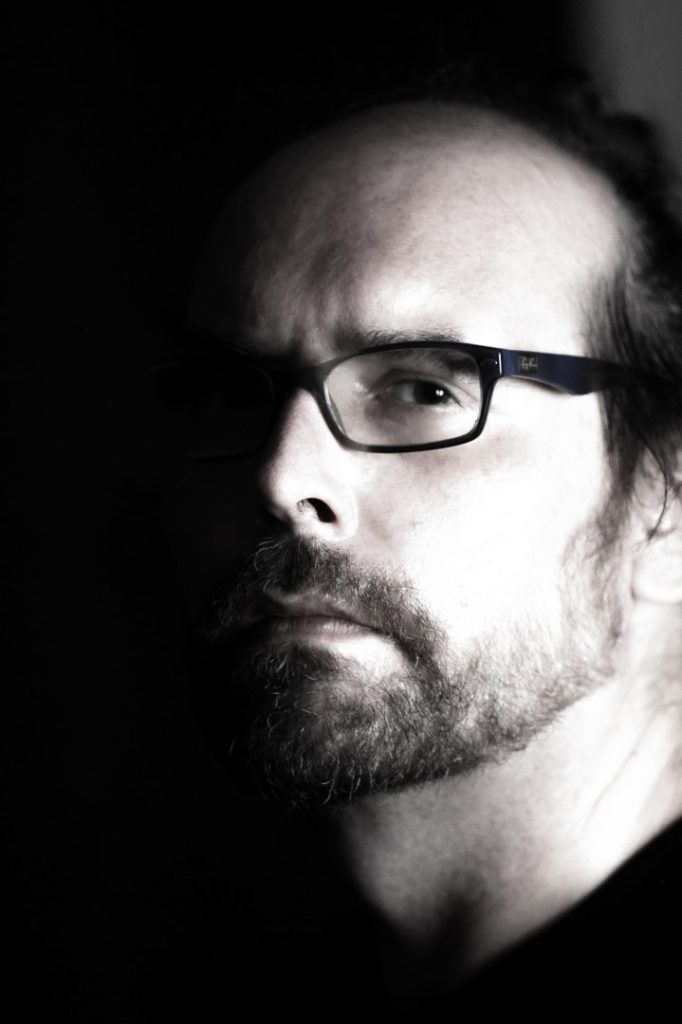
Hachè Costa stands as one of the most distinctive voices in contemporary European composition, an artist whose career has been shaped by an unwavering commitment to interdisciplinary creation and narrative depth. Born in 1980, Costa has built a multifaceted artistic identity as a multi-instrumentalist, conductor, composer, and music producer, moving fluidly between contemporary music, opera, pop-rock, cinema soundtracks, and stage works. From the earliest stages of his career, he has demonstrated a profound interest in the relationship between sound, memory, and image, an interest that has naturally drawn his music toward a strong cinematic character. His work in film has been especially influential in defining this sensibility. As an orchestrator, Costa has contributed to some of the most celebrated productions in recent Spanish cinema, including Camino, which received seven awards from the Spanish Cinema Academy, and Campeones, which was honored with three awards from the same institution.
These projects not only established his reputation within the audiovisual world but also sharpened his ability to write music that carries narrative weight, emotional clarity, and visual imagination even in purely instrumental contexts. This cinematic instinct continues to permeate his concert works, where sound often behaves like a moving image, unfolding with dramatic pacing and psychological nuance. Beyond cinema, Hachè Costa’s career has unfolded across an extensive international landscape. He has collaborated with orchestras, universities, and contemporary art museums at an international level, premiering works for choir, chamber ensembles, and electroacoustic formats in Europe and North America. His compositional activity has been recognized in academic and artistic settings alike, including invitations and distinctions from institutions such as the University of Florida and the Música Nova project in Paraná. At the same time, his creative output has remained deeply rooted in research, particularly around the study and reinvention of national and European folklore, a line of inquiry that informs much of his recent work.
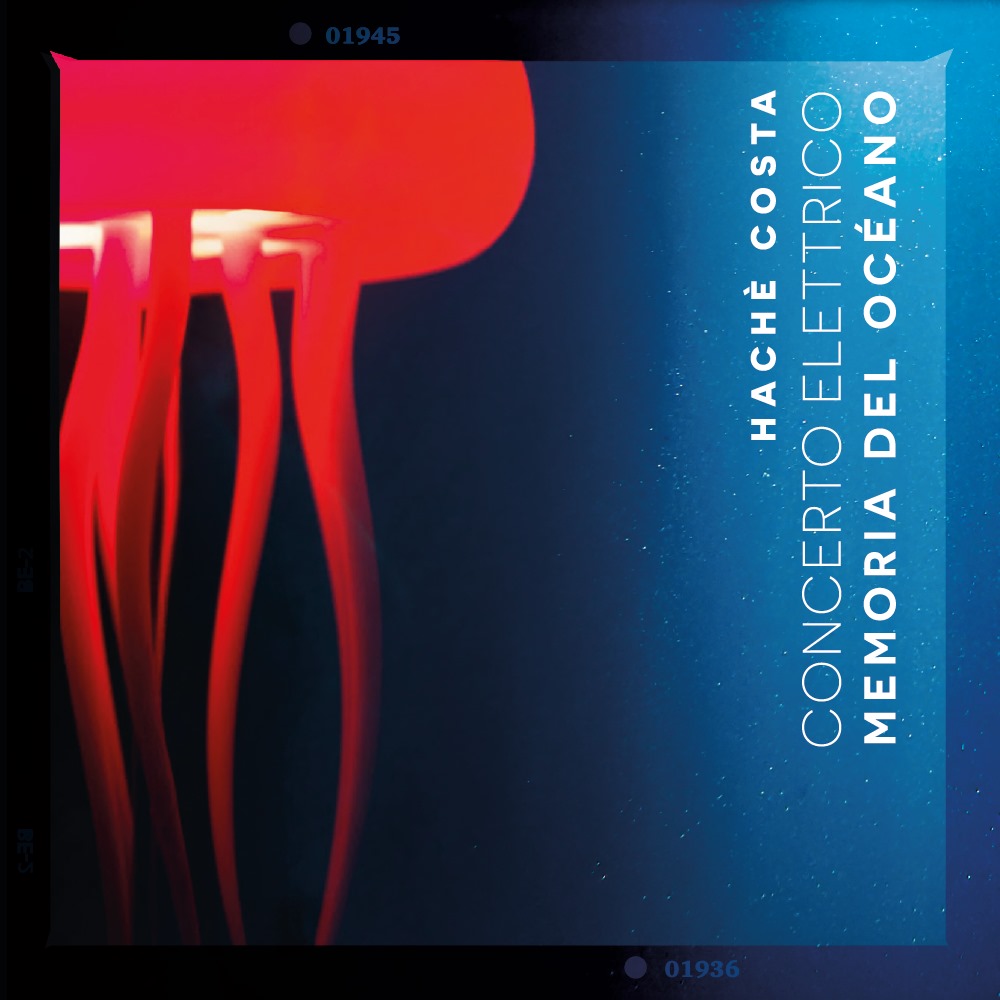
Portugal has emerged as a particularly meaningful space within this international trajectory. Costa’s collaboration with Portuguese musicians and institutions has intensified in recent years, most notably through performances conducted by Maestro Filipe Cunha. His work has resonated strongly within this context, leading to continued professional activity and confirmed future collaborations in Portugal, including new projects scheduled for 2026. This sustained relationship reflects both artistic affinity and mutual recognition, situating Costa’s music within a broader Iberian and European cultural dialogue. At the core of Hachè Costa’s artistic philosophy lies a belief in music as memory, an act of remembrance capable of reconnecting societies with beauty, empathy, and responsibility. This belief finds one of its clearest and most mature expressions in his recent project “Ocean Memory (Memoria del Océano)”, a work that unites cinematic language, contemporary composition, and ecological reflection into a single artistic vision.
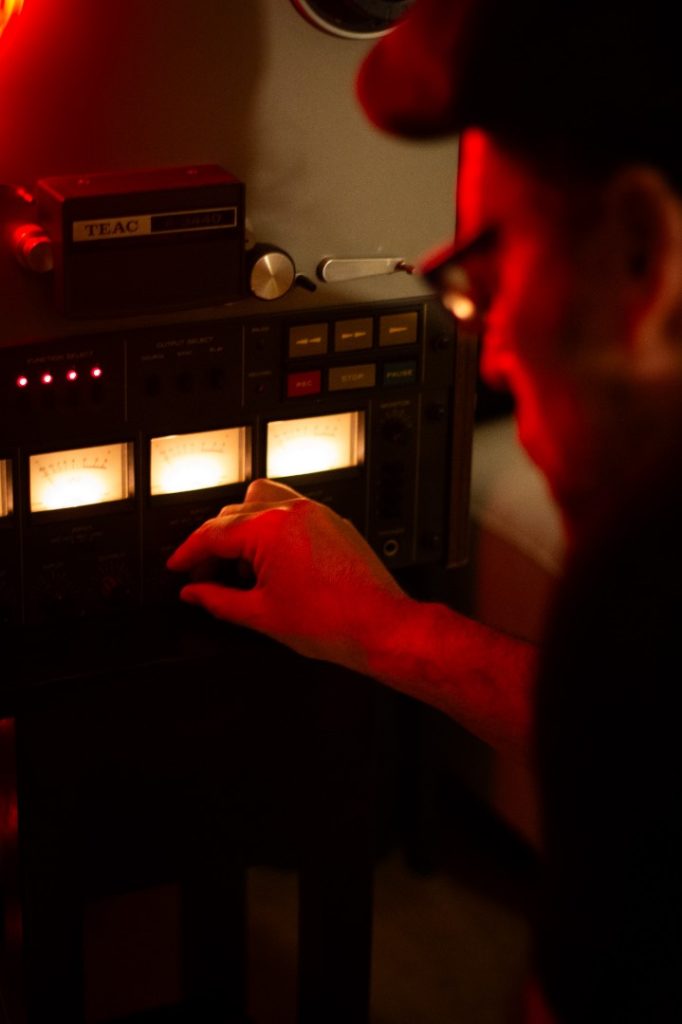
Released on October 21, 2025, “L’Atlantique” marks a pivotal moment in Hachè Costa’s ongoing artistic journey. Serving as the first single from the larger project “Ocean Memory”, the piece functions both as an independent musical statement and as the conceptual gateway into a work deeply connected to climate change and humanity’s relationship with the natural world. Conceived as a minimalist piano and electronic composition, “L’Atlantique” reflects on the damage inflicted on seas and oceans while consciously avoiding despair, choosing instead the path of memory, contemplation, and quiet warning. From its very conception, the single carries a pronounced cinematic character. Costa’s background as a composer for cinema, television, and stage is unmistakable in the way the music unfolds: patiently, atmospherically, and with a strong sense of visual suggestion. The piano writing evokes vast maritime horizons, while electronic textures add depth and motion, creating a soundscape that feels both intimate and expansive. This approach transforms “L’Atlantique” into a film without images, an internal journey guided by sound.
The significance of the piece was further affirmed through its symphonic premiere in October 2025 in Braga, Portugal, where “L’Atlantique” was presented in a version for soprano and orchestra. Performed with the Orquestra Filarmónica de Braga under the direction of Maestro Filipe Cunha, this premiere highlighted the work’s structural strength and emotional reach, revealing its capacity to exist simultaneously as a minimalist concert piece and a full symphonic statement. The Braga performance not only marked an important milestone for the single but also reinforced Costa’s growing artistic presence in Portugal, where his work continues to find receptive audiences and ongoing opportunities for collaboration. As the opening chapter of “Ocean Memory”, “L’Atlantique” encapsulates the essence of the wider project: a reflection on climate change that draws on the reinvention of Spanish folk memory, Celtic, flamenco, and Castilian elements, as a means of remembering the beauty humanity risks losing.
More than a protest or a lament, the single stands as an invitation: to listen, to remember, and to reconsider humanity’s place within nature. In this sense, “L’Atlantique” is not only a musical release but a statement of intent, announcing a body of work where cinema, contemporary composition, and environmental consciousness converge with rare coherence and emotional depth. “L’Atlantique” by Hachè Costa opens with a hauntingly minimalistic piano motif that immediately sets a reflective and atmospheric tone. The initial notes are sparse yet deliberate, creating a sense of tension that mirrors the thematic undercurrent of the oceanic vastness the song evokes. From the outset, the track demonstrates a masterful use of space, allowing each note to resonate fully before the introduction of additional layers. Subtle ambient textures begin to drift in, their electronic timbres blending organically with the acoustic piano, establishing a dialogue between classical tradition and contemporary sound design. The listener is drawn into a contemplative state, as the music conjures imagery of endless horizons and the introspective solitude of maritime expanses.
The intro’s careful pacing ensures that the track immediately feels cinematic, laying the groundwork for the unfolding narrative in sound. As the track progresses, Hachè Costa introduces a delicate electronic undercurrent that gradually builds in presence. Synthesized pads emerge with a soft swell, enriching the harmonic landscape without overpowering the foundational piano. This layering is particularly effective in reinforcing the song’s thematic intent, suggesting both depth and movement beneath the surface of the music, much like the currents of an ocean. The progression remains measured, with motifs developing organically rather than in predictable repetition. Gentle percussive textures, almost imperceptible at first, begin to punctuate the rhythm, giving subtle momentum to the composition. The careful balance between acoustic and electronic elements demonstrates a keen understanding of sonic space, ensuring that each instrument maintains clarity while contributing to an evolving, immersive atmosphere.

Hachè Costa’s instrumentation throughout “L’Atlantique” is characterized by its dynamic interplay between tension and release. As the track moves deeper, harmonic layers accumulate, creating a richer, more intricate soundscape. Electronic textures range from airy, ethereal tones to slightly distorted, almost metallic timbres, evoking the unpredictable, sometimes turbulent nature of the sea. These contrasting textures maintain the listener’s engagement, offering subtle surprises at every turn. The piano motifs occasionally shift to minor intervals, introducing a melancholic, introspective quality, while the swelling synths underscore a sense of expansiveness and grandeur. This meticulous attention to tonal interplay enhances the song’s emotive power, making the listener feel simultaneously grounded and adrift. Though “L’Atlantique” is primarily instrumental, the absence of traditional vocals is compensated by the expressive phrasing of the piano and the textural qualities of the electronics.
The music almost takes on a vocal-like role, conveying emotion and narrative through dynamics, timbre, and phrasing. Moments of silence are strategically employed, allowing the listener to reflect and anticipate the next development. The use of resonance and decay in the piano and synth sounds creates a living, breathing quality within the track, imbuing it with a sense of organic unpredictability. This approach enhances the narrative arc, making the listener experience the ebb and flow of tension and release as if following a story without words. The mid-section of the song introduces a subtle, rhythmic propulsion that contrasts with the otherwise fluid and contemplative structure. Light percussive elements, including electronically treated clicks and pulses, provide a gentle sense of direction, guiding the composition forward while maintaining its meditative character. These rhythmic hints are never overpowering; rather, they act as a soft heartbeat beneath the broader sonic ocean. Layered harmonics and intermittent electronic swells accentuate moments of climax, giving the track an evolving sense of drama.
L’Atlantique is a cinematic, minimalist ocean elegy where memory, climate conscience, and emotion merge. Hachè Costa transforms sound into reflection, warning, and beauty.
The progression is nuanced and deliberate, allowing the music to unfold naturally, with each addition feeling necessary and organic, reinforcing the overarching conceptual vision of reflection, vastness, and human impact on nature. As the track reaches its conclusion, the instrumentation gradually recedes, leaving the piano to echo once again against the sparse electronic backdrop. The ending is contemplative and unresolved, mirroring the song’s thematic exploration of the ocean’s infinite expanse and humanity’s fragile imprint upon it. The final notes fade with a delicate reverberation, lingering in the listener’s consciousness long after the track ends. “L’Atlantique” demonstrates Hachè Costa’s exceptional ability to craft a sonic narrative through texture, dynamics, and subtle compositional development. The track’s careful orchestration, atmospheric depth, and evocative progression make it a compelling and immersive listening experience that resonates on both an intellectual and emotional level, leaving a lasting impression of beauty, introspection, and grandeur.
For more information about Hachè Costa, click on the icons below.