
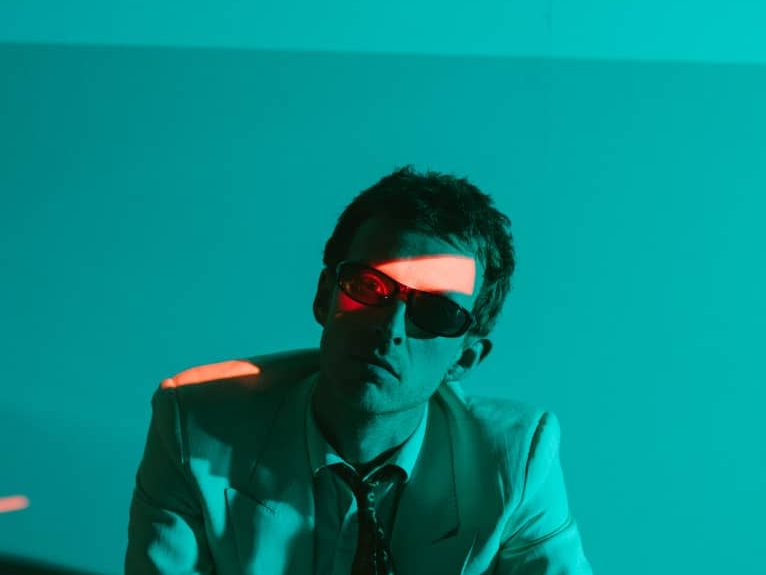
Emerging from the vibrant, eclectic music scene of London, Lee Feather and The Night Movers are a band defined by instinct, experimentation, and a delightfully unpredictable approach to songwriting. At the heart of the project is Lee Feather, a ’90s kid turned poet who, rifling through a stack of forgotten records, decided to create music entirely on his own terms. Rather than confining themselves to a single genre, the band embraces a deliberately eclectic, “liquorice-all-sorts” philosophy, allowing each song to take unexpected turns while remaining anchored in sharp, poetic storytelling. Their work spans a broad sonic spectrum: from the post-punk swagger of their single, “No Refunds (At The Pleasure Dome)”, which nods knowingly to artists like Fat White Family and Baxter Dury, to the dissonant, choral swells of Calvary and the jangly indie energy of Motorola.
This fluidity forms the backbone of a body of work that is both incisive and playful, exploring darkly humorous reflections on modern life while celebrating the joy of human connection. Every release is a left turn, a fresh exploration, revealing the band’s commitment to craft, narrative, and emotional honesty. On 21 November 2025, Lee Feather and The Night Movers unveiled their latest single, “Drugs for Christmas”, a refreshingly unconventional take on the holiday music canon. At first glance, the title may suggest irreverence, and indeed, it carries a mischievous charm, but beneath the tinsel-sparkled glockenspiel intro lies a genuinely heartfelt winter love song. The track follows two people wandering the city late at night, carried not by plans or destinations, but by the simple joy of each other’s company.
Feather’s signature half-spoken, poetic delivery captures the messy, merry chaos of British Christmas nights out, painting vivid snapshots of seasonal life with wit, humor, and tenderness. Blending layered harmonies, pub-singalong energy, and intricate instrumental interplay, particularly the violin-and-trumpet dialogue that evokes spontaneous back-of-the-pub celebrations, the song is both playful and poignant. It’s a characterful detour from the usual holiday fare, offering warmth, humor, and hope wrapped in the band’s unmistakable, genre-defying style. “Drugs for Christmas” is more than a single; it is an invitation into the world of Lee Feather and The Night Movers: a world where wit meets lyricism, spontaneity meets craft, and every song is a story waiting to unfold.
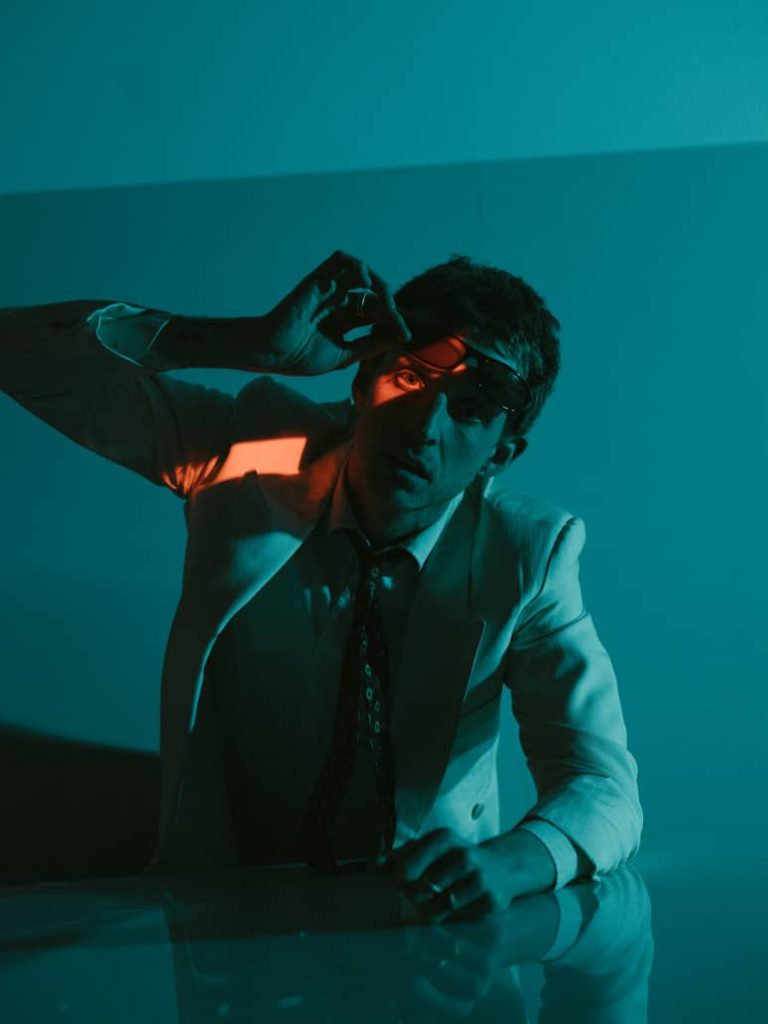
“Drugs For Christmas” by Lee Feather and The Night Movers begins with an atmospheric tension that immediately distinguishes it from anything traditionally associated with holiday music. Instead of jingling bells or bright festive motifs, the track introduces itself with a moody, slow-burning instrumental palette built around muted bass movements, restrained drum taps, and a gently distorted guitar tone that feels intentionally off-kilter. The opening seconds stretch out with a cinematic stillness, giving the listener space to sink into the song’s peculiar emotional setting. There is a deliberate sparseness in these early moments, almost as if the band wants the listener to feel the weight of the season before anything else is said or sung. This subdued introduction sets a contemplative yet ominous tone, preparing the stage for a narrative that leans into irony, darkness, and subtle introspection, elements that shape the track’s identity right from the start. The minimalism is not empty; it feels charged, creating an atmosphere thick with tension and expectation.
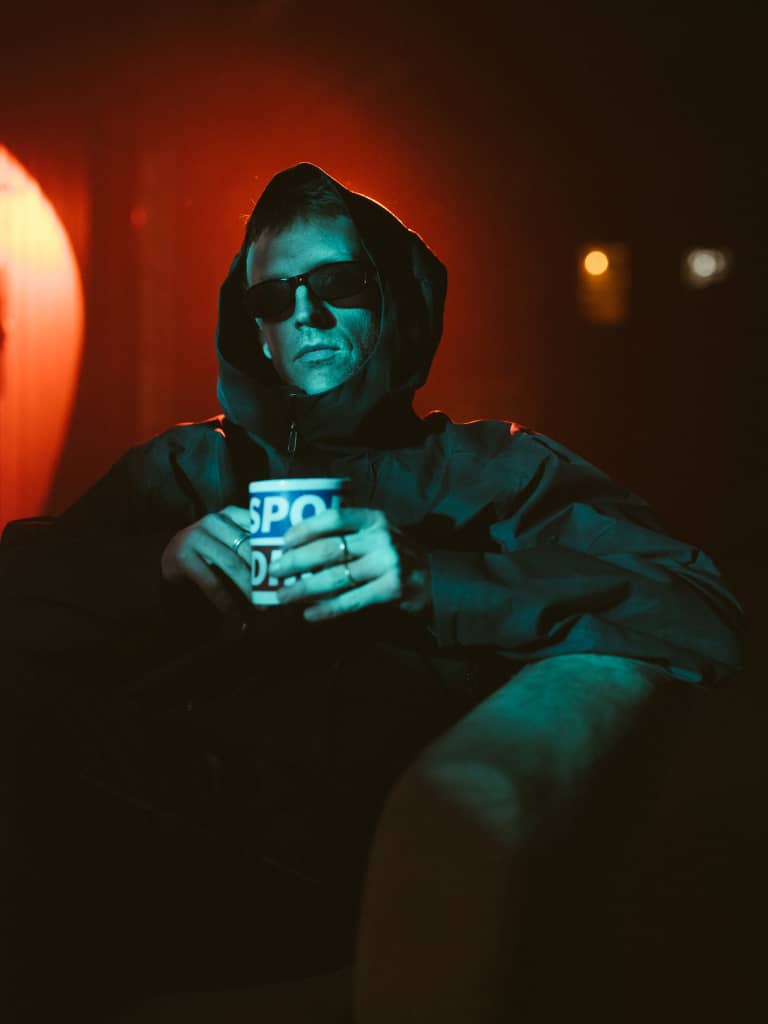
As the song expands, the instrumentation becomes a rich tapestry woven from layers of indie, post-punk, and alternative elements that give the composition its unique sonic personality. The bassline grows bolder and more textural, cutting through the mix with a gritty resonance that provides both backbone and emotional color. The guitars evolve from soft, hesitant strums into a more expressive interplay of rhythmic accents and atmospheric flourishes, sometimes shimmering with a chorus-like effect and at other times biting through with sharper tonal edges. Beneath these layers, the synth pads glide in with airy, spectral tones that subtly soften the track’s harsher edges, creating an intriguing contrast between warmth and rawness. The percussion maintains a steady pulse, tight hi-hats, crisp snares, and controlled kick patterns, that drive the song forward without overwhelming its atmospheric qualities. Every instrumental choice feels intentional, each sound contributing to a cohesive soundscape that blends melancholy with dark humor in a way that perfectly complements the song’s unconventional holiday theme.
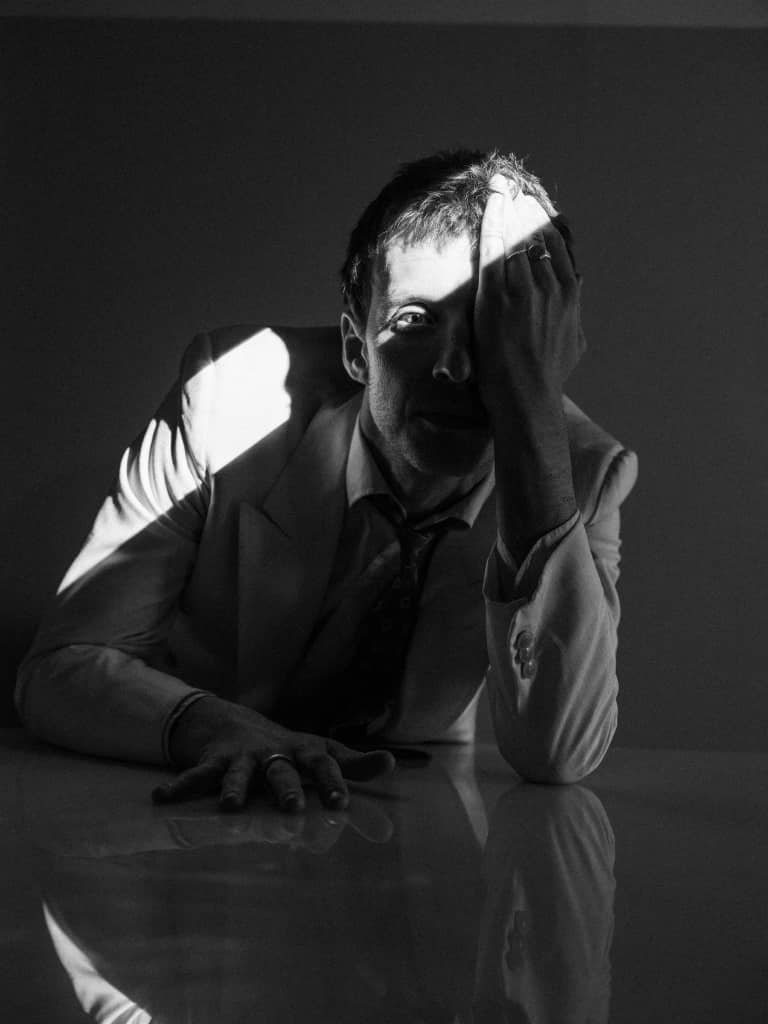
In the middle section, the track reaches a point of expanded emotional clarity as the arrangement opens into wider harmonic spaces and deeper dynamic shifts. The chord progressions take on a more introspective color, moving the listener from the initial tension into a more layered emotional landscape. Here, the interaction between the rhythm guitar, bass, and additional melodic textures becomes increasingly complex, with small motifs emerging almost like forgotten memories resurfacing. Subtle guitar licks, soft synth flickers, and percussive variations appear and disappear, enriching the composition without drawing attention away from the core groove. The dynamic progression in this section feels organic, slowly building into a fuller, more immersive atmosphere that mirrors the emotional weight of the lyrics and themes. This segment acts like a transitional bridge between contemplation and confrontation, revealing more depth and nuance as the track unfolds.
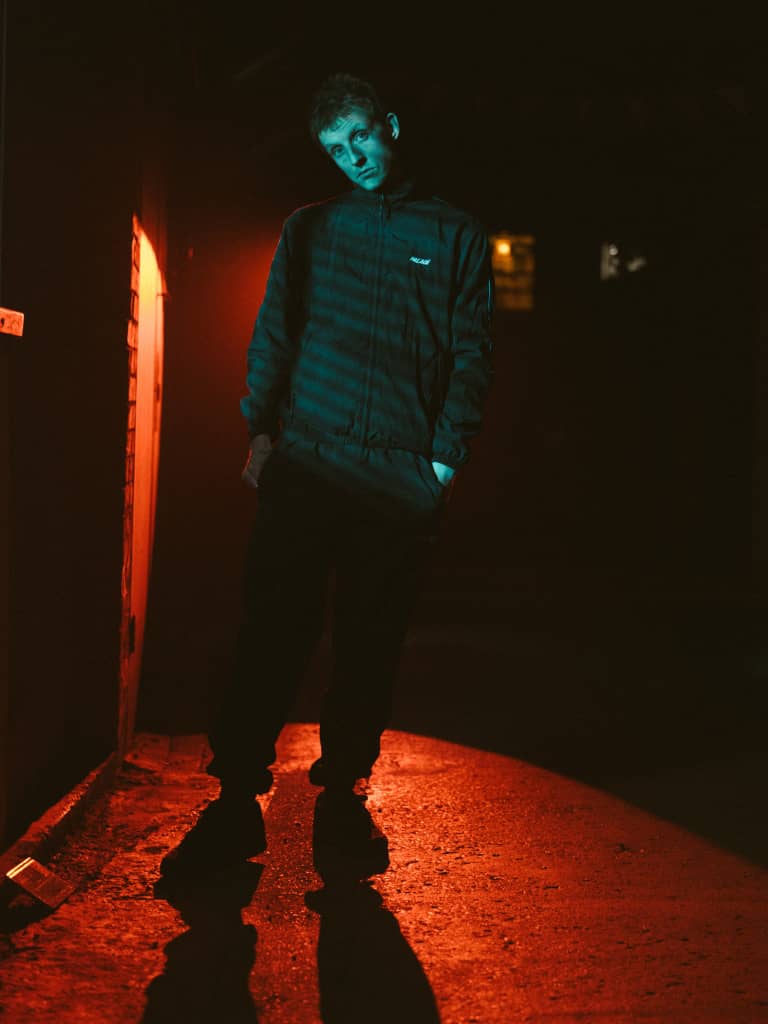
The vocal performance is a central pillar of the song’s identity, delivering not only the narrative but also the emotional tension and dark humor embedded within the lyrics. Lee Feather’s voice is textured with a blend of grit, weariness, and subtle sarcasm, aligning perfectly with the song’s cynical twist on holiday escapism. His delivery feels conversational yet poetic, with each line placed rhythmically in a way that enhances the song’s pacing and tonal character. There is a natural flow to his phrasing that makes the performance feel authentic, as if he is recounting personal experiences with an almost resigned clarity. The Night Movers contribute understated backing vocals that enrich the lead lines with depth, soft harmonies that appear like distant echoes or ghostly reflections in the background. These vocal layers add emotional density, helping to highlight the song’s mix of frustration, humor, and seasonal melancholy. Through his performance, the track gains narrative credibility and emotional bite, grounding the instrumentation with a voice that feels as honest as it is expressive.
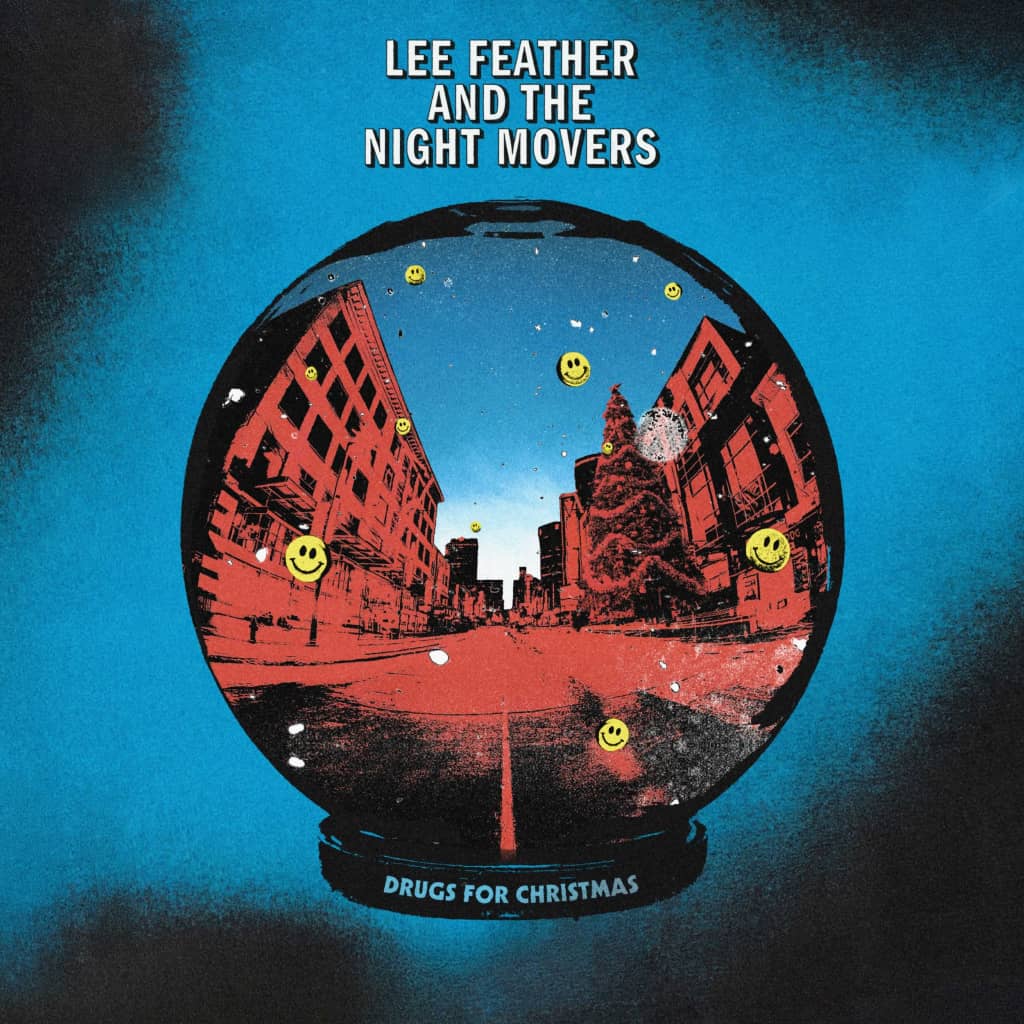
As the song approaches its climax, the production intensifies with well-calibrated energy and escalating emotion that elevate the track’s narrative arc. The guitars broaden into fuller, more resonant textures that widen the mix, while the bassline increases in urgency, driving the emotional tension higher. The drums introduce more intricate fills, sharper accents, and subtle groove variations that add momentum and reinforce the rising energy. Into this denser instrumental landscape, the vocals take on a more impassioned tone, amplifying the song’s sense of emotional release. The interplay between the increasingly rich instrumentation and the heightened vocal delivery creates a sonic swell that feels both chaotic and controlled, an intentional reflection of the song’s thematic blend of holiday pressure, personal conflict, and ironic detachment. The climax is neither explosive nor overwhelming; instead, it is layered, textured, and emotional, giving the listener a fully developed peak that remains true to the band’s identity.
Drugs for Christmas transforms holiday chaos into heartfelt, witty, and unforgettable music, dark humor, warmth, and human connection intertwined beautifully.
The ending of “Drugs For Christmas” brings the song full circle, guiding the listener into a reflective descent that mirrors the quiet tension of the introduction but with added emotional weight. The instrumentation gradually withdraws, stripping away layers until the core elements remain, softening guitars, a more relaxed bassline, and drums that return to a minimalist, heartbeat-like rhythm. This fade-out feels intentional, almost therapeutic, signaling a release of the tension built throughout the song. The final moments linger with a sense of unresolved reflection, capturing the complex emotional aftertaste that the holiday season often brings. The conclusion preserves the song’s blend of dark humor and introspective honesty, leaving the listener with a haunting resonance that stays long after the track ends. Through its atmosphere, craftsmanship, and emotional depth, “Drugs For Christmas” stands out as a bold, unconventional, and artfully executed piece that transforms seasonal music into something strikingly human and unquestionably memorable.
For more information about Lee Feather and The Night Movers, click on the icons below.