

Louise Harrison is a Dublin-born artist whose musical identity has been shaped by a rare balance of academic excellence, performance discipline, and lived artistic experience. Her journey into music is rooted deeply in formal training, marked by distinctions in vocal performance from Trinity College London, where she earned both the A.T.C.L. and L.T.C.L. qualifications. These achievements reflect not only technical mastery but also a refined understanding of vocal control, expression, and interpretive depth. Complementing this foundation, Louise pursued a BA in Music and English, a Master’s degree in Ethnomusicology, and an MA in Journalism, equipping her with a broad intellectual framework that informs both her musical storytelling and her lyrical sensitivity. While studying, Louise immersed herself in performance-based environments that strengthened her connection to audiences and tradition. Her work as a Bunratty Castle Entertainer placed her within a space where history, narrative, and music intersect, sharpening her ability to communicate emotion through song.
Alongside this, she worked as a wedding ceremony soloist, an experience that further refined her expressive restraint and emotional clarity. Her recording and touring work with Anúna added another vital dimension to her artistry, expanding her understanding of ensemble performance, harmony, and musical atmosphere. Over time, Louise earned numerous awards for her vocal performances and appeared as a soloist in concerts and venues across the country, steadily building a reputation defined by consistency, elegance, and emotional intelligence. Louise Harrison’s recorded work reflects this carefully cultivated journey. Her earlier album, “Dream”, recorded at Silverwood Studios in Wicklow, established her as an artist committed to sincerity and musical craftsmanship. Rather than rushing artistic development, she has allowed each phase of her career to deepen her voice, refine her perspective, and clarify her artistic purpose. This steady evolution finds its most confident expression in her 2025 release, “Blame It on the Moon”, a project that draws together her academic grounding, performance history, and personal musical sensibilities into a cohesive artistic statement.
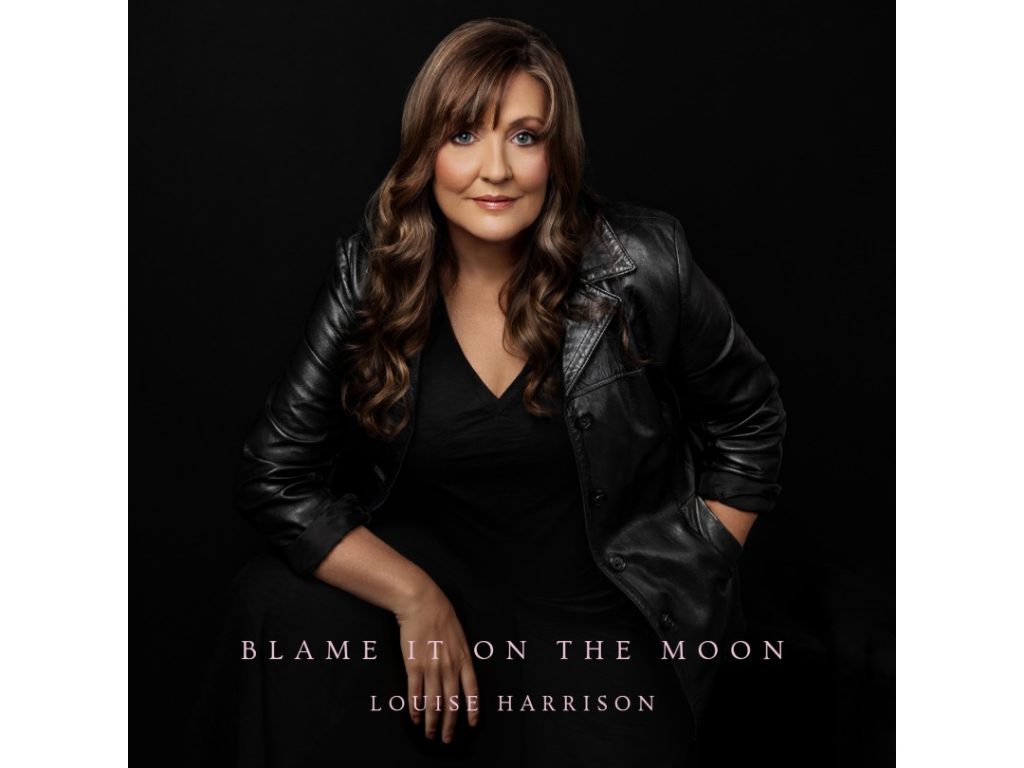
Released on the 6th of November 2025, “Blame It on the Moon” stands as a luminous chapter in Louise Harrison’s artistic story, capturing the quiet strength of an artist fully at ease with her voice. Recorded at Red Door Studios with Dave Keary and Denis Carey, the album presents eleven tracks made up of six original compositions and five carefully chosen cover songs. Rather than separating original material from interpretation, Louise weaves them together into a unified listening experience, where personal reflection and timeless songwriting exist side by side.
“Blame It on the Moon” is an album shaped by restraint, emotional honesty, and thoughtful storytelling. It reflects an artist who understands the power of subtlety, allowing space, tone, and phrasing to communicate as much as lyrics themselves. Each song feels grounded in experience, influenced by Louise’s background in ethnomusicology, vocal performance, and live interpretation. The album does not chase spectacle; instead, it invites the listener into a calm, reflective world where emotions unfold gently and meaning reveals itself over time. Following the path laid by her earlier release “Dream”, this album affirms Louise Harrison’s dedication to her craft and her commitment to music as an expressive and narrative art form. Blame It on the Moon is both a personal statement and a shared emotional journey, one that encourages listeners to pause, reflect, and find resonance within its quiet, soulful melodies.
Blame It On The Moon Album Track List:
Blame It On The Moon:
“Blame It On The Moon” opens with a hushed sense of intimacy that immediately draws the listener into Louise Harrison’s emotional orbit. The song begins gently, carried by a soft, unassuming piano progression that feels almost weightless, as though it is deliberately leaving space for emotion to breathe. The pacing is unhurried, allowing each chord to linger just long enough to establish a reflective mood. From the very first notes, there is a quiet vulnerability embedded in the arrangement, a sense that the song is not trying to impress through complexity but instead through sincerity. The instrumental restraint is crucial here; nothing rushes forward or overwhelms the atmosphere. Instead, the music feels like moonlight itself, calm, delicate, and softly illuminating emotions that are often left unspoken. This careful introduction sets the tone for a piece rooted deeply in introspection, where subtlety becomes its greatest strength.
Louise Harrison’s vocal performance is the emotional core of the song, delivered with a tenderness that feels deeply personal rather than performative. Her voice enters gently, almost conversational, yet it carries a refined emotional control that reflects her strong vocal training. There is a fragile warmth in her tone, one that conveys longing, reflection, and emotional honesty without ever becoming dramatic or overstated. Each lyric feels carefully placed, as though she is confiding in the listener rather than addressing an audience. The phrasing is fluid and expressive, with delicate rises and falls that mirror the emotional ebb and flow of the song’s narrative. As the song progresses, her vocals subtly gain depth, not in volume but in emotional weight, allowing the listener to feel the quiet ache and romantic wistfulness that the song embodies. The harmonies, when they appear, are subtle and tastefully layered, adding dimension without distracting from the intimacy of the lead vocal. This balance between control and vulnerability is what makes the performance so affecting, as it allows emotion to resonate naturally.
As “Blame It On The Moon” unfolds, the arrangement gently expands while maintaining its minimalist soul. The piano remains the anchor, but soft textural elements quietly weave in, enhancing the emotional atmosphere without shifting focus away from the song’s core sentiment. The progression never feels forced; instead, it evolves organically, mirroring the slow realization and emotional reflection suggested by the lyrics. The song’s structure is simple yet purposeful, allowing repetition to feel comforting rather than predictable. By the time the final moments arrive, there is a sense of emotional release, not through dramatic climax, but through quiet acceptance. The ending feels like a soft exhale, leaving the listener suspended in reflection rather than resolution. “Blame It On The Moon” succeeds because it understands the power of understatement, offering a tender, heartfelt listening experience that lingers long after the final note fades.
Same Way Too:
“Same Way Too” opens with an understated yet compelling arrangement that immediately signals a shift from the intimate minimalism of the album’s earlier tracks into a more rhythmically and melodically textured soundscape. The song begins with a subtle interplay between gentle acoustic strumming and a lightly brushed percussion, establishing a warm, almost conversational groove. From the first moments, there is a sense of movement, a quiet momentum that propels the song forward without overwhelming the listener. Louise Harrison’s melodic choices here are deliberate; her phrasing is relaxed, yet precise, allowing the natural cadence of the lyrics to guide the emotional contour of the track. The instrumentation is layered carefully, with soft harmonic accents appearing intermittently, giving the song a depth that feels both organic and intimate. This balance between rhythmic structure and melodic openness sets a foundation for a narrative that feels personal yet universally relatable, creating a sense of connection from the very start.
Harrison’s vocal delivery on “Same Way Too” is particularly striking in its blend of subtlety and expressiveness. She approaches the lyrics with a gentle, almost contemplative tone, which conveys both introspection and quiet determination. The nuances in her voice, the delicate vibrato, the soft slides between notes, and the controlled dynamics, serve to highlight the emotional core of the song. She navigates the verses with a conversational intimacy, drawing the listener into the story without overt dramatization, while the chorus lifts slightly in melodic range and intensity, providing a sense of emotional release that feels natural and earned. Background harmonies appear sparingly but effectively, adding dimension and texture that enhance the emotional resonance without ever overshadowing the lead vocal. The interplay between her voice and the instrumental bed creates a fluid dialogue, as if the music itself is echoing or gently commenting on the lyrical sentiment, emphasizing the reflective yet hopeful mood of the track.
The structural progression of “Same Way Too” is both elegant and deliberate, allowing the song to breathe while maintaining a coherent narrative arc. The bridge introduces subtle shifts in chord voicings and slightly expanded instrumental textures, providing contrast and a gentle tension that resolves beautifully as the song returns to its central motif. The acoustic and percussive elements remain understated but purposeful, guiding the listener through a journey of introspection and quiet emotional affirmation. The production choices favor clarity and space, giving each element; vocals, guitar, and percussive nuances, room to shine individually while contributing to the cohesive whole. As the track concludes, there is a lingering sense of reflection, an emotional resonance that feels simultaneously intimate and expansive, leaving the listener with the impression of having shared a private, thoughtful moment with the artist. “Same Way Too” succeeds in marrying lyrical sincerity, expressive vocal performance, and restrained yet rich instrumentation, making it a standout example of Louise Harrison’s ability to craft songs that are both emotionally nuanced and musically engaging.
Caledonia:
“Caledonia” arrives as one of the most emotionally resonant moments on the album, unfolding with a sense of warmth and deep-rooted nostalgia that immediately captures the listener’s attention. The song opens with a gentle, flowing instrumental introduction, led primarily by soft acoustic textures that feel natural and unembellished. There is an earthy, folk-leaning quality to the arrangement, one that evokes imagery of open landscapes and quiet reflection. The pacing is measured and patient, allowing the melody to develop organically without rushing its emotional intent. Each instrumental layer feels thoughtfully placed, creating a comforting foundation that honors the song’s timeless essence while aligning it with the album’s intimate sonic palette. From the very beginning, “Caledonia” establishes a mood of longing and heartfelt reflection, drawing the listener into a deeply personal emotional space.
Louise Harrison’s vocal performance on “Caledonia” is tender, expressive, and profoundly sincere, serving as the emotional anchor of the track. She delivers the lyrics with a soft yet confident tone, allowing the natural emotion of the song to shine without excessive dramatization. Her phrasing is fluid and heartfelt, with subtle dynamic shifts that emphasize the song’s emotional peaks and gentle moments of introspection. There is a comforting warmth in her voice, one that conveys affection, reflection, and emotional honesty in equal measure. The way she navigates the melody feels deeply respectful of the song’s legacy, while still infusing it with her own interpretative nuance. Background harmonies appear sparingly, adding a gentle depth that enriches the vocal landscape without distracting from the lead. This careful balance allows the song’s emotional message to remain front and center, making each line feel both personal and universal.
As “Caledonia” progresses, the arrangement subtly expands, introducing additional textural elements that enhance the song’s emotional weight while preserving its simplicity. The instrumental progression is gradual and organic, building a quiet sense of emotional fullness that mirrors the growing intensity of the narrative. There are no abrupt changes or dramatic climaxes; instead, the song relies on steady emotional development and melodic continuity. The production remains clean and intimate, allowing the natural resonance of the vocals and instruments to shine through. In its closing moments, the song gently settles back into its reflective tone, leaving the listener with a lingering sense of warmth and emotional connection. “Caledonia” stands out as a beautifully rendered interpretation that captures the spirit of longing and belonging, showcasing Louise Harrison’s ability to honor a classic while seamlessly weaving it into the emotional fabric of the album.
Landslide:
“Landslide” emerges as a deeply reflective and emotionally grounded moment on the album, unfolding with a sense of quiet reverence that immediately commands attention. The song opens with a gentle, stripped-back instrumental introduction, anchored by soft acoustic textures that feel intentionally delicate and spacious. Each note is allowed to resonate fully, creating an atmosphere of stillness and introspection that prepares the listener for the emotional weight to come. The pacing is slow and deliberate, emphasizing restraint rather than dramatic flourish, and this choice proves essential in preserving the song’s intimate character. The arrangement respects the song’s timeless structure while subtly aligning it with the album’s overall minimalist aesthetic, allowing the emotion to unfold naturally and without distraction.
Louise Harrison’s vocal performance on “Landslide” is profoundly tender, marked by a sense of vulnerability and emotional clarity that feels both respectful and deeply personal. Her voice carries a gentle warmth, delivered with careful phrasing that highlights the reflective nature of the lyrics. Rather than relying on vocal power, she leans into softness and emotional nuance, allowing subtle inflections and controlled dynamics to convey the song’s depth. Each line is delivered with a sense of lived experience, as though the lyrics are being rediscovered in the moment of singing. Background harmonies are woven in with restraint, adding a soft emotional halo around the lead vocal without overpowering it. This careful vocal balance enhances the song’s introspective mood, allowing the listener to fully absorb its emotional narrative.
As “Landslide” progresses, the arrangement evolves with graceful subtlety, introducing gentle layers that add emotional weight while maintaining the song’s intimate core. The instrumentation remains uncluttered, with small shifts in texture and harmony providing depth and progression without disrupting the calm emotional flow. The production favors clarity and warmth, allowing both the vocals and instruments to breathe naturally within the mix. In the final moments, the song gently recedes, returning to a sense of quiet reflection that leaves a lasting emotional impression. There is no dramatic conclusion, only a soft, contemplative ending that feels honest and deeply moving. In this rendition, “Landslide” becomes a moment of stillness and emotional truth, showcasing Louise Harrison’s ability to interpret a classic with grace, sensitivity, and heartfelt sincerity.
Blame It on the Moon is a tender, reflective album where Louise Harrison’s restraint, sincerity, and emotional storytelling quietly linger long after listening.
In its entirety, “Blame It on the Moon” emerges as a quietly powerful and emotionally cohesive body of work that affirms Louise Harrison’s place as an artist of depth, restraint, and enduring sincerity. The album succeeds not by grand gestures or overt dramatics, but through its unwavering commitment to emotional truth, thoughtful interpretation, and refined musical craftsmanship. Across both original compositions and carefully chosen cover songs, Louise maintains a consistent narrative voice, one shaped by her academic grounding, performance history, and lived musical experience. Each track feels intentionally placed, contributing to an overarching atmosphere of reflection, intimacy, and gentle self-examination that invites the listener to slow down and engage fully with the music. The production choices support this vision with clarity and warmth, allowing vocals and instrumentation to breathe naturally and reinforcing the album’s contemplative character. “Blame It on the Moon” is particularly recommended for listeners who value storytelling, subtle emotional nuance, and music that resonates long after it ends rather than demanding immediate attention. It will appeal to those drawn to singer-songwriter traditions, acoustic and folk-leaning arrangements, and interpretations rooted in respect and authenticity. Ultimately, this album is not just a listening experience but a shared emotional space, one that rewards patience and reflection, and stands as a testament to Louise Harrison’s dedication to her craft and her ability to transform quiet moments into lasting musical impressions.
For more information about Louise Harrison, click on the icons below.