
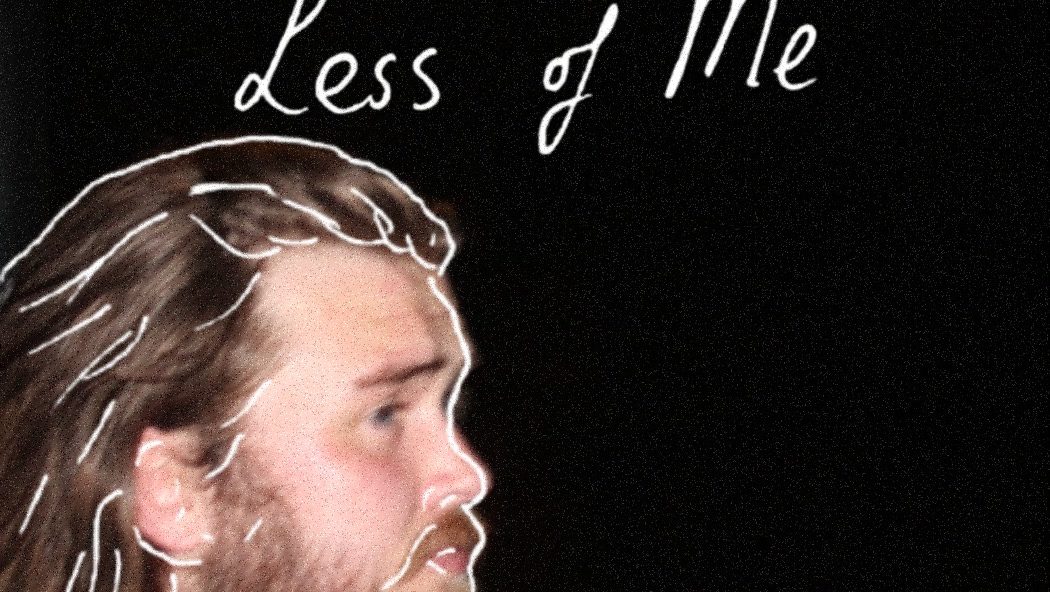
Podge Lane is an Irish alt-country artist whose music blurs the line between humor and heartbreak, combining intricate storytelling with a fearless embrace of vulnerability. Based in Cork, Lane has steadily carved a distinct place for himself within Ireland’s modern country and folk scene, earning recognition for his evocative lyricism, droll charm, and experimental approach to traditional instrumentation. Since his debut Outer Monologues in 2021, Lane has emerged as a deeply introspective songwriter, capable of transforming personal reflection into collective experience. His evolution has been both artistic and geographical, performing across Europe, supporting acclaimed acts like The Wedding Present, Charlie Parr, and Vieux Farka Touré, and capturing audiences with his live emotional intensity. With each record, from Common Country Misconceptions (2023) to the acclaimed Multiple Dead Ends (2024), Lane has proven himself a boundary-pushing troubadour, guided by wit, empathy, and fearless self-exploration. His work continues to expand the meaning of alt-country by blending the raw poetry of folk with the imaginative textures of indie and Americana, positioning him as one of Ireland’s most authentic and inventive voices.

“Less Of Me” released on October 17th, 2025, via Teip Records, is an immersive and transformative work that captures the heart and soul of Podge Lane’s artistic evolution. It represents a deeply introspective chapter in his career, both musically and personally, as he ventures far from his home in Cork, Ireland, into the emotional and geographical landscapes of the American South. The album was conceived and recorded in motion, its songs taking form through constant travel, nightly performances, and raw human encounters that shaped their tone and texture. Each of the ten tracks embodies the sense of transience and rediscovery that comes from leaving comfort behind and letting experience guide the creative process. Thematically, “Less Of Me” is a meditation on perspective and humility. It captures a songwriter shedding layers of ego and expectation in order to uncover a more authentic truth about himself and the world around him. Lane’s words often feel like fragments of thought captured mid-journey, tender yet grounded, framed by the unfiltered honesty that has long been his signature.
Musically, “Less Of Me” is a rich and deliberate exploration of sound, built on the delicate balance between folk simplicity and alt-country experimentation. The album embraces the warmth of live acoustic instrumentation, the shimmer of slide guitars, the soft hum of harmonicas, and the gentle pulse of muted percussion. Lane’s arrangements carry an organic looseness, as though every chord and note were played with an awareness of imperfection that only deepens their beauty. The production captures the intimacy of the performance without polishing away its humanity, leaving in the small breaths, string slides, and echoes that make each track feel lived in. The result is a sound that feels timeless and unpretentious, recalling the narrative craft of John Prine and the melodic warmth of Bruce Springsteen’s acoustic records while maintaining Lane’s uniquely conversational tone. His voice, tender yet unwavering, serves as the emotional compass of the album, guiding listeners through a sonic terrain where melancholy and hope coexist in quiet harmony.
Less Of Me Album Track List:
Kicking Up Dust:
“Kicking Up Dust” opens Podge Lane’s “Less Of Me” with a sound that feels both physical and emotional, grounding the album in a dusty landscape of movement, memory, and quiet revelation. From its very first strum, the song introduces the listener to the earthy heartbeat that defines the record’s spirit. The guitars unfold with a soft, circular rhythm, evoking the gentle persistence of travel, while brushed percussion and a warm, breathing bass create an atmosphere that feels as intimate as a small live room recording. Lane’s voice sits unguarded in the center, weathered but clear, carrying the tone of a storyteller who has spent long nights driving through unfamiliar towns. The production captures every small imperfection, the scrape of fingers against strings, the audible breath before a phrase, giving the song a documentary-like realness that pulls the listener closer. It feels as though the song is happening in real time, not performed for an audience but lived in, unfolding naturally with each passing measure.
Melodically, “Kicking Up Dust” sits within a folk Americana framework that embraces restraint rather than flourish. Its verses are built around familiar tonal anchors that ground the listener, while the chorus opens up with subtle harmonic shifts that mirror the feeling of freedom and uncertainty. The progression remains diatonic but gains its emotional strength from the openness of its suspended chords and the way Lane allows silence to carry meaning between phrases. This harmonic spaciousness gives the track a sunlit expansiveness, as if the music itself were stretching across a horizon. The song’s pacing is unhurried, refusing to chase resolution; instead, it invites the listener to settle into its rhythm and breathe with it. Lane’s melodic delivery mirrors this intention, his vocal phrasing shaped by the natural cadence of speech rather than rigid meter, making his storytelling feel spontaneous and deeply human. Each word seems to carry both the fatigue and fulfillment of the road, embodying the paradox of constant motion, the simultaneous desire to move forward and the quiet ache of leaving pieces of oneself behind.
Lyrically and emotionally, “Kicking Up Dust” serves as the thematic cornerstone of the album. It captures the heart of Lane’s journey, the act of chasing something intangible while acknowledging the residue of what must be left behind. The “dust” becomes both a literal and metaphorical image of consequence, the visible trace of movement that lingers after each step forward. Lane’s lyrics are plainspoken yet deeply evocative, rich with meaning without leaning on metaphorical excess. His choice of words reflects the simplicity and authenticity that drive the album’s overall philosophy, truth spoken plainly, emotion carried softly. As the song builds toward its final chorus, the instruments subtly swell without ever breaking the spell of intimacy. The ending feels less like closure and more like continuation, as if the song simply drifts onward into the next stretch of road. “Kicking Up Dust” encapsulates everything “Less Of Me” stands for, music that moves with honesty, storytelling that breathes, and emotion that reveals itself not through grandeur but through the quiet persistence of the human heart.

Broken Door:
“Broken Door” is one of the most emotionally revealing moments on “Less Of Me,” shifting the album’s perspective from the restless movement of the road to the quiet confrontation of the self. The song begins with a sense of stillness, its opening chords finger picked with tender precision, creating a fragile space that feels more like a confession than a performance. The instrumentation is intentionally sparse, featuring only an acoustic guitar, faint percussion, and the distant hum of ambient electric tones that drift through the background like the echo of unresolved thoughts. This minimalism draws attention to every nuance in Podge Lane’s performance, from the soft breaths between lines to the way his fingers linger on the strings. His voice arrives subdued and delicate, carrying the intimacy of a late night reflection shared in solitude. There is a tangible sense of vulnerability in his tone, as if each word were weighed carefully before being released into the air. Through this restrained sonic landscape, Lane creates a deeply personal atmosphere that pulls the listener inward, away from the external world and into the tender fragility of emotional repair.
Musically, “Broken Door” relies on the beauty of simplicity to convey its power. The melodic structure stays close to its tonal center, looping around familiar progressions that mirror the cyclical nature of self examination. The use of mixed major and minor harmonies infuses the track with a quiet melancholy, capturing both sorrow and the faint shimmer of resilience that accompanies it. Every note seems to breathe, unhurried and contemplative, giving space for the emotions to resonate naturally. The song’s production choices reinforce this sense of intimacy, allowing slight imperfections to remain intact, enhancing its authenticity rather than polishing it away. The subtle reverb and echo effects add depth without distraction, creating the illusion of a vast yet empty room where each sound carries its own echo of memory. Lane’s control over pacing and silence is masterful; he allows hesitation to speak as eloquently as melody, letting emotion unfold in its own time. The result is a track that feels suspended between sadness and acceptance, a musical embodiment of the fragile process of healing.
Lyrically, “Broken Door” serves as one of the emotional pillars of “Less Of Me,” encapsulating the album’s core themes of vulnerability, endurance, and self understanding. The central metaphor of the “broken door” becomes a powerful symbol of emotional openness, something once meant to guard and divide that now allows truth to enter freely, even if imperfectly. Lane writes with restraint, avoiding ornate imagery in favor of plainspoken reflection, which makes his words feel disarmingly honest. Each line carries a quiet weight, balancing between resignation and hope, capturing the courage it takes to confront one’s flaws without turning away. As the song reaches its gentle close, the instrumentation fades into silence rather than resolution, leaving the listener in a space of contemplation rather than conclusion. What lingers is not despair but dignity, the sense that healing does not come from fixing what is broken but from learning to live truthfully within that brokenness. “Broken Door” stands as a moment of stillness and revelation within “Less Of Me,” a song that proves that the softest expressions often hold the deepest truths.
Heatwave:
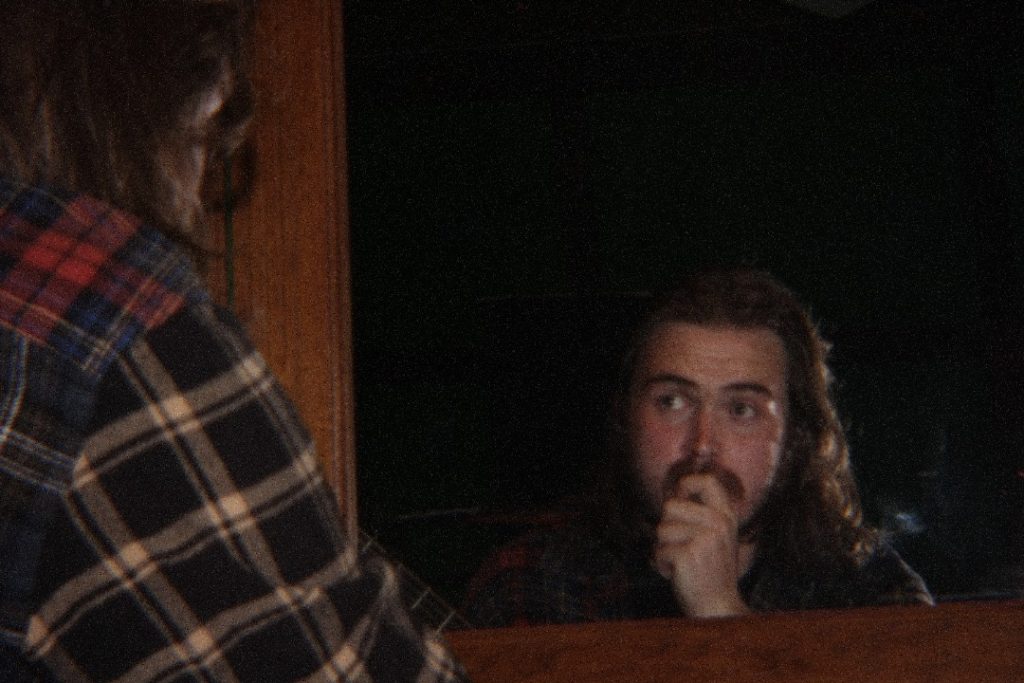
“Heatwave” bursts to life as one of the most vibrant and kinetic moments on “Less Of Me,” infusing the album’s introspective tone with a sense of liberation and warmth. From the very first bar, the track radiates movement and light, carried by an arrangement that balances earthy authenticity with cinematic flair. Acoustic guitars shimmer against rolling piano chords, while splashes of harmonica flicker through the mix like rays of sun breaking through haze. The percussion, more assertive than in earlier tracks, establishes a lively pulse that mirrors the energy of long summer drives and restless pursuit. Beneath it all, the bass hums with a steady thrum that holds the song together, grounding its intensity in rhythm rather than excess. Podge Lane’s voice rises and falls with expressive freedom, shifting from conversational storytelling in the verses to expansive, full bodied choruses that capture both urgency and release. Every element of the instrumentation seems to breathe, contributing to a soundscape that feels as tactile as it is emotional. “Heatwave” immediately stands out as a moment of brightness and momentum within the album’s reflective journey, the sound of an artist stepping confidently into the light.
Musically, “Heatwave” showcases Lane’s ability to create energy without sacrificing sincerity. The composition leans into Americana roots, blending folk textures with rhythmic sophistication, yet it remains unmistakably his own through the charm of Irish storytelling woven into every line. The harmonic structure employs major tonalities enriched by suspended and secondary chords, producing an atmosphere of brightness tinged with longing. The interplay between tension and release in the melody mirrors the push and pull of emotion that defines the song’s essence. Lane’s vocal phrasing carries this same duality, alternating between controlled quietness and impassioned projection, as if each chorus were an exhale after a long breath held in the heat. The production glows with organic warmth, every instrument occupying its own space without overpowering the others. The rhythm section sways with syncopated ease, giving the track a sense of movement that feels natural and lived in rather than rehearsed. By the time the harmonica returns near the end, cutting sharply through the rising percussion, the song reaches its emotional peak, capturing the euphoria and exhaustion of a heart set ablaze by both desire and clarity.
Lyrically, “Heatwave” intertwines physical and emotional imagery to portray renewal through intensity. Lane writes with painterly precision, combining sunlit visuals with intimate reflections on connection, transformation, and the courage to embrace change. The heat he describes is both literal and symbolic, representing the fever of experience and the melting away of emotional barriers. Through vivid but economical language, he conveys the rush of rediscovery, where discomfort becomes growth and vulnerability turns into strength. The song’s pacing mirrors the natural rhythm of this evolution, beginning with grounded reflection and rising toward a triumphant culmination. In its final moments, Lane’s voice carries a conviction that feels hard won, embodying the joy of self acceptance and the fire of resilience. “Heatwave” stands as a pivotal centerpiece within “Less Of Me,” marking the point where introspection transforms into renewal. It is the sound of warmth returning after a long season of cold reflection, a celebration of being alive, imperfect, and fully human.
Let Me Ask You:
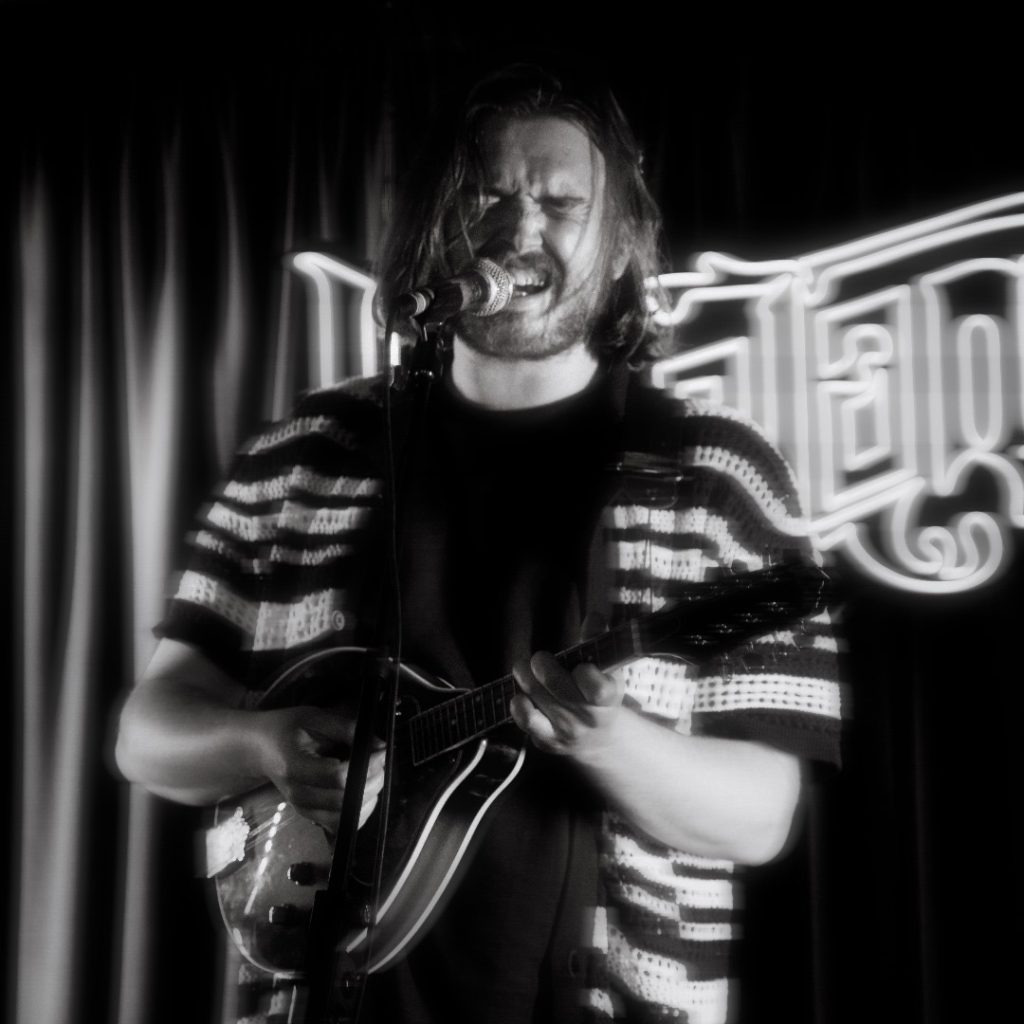
“Let Me Ask You” serves as the emotional conclusion of “Less Of Me,” gently bringing the album to rest in a space of introspection and connection. It begins with a tender acoustic progression that immediately creates an atmosphere of calm and sincerity. The song unfolds with the simplicity of a conversation, marked by soft strumming and a quiet vocal entry that invites the listener into its intimate world. The arrangement is sparse yet full of nuance, with faint piano or organ chords breathing in and out of the mix and subtle electric guitar lines shimmering like fleeting thoughts. Percussion is nearly absent, reduced to a soft pulse that mirrors the rhythm of a heart rather than a beat. Podge Lane’s vocal delivery is delicate and deeply expressive, marked by a tone that is both fragile and assured. He phrases each line with a conversational ease, as if speaking directly to the listener in the stillness of night. The melody gently rises and falls, carrying the emotional weight of unspoken questions and quiet realizations. From its first notes, “Let Me Ask You” feels like the heart of the record finally exhaling after a long emotional journey.
The song’s harmonic language reflects its emotional complexity, drawing on borrowed chords and tender suspensions that infuse each cadence with bittersweet beauty. This gives the track a subtle tension, a sense of yearning that never quite resolves but lingers like an unanswered question. Lane uses this harmonic uncertainty to mirror the lyrical theme of vulnerability, crafting a sonic landscape where openness feels both brave and fragile. The melody moves with deliberate restraint, never rushing toward climax but instead unfolding naturally, allowing the emotional arc to develop in its own time. The instrumentation, though minimal, is layered with intention as every note feels essential and every silence meaningful. The gentle interplay between the acoustic guitar and the faint traces of organ or electric shimmer evokes a sense of interiority, as though the song itself were thinking out loud. The production captures this vulnerability with a raw clarity, preserving the natural reverb and even the small imperfections that make the performance human. It is this honesty, rather than grandeur, that gives “Let Me Ask You” its quiet power.
Lyrically, the song feels like both a plea and a reflection, the point at which the search for understanding outweighs the need for resolution. Lane writes with conversational intimacy, focusing on the subtle truths that define connection, the moments when love feels uncertain but still worth holding onto. Each line carries emotional precision, avoiding embellishment in favor of simplicity and sincerity. As the song unfolds, subtle harmonies and instrumental swells emerge, suggesting emotional growth and a soft acceptance of imperfection. When the music finally fades, it does not leave the listener with closure but with peace, a calm acknowledgment that asking questions and embracing uncertainty are essential parts of being human. “Let Me Ask You” closes “Less Of Me” with profound restraint, turning the album’s emotional exploration inward once more and leaving behind an echo of quiet courage. It is not an ending but a moment of stillness where honesty feels like grace.

Every song within “Less Of Me” feels interconnected, as if forming chapters of a single story told through shifting moods and settings. Tracks like “Heatwave” and “Kicking Up Dust” burst with energy and road-worn spirit, driven by bright guitar work and rhythmic vitality that reflect the restless motion of life on tour. These songs capture the thrill of the journey and the grit of the open road, yet they are balanced by moments of stillness and reflection found in pieces like Let Me Ask You and Broken Door. In these quieter spaces, Lane’s lyrical precision shines as he turns everyday details into emotional revelations, painting vivid portraits of doubt, longing, and resilience. His songwriting thrives on subtlety rather than grandeur, often allowing silence or repetition to carry meaning where words might fall short. This restraint gives the album an almost meditative quality, inviting listeners to lean in and uncover layers of feeling with each listen.

Lyrically, “Less Of Me” embodies a kind of paradoxical openness. It is simultaneously personal and impersonal, intimate yet expansive. Lane writes from observation rather than confession, using the world as a mirror to understand himself. The title itself speaks volumes, suggesting a deliberate act of self-erasure that allows his songs to focus less on ego and more on empathy. Through storytelling and character sketches, he explores themes of displacement, identity, and growth with humility and humor, finding meaning in imperfection and solace in simplicity. His lyrics are poetic but accessible, filled with small images that carry immense weight, like headlights cutting through southern fog or an old door creaking open to reveal both memory and possibility. What emerges is a narrative of acceptance, one that acknowledges the beauty of uncertainty and the freedom that comes from letting go of control. Each song feels like a snapshot of the human condition, captured through the eyes of a traveler learning to see the world anew.
Less Of Me is a Tender Reflection Of Podge Lane’s Soul, Blending Vulnerability, Warmth, And Poetic Storytelling Into A Heartfelt Journey That Finds Beauty In Imperfection And Truth In Simplicity
Ultimately, “Less Of Me” stands as one of Podge Lane’s most accomplished and affecting works, a culmination of his years spent refining his craft and pushing the emotional boundaries of alt-country. The album’s cohesiveness lies in its unguarded honesty, its willingness to prioritize authenticity over perfection. Recorded over seven days in the sweltering heat of New York City, it channels both the exhaustion and exhilaration of creative rebirth. The experience of performing over a hundred shows and allowing audiences to shape.
For more information about Podge Lane, click on the icons below.