
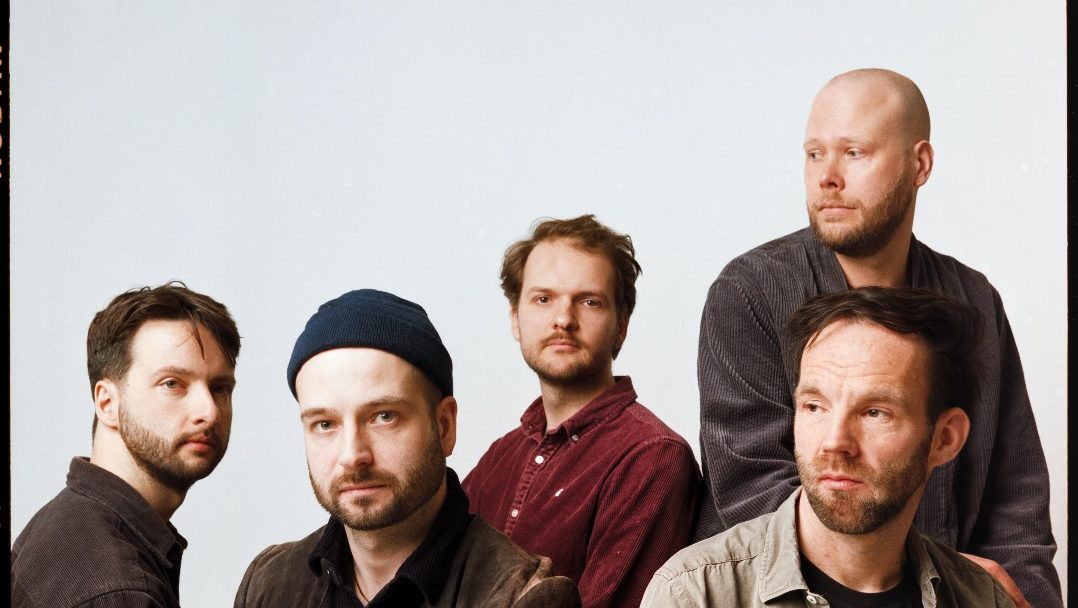
Born in 1987 in Rotterdam, The Netherlands, Ruud Voesten is a gifted drummer and composer whose musical identity thrives at the intersection of intellect, emotion, and artistry. Emerging from the rich jazz tradition of the Dutch music scene, Voesten has steadily evolved into one of Europe’s most thoughtful and concept-driven composers. His works are not merely performances of sound, they are immersive philosophical explorations, where each composition is a dialogue between music, literature, and human emotion. Deeply influenced by the timeless works of Dante Alighieri, Voesten’s music blends jazz sensibilities, chamber music structure, and classical depth, resulting in a style that is both cerebral and spiritual. Voesten first gained acclaim with his debut album “Ambrosia” (2023), a breathtaking project inspired by Dante’s Inferno, the first part of The Divine Comedy.
The album earned attention for its haunting balance of improvisation and composition, capturing the emotional gravity of Dante’s descent into the depths of Hell. Building on that success, Voesten now turns to the next chapter of the Italian poet’s masterpiece with “Ambrosia II”, a continuation that shifts focus from the darkness of sin to the light of redemption. This forthcoming record, inspired by Purgatorio, reflects a transformation in both tone and spirit, revealing an artist who continues to grow in vision and sensitivity. For the creation of this new repertoire, Voesten was invited by Il Palmerino in Florence, a historic residence where Dante himself once lived, to immerse himself in the art, literature, and landscapes of Italy. The residency offered him not just creative solitude but also a direct connection to the cultural and spiritual world that inspired Dante’s journey. Surrounded by Renaissance influence and natural serenity, Voesten crafted music that meditates on virtue, self-reflection, and the purification of the soul, a sound that breathes the essence of human transformation. His upcoming record, “Ambrosia II,” will be released on November 7th, 2025, via ZenneZ Records, followed by a tour across The Netherlands.
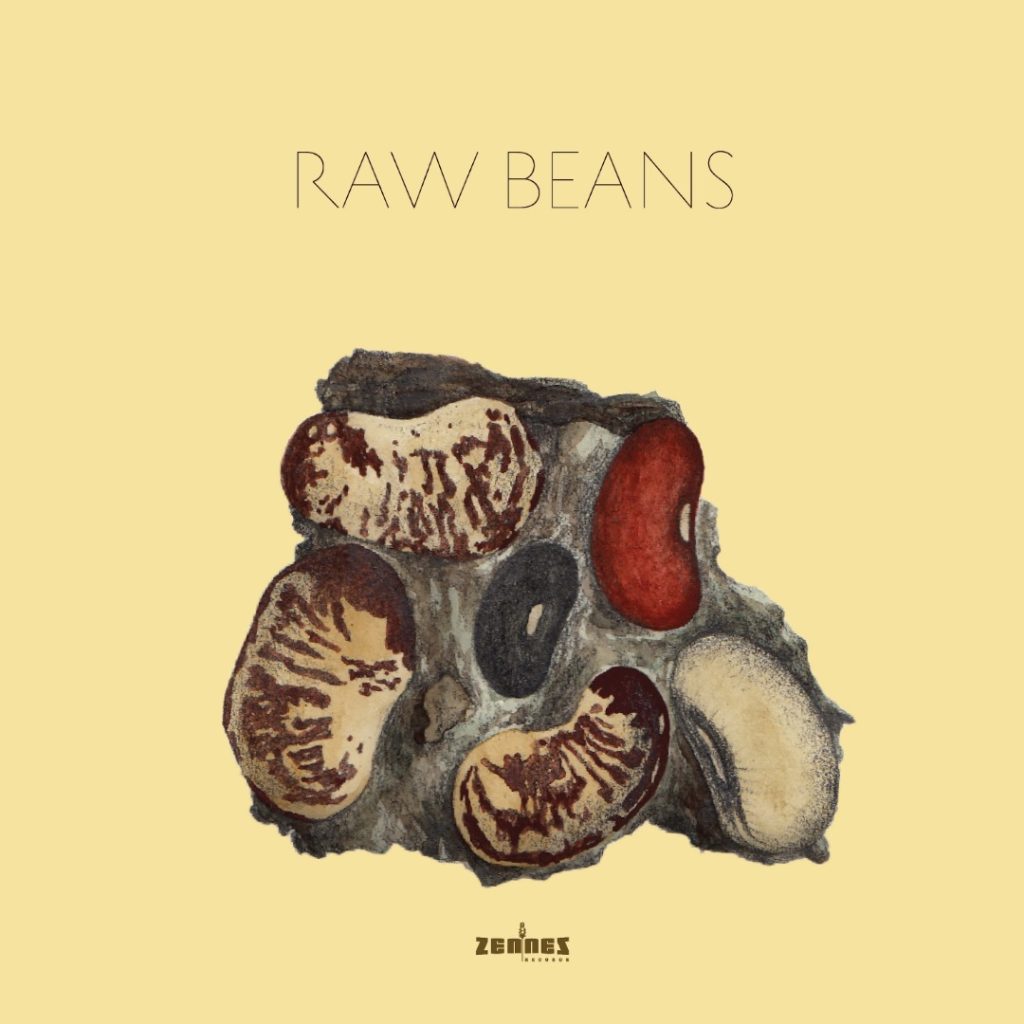
Released on October 17th, 2025, “Raw Beans” marks the second single from Ruud Voesten’s highly anticipated album “Ambrosia II”. This mesmerizing composition draws direct inspiration from Dante’s “Purgatorio”, specifically the Terrace of Gluttony, where souls are punished by their own unfulfilled desires, forever surrounded by food and water that remain just out of reach. In this hauntingly beautiful duet for clarinet and piano, Voesten translates that eternal tension between temptation and restraint into pure sound. The absence of percussion invites the music to breathe in silence and space, its rhythm defined not by time, but by emotion. “Raw Beans” is calm yet dark, reflective yet alive, its textures and tones evoking both the suffering and serenity that lie at the heart of purification. The piece stands as a powerful meditation on human desire, discipline, and transcendence, capturing the emotional essence of Dante’s vision through an elegant blend of jazz, chamber, and classical influence. With its restrained intensity and emotional honesty, “Raw Beans” doesn’t merely tell a story, it invites the listener to live inside it.
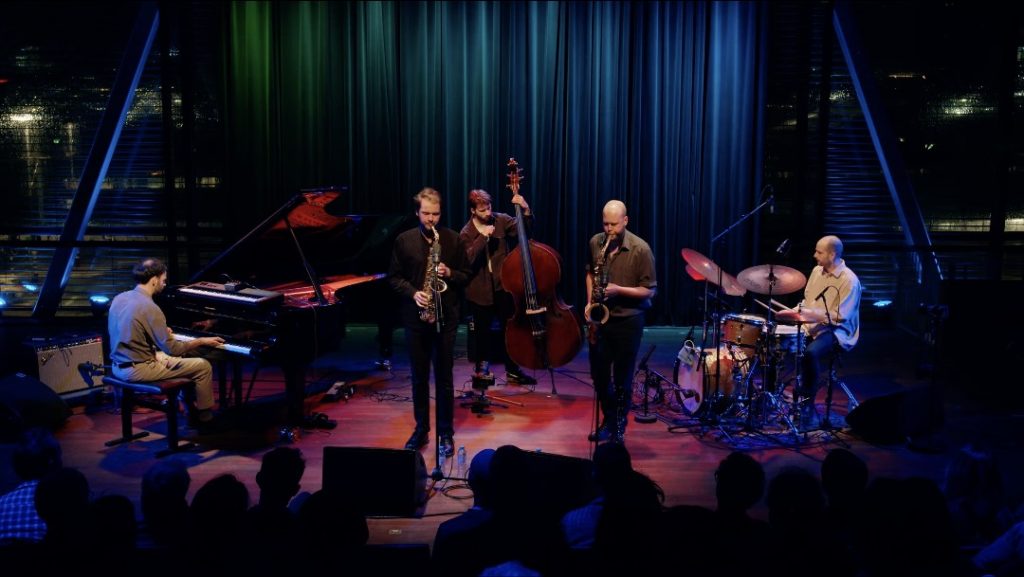
“Raw Beans” by Ruud Voesten begins with a mesmerizing sense of anticipation, like the calm before a profound emotional journey. From the very first seconds, the track establishes a mood that is contemplative yet quietly powerful, a slow build that invites the listener to breathe, focus, and fully immerse themselves in its evolving soundscape. The soft hum of the bass lays the groundwork, warm and resonant, pulsing with a restrained intensity that immediately anchors the listener. Without any percussion to dictate movement, the rhythm feels suspended in time, carried instead by the natural ebb and flow of the instruments. The horns enter with remarkable precision and warmth, their tones rich and velvety, each phrase breathing like a living organism. Beneath them, the piano spreads delicate harmonic light, its chords spacious and deliberate, weaving a tonal fabric that feels both organic and intellectual. The opening is hypnotic, restrained yet full of emotional depth, creating an atmosphere that feels less like a song beginning and more like a world quietly awakening.
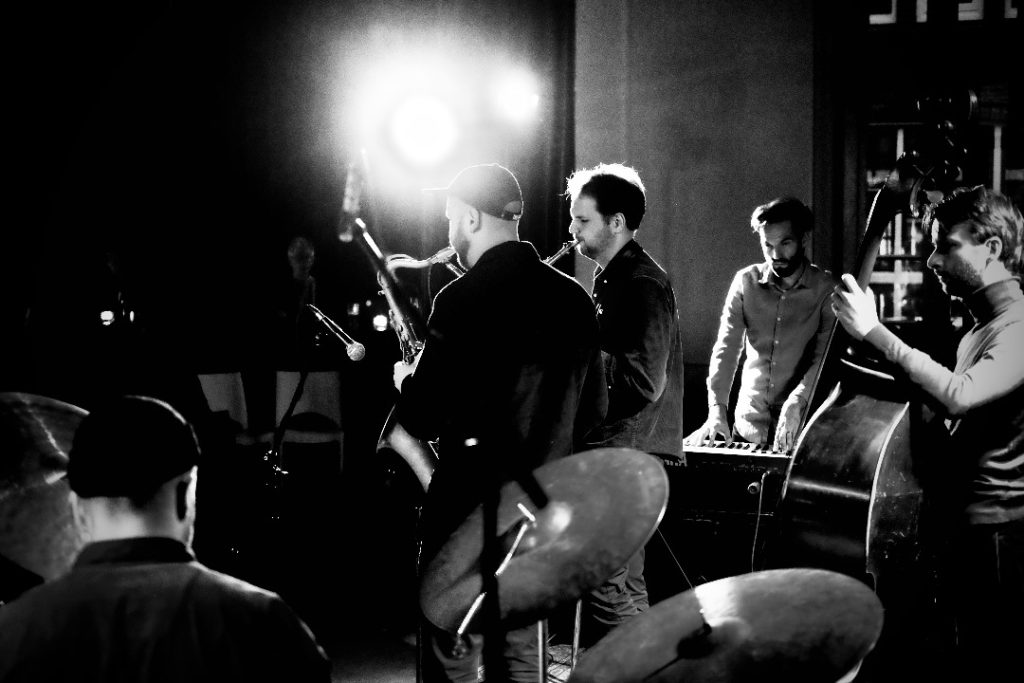
As the piece begins to unfold, the synergy among the instruments becomes the essence of its expression. The bass maintains a firm yet fluid presence, guiding the harmonic foundation with subtle movement and emotional gravity. The piano deepens its role, exploring both rhythmic comping and lyrical melodic responses that shimmer through the mix. Its tone feels rounded and expressive, at times bright and crystalline, at other times subdued and meditative. The horns, rich and expressive in tone, move like voices in dialogue, each note responding to the other with precision and purpose. Their interplay is deeply conversational, creating a sense of shared thought and feeling rather than structured call and response. Without percussion, the entire ensemble relies on phrasing and dynamic sensitivity to define motion, giving the composition a floating, almost breathing quality. The harmonic progression unfolds with patience, allowing every chord and tone to resonate fully before gently giving way to the next.
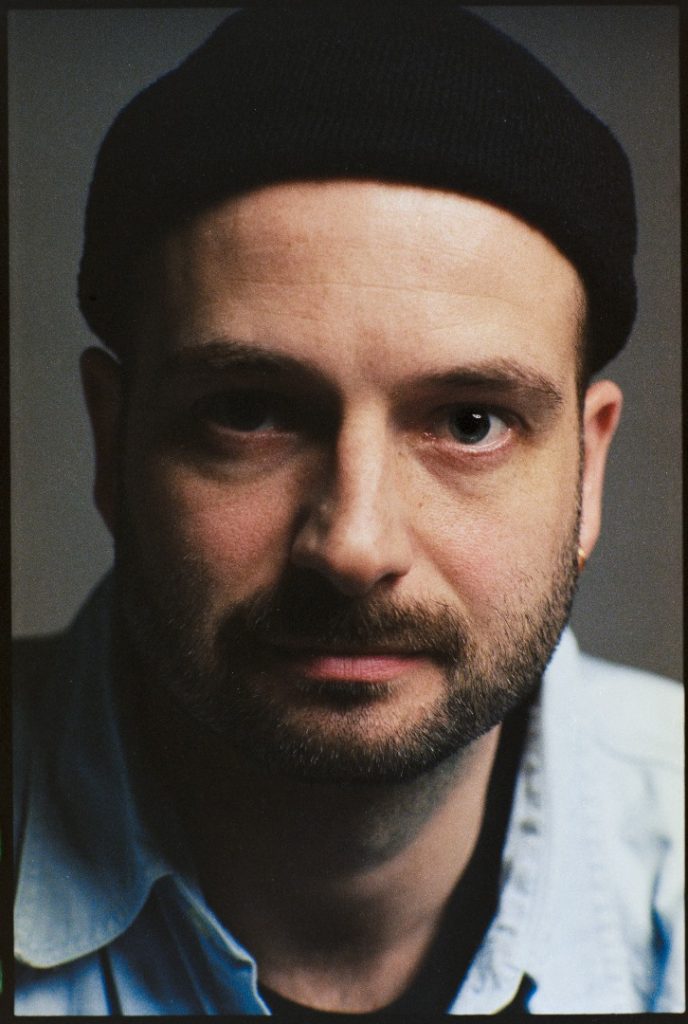
The midsection of “Raw Beans” unfolds like a slow-burning revelation, the point where the emotional depth of the piece becomes most pronounced. The horns grow more expressive, exploring long, yearning lines that climb and descend in waves, their tone carrying both weight and fragility. The piano rises in response, its chords expanding into broader harmonies that inject warmth and tension simultaneously. The bass becomes more assertive, outlining subtle rhythmic accents that provide a sense of propulsion despite the absence of percussion. Each instrument contributes to an intricate web of sound, where silence is just as important as the notes themselves. The music evolves like a living conversation, fluid, exploratory, and intuitive, with the horns sometimes swelling into collective bursts of energy before retreating into calm introspection. There’s a sense of searching here, a tension between resolve and uncertainty, that gives the track an almost spiritual dimension. The atmosphere feels reflective, expressive, and profoundly human, a meditation through melody and tone rather than rhythm.
The production of “Raw Beans” captures the performance with stunning clarity and intimacy. Each instrument is rendered with warmth and depth, making the recording feel almost tangible. The horns sound alive and immediate, their tones resonating naturally through the stereo field with no harshness or compression. The piano feels intimate, every touch on the keys audible, every chord resonating with lingering overtones. The bass, rich and full, adds weight and texture that fills the space once reserved for percussion, giving the entire track a grounded, breathing rhythm. The recording space itself feels alive; the air between the instruments carries subtle resonance, allowing the listener to sense the physical distance and presence of the players. The dynamics are natural and organic, the music swells and recedes with human breath, never forced or exaggerated. The absence of percussion reveals the strength of the ensemble’s internal rhythm, proving that emotional movement can be achieved through tone, phrasing, and interplay alone.
Raw Beans transforms Dante’s Purgatorio into sound, a haunting, graceful meditation on desire, restraint, and the quiet beauty of redemption.
As the song draws toward its conclusion, “Raw Beans” transitions from intensity to stillness with remarkable grace. The horns begin to soften, their melodies turning inward as if exhaling after a long reflection. The piano returns to a tender motif, closing the composition with a tone of calm acceptance, while the bass offers its final gentle pulses beneath the fading harmony. The final moments linger delicately in silence, allowing the last notes to dissolve into the air with haunting beauty. It’s a closing that feels introspective rather than conclusive, a quiet fade into thought rather than a clear resolution. The piece leaves behind a lingering resonance that stays with the listener long after it ends, inviting reflection and re-immersion. “Raw Beans” stands as a remarkable display of restraint, intimacy, and emotional intelligence, a track that achieves power not through volume or rhythm, but through texture, tone, and pure musical honesty. It is a study in expression without excess, timeless, elegant, and deeply moving.
For more information about Ruud Voesten, click on the icons below.