
Emerging from the fertile musical soil of Detroit, Michigan, Spyderhuff carries decades of sonic history in every note. Known for their versatility and fearless experimentation, the band fuses hard rock, jazz-fusion, country, blues, and soul into a sound that honors tradition while remaining strikingly modern. Each member brings their own musical pedigree, from Tom Kuhr’s multifaceted string and synth work to Don Beyer’s upright bass foundation, Joey Gaydos’ expressive lead guitar, James Carmichael Dooley’s dynamic drumming, and Tony Mitchell’s rhythmic bongos. With a career rooted in Detroit’s rich legacy of genre-defining innovation, Spyderhuff continues to create music that feels timeless yet adventurous.

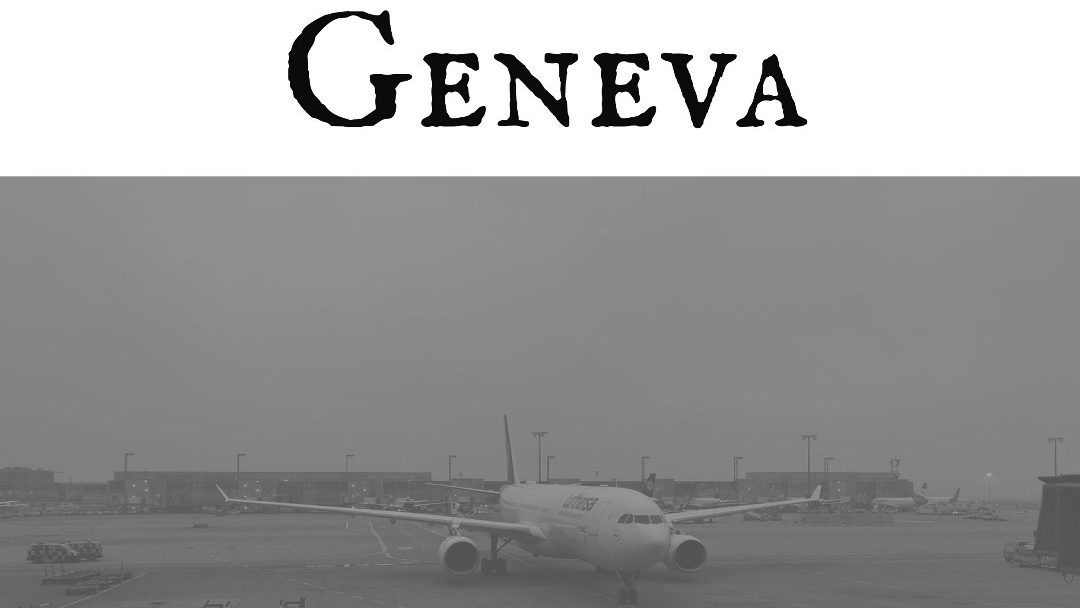
Released on the 8th of August 2025, “Geneva” arrives as the fourth track on Spyderhuff’s EP ‘Barfly at the Barn Dance’. On “Geneva,” the players include Tom Kuhr on guitar, harmonica, lap steel guitar, synth, and vocals, Don Beyer on upright bass, Joey Gaydos on lead guitar, James Carmichael Dooley on drums, and Tony Mitchell on bongos. This lineup brings both richness and versatility to the track, with each member contributing to the song’s layered and dynamic sound. Spyderhuff has long been recognized for combining hard rock, jazz-fusion, blues, country, and soul into a sound that is uniquely their own. The band’s deep musical roots and decades of experience are apparent in “Geneva,” as they seamlessly merge these elements to create a track that feels both timeless and fresh.
At its core, “Geneva” is a storytelling song that captures attention through its bizarre and humorous subject matter. The track recounts a true incident of someone being arrested in Geneva for carrying a laser pointer on a jet airliner, a situation so absurd that it almost feels like satire. Spyderhuff cleverly transforms this strange occurrence into a piece of music that is both witty and thought-provoking, highlighting their ability to turn even the oddest moments into compelling art. The lyrics capture a balance of humor and seriousness, giving listeners both a laugh and a reason to think about the absurdities of modern life.
Vocally, the track stands out for its moody, dry-humored delivery. Tom Kuhr takes the lead on vocals, and his performance embodies the irony of the narrative. His phrasing and tone are carefully measured, ensuring that the humor never overwhelms the storytelling. Instead, he delivers the lyrics with authenticity, as though he is recounting the tale to the listener personally, which makes the song engaging and memorable. The subtle sarcasm and undercurrent of seriousness in his voice enrich the track, proving that vocals can carry as much storytelling weight as lyrics themselves.
The instrumentation of “Geneva” is where the band’s collective experience truly shines. Joey Gaydos’ lead guitar provides melodic depth and expressive flair, weaving through the verses with solos that feel both spontaneous and precise. Tom Kuhr’s harmonica adds a bluesy grit, punctuating the narrative and enhancing the Americana feel. His lap steel guitar and synth work add texture and atmosphere, blending old-school grit with subtle modern touches. Don Beyer’s upright bass lays down a warm, grounding foundation, while James Carmichael Dooley’s drumming and Tony Mitchell’s bongos create rhythmic variation that keeps the song dynamic and alive. Together, the musicians build a sonic tapestry that is intricate yet accessible.

Production plays a vital role in making “Geneva” so effective. Each instrument is given its own space in the mix, allowing the track to breathe and giving listeners the opportunity to appreciate every contribution. The harmonica is crisp and cutting, the guitars shimmer and grind when needed, and the rhythm section pulses with clarity and strength. Subtle synth elements add another layer of atmosphere without distracting from the organic instrumentation. The production choices underscore the story by creating a moody yet inviting soundscape, ensuring the humor and irony of the lyrics come across without being overshadowed.
One of the most striking aspects of “Geneva” is how its musical structure mirrors its narrative. The track ebbs and flows with changes in dynamics that reflect the unfolding absurdity of the story. The way the instruments play off the vocals enhances this interplay, making the entire track feel like a living narrative rather than a static piece of music. It is clear that Spyderhuff approached the song with intention, ensuring that every musical choice reinforces the storytelling.

Stylistically, the song sits at the crossroads of desert-rock grit, Americana warmth, and bluesy storytelling. The harmonica and lap steel conjure images of wide, dusty landscapes, while the upright bass and bongos add a touch of rootsy authenticity. These elements create a sense of atmosphere that is immersive and evocative, transporting the listener into the world of the narrative. The blending of these styles also reflects Spyderhuff’s broader identity as a band that refuses to be confined to a single genre, instead embracing the full spectrum of American musical traditions and reworking them into something distinctly their own.
Geneva is a Witty Bluesy Storytelling Track That Transforms An Absurd Real-life Mishap Into A Timeless Musical Experience
Ultimately, “Geneva” is a track that encapsulates everything Spyderhuff does best. It takes an odd real-life incident and transforms it into a witty, musically sophisticated, and memorable song. With engaging vocals, rich instrumentation from Kuhr, Beyer, Gaydos, Dooley, and Mitchell, and a production style that enhances rather than overshadows the story, the track rewards listeners who appreciate both humor and craftsmanship in music. More than just a quirky narrative, “Geneva” is a showcase of Spyderhuff’s ability to create art that is layered, entertaining, and thought-provoking, making it one of the standout songs on ‘Barfly at the Barn Dance’ and a memorable addition to their catalog.
For more Information about Spyderhuff, click on the icons below.