
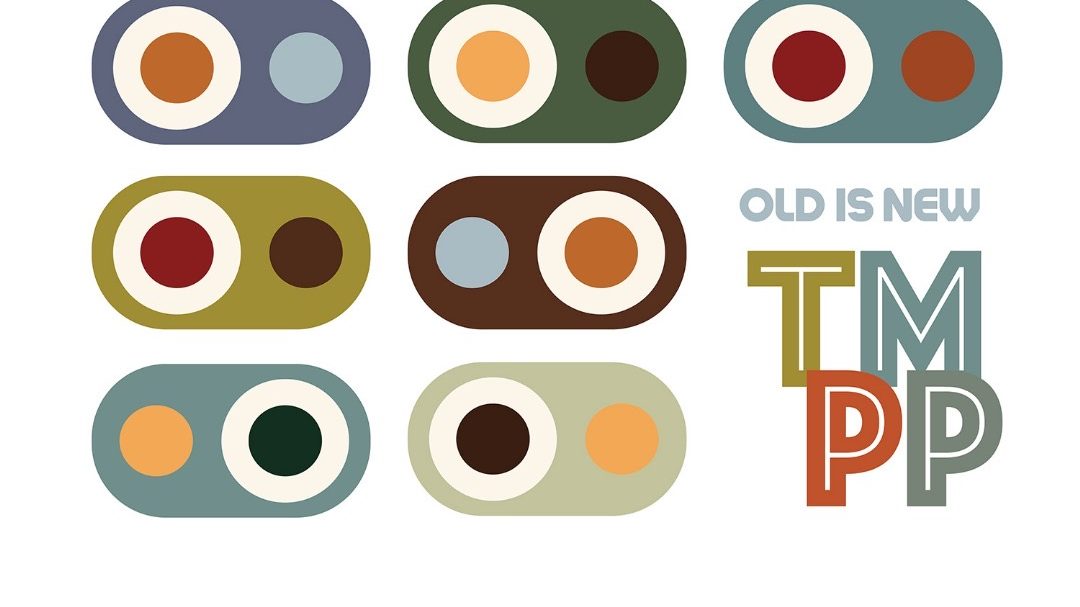
The Muster Point Project is the creative vessel steered by Calgary and Santiago based multi instrumentalist singer songwriter Kevin Franco, often described as a one person band supported by a rotating cast of collaborators who color his vision rather than overshadow it. The project is grounded in the belief that the song itself must always stand first, pared down to its essential emotional and narrative weight without sonic clutter. Across past work, Franco has explored betrayal, breakups, death, love, domestic violence, the avoidance of personal responsibility, and even the whimsical joy of bicycle riding. His understated approach has earned admiration from those who find beauty in subtle craft and lyrical clarity, and occasional writing contributions from Canadian novelist Geoff Moore add literary sharpness when the subject matter demands it. Occasionally celebrated on Canadian radio for the gemlike precision of his songwriting, The Muster Point Project remains an independent voice operating outside the churn of popular trends, but always with intention, sincerity, and an awareness that everyday life yields the richest stories.

“Old is New“, released on November 1st 2025, continues this artistic philosophy with thirteen songs that explore relationships in all their complicated, loving, introspective, and occasionally humorous dimensions. The album falls closest to indie rock, while allowing Americana, folk rock, alt country, and a light touch of pop to drift in and out, creating a genre fluid identity that feels calm rather than chaotic. Electric guitars shimmer with bright strokes, melodic bass writing provides emotional lift, and percussion remains controlled and crisp, giving each track a pocketed groove without overwhelming the narrative. Throughout the record, Franco’s vocal delivery remains warm and conversational, never leaning into theatrics, expressing vulnerability through simplicity rather than force. Songs like Alone Again, dealing with betrayal, display how softly arranged textures can magnify emotional sting, while I Can Only Cry reshapes familiar country themes into something unexpectedly fresh.
Old is New Album Track List:
Stuck In Transit:
“Stuck In Transit” arrives on the album as a bright jolt of movement, opening with a springy bass line that leans into funk territory while clean, staccato guitar pops punctuate the rhythm with playful precision. The groove feels immediately kinetic, giving the impression of forward motion even before the vocal enters, and the crisp drum patterns tie the arrangement together with a pocket that is tight without ever feeling rigid. There is a buoyancy to the instrumental conversation, a sense that each element is prodding the listener forward, and the production prioritizes clarity so that every texture remains distinct rather than collapsing into a blended haze.
Lyrically, the song uses the literal experience of being stalled while traveling to comment on the emotional limbo that often defines transitions in life, an idea reinforced by the conversational tone of the vocal delivery. The phrasing glides in measured steps, half amused and half resigned, making the thematic weight feel approachable rather than heavy handed. As the narrative unfolds, subtle vocal doublings appear in strategic moments, creating a sense of internal dialogue or echoing thought. The melodic lead guitar line that emerges later adds a gentle tension, circling around the harmony before loosening into a compact, expressive solo that momentarily widens the emotional frame, then snaps back into the comfortable mantra of the chorus.
By the time the track settles into its repeated hook, “You gotta get on to get off”, the interplay of momentum and inertia becomes the emotional core of the composition. The rhythm section maintains a crisp pocket that keeps the listener suspended in the song’s thematic paradox: forward motion in spite of standing still. It is a playful stylistic departure for The Muster Point Project, blending indie pop rock sensibilities with a subtle funk undercurrent, and the result is a concise, memorable piece that uses humor, groove, and restraint to explore the shared experience of waiting, wanting, and inching toward whatever comes next.
You Lose and You Gain:
“You Lose and You Gain” arrives as a re-imagined cover of John Bottomley’s reflective original, yet it carries a surprising sense of urgency that distinguishes it from its source. A quickened tempo and sharper guitar edges create an immediate forward push, while a shimmering mandolin texture adds a bright folk rock tint that lifts the arrangement into a more expansive emotional space. Threading quietly through the harmonic center is a plaintive slide guitar line, serving as the track’s emotional through line, connecting the more energetic reinterpretation to the wistful core of the original. The drums remain crisp and directional, subtly accelerating the sensation of movement in moments where Bottomley’s version allowed melancholy to linger.
Vocally, Kevin Franco leans into the track’s emotional duality with a delivery that softens in the verses to preserve introspection, then swells with impassioned emphasis in the choruses. This dynamic shift mirrors the lyrical meditation on the cost and reward of change, presenting personal growth as both sacrifice and opportunity. The bridge smooths the emotional pacing, preventing the momentum from collapsing inward and instead keeping psychological tension active as instruments fold in and out of the foreground with careful restraint. It is here that the arrangement’s layered subtlety becomes most apparent, showing how the track honors the original’s vulnerability without surrendering to stasis.
Production choices allow the mandolin and slide guitar to sparkle without cluttering the soundstage, giving each part enough space to breathe. The guitars trade the delayed echoes of the original for warmer and more immediate tones, helping the message feel lived in rather than wistfully nostalgic. By reframing loss as something to be metabolized rather than mourned indefinitely, the cover transforms into more than homage. It becomes a thematic anchor within the album, presenting growth as propulsion and reminding listeners that every step forward requires something left behind, yet something meaningful gained in return.
Believe In Yourself:
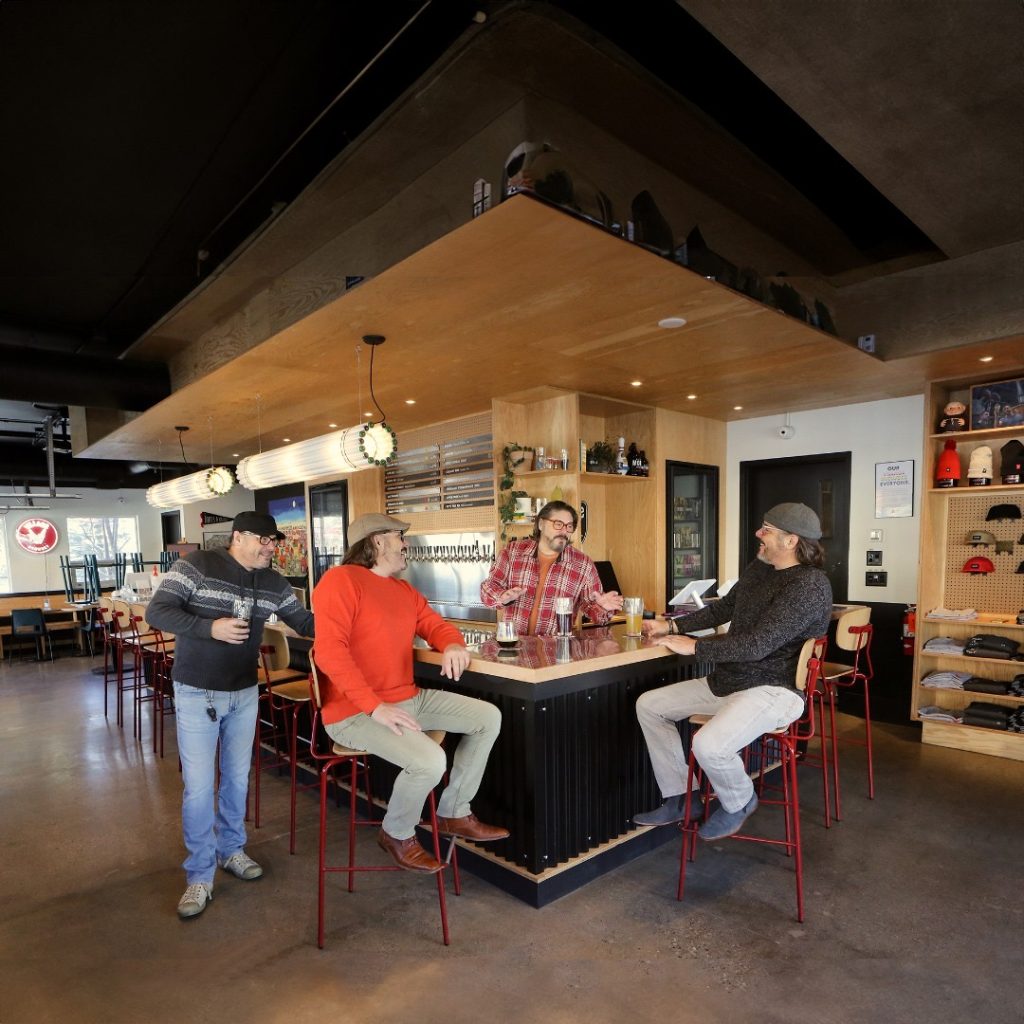
“Believe In Yourself” emerges as one of the emotional pillars of the album, shaped from a deeply personal place following Franco’s partner’s cancer diagnosis. Its architecture reflects this intimacy through a gentle mid tempo pace supported by lush keyboards and piano from Oleg Pisarenko, each chord allowed to bloom with space and intention. Marcelo Effori’s drumming provides a steady, heartbeat like pulse that supports rather than directs, giving the track quiet propulsion without overwhelming its tenderness. Franco’s vocal sits forward in the mix, warm and unornamented, delivering the lyric with honesty and without metaphorical distance, allowing sincerity to become the song’s strongest instrument.
The mantra like repetition of the hook, Believe in yourself, functions simultaneously as comfort and affirmation, rising slightly in register each time as emotional confidence builds. Harmonic movement shifts delicately between major and minor colors, reinforcing vulnerability in the verses and urgency in the choruses. As the song reaches its bridge, a nostalgic Dion inspired lift arrives, possibly through organ tones or stacked backing vocals, widening the emotional frame and conjuring the golden warmth of classic pop. These details create a sense of time expanding, as if memory and present feeling briefly coexist in the same suspended breath.
Production choices emphasize spaciousness throughout, letting piano transients bloom and decay naturally and allowing dynamics to grow with each repetition of the refrain. By the final chorus, the instrumentation has subtly thickened, not to create spectacle, but to offer a sense of emotional arrival, as if the listener has reached a place of internal stillness and assurance. This is sincere songwriting without pretension, transparent enough to feel personal while universal enough to resonate. The result is quietly powerful and unexpectedly restorative, leaving behind warmth long after the final chord fades.
Brand New Day:
“Brand New Day” unfolds with a breezy jangle pop exterior that initially feels simple and uplifting, yet the arrangement disguises a sophisticated emotional architecture beneath its surface. Clean toned electric guitars ring across the stereo field, supported by steady mid tempo drumming that anchors the rhythm without drawing attention away from the melodic interplay. Piano motifs weave gently between vocal lines like internal monologues or supportive counterthoughts, grounding the track in subtle folk rock introspection even as it leans toward indie brightness. The vocal delivery sits calmly at the center, acknowledging rough edges without succumbing to them, establishing a tonal duality between gentleness and resolve.
Thematically the track embraces the concept of imperfect triumph, accepting that resilience is rarely neat or effortless. Early sections remain intentionally sparse, leaving room for the vocal to articulate reflection with clarity and emotional transparency. As the song progresses, additional layers gradually surface: guitars multiply into shimmering harmonics, backing vocals broaden the emotional palette, and textural details accumulate in ways that feel organic rather than ornamental. This arrangement mirrors the journey of recovery and renewal itself, starting with quiet acknowledgment and building toward confident affirmation.
The production remains grounded in organic texture rather than high gloss polish. Each instrumental voice occupies its own spectral niche, allowing the mix to expand in width rather than density. The result is a track that feels emotionally panoramic while retaining intimacy at its core. “Brand New Day” becomes a celebration of progress measured not in perfection, but in momentum, offering the listener a musical reminder that forward motion is meaningful even when the path remains beautifully imperfect.
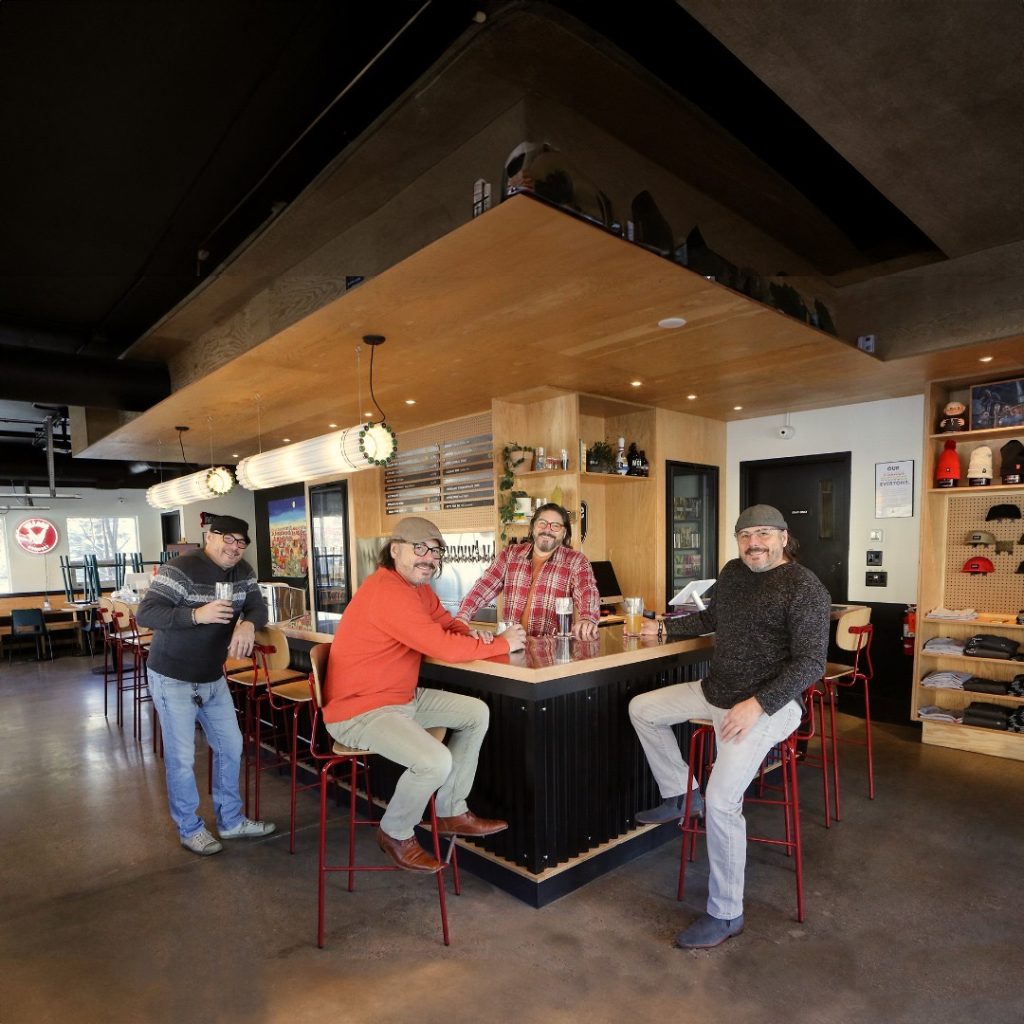
The sonic character of the album is shaped beautifully by its production, mixed largely by Darryll McFadyen, who preserves clarity without sacrificing warmth. Rather than stacking walls of sound, the arrangements rely on thoughtful spacing, treating instrumentation as narrative architecture. Piano passages, rounded acoustic chords, and soft dynamic shifts allow the album to breathe, giving listeners room to settle into each emotional contour. Electric guitar solos appear sparingly and function more as emotional punctuation than displays of technical excess. When these elements combine, the songs do not explode outward but instead bloom inward, rewarding careful listening. The sequencing highlights human feeling by gently adjusting texture and mood, moving between pulse driven moments and slow burning vulnerability without ever betraying its identity.
Old is New Turns Familiar Melodies Into Fresh Emotional Journeys, Blending Indie-rock Warmth, Folk Edges, And Thoughtful Nuance, Proving Sincere Songwriting Can Still Feel Surprising, Comforting, And Rewarding
Bonus material appears exclusively on the vinyl edition, reinforcing Franco’s interest in intimate musical connection and rewarding listeners who value physical engagement over passive streaming. Ultimately, what defines “Old is New” is its quiet refusal to chase novelty. Instead, it recontextualizes familiar shapes with sincerity, proving that thoughtful arrangement, lyrical clarity, and emotional transparency still hold power. The record’s charm lies in what it chooses not to do, avoiding grand gestures in favor of careful layering and patient growth. It is subtle, but not slight. Warm, but not flat. Familiar, but renewed with intention. In an era obsessed with maximalism, The Muster Point Project reminds us that music’s deepest resonance often lives in the gentle corners, where old ideas feel new simply because they are treated with honesty and care.
For more information about The Muster Point Project, click on the icons below.