
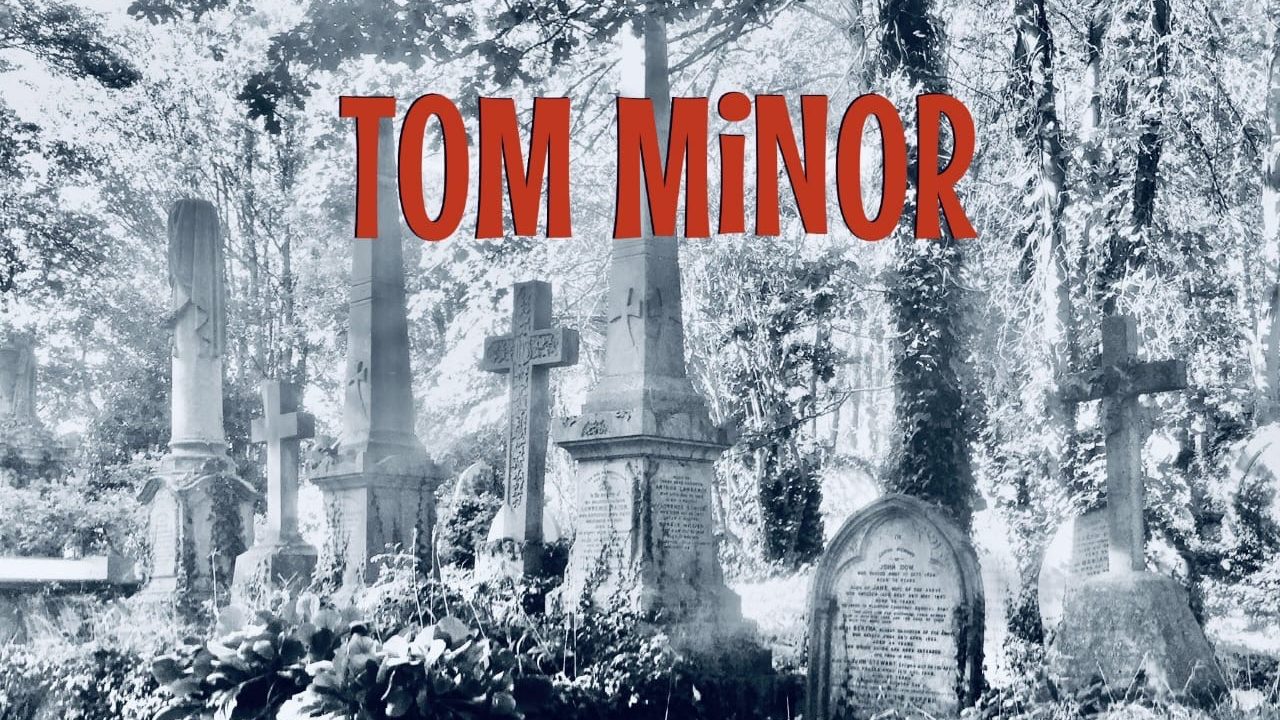
Tom Minor is a London based singer songwriter from the N1 district whose creative identity is shaped by a wide palette of influences spanning indie rock, new wave, punk, power pop, psychedelic and garage rock, soul and R&B. After spending years writing in the background for other artists in all sorts of musical and commercial contexts, he eventually pivoted toward crafting his own signature style which he calls existential indie. This personal artistic turn has earned him wide recognition across the blogosphere, especially following the release of his debut album Eleven Easy Pieces on Anger & Disappointment and subsequent projects Future Is an F Word, Expanding Universe, The Manic Phase, The Loneliest Person on Earth and Next Stop Brixton. Throughout 2024 and 2025 Minor has continued to gather critical praise from a diverse range of publications such as Savoy Truffle Tunes, Foxfire Magazine, Apricot Magazine, The Indie Grid, The Big Takeover, Illustrate Magazine, Extravafrench, I Don’t Hear A Single and Dancing About Architecture, reinforcing his reputation as a sharp observer of culture and human nature wrapped in melodic and genre blending songwriting.

“Bring Back the Good Ol Boys” released on 24th October 2025 begins with a theatrically charged flourish that establishes its dramatic tone from the very first seconds. The warm keyboards feel like the lifting of old theatre curtains and immediately immerse the listener in a vintage inspired atmosphere that blends charm with subtle irony. This introduction is intentionally inviting because it creates the illusion of a playful performance before the deeper commentary emerges. Minor uses the brightness of the arrangement as misdirection and this clever structural choice gives the opening an emotional complexity that becomes clearer with each listen. The guitars contribute lively bounce and melodic lightness which heightens the nostalgic impression while also hinting at something sharper beneath the surface. This interplay between cheerful presentation and restrained tension becomes the foundation upon which the entire narrative unfolds. It is a carefully crafted opening that sets the stage for the twist that follows while establishing the song’s dual role as entertainment and critique.
The vocal performance in “Bring Back the Good Ol Boys” is one of the most expressive and character driven of Tom Minor’s career because he approaches the delivery not just as a singer but as a narrator within a satirical theatre piece. His tone is warm and conversational yet filled with dramatic nuance that enhances the storytelling dimension of the song. He performs each line with the intention of portraying humor and awareness simultaneously which gives the track a layered emotional texture. The background vocal harmonies that weave throughout the piece add an old fashioned shine and amplify the song’s theatrical mood. These background voices thicken the atmosphere just enough to enhance the tension without overshadowing the central vocal line. Minor’s ability to sound amused and alert at the same time strengthens the satire because it signals that he is fully aware of the absurdity he is exposing. His expressive phrasing ensures that the message is clear without ever sacrificing musicality.
Lyrically “Bring Back the Good Ol Boys” operates as a sharp critique of political nostalgia and the cultural mythmaking that often accompanies it. Minor uses humor and exaggerated charm to reveal how the so called good old days are frequently presented as sentimental illusions rather than truthful recollections. He incorporates theatrical references literary hints and cultural symbols that represent authority and tradition in order to show how easily people can be seduced by comforting memories. The lyrics highlight the danger behind idealized visions of the past because these visions tend to obscure the injustices and manipulations that existed alongside them. Minor does not preach but instead uses wit to make the listener laugh while also recognizing the seriousness embedded beneath the comedic framing. This approach makes the satire both disarming and intellectually engaging. His choice to critique nostalgia through performance rather than confrontation makes the song feel clever and compelling rather than heavy handed.

One of the most impactful moments in “Bring Back the Good Ol Boys” occurs when the rhythmic feel abruptly shifts into a structured marching pulse. This transformation drastically changes the emotional tone of the track because it replaces the earlier sense of theatrical fun with a sense of gathering inevitability. The march serves as a symbolic reflection of the song’s warning about the dangers of blindly following charismatic leaders who promise a return to a romanticized past. The shift is subtle at first but quickly becomes unavoidable as the emotional atmosphere tightens. This change in rhythm works as a narrative device because it reveals how easily collective behavior can shift from playful imitation to obedient alignment. The listener suddenly becomes aware that the cheerful nostalgia that opened the song was a mask covering a deeper social concern. This transition is one of the strongest examples of how Minor uses arrangement to reinforce meaning.
The production by Teaboy Palmer is essential to the song’s overall impact because it blends retro inspired textures with a modern sense of clarity and intention. Each instrument is given space to breathe and every layer plays a role within the satire. The guitars cut through with spirited brightness the keyboards glow with nostalgic warmth and the percussion drives the track with crisp definition. Palmer ensures that the vintage flavor never becomes muddy or overwhelming. Instead the production supports the narrative arc by gradually darkening around the edges as the song progresses. The earlier charm becomes less innocent and more pointed as the mix subtly shifts in tone. Palmer mirrors Minor’s satirical perspective by creating a sonic environment that smiles on the surface while hiding tension beneath. His approach results in a production style that is both playful and meticulously controlled.
As the song develops the contrast between lighthearted presentation and heavier thematic implication grows more pronounced. The arrangement continues to glide forward with energetic momentum yet the shadows within the composition become more noticeable. Minor increases harmonic tension and adds small vocal and instrumental nuances to highlight the creeping unease that sits behind the nostalgic facade. This method of building emotional contrast ensures that the listener senses the shift before they consciously realize it. The song begins to feel like a theatrical piece that has transitioned from comedy into caution. This deepening of tone is intentional because it mirrors the way societies often fail to recognize danger until it becomes too late. The emotional stakes rise in a gradual but effective manner that enhances the psychological depth of the track.

Near the concluding section of the track the marching rhythm becomes more prominent and the atmosphere takes on an unmistakably foreboding quality. The earlier playful tone now feels like a memory in itself because the arrangement has shifted firmly into a space of quiet warning. Minor’s vocal delivery remains engaging but takes on a more serious weight that reflects the narrative turn. The guitars acquire a sharper edge and the keyboards no longer sound like stage lights but like searchlights revealing uncomfortable truths. The harmonies become airy and distant creating an echo of reflection that lingers behind each line. This final development pulls together all the thematic threads and transforms the song from satire into revelation. The listener is guided into a space where entertainment and realism merge and the message becomes unmistakable.
Bring Back the Good Ol Boys is a Theatrical Yet Unsettling Mirror That Exposes How Comforting Nostalgia Can Quietly Transform Into Dangerous Obedience When Societies Forget The Realities Behind The Past
Ultimately “Bring Back the Good Ol Boys” stands as one of Tom Minor’s most intricately constructed and thematically resonant works because it combines theatrical energy musical intelligence and cultural commentary with remarkable cohesion. The track uses charm to expose manipulation and uses nostalgia to critique the very concept of nostalgic thinking. Minor’s performance is sharp humorous and emotionally aware while Teaboy Palmer’s production elevates the artistic vision by giving the song a cinematic sense of movement. The shift from playful swing to steady march remains one of the most memorable symbolic choices in recent indie music. The song entertains even as it provokes because it speaks to contemporary political patterns with clarity and nuance. It leaves a lasting impression not only as a piece of music but as a thoughtful examination of how societies drift into repeating old patterns. For this reason the track remains both musically captivating and culturally significant.
For more information about Tom Minor, click on the icons below.