
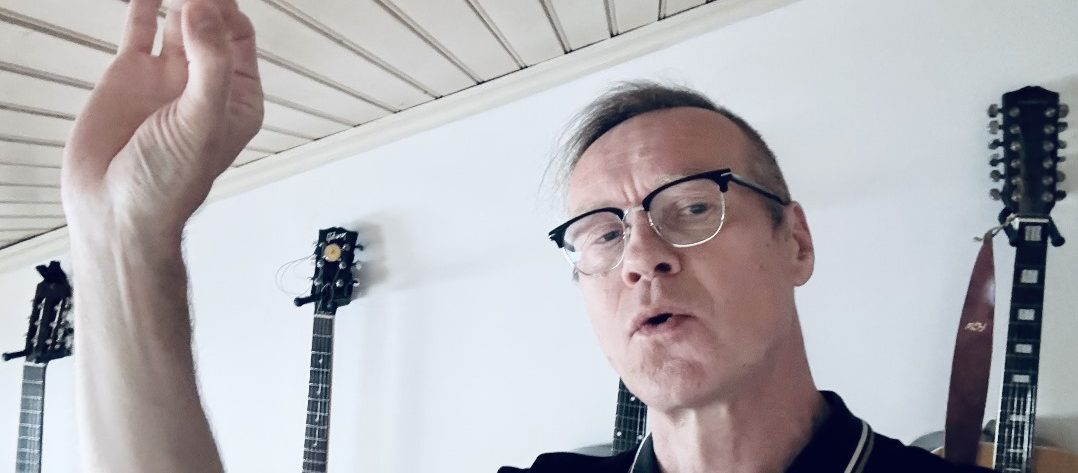
Hailing from London N1, Tom Minor is a singer-songwriter whose artistry thrives at the crossroads of raw energy and reflective depth. Before stepping fully into the spotlight, Minor spent years working as a behind-the-scenes writer, crafting songs for others in what he now refers to as “hack writing.” Those experiences honed his craft, but it was only when he began focusing on his own music that his distinct creative voice truly emerged. Drawing inspiration from a wide spectrum of genres, indie rock, new wave, punk, power pop, psychedelic and garage rock, as well as soul and R&B, Minor has shaped what he calls “existential indie”. His sound balances grit with grace, rebellion with introspection, and accessibility with emotional nuance.
This unique blend has earned him growing recognition, particularly through his acclaimed debut album Eleven Easy Pieces on Anger & Disappointment and subsequent releases such as Future Is an F Word, Expanding Universe, The Manic Phase, and The Loneliest Person on Earth. Each project has been met with high praise across the blogosphere, cementing his reputation as an artist unafraid to wrestle with life’s contradictions while crafting music that connects deeply with listeners. Tom Minor’s influences run deep. From rummaging through his parents’ record collection and discovering The Clash, to channeling the spirit of London’s restless streets, his music is steeped in history yet undeniably contemporary. His approach is not about imitation but transformation, taking inspiration from the past while forging new creative paths. With every release, Minor reaffirms himself as both a storyteller and a craftsman, uniting raw authenticity with meticulous musical construction.
On August 29, 2025, Tom Minor returns with “Next Stop Brixton” an uptempo indie rock anthem that captures both the pulse of London and the weight of memory. The track unfolds as a nostalgic train ride through the city, following a protagonist poised for a victorious return to old streets tied to a less-than-glorious past. Inspired by a song from The Clash, “Next Stop Brixton” plays out across three dimensions of time: the reckless days of youthful mischief, the sobering reality of incarceration, and the moment of release when freedom is reclaimed on familiar ground. Produced by Teaboy Palmer (dubbed “the Guy Stevens of Golders Green”) and featuring The Creatures of Habit with Johnny Dalston on a fiery solo guitar, the single brims with energy, grit, and emotional resonance. Both a reflection and a declaration, “Next Stop Brixton” is a story of wildness, correction, and ultimate liberation, summed up in Minor’s own words: “Stay Wild. Stay Correct. Stay Free.”

Tom Minor’s “Next Stop Brixton” begins with a cinematic sense of anticipation that instantly pulls the listener into a journey that is both physical and deeply emotional. The track opens with a rhythmic, train-like motif, mimicking the clatter of rails beneath a moving train, which immediately establishes the theme of travel and forward motion. Drums enter with a precise, almost heartbeat-like pulse, combining snare hits and low toms that give the impression of motion, while subtle basslines hum underneath, adding warmth and grounding to the soundscape. The effect is almost hypnotic, as if the listener themselves is aboard this moving train, hurtling toward a destination both literal and metaphorical. Layered guitar riffs weave in and out, offering moments of brightness and tension, and Minor’s careful production ensures that every percussive element is felt, not just heard. Even in these opening moments, the song conveys a duality, a mix of excitement and nostalgia, that sets the tone for the narrative to unfold, promising a story that is as much about inner reflection as it is about the journey itself.

The instrumentation in “Next Stop Brixton” is richly layered and meticulously arranged, creating a vibrant, multi-dimensional sound that feels alive with energy and texture. The jangly, crisp guitars take center stage, their staccato and arpeggiated patterns evoking the pulse of urban life, while simultaneously carrying a hint of melancholy through the use of minor chord shifts. Beneath them, the bass guitar anchors the track with a resonant, melodic foundation that keeps the rhythmic drive steady and immersive. Harmonica lines emerge at key moments, adding a wistful, almost folky Americana quality that contrasts beautifully with the bright indie-rock guitars, giving the track an expansive, open-road feel. Minor’s subtle use of keyboard layers and ambient synths adds depth, creating harmonic swells and atmospheric textures that make the track feel expansive yet intimate. The drums, meanwhile, are not just a rhythmic backbone but an expressive tool: snare accents, rolling toms, and cymbal swells punctuate the story, amplifying moments of tension or release, while the occasional percussive embellishment, shakers, tambourine hits, introduces a human, tactile element that brings the arrangement to life. The layering is masterful, making the song feel like a living, breathing journey where every instrument tells part of the story.

Vocally, Tom Minor delivers a performance that is at once intimate, expressive, and emotionally nuanced, perfectly complementing the instrumental arrangement. His voice carries a warm, raw quality that communicates vulnerability, but it is also imbued with subtle strength and resilience, reflecting the protagonist’s confrontation with the past and desire for redemption. Minor’s phrasing is deliberate, almost conversational at times, drawing the listener into his narrative as if he were speaking directly to them. Moments of melodic soaring punctuate the verses and choruses, adding bursts of intensity that highlight the emotional peaks of the story, while softer, almost whispered lines convey introspection and uncertainty. Harmonies are used sparingly but effectively, layered behind the lead vocals to enhance the emotional resonance without overwhelming the listener. The lyrical content itself is rich and evocative, filled with vivid imagery of Brixton’s streets, rumbling trains, and the textures of urban life, immersing the listener fully in the narrative. Minor’s vocal delivery transforms the song from a mere recounting of events into an emotive, lived experience, where every nuance, hesitation, longing, determination, is made palpable through sound.

The structure of “Next Stop Brixton” is carefully designed to mirror the emotional arc of the narrative, allowing the song to ebb and flow like the journey it portrays. The verses are introspective and measured, with restrained instrumentation that allows Minor’s voice and the storytelling to take center stage, conveying moments of reflection, hesitation, and contemplation. When the chorus arrives, the instrumentation blooms: guitars swell, harmonicas wail, and the drums intensify, creating a sense of cathartic release and resolution. The bridge provides a pause in the narrative, a contemplative moment where atmospheric synths or subtle keyboard motifs allow the listener to breathe and absorb the weight of the journey. This ebb and flow mirrors the protagonist’s emotional landscape, the anxiety of revisiting familiar but fraught territory, the courage to face the consequences of the past, and the eventual clarity and release that come from acceptance and reflection. The careful pacing of each section, along with the dynamic interplay of instruments and vocals, ensures that the listener remains engaged throughout, experiencing the journey’s highs, lows, and subtle emotional inflections as if they were walking it alongside the protagonist.
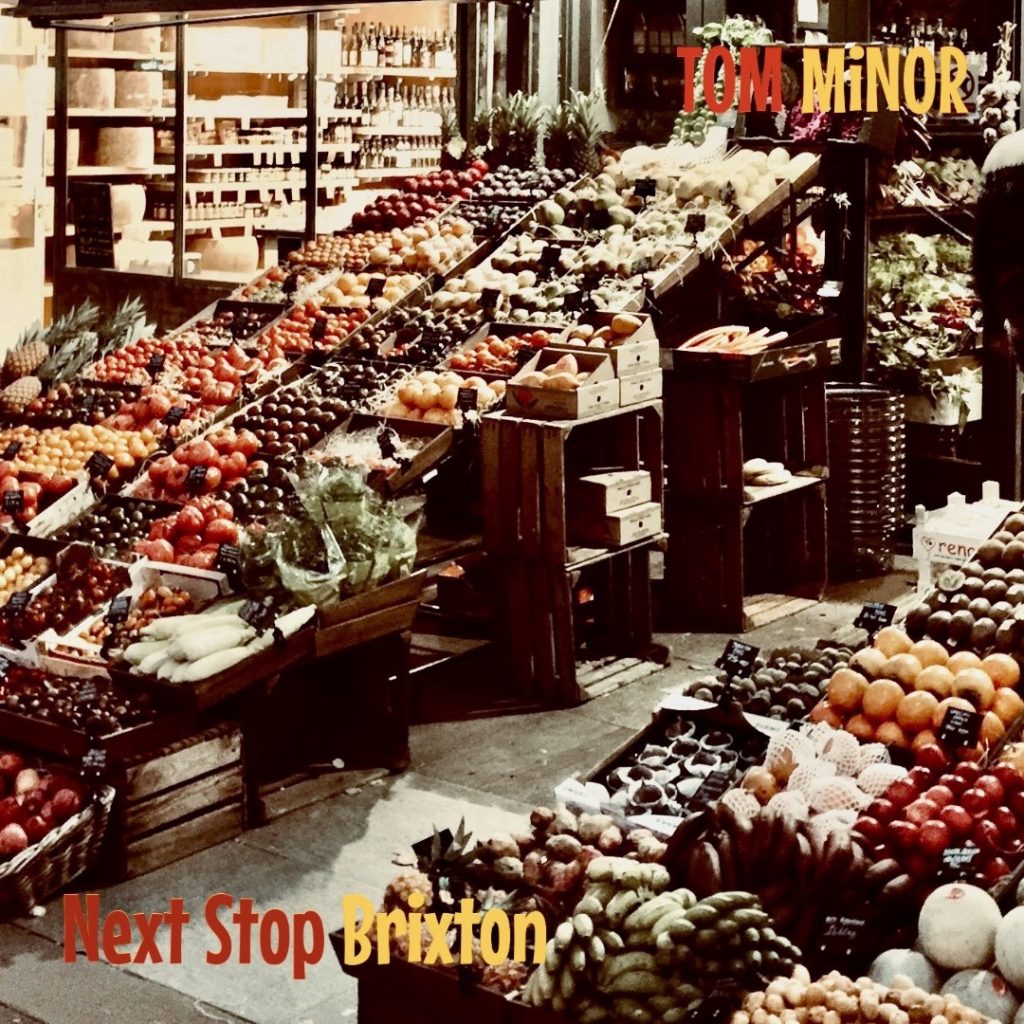
Lyrically, “Next Stop Brixton” is a deeply reflective and poignant narrative that explores themes of identity, consequence, nostalgia, and personal transformation. Tom Minor vividly captures the sensory and emotional textures of returning to a familiar yet changed place, painting Brixton not just as a physical location but as a symbol of memory, past choices, and potential renewal. Lines describing the hum of trains, the chatter of streets, the dim glow of stations, and the flicker of passing lights evoke a cinematic sense of place that engages the imagination and emotions simultaneously. The lyrics explore the tension between regret and hope, between the weight of past mistakes and the possibility of new beginnings, creating a universal resonance for anyone who has faced similar journeys of reflection and reconciliation. The interplay between lyrical content and musical arrangement enhances the storytelling, with instrumentation accentuating emotional beats, highlighting moments of nostalgia, tension, and eventual resolution. Every detail, from the soundscape to the words themselves, contributes to a rich, immersive, and deeply human narrative.
Tom Minor’s Next Stop Brixton is a powerful indie rock journey of nostalgia, redemption, and freedom, blending grit with heartfelt storytelling.
Ultimately, “Next Stop Brixton” is a testament to Tom Minor’s artistry, combining intricate musicianship, evocative storytelling, and emotional authenticity into a single, compelling work. Every element, layered guitars, harmonica swells, nuanced basslines, textured keyboards, precise and expressive drumming, and Minor’s emotive vocals, works in harmony to create a cohesive, dynamic, and immersive experience. The song moves with a palpable groove, balancing forward momentum with reflective pauses, conveying both the urgency and introspection of the journey it portrays. Its layers of melody, rhythm, and emotional resonance make it a track that reveals more depth with each listen, allowing the listener to experience the narrative not just intellectually, but viscerally and emotionally. “Next Stop Brixton” is more than a song; it is an auditory journey, a reflection on past and present, and a musical meditation on the complexity of returning to where we once were while facing who we have become.
For more information about Tom Minor, click on the icons below.