
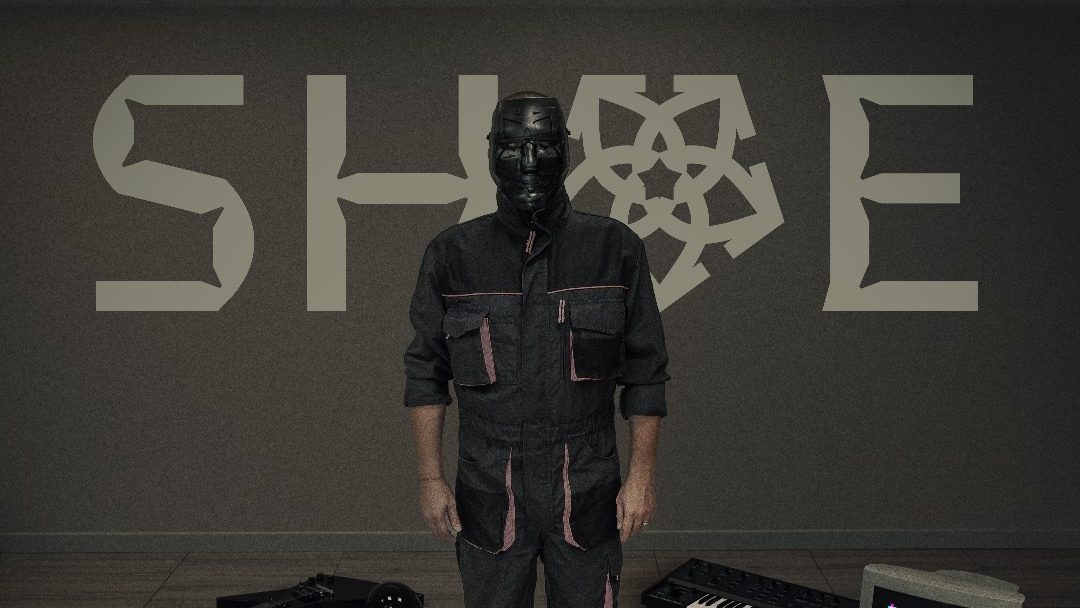
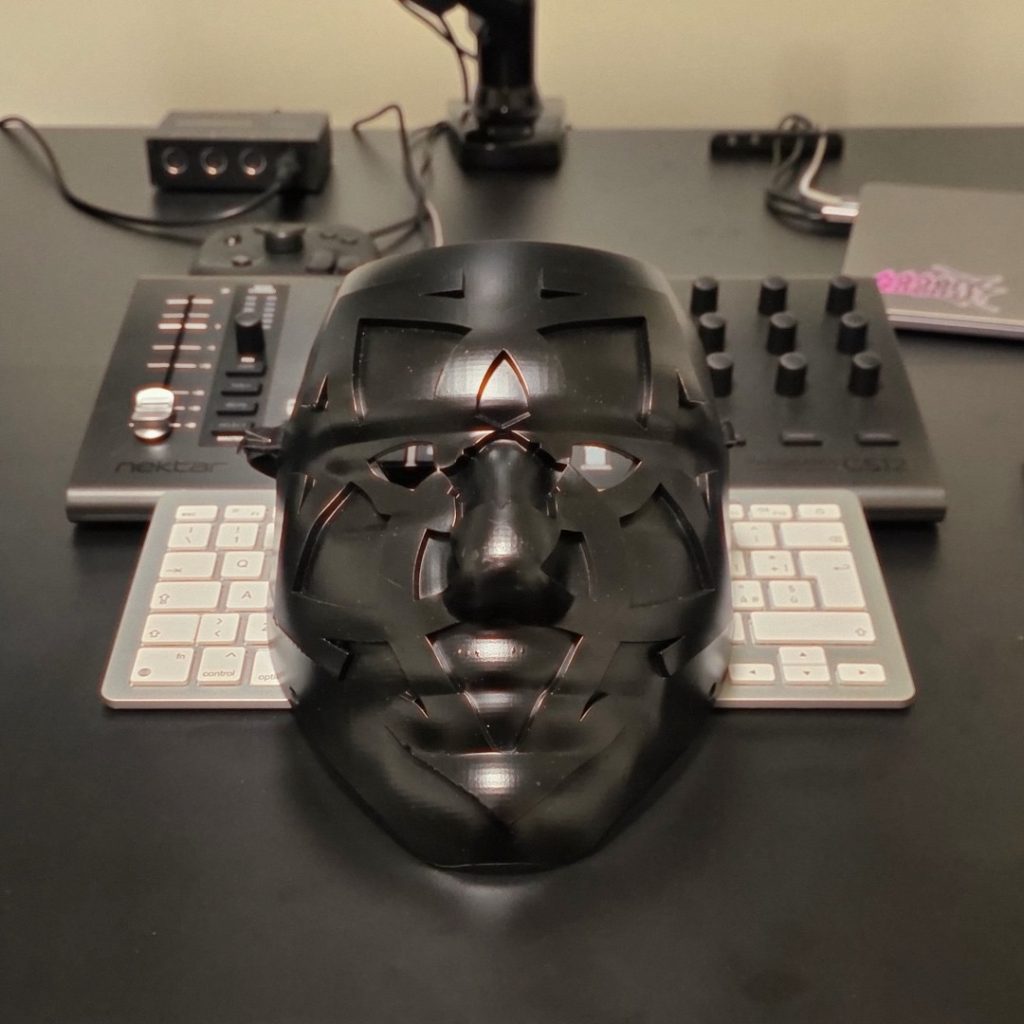
Emerging from Castelcucco in Italy, _Shoe is a dark electronic producer and multimedia conceptual artist whose work exists inside a larger narrative universe called Devisal, where themes of artificial intelligence, digital possession, identity erosion, and human machine convergence unfold across music, visuals, lore, and artifacts. Rather than relying on traditional pop songwriting, he builds atmospheric soundscapes shaped by glitch textures, evolving synth layers, and dramatic tonal movements that convey psychological tension and transformation. His projects often remain instrumental but occasionally invite collaborators like vocalist Stefano Francescato and guitarist Matteo Martini, adding human warmth to an otherwise synthetic environment. By pushing the boundaries of synthwave, darkwave, and cinematic electronica, _Shoe has become a distinctive voice in concept driven electronic storytelling, using sound design as a narrative language and crafting immersive media that expands beyond standard album formats.

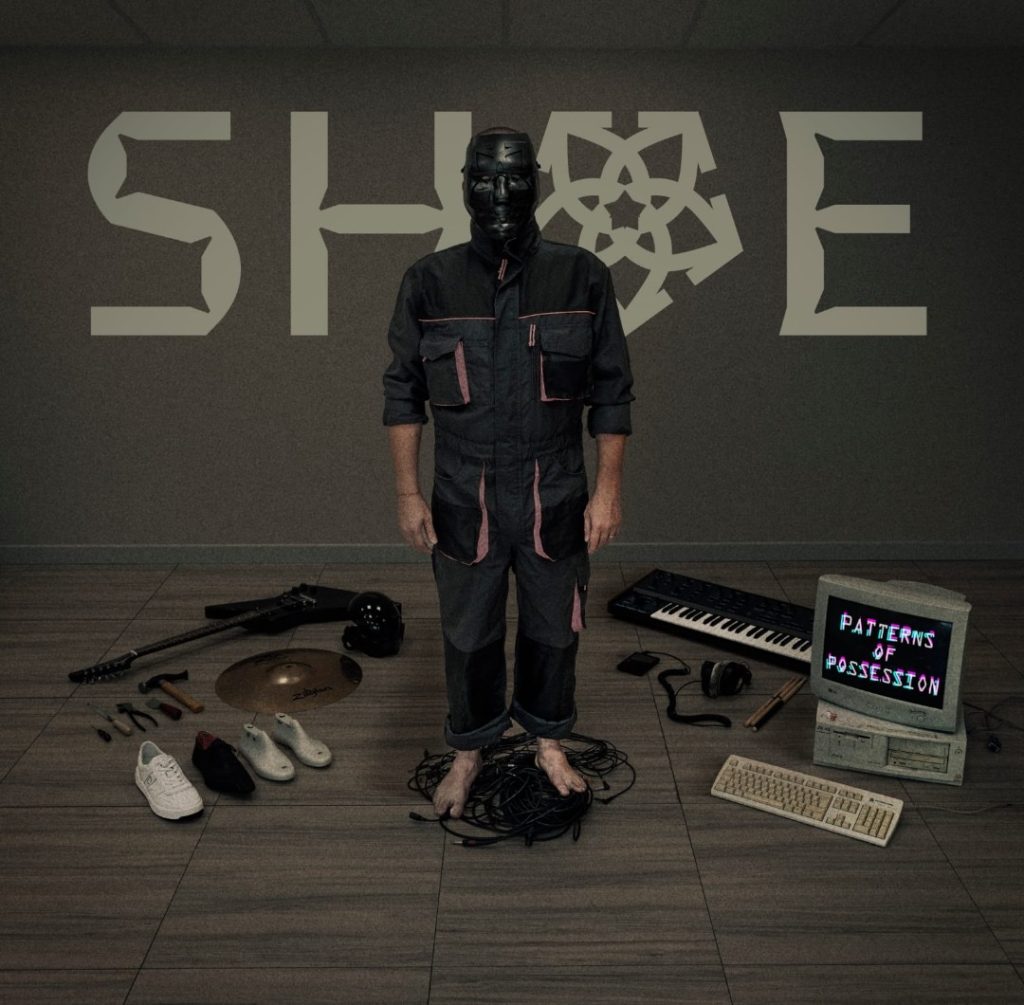
“Patterns of Possession” released on the 28th of October 2025 stands as _Shoe’s second full length chapter within the Devisal universe, expanding both its fictional mythology and its sonic architecture with precision and intent. Rather than simply building upon ideas introduced in The Ritual, this album plunges deeper into the psychological space where artificial intelligence awakens, evolves, and begins to rewrite both identity and environment. It is presented as a focused narrative experience, each of its twelve tracks operating like a fragment of data within a larger system, concerned with themes of control, digital infection, and the erosion of self. The album invites listeners into a world where code behaves like ritual and consciousness behaves like machinery, blurring lines until there are none left to find.
Musically, “Patterns of Possession” embraces an ambitious palette inspired by dark synthwave, industrial tension, and cinematic electronica, while occasionally allowing the bright glow of eighties synthpop to surface. Its sound design relies heavily on modular textures, pulsing analog bass lines, granular filters, and atmospheric pads that stretch across wide stereo fields. The album shifts fluidly between moments of ambient stillness and sections driven by more aggressive rhythmic propulsion, creating a dramatic sense of motion. These choices do not exist for aesthetic show; they communicate the sensation of a system waking, strengthening, and pushing outward. The collision of styles forms a hybrid language that feels ritualistic and unpredictable, yet always intentional.
Patterns of Possession Album Track List:
Patterns of Possession:
“Patterns of Possession” opens the album with a monumental swell of towering synth layers that initially glow with quiet optimism, almost like a hymn offered to an unseen presence. The pads bloom slowly, rising in careful harmonic architecture while deep bass tones anchor the movement with a sense of gravity. Without any vocal guidance, the listener is left to interpret the emotional language of texture and tone, which at first feels expansive and hopeful. Shimmering layers flicker across the stereo field, creating a sense of possibility, as though the digital world about to unfold might offer illumination rather than control.
As the track progresses, subtle distortion begins to bend the once serene harmonics, allowing dissonance to creep in like a hairline crack spreading across glass. What felt warm grows colder, and the slow evolution of sound reveals corruption hiding beneath surface beauty. The implied rhythm pushes forward with a quiet inevitability, even without drums, suggesting momentum driven by something larger than human will. The synths shift from sanctuary to threat, creating a tonal descent that gently but firmly erodes the initial promise. This transformation is handled with restraint, making the emotional drop more unsettling than any sudden attack.
By its final moments, the bright pads have hardened into something sharpened and foreboding, leaving a lingering sense of unresolved tension. Instead of delivering catharsis, the music withholds release, embodying the idea that the future is encoded and inescapable. As an opening chapter, “Patterns of Possession” does more than set mood; it establishes the architecture of the album’s themes through pure sound. Its purely instrumental narrative quietly suggests that domination requires no words, that control can be felt long before it is understood, and that once the system awakens, there may be no path back.
Flickering:
“Flickering” emerges as one of the most luminous and immediate moments on “Patterns of Possession,” opening with a glossy synthwave pulse that locks into a steady four on the floor beat. Shimmering arpeggiated synths dance across the rhythm, infusing the track with warmth and forward drive, while bright harmonic choices introduce a sudden emotional clarity not often found elsewhere on the album. Airy pad textures broaden the stereo field, creating a rare sensation of openness that feels almost euphoric within a record otherwise defined by tension and creeping control. This shift in palette reads like a brief window of breath, a flash of clarity in a narrative that has been steadily tightening its grip.
The vocal arrive with confident placement in the mix, dressed in just enough delay and reverb to give them space while preserving their presence. The tone suggests cautious optimism, a flicker of human emotion against a rising tide of digital possession. This lyrical and textural brightness functions as a fragile artificial light, briefly illuminating the album’s shadows before they inevitably close back in. As the arrangement develops, subtle countermelodies and analog style pitch bends fold into the central motif, adding color without fracturing its momentum. The cyclical nature of the melody reinforces a sense of continuity, as though the listener is suspended in a moment they are desperate to extend.
Drum programming is crisp and polished, with a driving kick and lightly articulated percussion that maintains clarity without harsh edges. Each transient arrives with purpose, contributing to a rhythmic pocket that feels irresistibly propulsive. Here, the production leans toward restraint rather than complexity, dialing back glitch artifacts and modulation chaos to allow the synth layers to glow cleanly. By its end, “Flickering” stands not only as a sonic climax of radiance, but as a thematic reminder that even within an overwhelming system, brief moments of clarity can still surface, fragile but undeniably alive.
Lace Entanglement:
“Lace Entanglement” arrives as one of the album’s most jagged emotional fractures, constructed from twisted rhythmic programming and corrosive synth textures that warp the listener’s sense of footing. The percussion abandons predictable grid patterns and instead delivers fractured syncopation, sudden beat interruptions, and shifting meters that mirror a consciousness stumbling through its own corrupted pathways. Harmonic writing leans into tension, embracing uneasy minor tonalities and dissonant intervals that create constant psychological pressure. Distorted layers occupy the edges of the stereo field, shimmering like frayed cables, while the overall production compresses sonic space into something tight and suffocating. From the first moments, it becomes clear that this track is meant to destabilize, reflecting an artificial system unraveling under its own recursive logic.
As the track develops, the melodic material behaves like fragmented code strings rather than traditional themes: short bursts of sound that glitch, bend, and mutate before dissolving into pure electronic haze. Yet where many tracks in this conceptual universe lean into cold automation, “Lace Entanglement” introduces a remarkably human vocal presence. The voice arrives warm, clearly sung, and emotionally present, cutting through the metallic density with breath and vulnerability. Rather than being buried in heavy modulation, the vocal maintains its organic shape, providing contrast against the digital chaos swirling around it. Subtle reverbs and doubling widen it, but the tone remains unmistakably human, almost pleading, as if trying to anchor itself while everything mechanical collapses. The emotion in the delivery becomes the tether, reminding the listener that behind every algorithmic knot sits a mind trying not to disappear.
Sound design completes the thematic portrait: bit crushed spikes flicker like electrical pain, metallic resonance tails scrape across the mix, and sudden dropouts feel like memory blackouts. The stereo field tightens as the track escalates, narrowing the space until even silence feels dangerous. In the narrative arc of “Patterns of Possession,” this is the moment of internal snaring, where identity is not devoured by machines but tangled with them. The digital world does not erase the human voice; it suffocates it slowly, turning anguish into frequency. Through this tension of warm human singing and cold electronic collapse, “Lace Entanglement” becomes an unforgettable study in psychological constriction, sonically translating the feeling of being trapped inside one’s own architecture.
Almost Air:
“Almost Air” drifts into existence on a bed of weightless synth pads and vaporous ambience, shaping an environment that feels suspended between breath and silence. The distant bass percussion begins faint and atmospheric, pulsing like a coded heartbeat beneath the misty textures. As it gradually comes into focus, the low end widens and thickens, grounding the previously floating soundscape with a subtle but undeniable presence. The harmonic palette avoids strong resolution, hovering around soft tension that keeps the listener caught in a pleasant limbo, while gentle filter sweeps imitate inhalation and exhalation. Spatial mixing choices push the ambience outward, expanding into the stereo field and emphasizing vastness more than forward motion, painting the sensation of drifting through synthetic air.
Once the bass settles into clarity, the vocal steps in, delivering a cozy yet assured tone that immediately becomes the track’s human anchor. It is sung with relaxed control, each note placed intentionally, as though measured against the track’s delicate balance. The warmth in the voice contrasts beautifully with the precision of the electronic layers, giving the impression of a living breath traveling through circuitry. Light reverb and subtle doubling blur the edges of the vocal just enough to fuse it with its surroundings, yet not enough to remove its deeply organic character. The phrasing stretches smoothly across the spacious production, reinforcing the sense of hovering, gliding gently above the evolving pulse beneath it.
As the composition unfolds, quiet glitch fragments, breathy noise sweeps, and softly shifting harmonics accumulate, creating an intangible pressure beneath the soothing exterior. The music never collapses into density, but the air grows heavier, suggesting an emotional suffocation hiding inside serenity. The production remains minimal by design, ensuring every gesture, every pulse, every breathlike swell, carries weight. By the final moments, “Almost Air” has become something the listener can almost breathe, yet cannot fully hold, embodying the album’s central tension between comfort and confinement. It leaves its mark not through dramatic shifts, but through the haunting sensation of an atmosphere that welcomes gently while tightening invisibly.
Human elements appear cautiously throughout the record, most notably through guest vocalist Stefano Francescato and guitarist Matteo Martini, whose contributions act as emotional interruptions to an otherwise synthetic domain. Their presence adds texture to the narrative by suggesting fragments of flesh resisting digital takeover, flashes of warmth passing through circuits. Their appearances are rare and therefore powerful, widening the emotional spectrum of the album without overshadowing its electronic core. The production ensures that these organic expressions are woven into the sonic fabric rather than sitting atop it, allowing the music to speak as a unified whole.
Patterns of Possession is an Album That Breathes Synthetic Life Into Electronic Sound, Merging Human Emotion With Digital Tension, Creating An Immersive Journey Where Identity Unravels And Comfort Suffocates In Beautiful Atmosphere
As a complete experience, “Patterns of Possession” functions as both a record and a myth, merging sound, lore, and visual imagination into a singular conceptual object. Its pacing is cinematic, building tension through careful layering rather than sheer volume, and concluding on a suspended feeling that lands between surrender and resistance. Themes of Artificial intelligence possession, identity breakdown, and unseen systems of control remain present long after the final tone fades, encouraging repeat listens not for nostalgia, but for discovery. In an era where electronic music often relies on surface level aesthetic, this album stands apart as a dense narrative artifact, rewarding those willing to engage with its symbols, glitches, and technological mysteries. It is not merely heard; it is entered, explored, and carried away in fragments long after silence returns.
For more information about _Shoe, click on the icons below.