

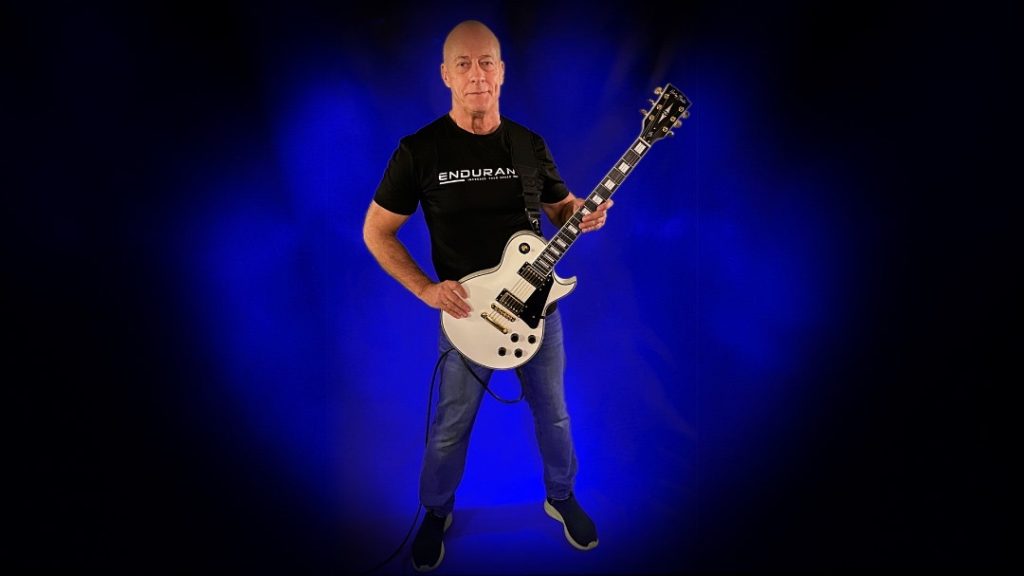
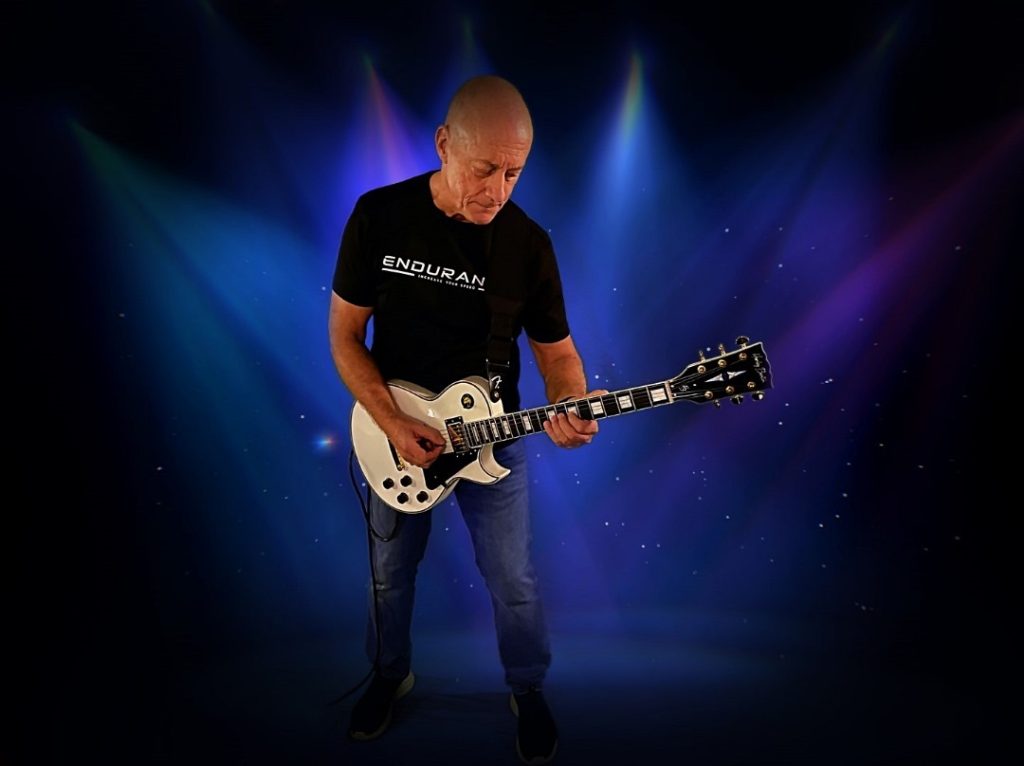
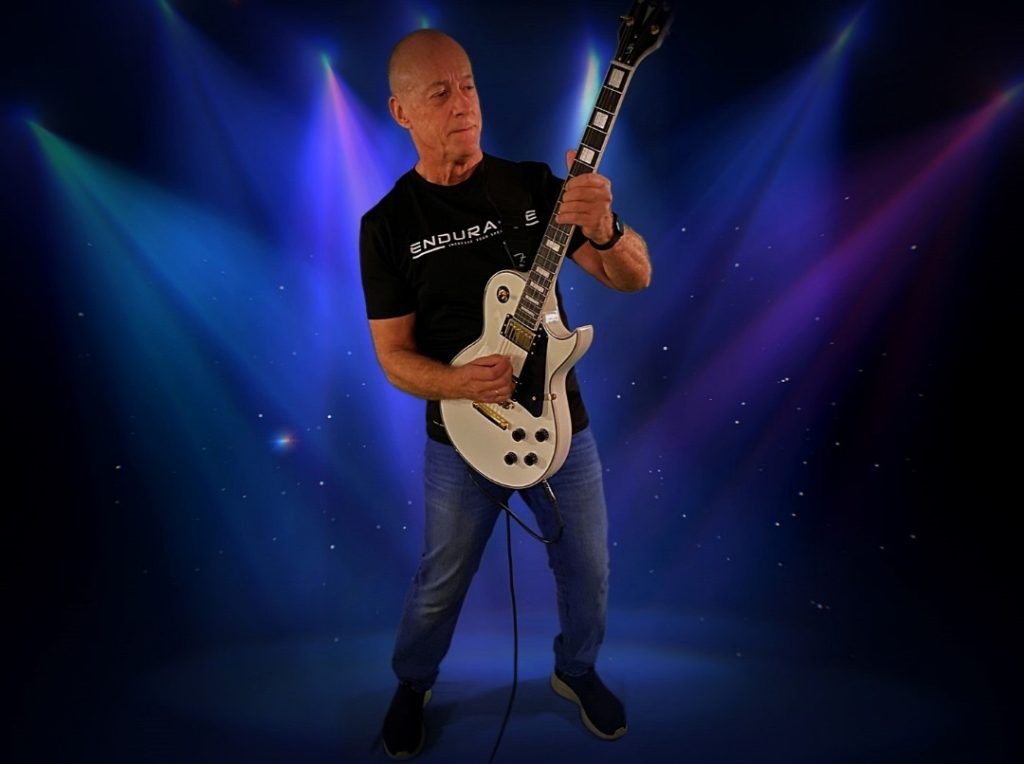
Filip Dahl is a Norwegian composer and multi-instrumentalist whose musical journey spans several decades and diverse genres. Beginning his career as a lead guitarist in various Norwegian rock bands during the 1970s, Dahl quickly developed a reputation for his distinct melodic sensibilities and technical precision. Over time, he expanded his expertise beyond performance into engineering and record production, becoming one of the founding figures of Trondheim’s acclaimed Brygga Studio in the 1980s and 1990s. After a self-imposed break from the music scene in the early 2000s, Dahl returned in 2016 as a solo artist, fully embracing his compositional and instrumental skills. His music draws from progressive rock, blues rock, and symphonic influences, with clear inspiration from iconic acts such as Pink Floyd, Deep Purple, Kansas, Marillion, and Dream Theater. Critics frequently highlight Dahl’s lead guitar work as uniquely expressive and instantly recognisable, with a tone and style that convey both technical mastery and emotional depth. Alongside his solo career, Dahl is a key member of the family band project Transcending Into the Unknown, founded in 2023 with his brother Robert “Pzyroks” Dahl and son Stian Dahl. Together, they have released a string of critically acclaimed singles and an EP, blending elements of blues rock, progressive neoclassical, and death metal in innovative ways.
Filip Dahl returns with a profoundly moving new single entitled “Learning to Breathe Again“, released on November 21st, 2025. “Learning to Breathe Again” is a continuation of Dahl’s artistic journey, a reflective and immersive instrumental piece that draws the listener into a calm, introspective space. The single demonstrates both technical mastery and emotional depth, presenting an atmosphere that is meditative, subtle, and profoundly moving. From its opening moments, the music conveys a sense of renewal and personal introspection, aligning perfectly with the evocative title. Each note seems deliberately placed to guide the listener through a gentle, emotional rebirth. It is a song that invites one to pause, reflect, and reconnect with oneself. The release underscores Dahl’s enduring relevance in contemporary instrumental music, offering an exquisite example of his continued evolution as a solo artist.
“Learning to Breathe Again” opens as a serene, contemplative instrumental composition, immediately establishing its reflective tone. The track is centered around Dahl’s guitar, which carries the primary melodic weight with expressive precision and emotional resonance. His playing is fluid, warm, and melodically rich, evoking a sense of human voice that communicates feelings beyond words. The phrasing is deliberate and patient, favoring long melodic lines over technical flamboyance, allowing the listener to fully immerse in each musical gesture. From the first note, there is an emotional intimacy that draws one into the piece, suggesting themes of healing, release, and introspection. The composition does not rush but unfolds naturally, giving the listener time to inhabit the sonic space. The guitar’s tone is both distinct and recognizable, reflecting Dahl’s prog-rock influences while maintaining a personal signature. It is a voice that speaks directly to the listener, conveying reflection, quiet reassurance, and inner calm. Each melodic phrase flows seamlessly into the next, creating a continuous emotional arc. The music is simultaneously grounding and expansive, encouraging contemplation without distraction. Dahl’s performance demonstrates mastery over both technique and emotional storytelling, showing that the guitar itself can narrate a journey. This careful approach elevates the composition from mere technical proficiency to a profound narrative experience. The opening section sets a template for the rest of the track, presenting a meditative entry point for the emotional journey that follows.
The instrumental layers supporting the lead guitar enhance the song’s immersive quality, creating a spacious and ethereal atmosphere. Subtle synths and ambient textures provide depth and dimension, acting as a sonic cushion beneath the guitar lines. These layers evoke a sense of floating or gentle suspension, amplifying the reflective tone of the composition. The synths shimmer delicately, adding cinematic breadth while avoiding distraction from the melodic core. Ambient pads swell and recede, mirroring the inhalation and exhalation implied in the title. This combination of lead guitar and supportive textures creates a soundscape that feels both expansive and intimate. Each element is carefully balanced, demonstrating Dahl’s production expertise and his understanding of emotional pacing. The ambient backdrop is not merely decorative but integral, symbolizing the act of regaining calm and composure. It conveys subtle tension and release, reinforcing the track’s theme of gradual healing. The textures serve as a soft echo of the guitar’s melodic voice, expanding the listener’s emotional engagement. The layering enhances the meditative quality, allowing the track to breathe organically. It reflects a sophistication in arrangement that ensures every note and texture contributes meaningfully to the whole. The listener is enveloped in a reflective, immersive sonic space from start to finish.
Rhythmic elements in “Learning to Breathe Again” provide a gentle framework that maintains subtle motion without disrupting the meditative quality. The drums are understated yet deliberate, acting as a quiet heartbeat that grounds the composition. The bass adds warmth and stability, filling the lower register with presence while avoiding dominance over the melodic content. Together, they create a balanced foundation that enables the lead and ambient layers to shine. The tempo sits comfortably in a moderate range, reinforcing the sense of calm and introspection. This restrained rhythm mirrors natural breathing patterns, underscoring the conceptual alignment between music and the act of learning to breathe again. The interaction between rhythm and melody is understated yet critical, allowing the track to grow in emotional intensity without relying on dramatic peaks. Subtle dynamic shifts in the rhythm section enhance the ebb and flow of the track, reflecting a nuanced understanding of pacing and emotional narrative. Each drum and bass contribution is precisely considered, emphasizing patience and careful intention over technical exhibitionism. This approach maintains a sense of unity throughout the composition, supporting rather than distracting from the lead lines. The rhythmic structure mirrors the thematic journey of renewal, echoing the reflective and restorative qualities of the piece. It encourages the listener to inhabit the moment fully while maintaining a sense of gentle forward momentum.
Structurally, “Learning to Breathe Again” demonstrates elegant compositional architecture that mirrors the process of emotional healing. The piece begins with quiet introspection, gradually expanding with the addition of melodic and ambient layers. Each progression is deliberate, allowing the listener to experience incremental growth and emotional development. Midway through the track, the guitar takes on a slightly elevated melodic presence, suggesting a reclaiming of strength and confidence. The harmonic and textural developments create subtle climactic moments without resorting to abrupt or overwhelming changes. This thoughtful arrangement emphasizes the ongoing nature of personal recovery, rather than presenting a simplistic resolution. The dynamics are measured, prioritizing emotional nuance over dramatic contrast. The pacing ensures that the narrative arc feels natural and continuous, providing a reflective journey that resonates deeply. Transitional moments between sections are smooth, reinforcing a sense of continuity and cohesion. The structure highlights Dahl’s ability to tell a story purely through instrumental means, using tone, texture, and melody as narrative tools. Listeners are guided through a sonic progression that mirrors internal renewal, creating a meaningful connection between the music and the theme. The track’s architecture demonstrates mastery over both musical form and emotional expression.
The production of the single is meticulous, reflecting Dahl’s decades of experience as an engineer and producer. Every instrument occupies its own space within the mix, ensuring clarity while maintaining cohesion. The guitar sits prominently yet harmoniously with the synths and rhythm section, allowing its expressive voice to dominate without overwhelming other elements. Ambient layers are precisely balanced, providing depth and cinematic qualities without becoming intrusive. Subtle reverberation and spatial effects create an immersive listening environment, further enhancing the track’s meditative qualities. The attention to detail demonstrates a sophisticated understanding of both sonic space and emotional narrative. This careful approach ensures that the emotional intent of the song is communicated as effectively as the technical execution. Listeners are invited into a sound world that is immersive, controlled, and emotionally compelling. The production accentuates the track’s reflective and restorative themes, providing a listening experience that is both soothing and engaging. It exemplifies how careful sonic design can enhance narrative storytelling in instrumental music. Every layer is functional and deliberate, reinforcing the song’s overarching purpose. The clarity of each element contributes to a holistic experience that is both technically impressive and emotionally resonant.

Emotionally, “Learning to Breathe Again” resonates as a deeply personal statement, while remaining universally relatable. The music evokes feelings of introspection, calm, and gentle restoration, offering a sonic space in which listeners can pause and reconnect with themselves. Dahl’s expressive guitar lines function as a voice that communicates without words, guiding the listener through a journey of subtle renewal. Ambient textures and measured rhythms reinforce the meditative atmosphere, creating a cohesive narrative of healing. The track encourages reflection and mindfulness, echoing the restorative power of deep breathing and emotional recovery. The gradual unfolding of the piece mirrors real-life processes of overcoming stress, grief, or emotional fatigue. It emphasizes patience, self-compassion, and the importance of creating personal space for restoration. Listeners can experience both the subtlety and the profundity of the track, finding resonance with their own moments of reflection. The emotional clarity demonstrates Dahl’s understanding of how instrumental music can articulate complex feelings. It conveys hope, reassurance, and gentle affirmation without overt sentimentality. This emotional accessibility enhances the impact of the composition, ensuring that it remains memorable and moving. The piece is both soothing and inspiring, a testament to the power of thoughtful musical storytelling.
Learning to Breathe Again is a Meditative Instrumental Journey Of Renewal, Where Expressive Guitar, Ethereal Textures, And Subtle Rhythms Guide Listeners Through Calm Reflection, Emotional Restoration, And The Gentle Rediscovery Of Inner Balance And Serenity
In conclusion, “Learning to Breathe Again” stands as a masterful example of Filip Dahl’s artistry, combining expressive guitar work, ambient textures, and subtle rhythmic foundations to create a meditative, emotionally resonant instrumental journey. The single is a reflection of his technical skill, compositional sophistication, and deep understanding of emotional narrative. It communicates themes of renewal, introspection, and healing with elegance, patience, and grace. Each element of the track serves the overarching concept, resulting in a unified and immersive listening experience. Dahl demonstrates that instrumental music can convey profound meaning, providing a sonic space for reflection, emotional release, and personal restoration. The track’s production, structure, and performance reveal an artist at the height of his creative powers. “Learning to Breathe Again” is both a continuation of Dahl’s long musical journey and a statement of enduring relevance and artistry. It offers listeners a serene and contemplative escape while showcasing the expressive potential of melodic progressive guitar music. The single invites one to slow down, breathe deeply, and reconnect with the inner self. It is an instrumental affirmation of resilience, subtle beauty, and artistic mastery. The composition exemplifies Dahl’s unique ability to merge technical proficiency with emotional depth, resulting in a truly unforgettable piece.
For more information about Filip Dahl, click on the icons below.