
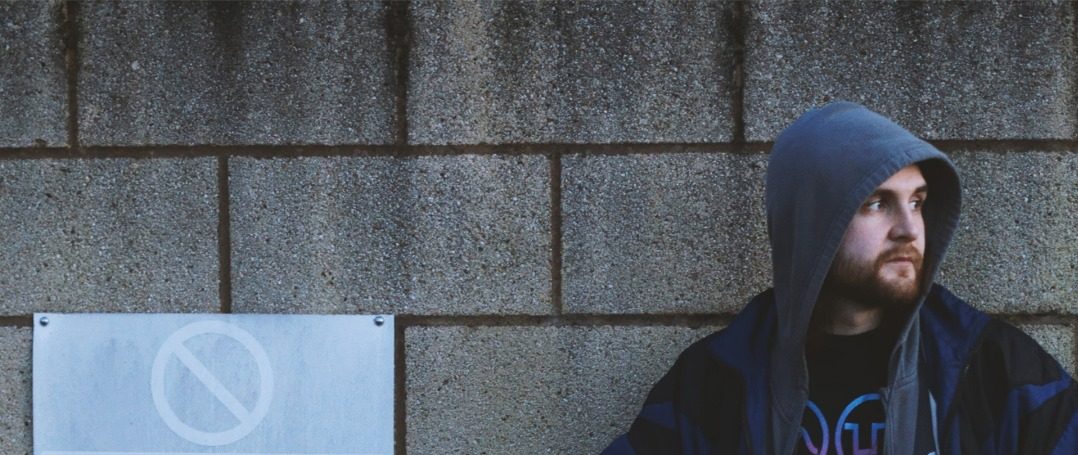
JeezJesus is the creative alter ego of Joe McIntosh, a London-based multimedia artist whose work exists at the intersection of sound, emotion, and alternative culture. His artistic journey is defined by constant reinvention, shaped by both formal training and years of hands-on immersion in underground music scenes. Having studied Music Technology at the University of Salford in Manchester, Joe developed a technical foundation that would later allow him to blur the boundaries between genre, mood, and sonic texture with confidence and precision. During his time in Manchester, Joe became an active participant in the local music scene, performing as a guitarist and keyboardist in several bands. Most notably, he played with the indie band VALA and the psychedelic rock outfit The Peace Pipers, experiences that grounded him in live performance and collaborative songwriting.
His creative role extended beyond performance into production, as he worked extensively with The Peace Pipers, producing their EP Patterns and their double single Helicopter / The Towers. These early production efforts sharpened his ear for atmosphere, structure, and emotional pacing, skills that would later define his solo work. Before adopting the JeezJesus name, Joe released dark electronic music under the alias GIMP, issuing one EP titled “Reject” alongside several standalone singles. This period marked an early exploration of abrasive electronics and emotionally charged sound design, laying the groundwork for his later artistic identity. In 2022, Joe reinvented himself fully as JeezJesus with the release of Dr. Electro Love, a project that firmly established his sonic identity. Rooted in post-punk, synth-driven darkwave, and indie industrial, the album was unflinching and emotionally stark, balancing retro influences with a modern, digital sensibility.
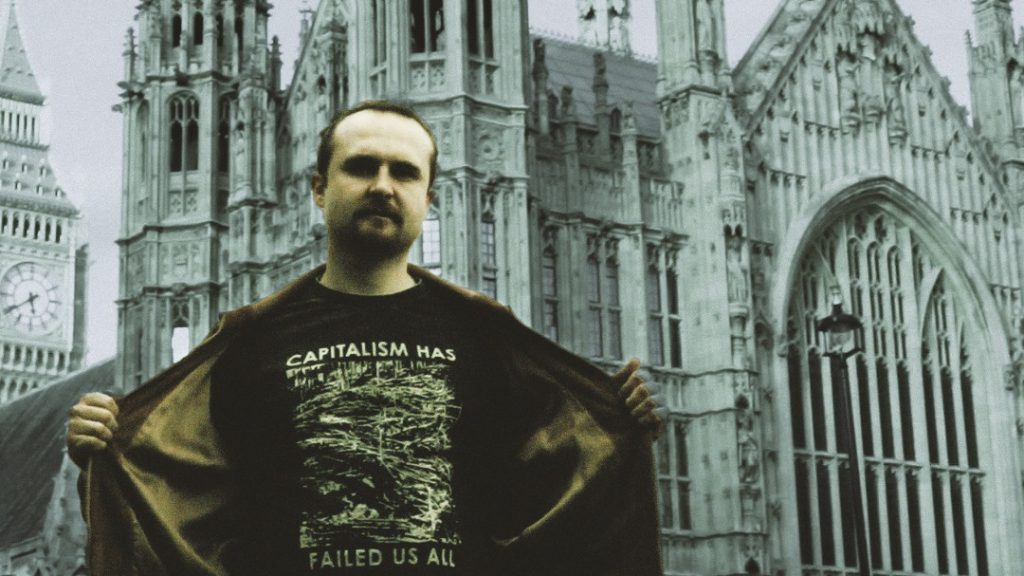
The following year saw JeezJesus release several EPs that explored a wide range of alternative dance and electronic styles, reflecting both his prolific nature and his refusal to remain stylistically static. By 2024, JeezJesus had found a more focused and stylised direction, resulting in Super Creeps & Spooky Beats, a song-based album inspired by darker industrial-goth records of the 1980s. This release was soon followed by “Sound Art: Vol. 1”, a new-age experimental electronic album that allowed him to explore more abstract ideas developed alongside “Super Creeps”. Now in 2025, JeezJesus stands as an artist committed to serving a very specific subsection of alternative society. Eclectic yet intentional, prolific yet deeply personal, his work is an authentic expression of alternative creativity in the digital age, crafted for listeners who actively seek the experimental, the dark, and the emotionally honest.
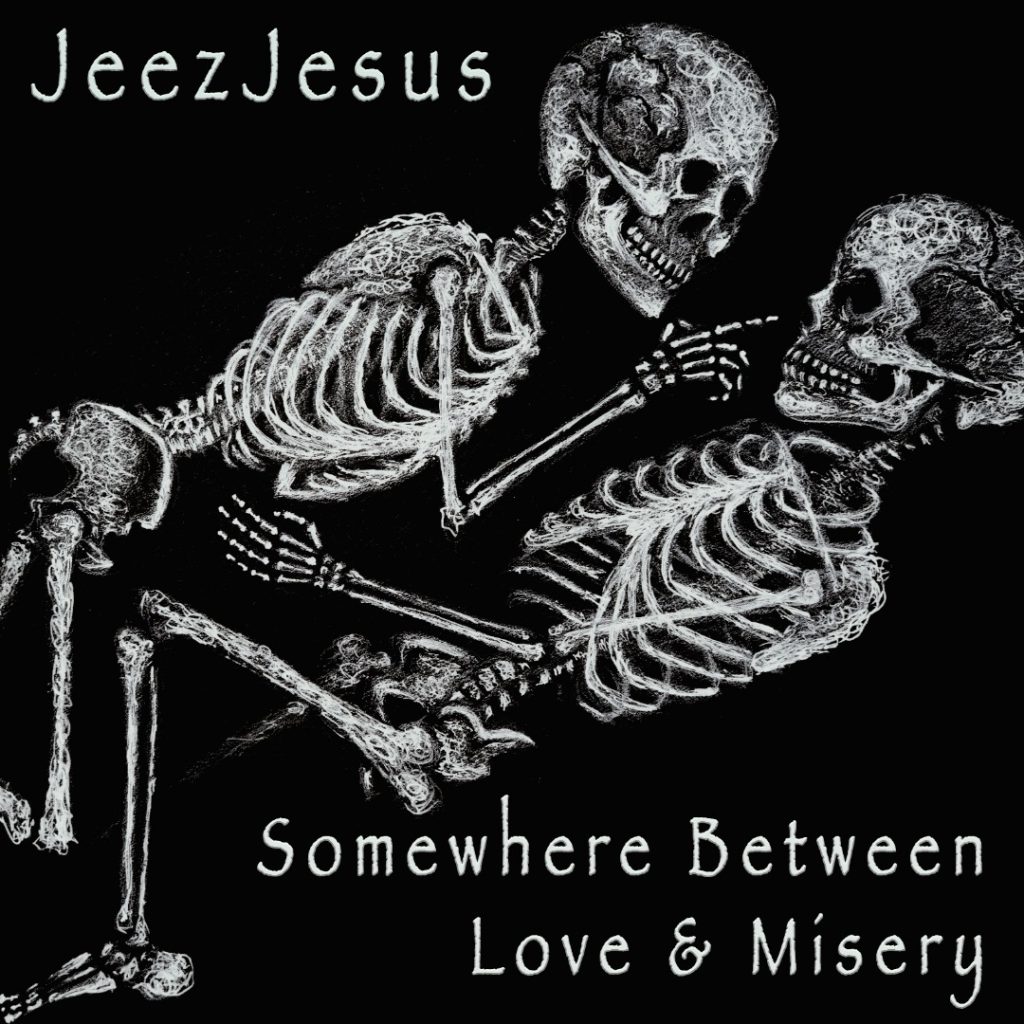
Released on December 12, 2025, “Somewhere Between Love & Misery” marks the fourth studio album from JeezJesus and represents a defining moment in his artistic evolution. Conceived as a closing chapter on a significant period of his life, the album is both deeply personal and socially aware, weaving together reflections on love, anger, anxiety, and the unstable socio-economic and political climate of the modern world. It is an album born from exhaustion, reflection, and renewed focus, crafted from ideas that had lived for years on hard drives and shaped by very specific moments in the artist’s life. Stylistically, the album embraces its eclectic nature with intention. It is structurally divided into two emotional halves: the first darker, heavier, and more confrontational; the second lighter, more reflective, and emotionally open.

Drawing from 1990s industrial, 1980s synthpop, early post-punk, and new wave, “Somewhere Between Love & Misery” functions as an amalgamation of the genres that have inspired JeezJesus most. Rather than feeling scattered, these influences coexist within a shared alternative lineage, making the album feel cohesive despite its wide sonic range. At its core, “Somewhere Between Love & Misery” is a love letter to darker alternative electronic music of the last fifty years, filtered through a contemporary lens and deeply human emotion. It captures the tension between connection and isolation, resistance and vulnerability, rage and tenderness. For JeezJesus, this album stands as one of his greatest works, a carefully curated body of music that closes one chapter while leaving the listener standing thoughtfully between exactly what its title promises: love and misery.
Somewhere Between Love and Misery Album Track List:
I See You:
“I See You” by JeezJesus stands out as a hard-hitting, politically charged electro-punk anthem that immediately commands attention with its visceral energy and uncompromising intensity. From the first moment, jagged, distorted synth lines cut sharply through the mix, layered atop industrial-inspired percussion that feels both mechanical and urgent, mirroring the unrest and chaos that inspired the track. The production is meticulously crafted: each electronic stab, crashing synth wave, and percussive hit feels deliberately placed to evoke tension, frustration, and a sense of impending reckoning. The interplay between abrasive textures and atmospheric layers gives the track depth, allowing the listener to feel the weight of societal turmoil and personal unrest simultaneously. Subtle elements, like background tonal swells and rhythmic syncopations, enhance the song’s dynamic range, creating spaces of anticipation that explode into moments of sonic intensity. This careful attention to detail ensures that every element of the song contributes to its overarching purpose: confronting systemic injustice and amplifying the voices of those who feel invisible, unheard, or marginalized in an increasingly polarised society.
Lyrically, “I See You” operates as both a statement of recognition and a powerful call to collective action. JeezJesus’s vocal delivery is raw, impassioned, and deliberate, carrying a weight that makes each line feel urgent and personal. The repeated phrase “I see you” functions as a mantra, offering validation and recognition to those who feel overlooked or silenced in the midst of political and economic unrest. Inspired by the instability and upheavals of the previous year, the song reflects not only a societal critique but also a deeply empathetic human perspective, acknowledging the isolation and frustration of listeners navigating the pressures of modern life. The lyrics navigate the delicate balance between rage and compassion: they confront societal fractures, injustice, and inequality while extending solidarity and emotional connection. The song resonates as a unifying anthem, a rallying cry for anyone who has felt alone in the dystopian realities of today’s world, transforming anger into communal empowerment and highlighting the importance of visibility and acknowledgment in an era of division.
Beyond its thematic and lyrical impact, “I See You” exemplifies JeezJesus’s ability to fuse conceptual depth with intricate musical craftsmanship, positioning the track as both a political statement and an immersive auditory experience. The song’s structure skillfully balances intensity and atmosphere: moments of sparse, tension-filled instrumentation give way to explosive choruses and dense, layered soundscapes, reflecting the oscillation between personal introspection and collective societal outcry. Synth textures ripple and clash against industrial percussion, creating a sensation of controlled chaos that mirrors the world the song critiques. Even the subtler production details, like low-end drones, reverberating delays, and occasional dissonant effects, enhance the song’s sense of unease and urgency, drawing listeners deeper into its narrative. As the lead single from Somewhere Between Love & Misery, “I See You” encapsulates the album’s overarching themes of fracture, empathy, and resistance, offering not just commentary but a lived emotional experience. It is a track that resonates both intellectually and viscerally, compelling listeners to confront injustice while simultaneously affirming the power of recognition, connection, and solidarity in a world that increasingly struggles to see and hear one another.
Control:
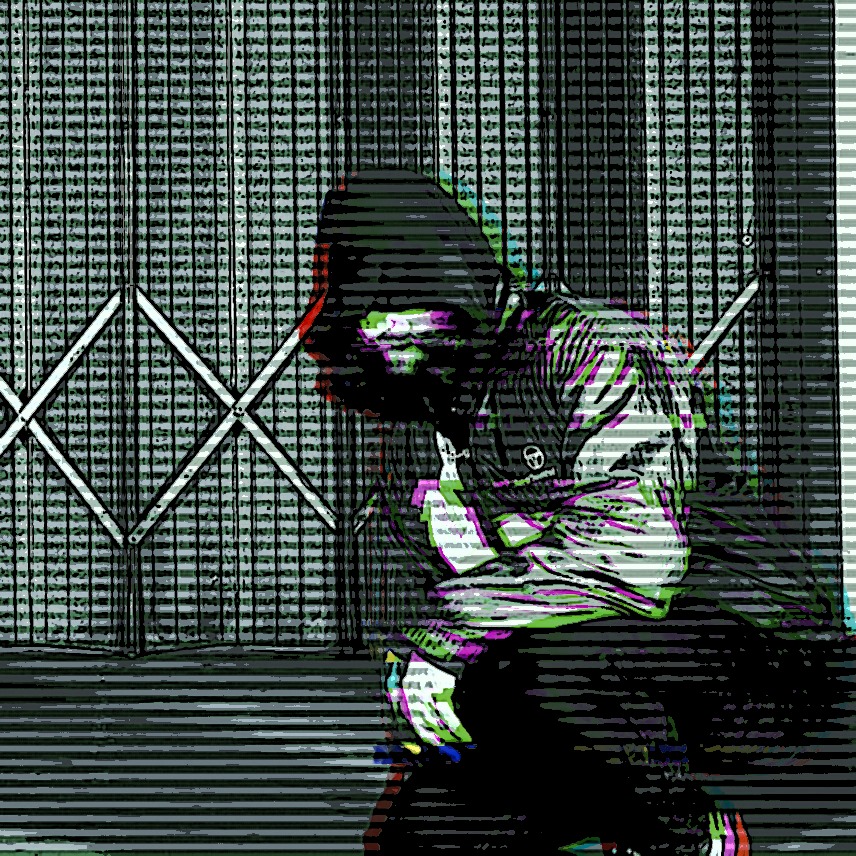
“Control” by JeezJesus immediately establishes itself as a pulsating electro-punk journey, blending dark industrial textures with a propulsive rhythmic backbone that captures the tension between autonomy and external pressures. From the opening seconds, sharp synth stabs and distorted electronic elements intertwine with driving percussion, creating an atmosphere that is both claustrophobic and expansive. The song’s production is layered with deliberate complexity: subtle background textures, atmospheric pads, and occasional glitch-like effects punctuate the beat, heightening the sense of unrest and internal conflict that underpins the track. Each sonic layer is carefully constructed to reflect the overarching theme of the struggle for agency, as the listener is drawn into a world where control is both sought after and systematically undermined. The instrumentation balances aggression with nuance, ensuring that the energy never feels overwhelming but instead conveys a tense, controlled chaos that mirrors the lyrical narrative.
Lyrically, “Control” delves into the intricacies of personal autonomy, societal influence, and the constant negotiation between self-determination and external manipulation. JeezJesus’s vocal delivery is sharp and commanding, punctuating the song with both urgency and precision. The lyrics navigate the duality of vulnerability and strength, exploring the psychological and emotional challenges of feeling constrained by forces beyond one’s control. Repetition of key phrases and strategic pauses in the vocal line emphasize the tension and struggle central to the song’s message. There is a palpable sense of resistance and defiance throughout the track, as the narrative conveys both frustration and the desire to reclaim agency. The song resonates as a deeply introspective exploration while maintaining a universal accessibility, allowing listeners to interpret the struggle for control in both personal and societal contexts.
Musically, “Control” excels in its dynamic arrangement and textural sophistication, combining elements of industrial, post-punk, and electro-punk into a cohesive, immersive experience. The rhythmic pulse shifts subtly throughout, with moments of staccato percussion giving way to sustained synth swells and atmospheric breaks, creating a push-and-pull effect that mirrors the thematic tension of the song. Layered synth melodies interact with distorted electronic bass lines, producing a sonic landscape that is simultaneously abrasive and hypnotic. The production’s attention to detail is evident in the nuanced use of spatial effects, such as reverb and delay, which add depth and dimension to the mix, giving each section a distinct emotional weight. As part of “Somewhere Between Love & Misery”, “Control” stands as a centerpiece of the album, embodying the tension, intensity, and thematic complexity that define JeezJesus’s work, leaving a lasting impression on listeners both musically and emotionally.
We Could Be Friends:
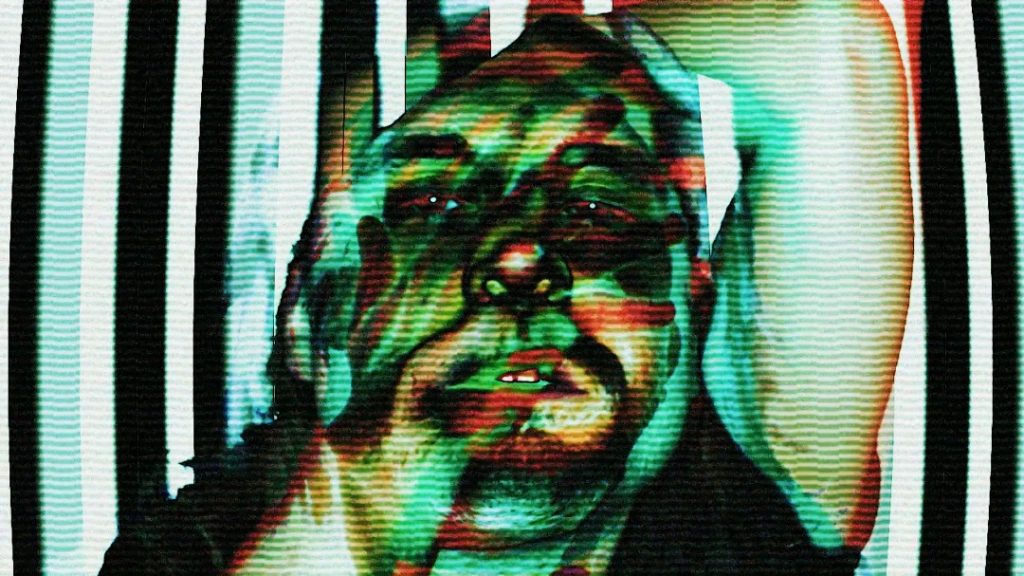
“We Could Be Friends” by JeezJesus opens with a subtle, atmospheric build that immediately sets a contemplative and introspective tone, contrasting with the album’s otherwise aggressive electro-punk energy. Delicate synth pads weave through a minimalistic percussive framework, establishing a spacious sonic environment where every note and texture is carefully placed. The production incorporates nuanced layers of electronic textures, soft, ambient swells underpin the main melodic motifs, while lightly distorted arpeggios add a sense of tension beneath the song’s serene surface. The interplay between these elements creates a dynamic balance between tranquility and unease, reflecting the fragile, tentative nature of human connection that the song explores. Even the smallest sonic details, such as faint background pulses and subtle harmonic shifts, contribute to a sense of intimacy and vulnerability, making the listener feel like a witness to a quiet yet emotionally charged conversation.
Lyrically, “We Could Be Friends” explores the delicate boundaries of connection, trust, and the potential for understanding between individuals. JeezJesus’s vocal performance is intimate and measured, carrying a warmth that contrasts with the electronic textures of the instrumentation, creating an engaging dialogue between human emotion and synthetic soundscapes. The lyrics convey a longing for connection in a fractured world, emphasizing the tentative hope and cautious optimism that define the track’s narrative. Through repetition of key phrases and carefully paced delivery, the song builds a sense of emotional resonance, inviting listeners to reflect on moments of potential camaraderie, empathy, and the tentative beginnings of trust. There is a gentle push-and-pull in the phrasing that mirrors the complexities of forming relationships, making the song deeply relatable while maintaining a poetic and introspective quality.
Musically, the track demonstrates JeezJesus’s skill in balancing minimalism with layered sophistication, integrating post-punk and darkwave elements into a serene, emotionally driven framework. The arrangement evolves gradually, introducing subtle rhythmic accents and harmonic shifts that prevent the track from feeling static, while the synth textures ebb and flow to maintain a sense of motion and progression. Atmospheric effects, including reverb and echoing delays, give the song depth and dimension, creating a spatial experience that mirrors the thematic exploration of human connection and distance. The careful interplay of rhythm, melody, and texture ensures that “We Could Be Friends” is not only a contemplative pause within Somewhere Between Love & Misery but also a track that resonates emotionally, highlighting JeezJesus’s versatility and capacity to convey vulnerability and introspection alongside the album’s more intense compositions.
Work To Die:
“Work To Die” by JeezJesus immediately immerses the listener in a dark, pulsating soundscape that merges industrial textures with electro-punk intensity, creating a sonic embodiment of exhaustion, societal pressure, and existential struggle. From the first seconds, distorted synth lines ripple over a relentless percussive drive, forming a rhythm that feels both mechanical and oppressive, echoing the relentless cycle of labor and societal expectation. The production is intricate, with layered electronic textures that ebb and flow, including subtle low-end drones, gritty synth pulses, and sharp, staccato electronic hits that punctuate the tension. Ambient background effects and reverberating soundscapes add depth, enhancing the track’s feeling of confinement and urgency, while occasional breaks and filtered passages provide moments of reflection amid the driving intensity. Every instrumental choice serves the song’s narrative, turning the music into a visceral representation of the emotional and psychological weight of modern existence.
Lyrically, “Work To Die” conveys a potent critique of societal structures and the pressures placed upon individuals, exploring the intersection of labor, monotony, and the feeling of being trapped within a system that devalues human agency. JeezJesus delivers the vocals with raw intensity and an almost urgent insistence, transforming each line into a declaration of frustration and weary defiance. The repeated phrasing in the chorus acts as both a mantra and a critique, emphasizing the oppressive rhythms of life and the relentless demands society imposes on its members. Through measured yet powerful delivery, the song captures the tension between resignation and resistance, evoking empathy while simultaneously provoking reflection. The lyrics do not simply narrate exhaustion, they amplify it, creating an emotional resonance that listeners can feel in tandem with the pounding instrumentation.
Musically, “Work To Die” excels in its dynamic interplay between rhythmic propulsion and atmospheric layering, blending industrial, electro-punk, and darkwave influences into a cohesive, immersive experience. The percussive drive interacts with complex synth textures, providing both momentum and emotional weight, while intermittent melodic flourishes and dissonant electronic accents enhance the song’s sense of tension and unpredictability. The production skillfully uses spatial effects like reverb, delay, and subtle panning to create a multidimensional auditory experience, making the listener feel enveloped in the track’s thematic landscape. As part of “Somewhere Between Love & Misery”, “Work To Die” embodies the album’s themes of struggle, resistance, and the critique of societal structures, standing out as a deeply engaging and thought-provoking composition that resonates both intellectually and viscerally. It is a track that translates the exhaustion of modern life into a meticulously crafted musical journey, leaving a lasting impression through both its sonic power and emotional depth.
Somewhere Between Love & Misery is a dark, emotionally honest closing chapter, where industrial soundscapes confront society, vulnerability, and the fragile hope of connection.
“Somewhere Between Love & Misery” stands as a powerful and deeply considered body of work that encapsulates JeezJesus’s artistic evolution while offering a raw, honest reflection of the world and the inner life of the individual navigating it. The album succeeds not only because of its rich fusion of industrial, post-punk, synthpop, darkwave, and electronic influences, but because of the emotional intent that binds those sounds together into a cohesive narrative. As a closing chapter on a significant period of the artist’s life, it feels deliberate and resolute, balancing societal critique with personal vulnerability in a way that is immersive rather than didactic. Each track contributes meaningfully to the album’s emotional arc, moving from darker, heavier expressions of unrest and frustration toward moments of introspection, connection, and fragile hope, making the listening experience feel purposeful from start to finish. JeezJesus demonstrates a refined command of atmosphere, structure, and thematic depth, crafting songs that resonate both intellectually and emotionally while remaining grounded in alternative electronic traditions. This album is highly recommended for listeners drawn to darker electronic music, industrial and post-punk aesthetics, and art that challenges rather than comforts. More than just a collection of songs, “Somewhere Between Love & Misery” is an authentic statement of alternate expression in the digital age, an album that rewards attentive listening, invites reflection, and lingers long after it ends, affirming JeezJesus as an artist who not only understands his influences but transforms them into something deeply personal and enduring.
For more information about JeezJesus, click on the icons below.