
Karen Salicath Jamali is a multi-award-winning composer, pianist, producer, and visual artist whose extraordinary journey spans music, visual arts, and spiritual exploration. Born in Denmark and currently based in New York City and Florida, she has worked as a painter, sculptor, and photographer for over thirty years, exhibiting in more than 180 museums and galleries worldwide including the Louvre Museum in Paris. Her art explores spiritual and meditative themes, often inspired by energy, frequency, and phenomena such as event horizons, creating works that invite audiences to see beyond the physical into deeper emotional and spiritual understanding. In 2012, a life-altering head injury and near-death experience unlocked her latent musical abilities. Although she had never played piano before, she began composing dream-inspired music that became both a healing practice and a channel for angelic energy. Over the past decade, she has composed more than 2,500 works, released eight albums, and performed solo at Carnegie Hall eight times, building a global audience of over 90,000 followers and 7.5 million streams. Jamali’s lifelong connection with angels informs her creative vision, bringing messages of love, hope, peace, and compassion through both her visual and musical art.

Released on November 21st, 2025, “Wings of Gabriel” is an 11-track piano album that continues Karen Salicath Jamali’s exploration of angelic soundscapes. Every piece on the album was received through her dreams over the past year and recorded in the early morning on her Golden Age Steinway piano. The album is structured in three distinct wings, each reflecting a different facet of Archangel Gabriel’s energy. The first wing conveys softness and tenderness, offering gentle and compassionate melodies. The second wing focuses on divine compassion and inner peace, creating a harmonic sanctuary that comforts and restores the listener. The third wing explores the mystery beyond words, presenting ethereal and expansive compositions that embody Gabriel’s unexplainable presence. Together, these wings form a cohesive spiritual journey, blending intimacy, meditation, and transcendence in a seamless listening experience.
The sound of “Wings of Gabriel” reflects both artistic intention and technical mastery. Legendary engineer Maria Triana, who spent decades at Sony Music working with artists including Aretha Franklin, Bob Dylan, Elvis Presley, Sting, and Whitney Houston, mastered the album. Her expertise brings warmth, clarity, and resonance to Jamali’s compositions, ensuring that every note and harmonic nuance is fully realized. The combination of Jamali’s dream-inspired piano work and Triana’s masterful touch creates a listening experience that feels immersive, ethereal, and emotionally transformative. The album is designed for reflection, meditation, or quiet companionship, allowing listeners to connect with the music in a deeply personal and restorative way.
Wings of Gabriel Album Track List:
Angel Gabriels Grace:
“Angel Gabriels Grace” begins with an atmosphere of tender intimacy, immediately drawing the listener into the gentle emotional landscape that defines the first wing of the album. The opening moments unfold with soft, welcoming tones that feel both nurturing and spiritually inviting, setting the stage for a piece that prioritizes emotional resonance over display. From its very first notes, the track embodies the warmth and delicate energy associated with Archangel Gabriel, offering a sonic space where the listener can exhale, settle, and feel held within its calm embrace. This sense of softness gives the piece its emotional anchor, positioning it as an entryway into the larger angelic journey that the album unfolds.
At the heart of “Angel Gabriels Grace” is its floating melody, carried with quiet precision in the right hand while the left hand provides a stable harmonic foundation that glows beneath it. The right-hand phrases drift like soft breath, each note intentionally spaced and allowed to resonate fully, while the left-hand harmonies remain warm and grounded, offering a sense of support and acceptance. The tempo remains slow and unhurried throughout, allowing the listener to absorb every tone and vibration without rush, reinforcing the themes of healing, reflection, and divine presence that are central to the album. This balance between melodic delicacy and harmonic stability creates a serene, luminous texture that feels both soothing and spiritually elevating.
Harmonically, the track embraces clarity and consonance, focusing on emotional impact rather than complexity, which enhances its meditative quality. The restrained dynamics, subtle crescendos, and thoughtful phrasing contribute to a profound sense of calm, making the piece feel less like a traditional performance and more like a quiet moment of communion. “Angel Gabriels Grace” serves as a foundational entry point for the album, establishing not only its sonic identity but also its spiritual purpose. Through its simplicity, warmth, and attentive touch, the track becomes a gentle reminder of stillness, compassion, and inner peace, embodying the very essence of the angelic inspiration that guides the entire project.
Angel Gabriels Whisper:
“Angel Gabriels Whisper” opens with a sense of delicate introspection, shaping an atmosphere that feels immediately inward and quietly intimate. The melody unfolds like a gentle sigh, as if the piano itself is breathing softly into the space around it. From the very first phrase, the music invites the listener to lean in emotionally, creating a tender closeness that mirrors the whisper-like subtlety of its title. Each note seems to carry the faint imprint of something sacred, something meant to be felt rather than fully understood, establishing the track as one of the album’s most contemplative and emotionally fragile moments.
One of the most striking qualities of “Angel Gabriels Whisper” is its thoughtful use of silence, which becomes an integral part of the composition’s texture and intention. The spaces between notes act as quiet sanctuaries where reflection can bloom, amplifying the ethereal purity of the piano’s tone. The measured tempo supports this sense of meditative pacing, allowing every sound to resonate fully before dissolving into stillness. Subtle dynamics shape the emotional arc with gentle nuance, emphasizing vulnerability and the soft glow of inner truth. Through its minimalistic harmonic foundation, the piece creates a reflective environment where simplicity becomes powerful and silence becomes expressive.
As the track unfolds, listeners are drawn into what feels like a private inner dialogue, almost like an intimate prayer whispered into their own consciousness. Each note becomes a soft confession, inviting mindful listening and a deeper connection to the emotional undercurrent of the album. The music’s resonance comes not from grandeur or complexity, but from its quiet restraint and luminous fragility. This delicate balance forms a protective, spiritually nourishing atmosphere that lingers long after the final note fades. Within the larger scope of the album, “Angel Gabriels Whisper” stands as a gentle, introspective moment of stillness, encouraging the listener to pause, breathe, and enter a more peaceful inward state.
Angel Gabriels Glow:
“Angel Gabriels Glow” emerges as one of the album’s most restorative moments, deepening its overarching sense of sanctuary through a sound world shaped by warmth, compassion, and emotional grounding. From the first notes, the left hand establishes a fuller harmonic bed that feels stabilizing and reassuring, allowing the right hand to rise with a melody that seems to wrap gently around the listener. This interplay creates the sensation of being held close, as though the music itself understands exhaustion and answers it with a soft, embracing calm. The resonance is deliberately spacious and uncluttered, enabling the piano to breathe in a way that slows the heart and clears mental noise. Even in its gentlest moments, the track maintains a quiet strength, offering reassurance through its stillness and extending an invitation to step into a place where tension gradually loosens and the noise of the outside world fades away.
Within the conceptual structure of the album, “Angel Gabriels Glow” belongs to Wing II, the section dedicated to refuge, release, and emotional healing. Its placement here amplifies its spiritual intention, framing it as a moment designed to provide shelter from the internal storms hinted at elsewhere in the project. The dynamics remain controlled but deeply expressive, revealing subtle emotional shifts that feel like small breaths of renewal. Each note seems to linger just long enough to radiate warmth before dissolving into the surrounding silence, creating a shimmering space where vulnerability is not only acknowledged but protected. Through this gentle architecture, the track becomes a sanctuary within a larger sanctuary, a musical room where the listener can rest without urgency or pressure.
Ultimately, what makes “Angel Gabriels Glow” so captivating is the way it transforms simplicity into profound emotional depth. There is nothing excessive or ornate in its construction, yet every element carries intention, from the patient pacing to the soft curvature of its melodic phrasing. The track embodies the album’s commitment to spiritual nourishment, offering light without force and comfort without sentimentality. As it unfolds, it invites the listener to surrender to tranquility, to breathe more slowly, and to allow the quiet glow at its center to seep gently into the heart. In doing so, it stands as one of the album’s most quietly powerful reflections on care, protection, and the healing presence that music can offer.
Wings of Gabriel, Pt. 3:
“Wings of Gabriel, Pt. 3” stands as the album’s transcendental apex, completing its conceptual rise from intimacy and inner healing toward a state of luminous liberation. The track immediately establishes a celestial mood through its high register chords, which hover like suspended beams of light, shaping a voice that feels both distant and deeply present. Light tremolos drift across the upper octaves, creating a floating texture that evokes the sensation of lifting away from the familiar world and entering an elevated realm. Rather than relying on melodic narrative, the piece prioritizes harmonic resonance and atmospheric shimmer, allowing each sound to bloom, fade, and echo into a vast expanse that feels boundless. This spaciousness forms a sonic environment that encourages contemplation, as if the listener is rising slowly into a clearer, more sacred air.
Positioned within the album’s third wing, the track represents the culmination of its spiritual ascent, embodying the moment where the emotional journey releases all remaining heaviness. The subtlety of the dynamics plays a crucial role in reinforcing this feeling of weightlessness, as the notes are given time to resonate fully, creating an impression of sound dissolving into light. Textures remain airy and translucent, shaped by carefully measured gestures that elevate rather than ground. Through these choices, the music enacts the idea of flight not through speed or intensity but through openness, surrender, and the gentle lifting of inner boundaries. This wing closes the album’s trilogy of themes by guiding the listener into a space where sound becomes a conduit for transcendence.
Emotionally, “Wings of Gabriel, Pt. 3” offers a sense of pure release, arriving like a final exhale after the tenderness and refuge explored in the earlier sections. The track’s luminous stillness invites reflection not through solitude but through communion with something ineffable, as if the music is whispering from a realm just beyond human reach. Its shimmering harmonies convey freedom from constraint, encouraging the listener to rise above emotional weight and step into a vast openness filled with light. By the time the final resonance dissipates, the piece leaves behind a lingering aura of spiritual wonder, completing the album’s journey with a feeling of ascension that is both peaceful and profoundly moving.
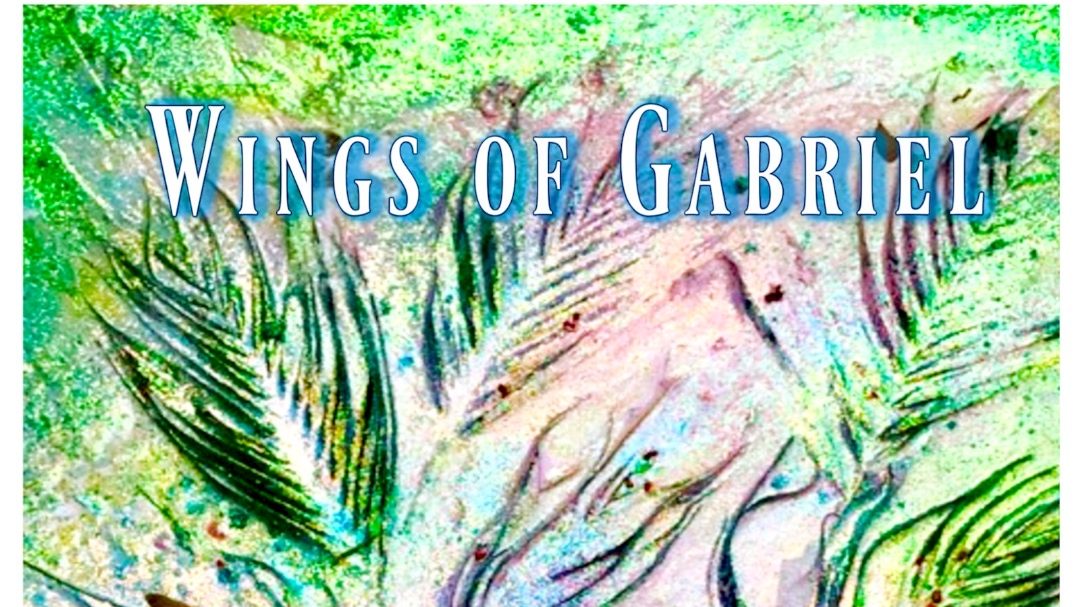
Visually, “Wings of Gabriel” complements its music through a cover featuring one of Jamali’s own paintings. The artwork mirrors the angelic light and spiritual energy that inspired the compositions, providing a multidimensional experience that unites sight and sound. This integration of visual and musical art reinforces the album’s spiritual intent, guiding the audience into a contemplative space that transcends conventional perception. It reflects Jamali’s ongoing effort to bring angelic energy closer to humans through her artistic expression, offering both inspiration and serenity to those who engage with her work.
Wings of Gabriel is a Serene Spiritual Journey Shaped Through Tenderness, Refuge, And Transcendence, Offering Healing Intimacy, Luminous Calm, And An Ascendant Sense Of Divine Light That Gently Lifts The Listener Upward
“Wings of Gabriel” represents a significant chapter in Karen Salicath Jamali’s creative evolution, merging her lifetime of artistic experience with dream-inspired, angelic music. The three distinct wings create a journey from tender intimacy to divine compassion and finally to the mystical and ineffable. The album balances meditative calm with expansive spiritual presence, providing a rare and transformative listening experience. Each track embodies healing, reflection, and the ethereal qualities of Archangel Gabriel’s energy. “Wings of Gabriel” is more than a collection of piano pieces; it is a bridge between the human and the divine, offering peace, compassion, and inspiration to every listener who opens themselves to its angelic frequencies.
For more information about Karen Salicath Jamali, click on the icons below.