
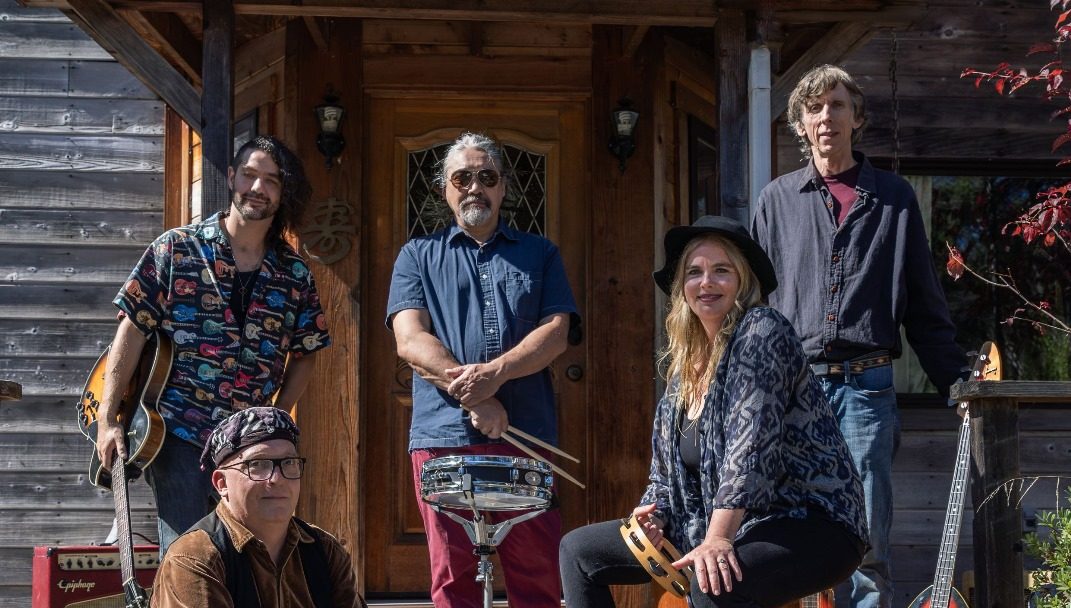
Latchkey is a five-piece band whose identity is shaped by convergence, of places, histories, and musical languages that, when fused together, create a sound both rooted and exploratory. Based in Mendocino, United States, the band draws deeply from the spirit of Northern California while carrying with it echoes of distant scenes, earlier movements, and personal journeys that stretch across decades and coasts. At the heart of Latchkey’s music is a shared commitment to authenticity: songs that feel lived-in, performances that prioritize emotional truth, and arrangements that value collective expression over individual flash. The band’s creative direction is led by Nicholas Petti, principal songwriter, guitarist, and vocalist, whose formative years were spent coming of age on the streets of New York City and the legendary stages of CBGB and Max’s Kansas City. Those environments, steeped in punk urgency, raw storytelling, and artistic risk, left a permanent imprint on Petti’s approach to music. His later experiences playing with artists such as Ryan Adams expanded his melodic sensibility and deepened his relationship with Americana, country, and soul traditions. Within Latchkey, Petti brings twang-inflected guitar work, pedal steel textures, and narrative-driven songwriting that form the structural backbone of the band’s sound.
Complementing that foundation is Jen Martell, the youngest member of a deeply musical family and one of Latchkey’s most defining voices. Comfortable moving between campfire drum circles and West African dance traditions, Martell embodies a broad and instinctive musicality. As a percussionist, singer, and songwriter, her rhythmic intuition and smoky alto voice are central to the band’s sonic identity. She brings a sense of earthiness and emotional depth that grounds Latchkey’s music, giving it both warmth and a ritual-like pulse. John Taylor, a St. Petersburg native, adds a distinctive layer of character and texture. Known within the band as its “special sauce,” Taylor’s wry guitar artistry and impassioned vocals bring nuance, color, and emotional detail to Latchkey’s songs. His playing often feels conversational rather than decorative, responding to the emotional contours of each track and enriching the band’s harmonic interplay. His presence deepens the storytelling aspect of Latchkey’s music, adding subtle tension and release to its arrangements.
The rhythmic evolution of the band is anchored by Sam Arnitok, whose arrival marked a significant step forward in Latchkey’s development. A Sacramento native, Arnitok began his musical life in the punk scene before morphing into bluegrass, resulting in a well-rounded and musical approach to percussion. His drumming on Latchkey’s recordings is steady yet expressive, favoring feel and dynamics over rigidity. This balance allows the songs to breathe while maintaining momentum, reinforcing the band’s organic, ensemble-driven sound. Rounding out the lineup is Peter Temple, a Colorado transplant whose role extends beyond bassist to sonic architect. Providing the low-end foundation for Latchkey, Temple has also been a fixture in local music scenes since the early 1990s. As the owner and operator of Temple Studio, a full-service recording and live sound studio, he brings technical expertise and a deep understanding of sound to the band’s work. His bass playing is supportive and melodic, ensuring that Latchkey’s music feels cohesive, grounded, and resonant.
Together, these five musicians form a band whose sound has been described as “a country Velvet Underground’s third album”, a fitting encapsulation of their ability to blend countrified soul, ’70s AM radio melodies, and four-part vocal harmonies, all filtered through a punk rock sensibility. Latchkey’s music evokes the communal spirit of Northern California festival culture while remaining fiercely individual, shaped by the varied paths that brought its members together. Released on October 9, 2025, “Where We Come From” is a defining statement in Latchkey’s ongoing evolution. The album represents a significant leap forward for the Mendocino-based five-piece, capturing a moment when experience, chemistry, and intention align with striking clarity. Guided by Nicholas Petti’s songwriting and strengthened by the addition of drummer Sam Arnitok, the band moves toward a fuller, soul-influenced rock sound, one that feels expansive without losing its raw, human core.
Evocative of the Northern California coast and steeped in the region’s rich musical tradition, “Where We Come From” carries the weight of history while remaining vibrantly present. Its sound has drawn comparisons,bmost notably from The Big Takeover’s Jack Rabid, to The Band at Winterland / The Last Waltz, a reflection of its ensemble warmth, harmonic depth, and reverence for musical lineage. Yet the album is far from nostalgic imitation; instead, it refracts these influences through Latchkey’s distinct lens, blending roots music, soul, and punk attitude into something both familiar and freshly invigorating. “Where We Come From” is not just an album title, it is a thesis. Across its songs, Latchkey examines origin stories, emotional inheritance, and the quiet forces that shape identity over time. Recorded with an emphasis on organic performance and collective energy, the album feels alive, communal, and deeply personal. It stands as both a reflection on the past and a confident declaration of where the band is headed, marking Where We Come From as a cornerstone release in Latchkey’s growing catalog and a powerful entry point into their world.
Where We Come From Album Track List:
Waiting In The Wings:
“Waiting In The Wings” opens with a deceptively simple arrangement that slowly unfolds into a richly layered musical landscape, setting the emotional tone for the entire track. From the very first notes, the song establishes itself as a contemplative reflection on anticipation and unresolved longing. A warm acoustic guitar gently strums alongside a delicate bass foundation, creating a bed of sound that feels both intimate and expansive. The rhythm section stays poised and measured, allowing the harmonies to breathe while introducing subtle nuances, a wistful slide here, a punctuated snare roll there, that maintain the listener’s intrigue. As the track progresses, the interplay between percussion and melodic elements deepens, exhibiting Latchkey’s careful attention to dynamic build‑up. The production is organic, eschewing overprocessing in favor of a faithful capture of the band’s live energy, which results in a deeply human vocal timbre and a textured instrumental interplay that feels resonant and authentic rather than polished to sterility.
Lyrically, “Waiting In The Wings” offers a compelling narrative that blends vulnerability with quiet determination. The lyrics speak of proximity without possession, of hopes suspended in time, using theatrical imagery that metaphorically positions the narrator as both observer and participant awaiting their moment on life’s stage. Lines like “I’ve been waiting in the wings for all my life” deliver a palpable sense of yearning and inner conflict, while subtle shifts in phrasing reflect layers of self‑awareness and personal reckoning. The vocal performances are a standout: the lead carries a mellow, earnest quality that draws the listener in, while the backing harmonies amplify the emotional depth without overshadowing the primary melody. This vocal arrangement not only showcases the band’s harmonic sophistication but also reinforces the central theme of collective patience and shared sentiment, a chorus of voices waiting together in anticipation.
The song’s emotional arc is one of gradual elaboration rather than dramatic turns, which is where its strength truly lies. Instrumental solos, particularly the expressive guitar licks, are woven into the fabric of the track with understated precision, accenting shifts in mood without distracting from the core lyrical message. The bridge serves as an emotional crescendo, with instrumentation swelling to underscore a moment of introspective clarity before settling back into the contemplative verses. The production choices, warm reverb, intimate mic placement, and a carefully balanced mix, augment the song’s sense of closeness, as though the listener is perched on the edge of the stage, privy to the singer’s most candid thoughts. “Waiting In The Wings” stands as a testament to Latchkey’s ability to craft music that is both sonically engaging and thematically profound, merging rootsy musicality with poetic storytelling in a way that lingers long after the final note fades.
Jesus Won’t:
Latchkey opens “Jesus Won’t” with an evocative blend of acoustic warmth and plaintive melodic motion that instantly situates the listener in a space of introspection and emotional tension. The song’s introduction, delicate fingerpicked guitar patterns paired with a restrained, breathing bass line, establishes a sense of intimate vulnerability before the rhythm subtly ushers the track forward. From the first bar, there’s a tactile quality to the instrumentation: each string resonance, each breath between notes, feels intentionally present, as though the band invited the listener into their rehearsal room rather than a polished studio session. The percussion enters with gentle brushwork, complementing the acoustic textures without overwhelming them, and lays the groundwork for a rhythmic pulse that feels more like a heartbeat than a metronomic cue. As the verse unfolds, the sonic space remains open, allowing every harmonic detail, from the sparse piano accents that echo around the mix to the muted twang of the guitar, to contribute to a tapestry of sound that is both grounded and lyrically anticipatory.
Lyrically, “Jesus Won’t” is rich with metaphor and emotional complexity, weaving themes of redemption, skepticism, and personal reckoning with a deft poetic touch. The chorus resonates with lines that juxtapose spiritual longing against earthly disillusionment, encapsulating a conflicted narrative voice that is at once yearning and questioning. Rather than offering theological certainty, the lyrics probe the limits of faith and expectation, evoking a narrator who wrestles with promises unfulfilled and internal landscapes marked by doubt. The vocal delivery carries this tension beautifully: the lead voice is earnest and slightly weathered, conveying vulnerability without relinquishing strength, while the layered harmonies gently lift the emotional weight at key moments, particularly in the refrain, where voices swell in sympathetic response yet never fully resolve, mirroring the song’s thematic push‑and‑pull. This subtle use of harmony reinforces the internal dialogue running through the lyrics, as though multiple facets of the self are trying to reconcile conflicting truths.
Musically, “Jesus Won’t” evolves with thoughtful restraint and structural coherence, using its arrangement to mirror the song’s lyrical journey. Midway through, an instrumental bridge introduces a subtly hushed electric guitar line that spirals around the vocal melody, adding texture and emotional depth without detracting from the song’s contemplative core. This interlude functions as a reflective pause, a moment of sonic exhalation before the final verse and chorus bring the narrative back into focus. The production is warm and analog‑leaning, with a mix that favors natural resonance and spatial clarity; there’s a tangible sense of air around each instrument, which enhances the song’s lyrical intimacy. The closing moments of the track echo the opening’s quietude but with greater emotional layering, harmonies linger, the guitar’s last phrases decay slowly, and the bass remains a steady companion to the fading vocals, leaving the listener in a reflective space that invites return listens. “Jesus Won’t” stands out on Where We Come From as a piece that balances vulnerability with sonic sophistication, offering a deeply felt meditation that resonates long after its final notes.
Devilette:
“Devilette” immediately grabs the listener’s attention with its punchy rhythmic entrance and bold tonal color, diverging from the more contemplative opener tracks on “Where We Come From” while still maintaining a coherent emotional palette. The song launches with a driving guitar motif layered over a stomping, almost shamanistic drum pattern that feels both grounded and hypnotic. From this opening, Latchkey deftly constructs a sonic architecture that balances gritty indifference with melodic accessibility. The bass cuts through with a taut, rhythmic insistence that pushes the track forward, while the interplay between the lead guitar’s edgier flourishes and the rhythm section’s muscular backbone adds an undercurrent of controlled chaos. The arrangement never feels crowded; instead, each instrumental voice has room to breathe and contribute, creating a textured soundscape that is at once raw and deliberately nuanced. Production choices, slightly saturated tones, ambient room presence, and organic dynamic shifts, ensure that the track retains an analog warmth even in its most raucous passages.
Lyrically, “Devilette” is rich with evocative imagery and a sense of playful menace, cleverly weaving dark metaphors with human vulnerability. The song’s title conjures a mythic femme fatale character, a “little devil”, around whom the narrative spins a tale of fascination and peril. Lines depicting pentagrams, whispered secrets, and nocturnal encounters read less like literal statements and more like surrealist brushstrokes, inviting interpretation rather than prescribing meaning. The vocal delivery is a defining force here: the lead voice alternates between sardonic swagger and earnest confession, colored with just enough grit to suggest emotional stakes beneath the bravado. Backing harmonies, when introduced, function like shadowed echoes of the main melody, reinforcing the song’s liminal mood without overwhelming the narrative thrust. The juxtaposition of lyrical wickedness and melodic charm creates a compelling tension that rewards repeated listening; the devilish imagery never feels gratuitous, but rather serves as a metaphorical vessel for deeper themes of desire, danger, and internal conflict.
Musically, “Devilette” unfolds with deliberate pacing and structural ingenuity, allowing its thematic complexity to resonate through arrangement and performance alike. Mid‑song instrumental passages feature sharp guitar interjections and rhythmic shifts that feel both spontaneous and tightly composed, as though the song is constantly tip‑toeing between order and anarchy. These moments of musical friction amplify the emotional stakes of the narrative, reinforcing the sense that the protagonist is navigating an unpredictable inner terrain. The bridge transitions with a subtle drop in texture before re‑entering with renewed energy, heightening the contrast between introspective intros and extroverted refrains. Throughout, the production maintains clarity, each snare hit, guitar bend, and harmony blend remains distinct yet cohesive, preserving the integrity of the band’s collective performance. The closing measures bring a satisfying convergence of instrumentation and theme: the music resolves just enough to offer closure while preserving the intriguing ambiguity that defines the song’s core. “Devilette” stands out as a standout on “Where We Come From”, a track that marries lyrical boldness with musical depth, crafting a narrative both enigmatic and emotionally immediate.
Winter Crow:
“Winter Crow” begins with a hauntingly beautiful instrumental introduction that immediately sets a stark, wintry scene, much like its title suggests. A fragile acoustic guitar fingerpicking pattern unfolds with delicate precision, supported by a warm yet somber bass that feels like the earth settling under a cold sky. Percussion enters slowly, soft brushes on the snare and low toms, adding a heartbeat‑like rhythm that gives the song a reflective momentum without ever overwhelming the sparse arrangement. Melodic accents from a subdued electric guitar and occasional piano motifs shimmer in the background, creating textures that feel like frost forming on glass. The production here is intimate and unvarnished: you can hear the natural resonance of each instrument, as though Latchkey recorded in a room filled with space and breath. This sonic clarity mirrors the lyrical landscape before a word is even sung, there’s room for thought, for solitude, and for emotional resonance. The opening moments draw the listener into a contemplative world where every note feels intentional and every silence meaningful.
Lyrically, “Winter Crow” navigates themes of isolation, endurance, and quiet revelation, carrying emotional weight with poetic subtlety. The winter crow itself becomes a central metaphor: perched on barren branches, observing without participating, embodying resilience in a season of hardship. Lines like those depicting the crow’s flight against gray skies evoke a sense of searching, both externally and internally, as the narrator seems to grapple with loss, memory, and the yearning for warmer days. The vocal performance is restrained yet rich with feeling; the lead voice is gently weathered, delivering each line with a sense of lived experience that lingers in the listener’s mind. Harmonies are woven judiciously into key moments, amplifying emotional impact without sacrificing the song’s introspective core. Where other tracks on the album use layered vocals as a kind of collective emotional lift, here they feel like distant calls across a frozen field, beautiful, somber, and slightly out of reach. This creates a dialogue between presence and absence, reinforcing the song’s meditation on solitude and resilience.
Musically, the structure of “Winter Crow” amplifies its reflective narrative, moving with a thoughtful pacing that feels almost cyclical, like breathing in a cold dawn. After the second chorus, an instrumental interlude gently swells: the piano lines become slightly more pronounced, and the electric guitar interjects with tender melodic flourishes that sound like tentative steps toward hope. The bridge serves as a moment of stillness before returning to the familiar verse progression, giving the listener space to consider the emotional trajectory of the piece. Throughout, the arrangement remains uncluttered, a testament to Latchkey’s confidence in letting space and subtlety carry emotional weight. Production choices, such as warm low end and clear midrange, ensure that even in its quietest moments, the song feels full and resonant. As “Winter Crow” comes to a close, the instrumentation gently fades, leaving the final vocal lines to hover in the air like exhaled breath in cold air,bfragile yet lingering. In its balance of poetic lyricism, evocative instrumentation, and thoughtful arrangement, Winter Crow stands as one of the most introspective and poignantly crafted tracks on “Where We Come From”, inviting deep listening and emotional reflection.
Where We Come From is a soulful, roots-driven reflection on identity and belonging, blending harmony, grit, and shared history into timeless collective storytelling.
In its entirety, “Where We Come From” stands as a deeply cohesive, emotionally grounded, and confidently realized album that captures Latchkey at a moment of artistic clarity and collective strength. The record succeeds not through spectacle, but through sincerity, by allowing lived experience, shared history, and musical intuition to guide every arrangement, harmony, and lyric. Each song feels purposefully placed, contributing to a broader narrative about origin, identity, patience, doubt, desire, and resilience, all rendered with warmth and restraint rather than excess. The band’s ability to blend countrified soul, ’70s AM radio melodies, four-part harmonies, and punk-rooted instinct results in a sound that is both timeless and distinctly their own, evoking the communal spirit of Northern California while remaining emotionally universal. “Where We Come From” invites the listener not just to hear the music, but to inhabit it, to sit with its questions, recognize fragments of their own story within its themes, and return to its songs for comfort, reflection, and quiet affirmation. As a listening experience, it rewards patience and close attention, revealing new emotional textures with each revisit. This album is strongly recommended for listeners who value honest songwriting, organic musicianship, and records that unfold like conversations rather than declarations. Ultimately, “Where We Come From” is not only a meaningful milestone in Latchkey’s evolution, but a record that honors the past while gently pointing forward, reaffirming the enduring power of music rooted in authenticity, community, and shared human experience.
For more information about Latchkey, click on the icons below.