
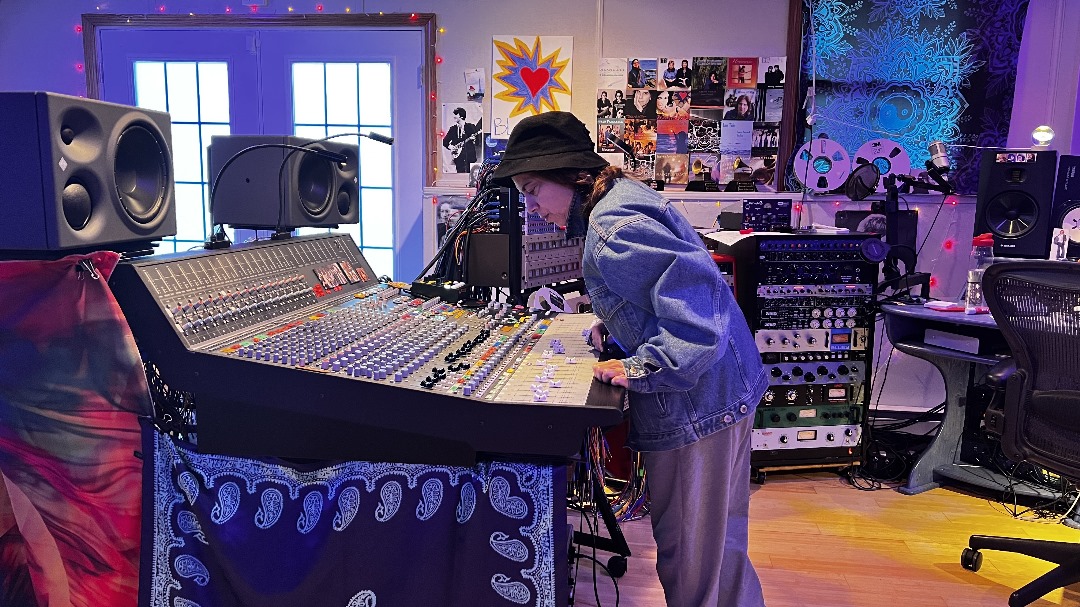
Lauren Passarelli – Credit: photo by L Pass
Lauren Passarelli is not just a musician, she is a sonic artisan whose entire life has been steeped in the alchemy of sound. Based in Boston, Massachusetts, Passarelli has spent decades crafting a multifaceted legacy as a multi-instrumentalist, singer-songwriter, producer, arranger, recording engineer, author, and music professor. Her artistic vision is rooted in deep respect for both the past and the process, blending analog warmth with poetic depth to produce what she lovingly calls sound paintings. A lifelong devotee of The Beatles, Passarelli’s musical DNA is heavily informed by the classic stylings of James Taylor, Harry Nilsson, Carole King, Carly Simon, Fleetwood Mac, Stevie Wonder, Pat Metheny, Tom Petty, and George Harrison, to name a few.
These influences flow naturally through her compositions, chord structures, production aesthetics, and melodic phrasing, never mimicked, but distilled into something unmistakably her own. As a professor of guitar at Berklee College of Music since 1984, she has not only shaped her own musical path but has guided tens of thousands of students in discovering theirs. Her career includes sixteen years touring with Beatles tribute bands and performing both online and in-person concerts of original work. She is a creator who builds not just songs but worlds, bringing the same level of intentionality and soul to every note, every line, every mix. What makes Lauren Passarelli truly unique is her complete authorship of her projects. She writes, arranges, performs, produces, records, and mixes her own music, making her not just the voice behind the work, but its heartbeat. Whether behind a guitar, a piano, a mixing board, or a classroom podium, Lauren Passarelli is, in every sense, a master of her musical universe.
Released on August 1, 2025, Big Blue Machine is Lauren Passarelli’s most personal and intricately crafted album to date, a warm, analog-hued journey that captures the essence of living, loving, grieving, creating, and simply being. Every note, every texture, every story is brought to life through Lauren’s complete creative control, as she single-handedly wrote, performed, arranged, produced, recorded, and mixed the entire record at home, an environment that breathes through the album like a hidden character. More than just a collection of songs, Big Blue Machine is a soundtrack of emotional truth, gently stitched together by decades of experience, friendships, and introspection.

With contributions from close collaborators like lyricists Stefanie Badach-Mis and Kate Chadbourne, and musicians Jay Bradley (drums) and Mike Bishop (bass), the album flows like a communal conversation, deep, tender, and true. Thematically, the album explores memory, loss, creativity, love, and human connection. Sonically, it draws from the timeless palettes of classic rock and folk-pop, while embracing modern studio sensibilities through a hybrid analog-digital mixing process, Lauren’s first of its kind. Tracks like Big Blue Machine, Write My Song, and Million Ways showcase not only her technical brilliance but her deep emotional intelligence as a songwriter and arranger. In a world overwhelmed by noise, Big Blue Machine is a rare thing: a quiet, powerful vehicle of sound that invites the listener to slow down, tune in, and travel inward.
Big Blue Machine Album Track List:
Million Ways:
Million Ways by Lauren Passarelli eases into your ears like the gentle opening of a faded curtain to reveal a sunlit, analog world, its instrumentation feeling both classic and lovingly handcrafted. The song kicks off with a soft but distinct electric guitar riff, warm and rounded at the edges, using just the right amount of vintage tube saturation that gives it a ‘70s character reminiscent of George Harrison’s solo tones. It doesn’t aim to pierce or dominate; instead, it hugs the song, offering a melodic throughline that shimmers without becoming overwhelming. Beneath it lies a clean, buttery bassline; supportive and smooth, following the root notes in a way that gives the entire arrangement a gentle sway. The drum kit is recorded dry and close, with soft snare hits and brushed cymbals that suggest an intimate room mic placement.
There’s no bravado in the rhythm section, just a tight, almost whisper-like heartbeat that breathes through the track. Subtle piano chords occasionally echo underneath the mix, adding a plush, almost imperceptible layer of color, like watercolors bleeding into paper rather than bold strokes. The way these instruments are arranged feels like a conversation between old friends: relaxed, instinctual, and full of quiet chemistry. Passarelli’s guitar work is the most central voice in the song after her own vocals, and its tone has that unmistakable analog shimmer, slightly compressed, sweetly delayed, and drenched in nostalgia without being over-processed. Every strum is measured, deliberate, and emotionally resonant. Occasionally, you hear light string slides and finger noise that give the song a tangible closeness, like you’re in the room with her.
Her vocals sit confidently in the mix, slightly forward and enhanced by a soft plate reverb that gives them a subtle dreamlike echo, enough to suggest space, not distance. The backing and background vocals created magic, perfectly complimenting her lead vocal. The song doesn’t follow a traditional loud-quiet-loud structure; instead, it rides a consistent mellow wave, focusing more on atmosphere than tension. There are also brief instrumental interludes between verses where the guitar steps forward and sparkles like wind chimes, bright but never sharp. What really sets Million Ways apart is the organic cohesion of all its elements: no instrument is fighting for space, and every piece feels necessary. It’s not about grandiosity, it’s about taste. In a world overrun with maximalist production, this track finds its power in tone, balance, and a deeply personal sense of musical storytelling. It’s a masterclass in how subtle instrumentation can carry just as much emotional weight as any soaring chorus or orchestral flourish.
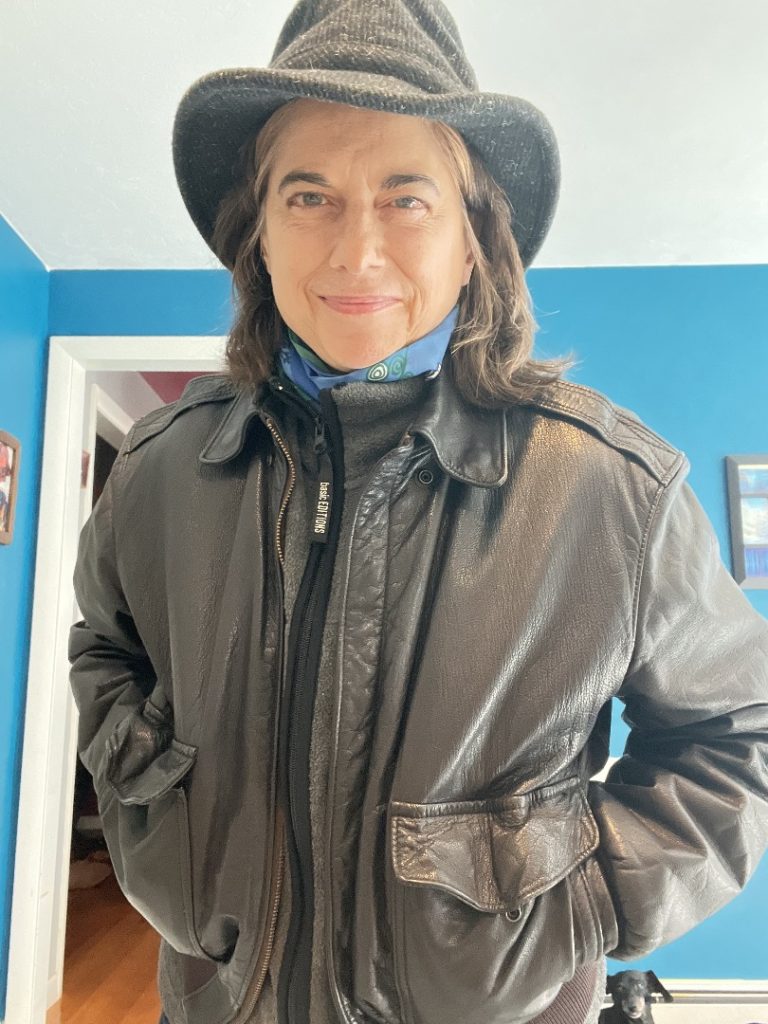
Big Blue Machine:
Big Blue Machine, the title track of Lauren Passarelli’s album, is a groovy, swirling journey into psychedelic folk-rock, anchored in warm analog tones and glistening with personality. The song moves with a sense of deliberate motion, like a slow ride through memory and imagination. It opens with an echoing electric guitar that instantly transports the listener into a cinematic landscape; the tone is jangly yet smooth, with a touch of modulation that lends it a hypnotic shimmer. There’s a layered use of subtle flangers and phasers carried with Passarelli’s unmistakably gentle touch. The percussion is fluid and quietly assertive, with taps and cymbal washes that feel almost aquatic, giving the impression of wheels turning across a sun-soaked highway.
Beneath that, a subtle bass groove rumbles like an engine, steady and grounding, supporting the track’s airy textures without ever pushing too hard. Each instrument appears like a carefully placed color in a landscape painting, spaced out, deliberate, and rich with nuance. Vocally, Passarelli delivers with a dreamy, slightly detached tone that enhances the song’s mystique, her voice weaving between the instruments rather than towering above them, as though it’s part of the machine itself. Passarelli paints around the edges with vivid sonic brushstrokes.
Her production choices here are particularly masterful: tremolo guitar parts pan gently across the stereo field; reverb-drenched backing vocals whisper in from the periphery; and light synth pads or Mellotron-like textures occasionally bloom in the mix like headlights emerging through fog. There’s a satisfying build to the track, not in volume but in density, more elements slowly slide into place, giving the impression of acceleration without speed. By the time the bridge hits, you feel fully immersed in this radiant, analog dreamscape. Big Blue Machine is an atmosphere, a moving vehicle of sound that carries the listener into a headspace that is at once grounded in real emotion and liberated by sonic experimentation. It stands proudly at the heart of the album’s concept: embracing personal identity, mechanical rhythm, freedom of movement, and the joy of crafting music that feels like a living, breathing organism.

Find A Way:
Find A Way begins with a soft, solemn piano progression that sets a deeply contemplative tone, its notes lingering in the air like unspoken thoughts. The chords are played slowly and with intention, resonating with a quiet emotional clarity that signals the track’s introspective nature. As the piano continues its reflective arc, a smooth, rounded bassline steps in, laying down a foundation that feels both weighty and comforting, never forceful, but steady in its emotional purpose. The guitar joins gently, fingerpicked and silky, its tone lightly compressed with an almost glowing warmth. It doesn’t strive for attention but instead slips into the sonic tapestry like a gentle breath between words. Then come the percussive elements, subtle, soft-brushed snare hits and faint cymbal washes that shimmer around the edges of the mix.
The brushes give the rhythm a hushed, heartbeat-like pulse, while the cymbals breathe in and out like waves, adding movement without breaking the song’s stillness. Together, these elements form a slow-moving musical ecosystem where nothing is overplayed, yet every note, tone, and rhythm is essential. It’s minimalism at its most emotive, crafted not just to accompany the lyrics, but to echo the quiet turbulence of grief, healing, and emotional support. Lauren Passarelli’s vocal performance matches the arrangement in its delicacy and restraint, delivered with a soft, almost whisper-like intimacy that seems to exist in the space between words and melody. Her voice hovers just above the instruments, cradled by the warmth of the piano and bass, and supported by the gentle tug of the snare brushes beneath. She doesn’t try to overpower the song; she surrenders to it, letting the story of quiet resilience unfold in calm, measured tones.
Lyrically, the message is not about resolution, but about presence, how the act of staying, listening, and gently holding space for someone is sometimes the truest form of love. Light harmonies bloom briefly in the background like distant echoes of comfort, never stealing the focus but subtly enriching the emotional texture. As the track evolves, the interplay of instruments becomes slightly fuller, with the cymbals growing a touch more expressive, and the bassline pulsing a little deeper, marking emotional shifts without ever altering the tempo or tone. By the final note, the listener is left with a profound sense of quiet understanding. Find A Way is not a cry, it’s a hand held out in silence, a sonic embodiment of compassion that doesn’t aim to heal with force, but with presence. In its graceful orchestration, tender dynamics, and emotional precision, it stands as one of Passarelli’s most masterfully restrained yet deeply affecting works.
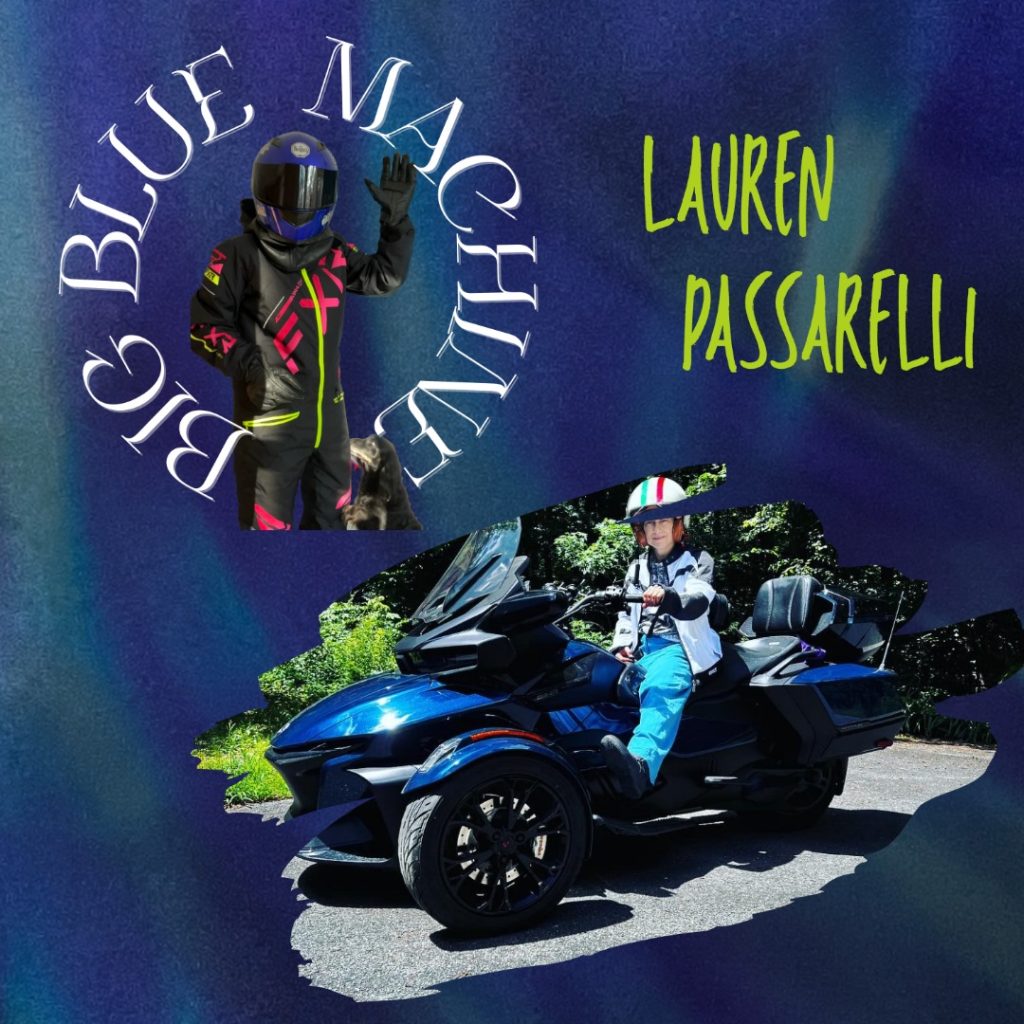
I Miss You:
I Miss You is one of the most emotionally resonant and sonically tender moments on Big Blue Machine, draped in sepia-toned nostalgia and structured with a classic 1950s ballad sensibility. The song immediately evokes that vintage heartache ballad feel, opening with a softly glowing guitar riff that feels like it was recorded on ribbon tape, slightly rounded at the edges, warm with a gentle tremolo pulse, and soaked in analog sentiment. The guitar’s timbre is unmistakably retro, bringing a level of melodic delicacy that personalizes it fully. A slow, padded drum groove joins in shortly after, played with soft sticks or brushes, its snare relaxed and slightly tucked into the mix, with subtle rim-clicks that add a rhythmic heartbeat without disrupting the song’s emotional stillness. The bass line is smooth and supportive, moving melodically beneath the chord changes with the grace of a well-rehearsed whisper.
Sparse, velvet-like piano chords occasionally surface like emotional undercurrents, offering harmonic richness while never competing for space. What’s most impressive is how Lauren Passarelli maintains such emotional intimacy while layering just enough sonic detail to make the production glow, this is a song that sounds close, like it was performed in a dimly lit room for you and you alone. Vocally, Passarelli delivers I Miss You with understated vulnerability, choosing subtle inflections and phrasing over overt drama, which makes the longing in her voice all the more poignant. There’s a gentle quiver in her delivery that suggests not just sadness, but quiet reflection, her tone is as soft as a letter never sent, and her choice to leave space between lines allows the lyrics to land with greater weight.
The harmonies, delicate and well-spread across the stereo field, emerge at key emotional moments, adding depth without ever feeling layered or forced. One of the track’s highlights is the short instrumental bridge, where a guitar solo unfurls with remarkable restraint: it doesn’t try to impress with speed or volume, but instead sings a melodic line filled with longing, echoing the song’s emotional arc in pure instrumental form. Subtle vibrato and slide techniques lend the solo a weeping quality, making it feel like a continuation of the narrative rather than a break from it. Reverb is used sparingly but beautifully throughout, especially on the vocals and solo, creating a ghostly echo that underscores the theme of absence. By the end of the track, the feeling isn’t just that someone is missing; it’s that their presence still lingers in the textures of the music itself. I Miss You is a masterclass in subtle, emotionally mature songwriting, proof that when crafted with intention, a quiet song can carry the weight of an entire heart.
Big Blue Machine is a tender, analog-crafted journey through emotion, memory, and artistry, where every note breathes heartfelt authenticity and warmth.
Big Blue Machine is a masterfully conceived and soulfully executed album that stands as a testament to Lauren Passarelli’s artistic brilliance, technical prowess, and emotional depth. Every track on this record is a carefully layered expression of memory, loss, love, creativity, and human connection, all rendered with an analog warmth and lyrical intimacy that is increasingly rare in today’s hyper-produced musical landscape. Passarelli invites listeners into a deeply personal world shaped by decades of experience, profound influences, and unwavering authenticity. The album is not just musically satisfying, it is emotionally nourishing, with each song serving as a quiet companion through life’s moments of reflection, grief, joy, and renewal. Its hybrid mixing approach, homegrown production, and heartfelt collaborations further enrich its texture, making it both technically impressive and profoundly human. Highly recommended for fans of singer-songwriters like George Harrison, James Taylor, Carole King, and Pat Metheny, and for any listener in search of music that is not only beautiful to hear but also healing to feel, Big Blue Machine is an essential listen, a sonic journal written with grace, passion, and timeless honesty.
For more information about Lauren Passarelli, click on the icons below.