
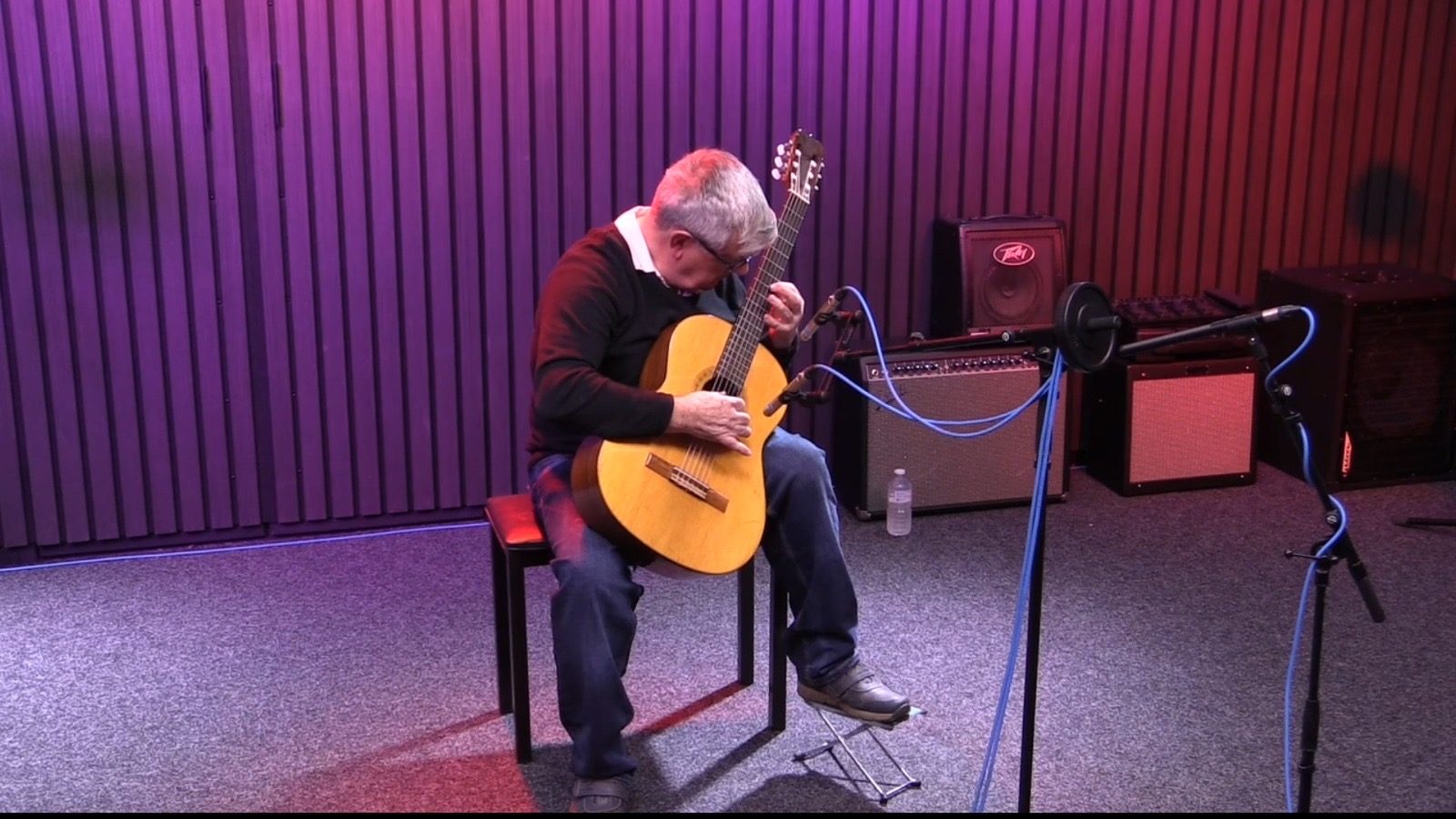
Martin Lloyd Howard is an English guitarist based in Reigate, England, whose musical foundation is rooted in classical training while extending confidently into folk, blues, and rock traditions. His primary instrument is a fifty year old hand built classical guitar, an instrument that has become central to his sonic identity due to its warm and crystalline tonal character. Beyond classical guitar, he is equally fluent on electric guitar, steel strung acoustic, and slide guitar, demonstrating broad technical adaptability. Howard specialises in original instrumental music, often focusing on solo performances as well as ensemble work that highlights both acoustic and electric textures. His creative output emphasizes melody, atmosphere, and expressive restraint rather than virtuosic display. Alongside his solo work, he has collaborated with other artists, most notably Mark Johnson of the Kent based band The Midnight River Crew. His full catalogue is available across SoundCloud, YouTube, and Spotify, positioning him as a dedicated contributor to contemporary instrumental guitar music.
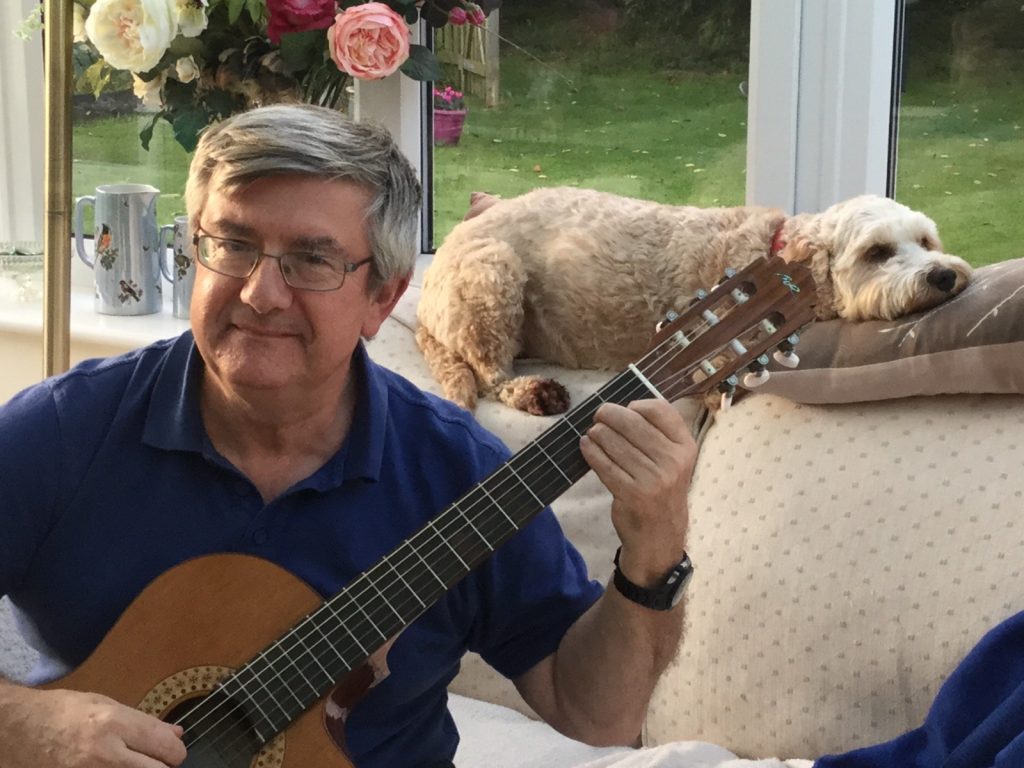
“Selene” by Martin Lloyd Howard is a solo classical guitar composition released on 31st December 2025 that immediately establishes a contemplative and intimate atmosphere. The piece unfolds slowly, inviting the listener into a nocturnal sound world shaped by restraint and emotional clarity. From the opening notes, the music conveys a sense of quiet reverence that feels deeply personal and reflective. There are no additional instruments or studio embellishments, allowing the guitar alone to carry the full expressive weight. This singular focus enhances the feeling of solitude that defines the composition. The absence of vocals directs attention entirely toward tone, phrasing, and harmonic colour. Each note feels carefully placed, as though shaped by patience rather than urgency. The music encourages stillness rather than motion. Its pacing suggests observation rather than narrative progression. The listener is drawn inward rather than outward. This approach frames the piece as an immersive experience rather than a display of technique. “Selene” begins its journey by establishing mood as its central purpose.
Harmonically, the composition is set in G minor, a key that subtly reinforces introspection and emotional depth. The harmonic language avoids dramatic shifts, instead favouring gentle transitions that unfold naturally over time. Chords are allowed to resonate fully, giving decay and sustain an expressive role. Rather than creating tension that demands resolution, the harmony feels suspended and reflective. This sense of harmonic stillness mirrors the imagery of moonlight lingering across a quiet landscape. The use of open strings contributes to a sense of spaciousness within the tonal framework. Harmonic movement feels circular, enhancing the meditative quality of the piece. There is no sense of urgency or directional push. Instead, harmony exists to colour the moment. The listener experiences harmony as atmosphere rather than structure. This approach reinforces the emotional cohesion of the work. The harmonic palette remains consistent yet deeply expressive throughout.
Melodically, “Selene” relies on simplicity and lyrical phrasing to communicate emotion. The melodic lines unfold slowly, allowing each phrase to breathe fully. Notes are shaped with sensitivity, emphasizing touch and nuance over complexity. Silence plays an important role, giving space for reflection between ideas. Each melodic gesture feels intentional and unforced. The phrasing suggests a natural vocal quality despite the absence of words. Subtle repetition of motifs creates familiarity without predictability. These recurring shapes feel like gentle reminders rather than statements. The melody never overwhelms the listener. Instead, it guides attention softly and patiently. Emotional impact is achieved through sincerity rather than ornamentation. The melodic design ensures the piece remains intimate and accessible.
Rhythmically, the piece embraces a free flowing approach that avoids strict metric boundaries. Timing flexes naturally in response to phrasing and emotional contour. This rubato driven sense of time contributes to the organic feel of the performance. There is an underlying pulse, but it remains subtle and flexible. Rhythm serves expression rather than propulsion. The absence of percussive emphasis reinforces calm and stillness. Each phrase seems to exist within its own moment. Time feels suspended rather than measured. This rhythmic freedom enhances the meditative character of the music. The listener is encouraged to remain present rather than anticipate change. Movement within the piece feels fluid and human. Rhythm becomes a quiet partner to melody and harmony.
The timbral qualities of the guitar play a crucial role in shaping the emotional landscape of “Selene”. The warm nylon string tone produces a rounded and intimate sound. Subtle details such as finger contact and resonance are clearly audible. These elements add authenticity and closeness to the performance. The recording captures the natural decay of each note with clarity. There is no sense of artificial polish or excess processing. The sound feels immediate and personal. Dynamic variation is gentle yet expressive. Small changes in touch carry significant emotional meaning. The guitar functions as a voice rather than a technical device. Texture remains transparent throughout the piece. This clarity allows emotion to emerge through nuance rather than volume.
Structurally, the composition unfolds without obvious sectional divisions. Ideas emerge and recede naturally, contributing to a sense of continuity. The lack of formal contrast supports the meditative intention of the work. Instead of dramatic peaks, the piece relies on subtle internal shifts. These shifts are felt rather than announced. The structure encourages deep listening rather than analysis. Each moment feels connected to the next through mood and tone. There is no climax in the conventional sense. Emotional intensity remains steady and controlled. This consistency strengthens the immersive quality of the piece. The listener experiences the music as a single evolving thought. Structure serves atmosphere rather than formality.
Emotionally, “Selene” succeeds through its unity of concept and execution. Every musical decision supports the intention of evoking moonlit stillness. The piece avoids sentimentality by remaining restrained and honest. Its emotional language is quiet but deeply resonant. Listeners are invited to project their own feelings onto the music. This openness makes the experience personal and reflective. The absence of dramatic gestures enhances sincerity. The music feels contemplative rather than performative. Its emotional strength lies in understatement. Attention is rewarded through careful listening. The piece offers calm rather than spectacle. Emotional connection emerges through patience and subtlety.
Selene Is A Quiet Moonlit Solo Guitar Meditation Translating Classical Warmth, Restrained Harmony And Expressive Space Into An Intimate Nocturnal Soundscape Of Reflection, Patience And Emotional Clarity
As a whole, “Selene” stands as a refined example of contemporary solo classical guitar music. Released on 31st December 2025, it reflects a mature artistic vision grounded in clarity and intention. The composition prioritizes atmosphere, tone, and emotional coherence. It resists excess in favour of depth and focus. The guitar becomes a medium for quiet storytelling. Each element contributes to a unified nocturnal impression. The piece invites repeated listening through its subtle detail. Its impact grows through familiarity rather than immediacy. “Selene” rewards attention and stillness. It exists comfortably outside conventional expectations. The music feels timeless in its restraint. Ultimately, it transforms the imagery of moonlight into sound with grace and emotional honesty.
For more information about Martin Lloyd Howard, click on the icons below.