

Mike Quintor is an independent psychedelic hip-hop artist from San Ramon, California, United States, whose creative journey is defined by instinct, emotional honesty, and complete artistic self-reliance. Rather than emerging from traditional industry structures, Mike has built his musical identity inwardly, through introspection, experimentation, and an unwavering commitment to expressing his inner world exactly as he experiences it. His work is not driven by trends or expectations, but by feeling, intuition, and a desire to translate emotion into sound. From production to performance, Mike operates as a true one-man creative force. He produces his own beats, writes and arranges his lyrics, shapes the sonic direction of his projects, designs his artwork, and manages every aspect of his releases and promotion himself. This hands-on approach is not simply a necessity of independence, it is central to his philosophy as an artist. By controlling every creative decision, Mike ensures that his music remains cohesive, personal, and uncompromised. Every sound, texture, and visual detail exists because it aligns with his vision.
Mike’s musical influences are broad yet deeply intentional. Artists like Kid Cudi, Ye, and Travis Scott shaped his understanding of emotional depth, genre-bending creativity, and immersive atmospheres, while Tame Impala and Daft Punk helped inform his love for psychedelic textures, electronic grooves, and hypnotic sound design. However, these influences serve as a foundation rather than a blueprint. Mike filters them through his own experiences, imagination, and emotional state, resulting in a sound that feels familiar yet unmistakably his own. As an independent Mexican/Yemeni artist, Mike Quintor also brings a quiet sense of individuality to his work, carving out space for himself without forcing identity narratives or conforming to expectations. His music reflects a personal philosophy rooted in confronting hidden emotions, exploring inner contradictions, and turning isolation into expression. This mindset defines both his artistic output and his creative process, which is driven entirely by moments of inspiration rather than rigid structure.
One of the most defining aspects of Mike Quintor’s journey is his unconventional creative environment. Much of his music, especially his most recent work, was recorded not in professional studios, but inside his car. That space became his sanctuary: a place of isolation, late-night focus, and emotional clarity. This setting reinforced his belief that meaningful music does not require perfect conditions, only a genuine connection to the moment of creation. Through this approach, Mike continues to shape a body of work that feels raw, immersive, and deeply human. Released on December 5, 2025, “TRANCE” is the most complete and revealing expression of Mike Quintor’s artistic vision to date. More than just an album, “TRANCE” is an emotional state, a carefully constructed world that blurs the line between consciousness and detachment, reality and introspection. Entirely self-created from start to finish, the project stands as a reflection of Mike’s innermost thoughts, struggles, and philosophies, translated into sound with striking clarity and intention.

At its core, “TRANCE” explores the tension between outward appearance and inner reality. The action-figure character on the album’s cover symbolizes the polished, artificial version of Mike that the world sees, the composed exterior that performs, functions, and moves through life. Beneath that surface lies emotional exhaustion, numbness, and a feeling of being suspended in a coma-like state. This contrast forms the emotional backbone of the album, shaping both its sonic direction and its thematic depth. Sonically, “TRANCE” is genre-bending and immersive, blending psychedelic hip-hop, atmospheric rap, and electronic textures into a fluid, hypnotic experience. Each track offers a distinct mood and sonic identity, yet the album remains cohesive through its emotional continuity. Influences from Kid Cudi’s introspection, Ye’s creative fearlessness, Travis Scott’s atmospheric depth, and the psychedelic sensibilities of Tame Impala and Daft Punk are present, but never imitated. Instead, they are absorbed and reshaped through Mike’s own lens, resulting in a sound that feels deeply personal and unmistakably authentic.
The album’s creation was driven entirely by feeling. Songs were recorded the moment inspiration struck, often late at night, inside Mike Quintor’s car, capturing raw emotion before it could fade. Rather than chasing technical perfection, the focus remained on atmosphere, mood, and emotional truth. This instinct-led process gives “TRANCE” its dreamlike, living quality, making it feel less like a manufactured release and more like a direct transmission of the artist’s internal world. Ultimately, “TRANCE” is an album about self-confrontation, emotional duality, and creative freedom. It invites listeners into a space where vulnerability and experimentation coexist, offering an immersive experience for those seeking music that feels honest, introspective, and unafraid to exist outside traditional boundaries. Released on December 5, 2025, “TRANCE” stands as both a personal milestone for Mike Quintor and a powerful statement of artistic independence.
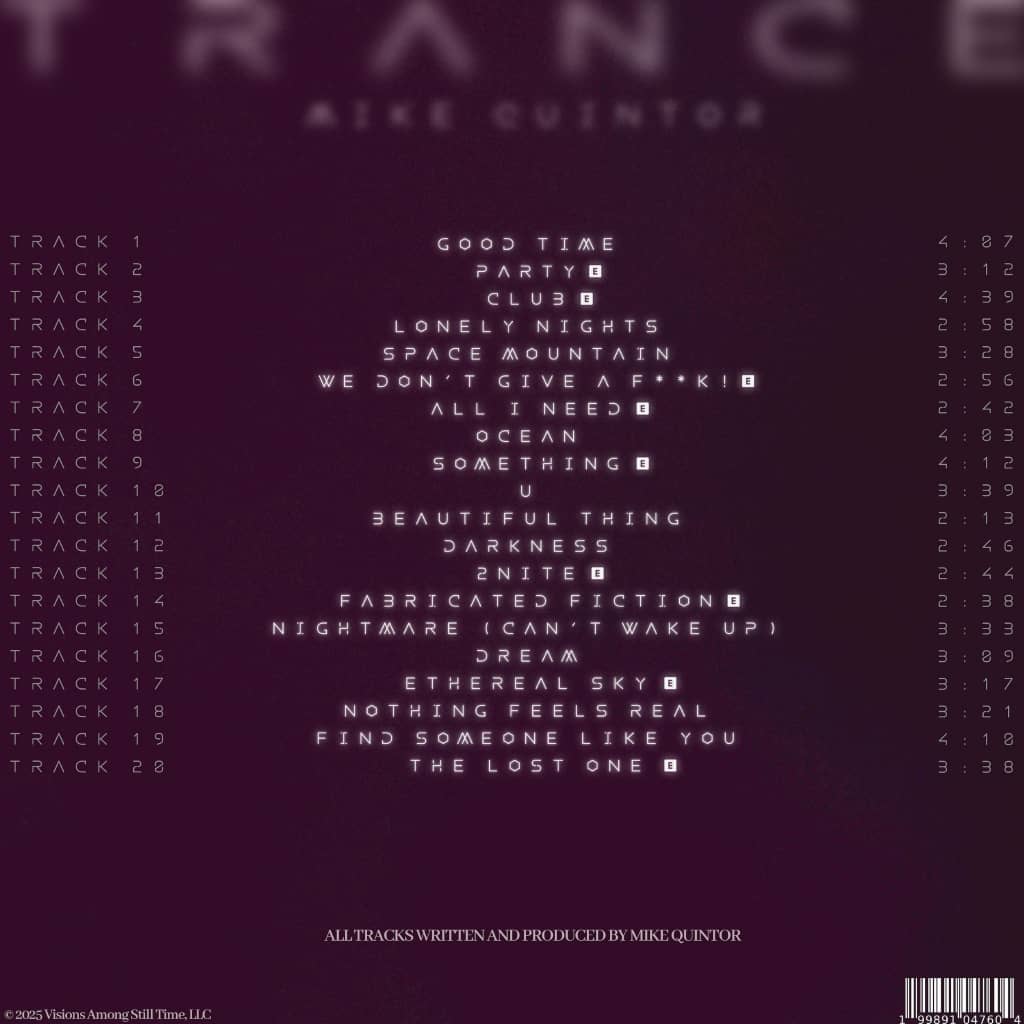
TRANCE Album Track List:
GOOD TIME:
“GOOD TIME” opens “TRANCE” with a sense of hazy anticipation, easing the listener into Mike Quintor’s world through a soft-focus blend of synth glow and rhythmic restraint. The track begins with a smooth, atmospheric bed that feels both nocturnal and intimate, as if it’s unfolding somewhere between late-night city lights and inward reflection. The instrumental introduction doesn’t rush; instead, it establishes mood first, allowing the layered textures to breathe. Subtle synth pulses shimmer in the background while the beat gradually takes shape, balancing a laid-back tempo with a quiet urgency. This careful pacing immediately signals the song’s intent, not to overwhelm, but to pull the listener gently into a trance-like headspace where emotion and groove coexist. The production is clean yet warm, with every sound placed deliberately, creating an immersive opening statement that feels inviting and emotionally open rather than flashy or aggressive.
As the vocals enter, “GOOD TIME” reveals its emotional core through Quintor’s delivery, which is smooth, controlled, and quietly expressive. His voice sits comfortably within the instrumental, never overpowering it, instead gliding across the beat with a calm confidence that enhances the song’s reflective tone. There’s a sense of understated vulnerability in the vocal phrasing, as if he’s narrating a moment of escape or emotional release rather than declaring it outright. The melody flows effortlessly, supported by gentle harmonies and subtle vocal layering that add depth without clutter. Lyrically, the song captures a desire for connection, relief, and momentary freedom, framed through the idea of having a “good time” not as reckless indulgence, but as a necessary pause from internal weight. The way the vocals interact with the rhythm, sometimes riding the beat closely, sometimes floating just above it, adds to the song’s hypnotic quality, reinforcing its introspective and emotionally fluid nature.
Toward the latter half of the track, the production evolves subtly rather than dramatically, maintaining its immersive atmosphere while introducing small shifts that keep the listener engaged. The synth lines become slightly more pronounced, the groove feels more settled, and the overall sound deepens, giving the impression of sinking further into the song’s emotional space. There’s a seamless cohesion between the instrumental and vocal elements, making “GOOD TIME” feel less like a standalone track and more like an entry point into the larger sonic narrative of “TRANCE”. The outro doesn’t abruptly conclude; it gently fades, leaving a lingering sense of warmth and introspection. As an opening track, “GOOD TIME” succeeds by setting the emotional and sonic tone for the album, sweet, immersive, and quietly captivating, showcasing Mike Quintor’s ability to blend mood, melody, and meaning into a song that feels both personal and universally resonant.

PARTY:
“PARTY” continues the hypnotic flow of “TRANCE” by shifting the atmosphere from quiet introspection into a darker, more nocturnal space, while still maintaining the album’s immersive emotional thread. The song opens with a moody instrumental palette, driven by soft keys and shadowy synth textures that immediately feel late-night and inward-looking rather than outwardly celebratory. The beat settles into a steady, understated groove, avoiding excess bounce in favor of a slow-burning pulse that feels intentional and controlled. There’s a sense of dim lights and blurred motion embedded in the production, as if the track exists in the background of a crowded room while the listener remains emotionally isolated within it. Every sonic layer feels restrained but purposeful, creating an environment that mirrors the contradiction implied by the title, this is a “party” viewed from an internal, reflective lens rather than a place of loud release.
Vocally, Mike Quintor delivers a performance that feels emotionally distant yet deeply personal, allowing the song’s tension to live in the space between melody and meaning. His voice is smooth and understated, riding the beat with a calm detachment that adds to the song’s introspective weight. The vocal melody is subtle but memorable, looping gently in a way that enhances the track’s trance-like quality. Rather than pushing dramatic vocal dynamics, Quintor leans into tone, phrasing, and repetition, letting emotion seep through naturally. Lyrically, “PARTY” explores themes of presence without connection, capturing the feeling of being surrounded by energy while remaining emotionally removed. The words feel observational, almost confessional, as if he’s narrating a moment of internal awareness amid external noise. Background harmonies and vocal layers are used sparingly, adding depth and texture without distracting from the core emotional narrative.
As the track progresses, “PARTY” maintains its hypnotic grip through subtle evolution rather than dramatic shifts, reinforcing the idea of being caught in a loop, both sonically and emotionally. The instrumental elements grow slightly fuller, with the keys and synths becoming more immersive, while the rhythm remains steady and unforced. This consistency gives the song a meditative quality, allowing the listener to sink deeper into its mood rather than anticipating a climactic release. The outro gently winds down, leaving behind a lingering sense of emotional stillness, as if the night continues even after the song ends. In the context of “TRANCE”, “PARTY” stands out as a reflective midpoint between movement and stillness, offering a sweet yet somber meditation on modern nightlife, internal solitude, and emotional awareness. It’s a track that doesn’t chase excitement, but instead finds beauty in quiet observation and controlled atmosphere.
LONELY NIGHTS:
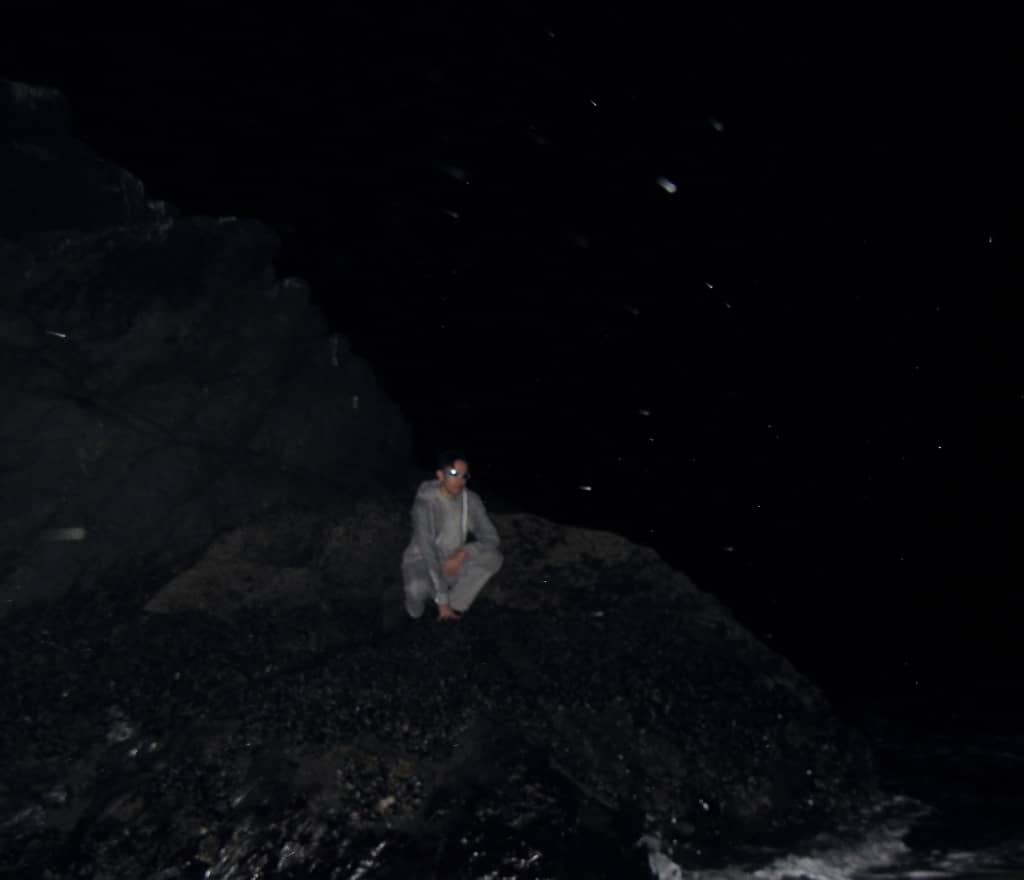
“LONELY NIGHTS” slows the pulse of “TRANCE” into something deeply intimate, unfolding like a quiet confession whispered in the dark. The song opens with a soft, atmospheric foundation that immediately feels weighty and reflective, built on gentle synth textures that seem to hover rather than move forward aggressively. The instrumental palette is minimal but emotionally rich, allowing space to become part of the composition itself. Everything about the opening feels intentional and restrained, as if the track is inviting the listener into a private moment rather than performing for attention. This careful sonic framing sets the tone for a song rooted in stillness, vulnerability, and emotional honesty.
Mike Quintor’s vocal delivery on “LONELY NIGHTS” is one of quiet emotional control, allowing the weight of the song to rest in tone and phrasing rather than dramatic emphasis. His voice feels close and personal, sitting gently within the instrumental rather than rising above it, which enhances the sense of isolation the song conveys. There’s a tenderness in the way he approaches the melody, letting certain lines linger just long enough to feel the emotion without overstating it. Lyrically, the song captures the ache of solitude during late hours, where thoughts grow louder and emotions become harder to ignore. Rather than framing loneliness as despair, Quintor presents it as a space of reflection and emotional awareness. Subtle vocal layering and harmonies appear at moments, adding depth and warmth without breaking the intimacy, making the listener feel as though they’re inside the artist’s internal dialogue rather than observing it from the outside.
As “LONELY NIGHTS” progresses, the production remains steady and immersive, allowing the emotional weight of the song to deepen naturally. The synths feel more enveloping as the track unfolds, while the rhythm maintains its subdued presence, reinforcing the feeling of being suspended in time. There’s no rush toward a dramatic climax; instead, the song embraces its emotional consistency, mirroring the way loneliness often lingers without resolution. The outro gently fades, leaving behind a sense of emotional stillness that feels honest and unresolved in the most human way. Within the context of “TRANCE”, “LONELY NIGHTS” serves as one of the album’s most emotionally resonant moments, offering a sweet, sincere exploration of solitude that feels relatable, immersive, and quietly powerful.
BEAUTIFUL THING:
“BEAUTIFUL THING” arrives as a gentle emotional lift within “TRANCE”, unfolding with a sense of warmth that feels both reflective and quietly hopeful. The song opens on a lush, space-leaning instrumental foundation, where soft synths glow with a dreamy shimmer and immediately set a serene, almost weightless mood. The beat eases in smoothly, carrying a relaxed groove that feels unforced and fluid, allowing the music to drift rather than push forward. There’s a delicate balance in the production between atmosphere and rhythm, with each element given enough room to breathe. The instrumental progression feels carefully layered, gradually expanding its emotional reach while maintaining an intimate core. From the very beginning, the track feels like a pause within the album, a moment to exhale and appreciate the beauty hidden within emotional vulnerability.
Vocally, Mike Quintor delivers one of his most tender performances on “BEAUTIFUL THING,” allowing warmth and sincerity to guide his delivery. His voice glides effortlessly across the instrumental, blending seamlessly with the synth textures rather than sitting above them. There’s a soft confidence in the melody, carried by subtle inflections that give each line emotional nuance. Lyrically, the song leans into appreciation and emotional clarity, framing connection and feeling as something gentle rather than overwhelming. The words feel intentional and reflective, suggesting a quiet realization rather than a dramatic declaration. Harmonies and layered vocals are introduced tastefully, adding depth and softness without disrupting the song’s calm emotional center. The vocal production enhances the sweetness of the track, reinforcing its sense of intimacy and emotional warmth.
As the song moves toward its conclusion, “BEAUTIFUL THING” continues to evolve in subtle ways, deepening its atmosphere without abandoning its restraint. The synths feel richer and more enveloping, and the groove settles into a comforting rhythm that feels almost meditative. Rather than building toward a dramatic peak, the track maintains a consistent emotional tone, allowing the listener to remain immersed in its peaceful, reflective space. The outro gently fades, leaving behind a lingering sense of calm and emotional fulfillment. Within “TRANCE”, “BEAUTIFUL THING” stands out as a moment of softness and emotional light, offering a sweet, immersive listening experience that highlights Mike Quintor’s ability to find beauty in simplicity, mood, and honest expression.
TRANCE is an immersive, self-made journey where psychedelic soundscapes transform inner conflict, vulnerability, and solitude into deeply honest emotional expression.
In its entirety, “TRANCE” stands as a deeply immersive and emotionally resonant body of work that captures Mike Quintor at his most honest, instinctive, and creatively unfiltered, presenting an album that feels less like a traditional release and more like an intimate journey through the artist’s inner world. Every element, from the atmospheric production and genre-bending soundscapes to the introspective lyrics and carefully sustained moods, works together to form a cohesive experience rooted in self-reflection, emotional duality, and quiet vulnerability. What makes “TRANCE” especially compelling is not only the fact that it was created entirely by one individual, but that this complete creative control allowed the album to exist without compromise, preserving the rawness, spontaneity, and emotional truth at its core. The project rewards patient and attentive listening, revealing new layers of meaning and feeling with each revisit, and it resonates most strongly with listeners who appreciate music that prioritizes mood, atmosphere, and authenticity over spectacle. “TRANCE” is highly recommended for fans of psychedelic hip-hop, introspective rap, and experimental, genre-fluid music, particularly those drawn to emotionally driven projects by artists who build worlds rather than chase trends. Whether experienced in solitude, during late-night drives, or in moments of quiet reflection, the album offers a space for listeners to feel seen, understood, and momentarily suspended between thought and emotion, solidifying “TRANCE” as a powerful statement of artistic identity and a meaningful contribution to contemporary independent music.
For more information about Mike Quintor, click on the icons below.