
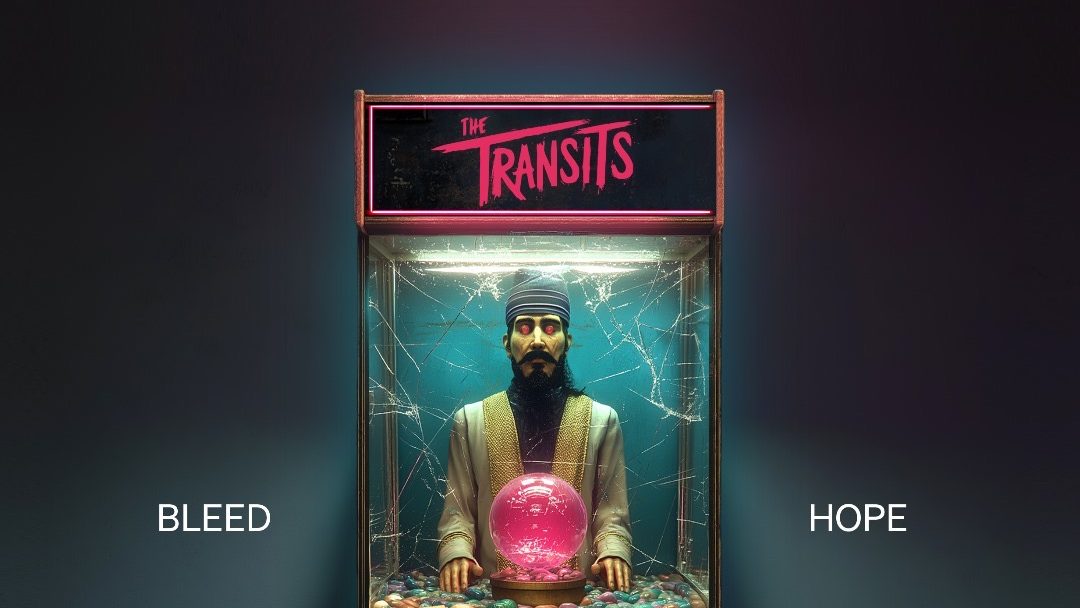
The Transits are a New Zealand based trio whose story is built on distance, reconnection and creative collision. Formed by Ryan Lunn, Dom Antelme and Tyrone Smith, the band traces its roots back to a teenage rock group in Durban, South Africa, before life scattered its members across continents. Years later, Auckland and Durban became twin creative poles rather than barriers, turning separation into momentum. Ryan Lunn’s spectral guitars and vocals intertwine with Dom Antelme’s raw melodic basslines and shared vocal duties, all driven by Tyrone Smith’s urgent, propulsive drumming. Together, they create music that feels restless and immediate, never remote, as if three people are constantly chasing the same spark no matter the distance between them.
Their rise has been rapid and decisive. The 2024 self titled debut album introduced them to a global audience, with When You Went Away breaking into the Top 10 in South Africa and tracks like Heartbreak Queen, Fall Into Dark and No Solution defining their sharp balance of urgency and experimentation. Critical acclaim followed across the United States, Brazil, Australia, New Zealand and South Africa, culminating in a Rolling Stone feature. Visually, The Transits proved just as fearless, winning Best New Zealand Music Video for When You Went Away, turning Lost Ones into an eight minute cult short film, and pushing boundaries with the AI driven video for Dancing with Shadows. That single went on to win Best Music Video at the Europe Music Awards, earn nominations at international film festivals, and secure a live interview on CNN Brazil. Described by critics as luminous, brave and devastatingly powerful, The Transits have moved quickly from underground promise to a band defined by momentum, ambition and a clear sense of identity.

Released on 5th December 2025, “Bleed Hope” stands as a fully realized artistic statement from The Transits, one that prioritizes emotional continuity and long form immersion over isolated moments of impact. The album unfolds with patience and intent, encouraging the listener to sit with its moods rather than rush through them. There is a strong sense that this record was conceived as a complete journey, where sequencing, pacing and atmosphere matter just as much as melody or volume. The production feels expansive and cinematic, yet it remains grounded in human emotion, never drifting into excess for its own sake. Each sonic choice reinforces the album’s internal logic, making “Bleed Hope” feel cohesive, deliberate and emotionally immersive from beginning to end.
At the emotional centre of the album lies the idea of vulnerability as a source of strength rather than weakness. This philosophy runs through the entire record, shaping both its tone and its emotional weight. The title track “Bleed Hope” holds a significant position not because it overwhelms the album, but because it articulates its core message with clarity and restraint. The shifts between fragility and power found there are mirrored across the record, creating a recurring emotional language that feels honest and earned. Rather than leaning into melodrama, The Transits allow moments of restraint to carry just as much meaning as moments of release, giving the album a sense of emotional maturity and depth.
Bleed Hope Album Track List:
Outsiders:
Within the broader emotional and sonic architecture of “Bleed Hope”, the track “Outsiders” occupies a crucial position as a surge of unfiltered momentum and defiance. It arrives with an immediacy that feels intentional, exploding forward with gritty overdriven guitars and a rhythm section that locks in tightly from the opening seconds. The rapid chord changes and relentless drum pattern create a sense of urgency that refuses to settle, reinforcing the album’s underlying theme of restlessness and forward motion. Rather than offering reflection, “Outsiders” asserts presence, acting as a declaration of identity that cuts through the album’s more introspective moments with raw energy and conviction.
As the track unfolds, its tension driven verses feel breathless and compressed, propelled by thick guitar textures that grind with purpose and a bass line that adds weight without ever overcrowding the mix. This sense of pressure makes the transition into the chorus feel cathartic, as the melody suddenly opens up and the vocals shift into a defiant, rallying tone that invites collective release. Within the context of the album, this moment feels less like a simple hook and more like an emotional exhale, reinforcing the idea that connection and belonging can emerge from shared resistance. The balance between aggression and melody here reflects one of the defining qualities of “Bleed Hope”, where intensity is never detached from emotional clarity.
Structurally, “Outsiders” thrives on contrast, briefly pulling back during the bridge to create space through hazy guitars and a more atmospheric texture. This pause heightens the impact of what follows, as the track surges into a raw, nostalgic solo that channels classic punk spirit through a distinctly modern production lens. The performance throughout remains tight and unapologetic, underscoring the band’s discipline and confidence at this stage of their career. Within “Bleed Hope”, “Outsiders” stands as a vital statement, capturing the aggression, melodic sensibility and communal energy that define The Transits’ sound, while reinforcing the album’s broader narrative of resilience, identity and forward motion.
Bleed Hope:
At the heart of “Bleed Hope”, the title track “Bleed Hope” stands as both the emotional and sonic centerpiece of the album, anchoring its themes with clarity and force. Built on a driving pop punk foundation, the song immediately establishes urgency through tightly wound rhythmic guitars, a firm and grounding bass presence, and drums that lock in with punchy precision. This combination creates a sense of controlled momentum, allowing the track to surge forward without ever losing focus. Within the album’s broader flow, “Bleed Hope” feels like the moment where intention sharpens, distilling the record’s emotional weight into a form that is direct, powerful and unmistakably central.
As the track unfolds, its dynamic control becomes one of its defining strengths. After the energetic burst of the opening section, the music briefly dies down, pulling back just enough to introduce restraint without sacrificing intensity. This shift allows the verses to feel pressurized and contained, giving space for the vocal delivery to begin in a more guarded and introspective tone. When the chorus arrives, the energy returns with full force, as the vocals open up into a soaring, anthemic release that carries genuine cathartic weight. This contrast mirrors the song’s core theme of resilience through vulnerability, reinforcing the idea that strength is found not in denial, but in emotional exposure.
The dynamic transitions throughout “Bleed Hope” are sharp yet fluid, guided by an absence of unnecessary ornamentation and a commitment to forward drive. Every section serves a purpose, making each hook land with intention rather than excess. The production remains crisp and muscular, ensuring that the emotional release feels earned rather than manufactured. Within the context of the album, the track functions as both a reflective axis and a rallying point, equally suited for solitary listening and explosive live performance. As the centerpiece of “Bleed Hope”, the song embodies the balance of urgency, melody and emotional honesty that defines The Transits at their most fully realized.
Middle Of The Night:
Within the flow of “Bleed Hope”, “Middle Of The Night” plays a vital role in deepening the album’s emotional and cinematic dimension. The track thrives on dynamics, opening with pounding drums that immediately establish a sense of urgency while setting a distinctly nocturnal atmosphere. There is a restless energy running beneath the surface, as if the song exists in the space between reflection and movement. This tension aligns naturally with the album’s broader themes, reinforcing the feeling of late night introspection where thoughts feel heavier and emotions linger longer.
Both the verses and the chorus are driven by an irresistible groove that gives the track its steady pulse. Rather than overwhelming the arrangement, the instrumentation creates a foundation that allows the vocals to hover just above it, maintaining clarity and emotional presence. The rhythm section remains central to the song’s impact, carrying momentum even during its more restrained passages. This ensures that “Middle Of The Night” never fully slows down, instead sustaining a sense of forward motion that feels deliberate and emotionally charged.
Guitar tones throughout the track shift fluidly between atmospheric textures and more muscular expressions, mirroring the emotional ebb and flow at the heart of the song. These transitions are handled with subtlety, adding depth without disrupting cohesion. The production emphasizes space and dimension, giving the track an immersive quality that invites close listening while still feeling expansive. Within “Bleed Hope”, “Middle Of The Night” stands as a quietly powerful moment, reflective yet driven, capturing the album’s ability to balance motion, mood and emotional weight with precision.
Ghosts Of Summer:
Within the emotional landscape of “Bleed Hope”, “Ghosts Of Summer” introduces a haunting and weighty presence that deepens the album’s sense of nostalgia and unease. From its opening moments, the track is shaped by droning tones and echo laden guitars that immediately establish a reflective mood, one that feels suspended between memory and restlessness. There is a sense of chasing something just out of reach, as if the song is built around recollections that refuse to settle into comfort. This atmosphere aligns closely with the album’s exploration of past and present, grounding those themes in a sound that feels both familiar and unsettling.
The bass assumes a crucial role in shaping the track’s identity, delivering a thick, hypnotic groove that anchors the verses with authority. Beneath it, the drums move strategically rather than aggressively, reinforcing tension through restraint and placement rather than constant force. This careful balance allows the instrumentation to feel heavy without becoming cluttered, maintaining clarity while sustaining emotional weight. The vocals drift between moments of directness and atmosphere, their reverb enhanced delivery lending a spectral quality that amplifies the sense of emotional distance running through the track.
As “Ghosts Of Summer” unfolds, it swells into a full and expansive sound that embraces its heaviness rather than shying away from it. The instrumentation grows denser and more forceful, and the vocal performance becomes fierce, pushing the track into a space that feels both cathartic and unresolved. Within the context of “Bleed Hope”, this song stands as a powerful embodiment of the album’s darker undercurrents, where nostalgia is not comforting but charged, and memory becomes something that weighs heavily even as it fuels emotional intensity.

Empty Room:
Within the flow of “Bleed Hope”, “Empty Room” serves as a deliberate deceleration, slowing the album’s pulse and creating space for reflection. The track leans heavily into atmosphere, unfolding through spacious synth textures and a subdued rhythmic framework that immediately establishes a sense of isolation. This restraint allows the emotional weight of the song to breathe, giving the listener time to settle into its mood before the full band gradually enters. Positioned against the album’s more urgent moments, “Empty Room” functions as a quiet pause that deepens the overall emotional arc of the record.
The instrumental choices reinforce this fragile atmosphere with precision and care. Guitars favor clean, shimmering tones that drift in and out of distortion, subtly mirroring the emotional instability at the heart of the song. Beneath this, the bass line moves patiently and unobtrusively, providing a grounding presence without ever overpowering the track’s delicate balance. The drums remain measured and deliberate, focusing on emotional pacing rather than impact, which allows the song to unfold naturally and maintain its sense of vulnerability without interruption.
Vocally, “Empty Room” is one of the album’s most intimate and confessional moments. The softened delivery, paired with generous reverb, creates the impression of singing into an unoccupied space, amplifying the song’s themes of solitude and emotional exposure. The production carefully balances polish with rawness, ensuring that nothing feels overly refined or emotionally distant. Within “Bleed Hope”, “Empty Room” stands as a vital contrast to the album’s heavier tracks, offering transparency and quiet intensity that strengthens the record’s overall emotional depth.
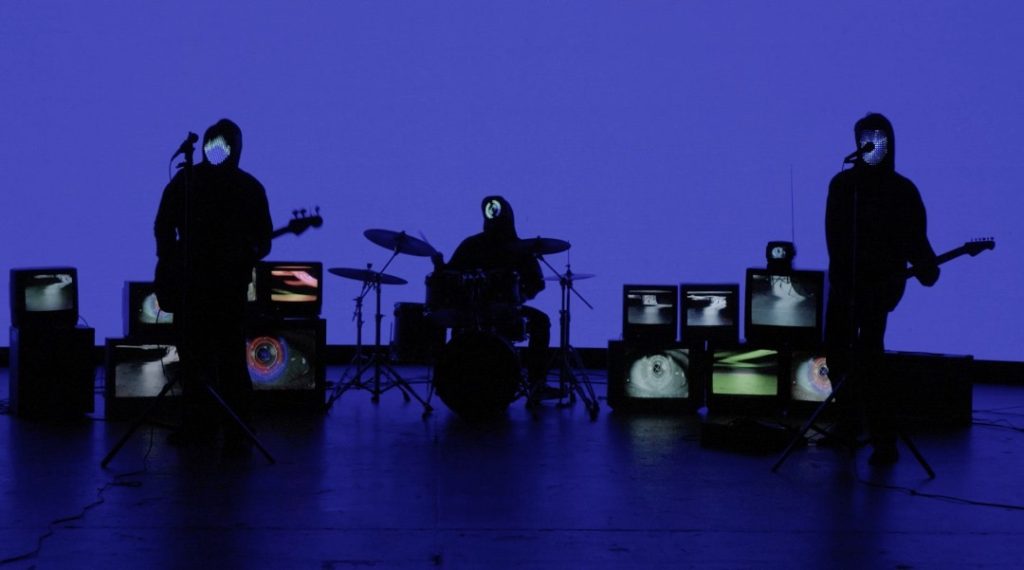
One of the most compelling qualities of “Bleed Hope” is its ability to balance contradiction without forcing resolution. Nostalgia exists alongside modern urgency, intimacy sits comfortably next to widescreen ambition, and moments of quiet coexist with bursts of intensity. These contrasts feel purposeful, reflecting the band’s history of distance, reconnection and creative persistence. Across its 15 track runtime, the album maintains a forward momentum that never feels rushed or unfocused. References to key moments such as “Dancing with Shadows” or “Ghosts of Summer” function as emotional pillars rather than distractions, reinforcing the album’s larger narrative instead of fragmenting it into individual highlights.
Bleed Hope Captures The Transits At Their Creative Peak, Balancing Urgency With Introspection, Light With Shadow, And Vulnerability With Strength, Creating A Widescreen Emotional And Sonic Journey That Resonates Long After The Final Note
As the album reaches its conclusion, its impact becomes clearer through cohesion rather than spectacle. “Bleed Hope” does not depend on singular anthems to justify its significance, but instead builds its power through consistency of mood, theme and intent. Released on 5th December 2025, it captures The Transits at a moment where ambition is matched by discipline, resulting in a record that feels confident without being overbearing. The album leaves behind a sense of emotional resonance that lingers beyond its runtime, affirming The Transits as a band capable of transforming vulnerability into something lasting, meaningful and quietly powerful.
For more information about The Transits, click on the icons below.