
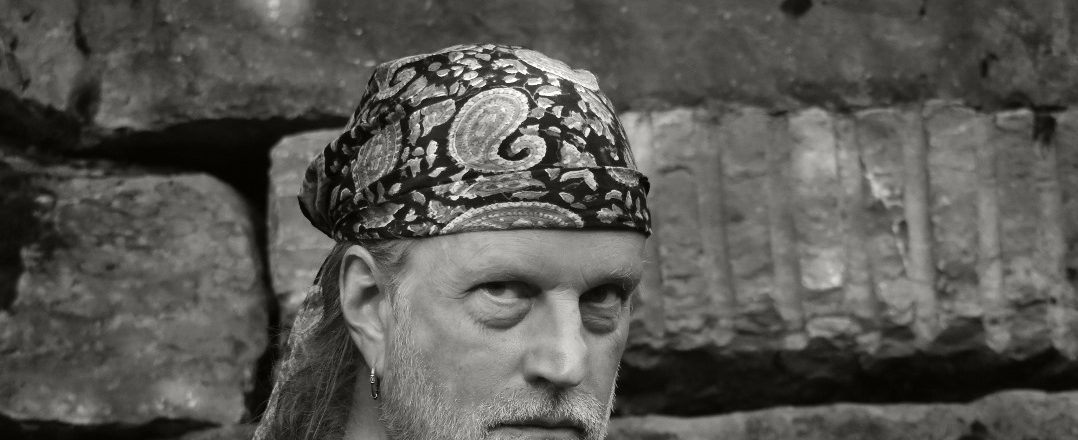
For nearly thirty years, Jens Gustavson has stood as one of Sweden’s most quietly enduring singer-songwriters, a musician whose creative life has unfolded with the patience, curiosity, and depth that define true artistic longevity. Originating from Brunflo, Sweden, Gustavson has spent decades composing, recording, and releasing music across CD, vinyl, and digital formats, developing a body of work that resists stylistic confinement while remaining grounded in his distinctive lyrical sensibility. Throughout his career, he has moved fluidly between performing as a solo act and collaborating with various bands, appearing at festivals and venues across Sweden, including Storsjöyran, Urkult, and Svarttorpsfestivalen. His former band, Andras Ungar, earned a reputation for their rowdy, high-energy performances, marked by sweat, grit, and an immersive live presence. Yet even in his most electrified moments, Gustavson has always carried a signature tension in his sound: a delicate blend of sensitivity and intensity, where quiet emotional detail meets the raw force of distorted guitars.
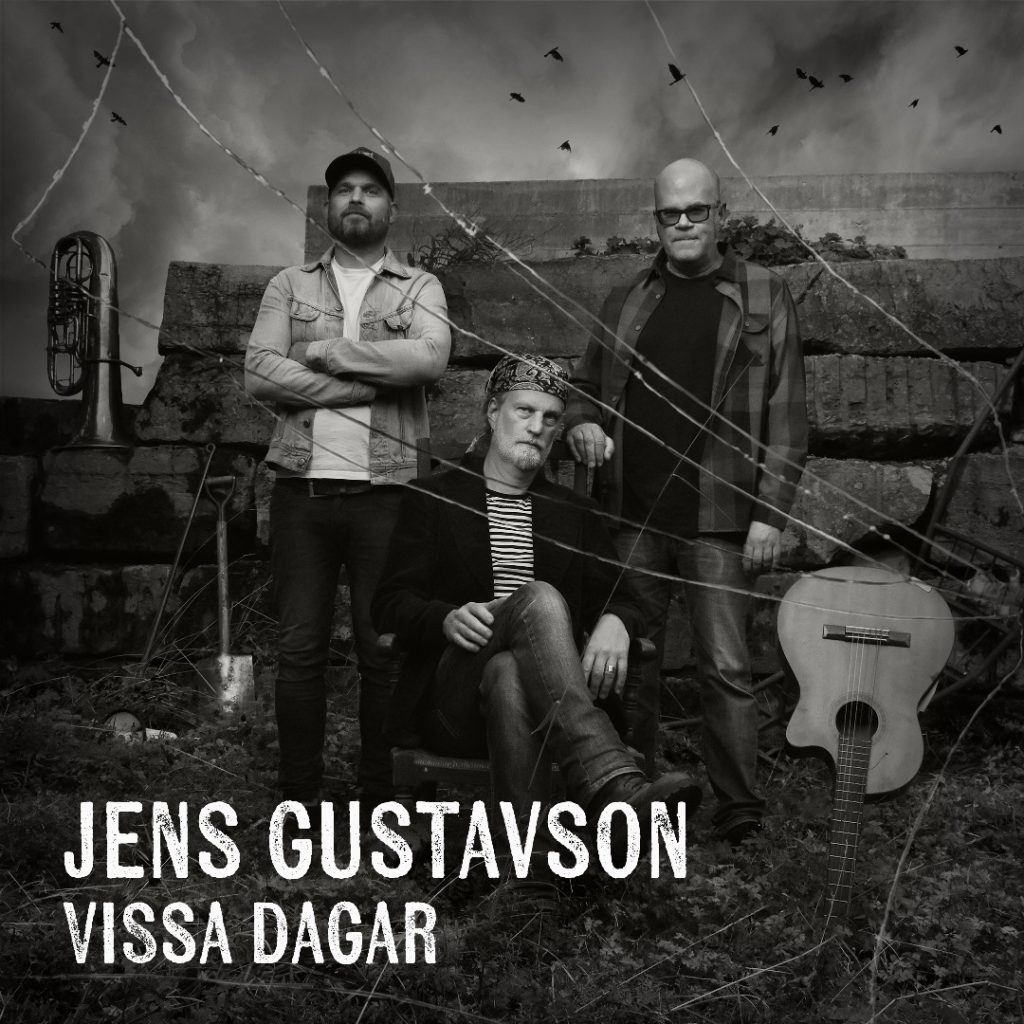
Musically, Gustavson belongs to the alternative scene, but his influences span far beyond any single category. His foundation lies in text-driven songwriting, stories, reflections, and lived emotion, but his inspiration reaches outward to Swedish ballads, folk music, blues, punk, and even stoner rock. His foremost influences include Ossler, Anders F. Rönnblom, PJ Harvey, Mike Scott, and Mark Lanegan, artists known for boundary-pushing creativity and deeply expressive storytelling. Like them, Gustavson’s work cannot be easily pinned down. It is open, exploratory, and rooted in a curiosity that continually leads him toward new sonic spaces. On 15 October 2025, Jens Gustavson returns with “Vissa dagar”, an album that brings his artistry into its most intimate and organic form. Translating to “Certain Days,” the project unfolds as a stripped-down, acoustic, and lo-fi reflection on life, honest in tone, raw in emotion, and shaped by the warmth of live studio recording. Captured largely in real time at Studio Rissna City in Jämtland, the album embraces an earthy soundscape rooted in roots blues, folk, country influences, the European song tradition, and acoustic indie sensibilities.
More than a stylistic shift, “Vissa dagar” represents a deepening of Gustavson’s lifelong commitment to sincerity in music. Here, he steps closer to the microphone than ever before, pairing simple instrumentations, acoustic guitar, banjitar, harmonica, piano, and light percussion, with a lyrical approach that feels unguarded and present. Supported by Ronny Dahlberg (drums/percussion), Göran Backlund (bass and double bass), lrika Persdotter Dahlberg and Gustaf Ullbrandt (choir), Ulf Wahlström (slide guitar), and Fredrik Ståhl (helicon), the album reveals a collaborative warmth while still keeping Gustavson’s voice at the emotional center. The result is a musical journey that touches the soul of New Orleans-scented blues, the humbleness of Scandinavian folk, and the storytelling depth of acoustic indie. Gentle, rootsy, and boldly simple, “Vissa dagar” captures not only the evolution of Jens Gustavson as an artist, but also the beauty and weight of the days that shape us, those quiet, fragile moments when life’s truths rise to the surface.
Vissa Dagar Album Track List:
Humlor:
“Humlor” opens “Vissa Dagar” with a tone that is both earthy and contemplative, setting a foundation built on acoustic resonance and understated emotional force. The track begins with warm, lightly grained guitar strokes that move with the calm certainty of a folk ballad, yet the progression holds a quiet tension that hints at deeper reflection beneath the surface. The mix is intimate, placing the guitar close to the listener while allowing the subtle breaths of room ambience to remain present, reinforcing the live-recorded authenticity of the album. As the harmonica enters, its tone is mellow rather than piercing, adding a rustic hue that enriches the emotional palette. Jens Gustavson’s vocal presence carries the entire opening with a grounded steadiness, his delivery is smooth but weighted, almost as though every lyric is a careful step in a larger meditation. The scene he paints is not rushed; instead, it unfolds with the unhurried clarity of someone observing life’s patterns, like the drifting motion of the “bumble bees” the title references.
As the song deepens, the ensemble subtly expands, bringing in bass phrases that move with effortless fluidity, gently shaping the song’s rhythmic undercurrent without ever overpowering its softness. The percussion is restrained and thoughtful; instead of driving the track, it breathes with it, adding small gestures that enhance the song’s grounded folk sensibility. Each instrumental voice, slide guitar, harmonica, bass, and gentle percussion, enters with intention, creating a layered but still airy arrangement. The slide guitar adds an expressive shimmer that lifts certain phrases, almost like sunlight breaking through the narrative’s introspective tone. What stands out is the cohesion between Jens and his supporting musicians: the track feels like a conversation between instruments rather than a series of stacked layers. This synergy gives “Humlor” a fluid, organic movement, strengthening the song’s thematic meditation on the superficiality of chasing power and wealth. The music mirrors the message, simple, close to the ground, and more meaningful for its restraint.
In its final stretch, “Humlor” grows in emotional dimension without needing to increase volume or intensity. Jens’s vocal delivery gains a slight lift, offering a sense of realization rather than confrontation, and the harmonica returns with a richer, more resonant tone that ties the narrative together. The choir’s subtle presence introduces a warm human texture, expanding the emotional field and giving the closing moments a sense of communal understanding rather than solitary reflection. The production remains delicate, allowing the acoustic framework to carry the song’s weight while ensuring every tone, from the brush of the strings to the soft movement of air in the room, retains clarity. By the end, “Humlor” stands as a thoughtfully crafted piece that blends folk simplicity with philosophical depth, delivering a message through both its lyrics and its sonic architecture. It is a track that invites listeners inward, asking them to slow down, observe, and reconsider what truly matters, achieving this through an elegant balance of musicianship, emotion, and narrative purpose.
Vissa Dagar:
“Vissa Dagar,” the title track of Jens Gustavson’s album, radiates an emotional intimacy that feels both lived-in and timeless. From its very first guitar phrases, the song emerges like a deep breath after a long silence, gentle, acoustic strumming carrying the soft warmth of natural wood and air. There’s a pastoral tenderness to the opening; the tone of the guitar rings with clarity, and the slight rub of fingers against strings lends it an earthy realism that draws the listener close. Gustavson’s voice enters with calm steadiness, full of humility yet rich in presence. He doesn’t force emotion, he allows it to unfold, syllable by syllable, with the patience of someone who has learned that truth often whispers rather than shouts. The melody moves gracefully, resting on long, unhurried notes that capture the song’s message of acceptance and hope. “Certain days,” as the title translates, are those quiet, fragile moments where one simply trusts that life will find its rhythm again, and the song embodies that gentle surrender through every melodic choice, every breath, and every pause between phrases.
As the song progresses, the instrumentation deepens just enough to enrich the emotional tone without breaking its intimacy. A soft bassline anchors the rhythm in a way that feels almost heartbeat-like, steady, patient, unobtrusive. The percussion enters with featherlight taps, creating the impression of footsteps or raindrops, adding a subtle motion that carries the listener forward. A faint slide guitar drifts in and out, shimmering like distant light across a late afternoon sky, while harmonies from background vocals softly cradle Gustavson’s lead. The production is precise in its understatement: every element seems positioned not for grandeur but for balance. There’s an emotional stillness at the center of the arrangement, a sense that the musicians are listening as much as they are playing. The tonal palette, warm acoustics, hushed percussion, and faint echoes of room reverb, feels organic and open, as though the entire song exists in a small cabin surrounded by trees. Through this soundscape, Gustavson’s lyrics find their perfect vessel, reflecting on the human experience of endurance and quiet faith: the belief that no matter how uncertain life becomes, there are always “certain days” that bring clarity, comfort, or renewal.
The final section of “Vissa Dagar” is where the song’s emotional resonance truly blooms. The harmonies widen, the guitars open up, and Gustavson’s vocal inflection carries just a touch more light, as though he is smiling through the melody. There’s no dramatic crescendo, rather, it feels like the gradual arrival of morning, when light fills the room almost imperceptibly but transforms everything it touches. The choir in the background adds warmth without weight, blending into the acoustic tones with a near-spiritual softness. The mix keeps every texture intact: the faint hum of strings, the delicate thump of percussion, the natural decay of the final chord. The closing line lingers in the air like a promise, an unspoken assurance that calm and clarity are never far away, only hidden behind the noise of the everyday. As the final note fades, “Vissa Dagar” leaves behind not a sense of conclusion but of quiet renewal. It is a beautifully balanced piece of songwriting and production, simple in form yet profound in feeling, where every musical and lyrical choice serves the greater message of peace, resilience, and hope in the rhythm of life’s uncertain days.
Kommer hem:
“Kommer hem” opens with an acoustic stillness that immediately creates a sense of gentle motion and inward reflection. The entire song is carried by the expressive sensitivity of plucked strings, each note released with a soft, almost breath-like calmness that makes the track feel both intimate and expansive. The guitar’s tone is warm and rounded, with every pluck resonating into the surrounding air as though the room itself is part of the instrument. These delicate patterns evoke the quiet rhythm of a long journey, steady, thoughtful, unforced. When Jens Gustavson’s voice enters, it aligns perfectly with this atmosphere. His delivery is patient and grounded, carrying a kind of emotional clarity that feels as though he is speaking directly from memory. The openness of the arrangement allows every nuance of his voice to stand out: the gentle rise on certain syllables, the soft grit at the edges of his lower range, the subtle breath before each phrase. From the very beginning, the track establishes itself as a serene travelogue, an emotional return framed by simplicity and sincerity.
As the song deepens, the variations in the guitar work become the primary engine of progression, offering a surprising richness despite the minimal instrumentation. Jens plucks in layered patterns that evolve gradually, shifting between gentler, airy phrases and slightly fuller, more resonant progressions that add emotional depth without ever breaking the song’s quiet spell. In some sections, the strings seem to shimmer; in others, they mellow into softer, darker tones, reflecting changing landscapes in the inner narrative. A subtle second guitar line emerges at moments, its presence almost ghost-like, felt more than heard, adding texture, warmth, and a sense of movement. This interplay between the string layers creates a natural ebb and flow, like the slow passing of scenery outside a window or the internal unfolding of thought. Without drums or bold instrumentation, the song relies entirely on musical restraint and emotional nuance, and this decision makes every shift, even the smallest, feel meaningful.
In its final stretch, “Kommer hem” resolves with a luminous gentleness that mirrors the feeling of reaching a familiar place after a long period of wandering. The guitar patterns soften, becoming more spacious, allowing Jens’s voice to settle into its calmest, most tender state. There is no dramatic lift or climactic swell, just a quiet settling, a sense of arrival captured through the natural decay of the last chords and the warm air that surrounds them. The closing moments feel intentionally raw, preserving the authenticity of the live, unembellished acoustic setting. What remains after the final note fades is a lingering warmth, like the soft glow of a light turned on in a dark room. “Kommer hem” is a song that achieves emotional resonance not through layers or power, but through delicacy, honesty, and the subtle beauty of plucked acoustic strings. It is serene, reflective, and deeply human, an understated but profoundly moving portrait of coming home.
Huset:
“Huset” begins with a gentle acoustic melancholy that immediately signals it as one of the album’s most emotionally introspective pieces. The guitar enters with slow, deliberate strums, each chord carrying a soft resonance that hangs in the air like dust drifting through an old, half-lit room. The tonal warmth is unmistakable, rounded edges, subtle fret noise, and the kind of natural reverb that gives the impression of a small space filled with memory. Jens Gustavson’s voice joins with a fragile steadiness, not broken but undeniably reflective, as though he is retracing emotional steps back through a place he once knew intimately. His phrasing is slow and spacious, allowing every word to breathe, suggesting a story weighed down by time and hindsight. The simplicity of the opening becomes its own form of power; with only voice and guitar, he paints the image of a house that is not just a structure, but a vessel for everything unsaid, undone, or remembered.
As the song unfolds, the acoustic arrangement subtly expands, not through obvious layering, but through texture, tone, and the emotional weight of how the guitar is played. Gustavson shifts between delicate fingerpicking and slightly fuller strumming, creating gentle waves that feel like memories rising and receding across the narrative. A soft second guitar line flickers in the background at moments, adding depth and a faint shimmer that enhances the sense of reflection without interrupting the intimacy. The harmonica emerges like a quiet sigh, its mellow tone adding an aching, human warmth that deepens the emotional environment of the piece. What makes “Huset” so affecting is the way every instrumental gesture aligns with the song’s lyrical essence, the fragile dynamics, the subtle changes in tempo, the faint vibrational tremble of the strings, all mirroring the inner landscape of revisiting a fractured relationship. It feels less like listening to a performance and more like eavesdropping on a moment of personal reckoning.
In its final movement, “Huset” settles into a deeply resonant stillness, capturing the emotional truth that sits at the heart of the song. Jens’s voice softens even further, taking on a gentler, more vulnerable timbre, as though reaching the part of the memory that hurts most yet must be acknowledged. The guitar, too, becomes quieter, its chords spaced out with almost meditative patience, allowing the emotional gravity of each line to land fully. The harmonica’s final appearance adds a soft glow of closure, not a triumphant resolution, but a quiet acceptance. As the last chord fades, what remains is the lingering sense of a door softly closing behind someone who has finally allowed themselves to feel everything they once avoided. “Huset” is a masterclass in understated emotional storytelling, built from nothing more than voice, guitar, and breath, but within that simplicity lies a depth that resonates long after the song ends.
Vissa Dagar is a fearless, emotionally charged odyssey that captures the band’s evolution, resilience, and raw truth, delivering a powerful, unforgettable listening experience.
“Vissa Dagar” ultimately stands as a testament to Jens Gustavson’s remarkable ability to distill decades of artistic exploration into a project that is both deeply personal and universally resonant, offering listeners an experience that feels less like a collection of songs and more like an intimate journey through the quiet interior spaces of life. Across its acoustic landscapes, rooted in folk, blues, country, and the Scandinavian song tradition, the album invites listeners to slow down, breathe, and reconnect with the emotions we often silence in the rush of everyday living. Its raw, unvarnished production becomes its greatest strength, allowing every guitar tremor, every breath, every subtle harmony to feel honest and alive, while Gustavson’s grounded, reflective storytelling brings a sense of human closeness that lingers long after the final chord fades. As a whole, the album succeeds not by seeking grandeur, but by embracing sincerity, a quality that makes “Vissa dagar” a quiet companion for difficult days, hopeful days, and all the uncertain ones in between. For anyone drawn to music that carries emotional weight without theatrics, for listeners who appreciate craftsmanship over flash, and for those who find comfort in songs that speak softly yet stay with you, this album comes highly recommended as one of Gustavson’s most moving and beautifully understated works to date.
For more information about Jens Gustavson, click on the icons below.