

Peter Xifaras stands as one of the rare modern composers who has not only mastered the language of music but has also redefined how genres can converse with one another. A composer, guitarist, and producer with a career that spans decades, Xifaras has consistently demonstrated a remarkable versatility, whether orchestrating for full symphonies, delivering impassioned guitar solos, or producing richly layered soundscapes. His work resonates far beyond technical brilliance; it carries purpose, emotion, and a universality that has earned him widespread recognition. His music has enjoyed over ten years of consistent rotation on SiriusXM, while also reaching audiences through hundreds of radio stations around the world.
On the charts, his compositions have ascended to the peaks of Billboard’s Classical and Crossover rankings, placing him among the few artists who have successfully bridged the gap between serious concert music and accessible, contemporary appeal. The accolades further cement his impact. He is the recipient of the American Prize in Composition, recognition that celebrates his craftsmanship in symphonic writing. His work has also been honored with a Telly Award for “social impact” and the Accolade Global Film Humanitarian Award, particularly for the moving orchestral release Children of Conflict, which underscored his ability to merge art with advocacy. What sets Peter Xifaras apart, however, is his refusal to be confined by tradition. His vision of music as a limitless, borderless form of expression drives him to create works that not only respect the past but also reimagine its possibilities for the present and future.
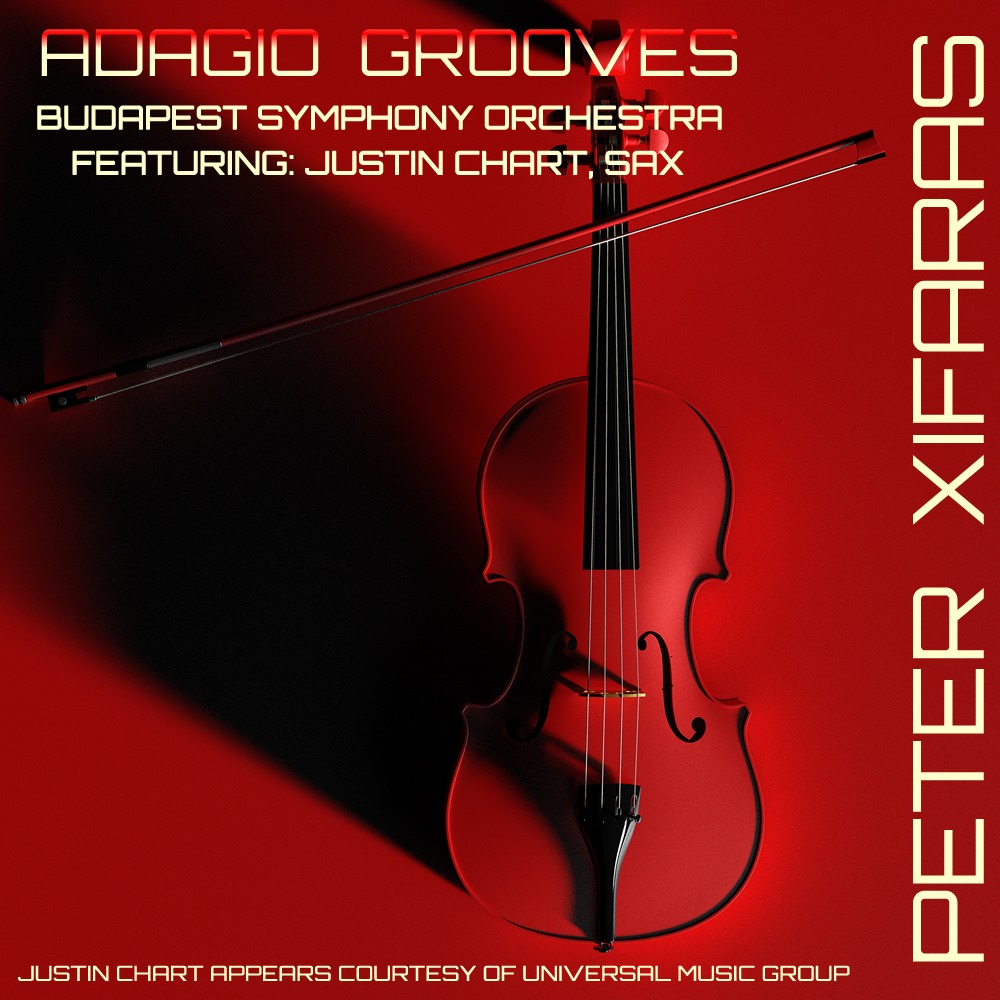
On August 22, 2025, Peter Xifaras unveils his latest project, “Adagio Grooves”, under the banner of Music With No Expiration®. Distributed globally via SONY/Orchard, this six-track collection is a bold and elegant fusion of jazz and classical traditions, where the lush, cinematic sweep of the Budapest Symphony intersects with the improvisational fire of Justin Chart, a virtuoso jazz saxophonist and Universal Music Group artist. The album is not simply a meeting of genres, it is an artistic dialogue. Each composition, written, arranged, and produced by Xifaras himself, draws the listener into a space where soulful melodies evolve into addicting grooves, balancing grandeur with intimacy, formality with freedom. Supported by the rhythmic backbone of Max Gerl on bass and Scott Jackson on drums, Xifaras delivers a body of work that feels timeless yet fresh, contemplative yet alive.
Adagio Grooves Album Track List:
Adagio Blue:
“Adagio Blue,” the opening track of Peter Xifaras’s “Adagio Grooves”, is an exquisite introduction to the album’s bold fusion of orchestral elegance and jazz spontaneity. The piece begins with an almost cinematic atmosphere, where plucked strings and hushed orchestral textures immediately establish a sense of grandeur and anticipation. This prelude is not merely ornamental; it sets the emotional landscape, creating a fluid bridge between the stately traditions of classical adagios and the emotive warmth of jazz. As the textures slowly build, the saxophone emerges with a soulful timbre that feels both intimate and commanding, carrying the melodic line with a smoky richness that contrasts beautifully against the orchestral backdrop. The entrance of the rhythm section transforms the piece, shifting it from a purely cinematic opening into a groove-laden jazz tapestry. This progression captures the listener’s attention, blending classical restraint with the freedom of improvisation, and foreshadowing the album’s commitment to redefining the boundaries between genres.
What makes “Adagio Blue” truly captivating is the way its layers evolve with remarkable fluidity, almost like a conversation between different musical worlds. The orchestral passages provide sweeping harmonies and lush textures that enrich the sonic palette, while the jazz foundation maintains a strong undercurrent of rhythm and drive. The groove itself is deliberate yet understated, not overbearing, but pulsing with an energy that anchors the piece while allowing space for exploration. The bass lines walk gracefully between classical precision and jazz warmth, while the drumming provides a steady heartbeat, intricate enough to propel momentum without overshadowing the other elements. At the forefront, the saxophone dances between plaintive, lingering phrases and more agile improvisations, sometimes soaring above the ensemble and other times blending into its fabric with subtle grace. Xifaras’s role as the architect of this sound is evident in the way these elements lock seamlessly into place; his piano work and compositional vision weave the orchestra and rhythm section together into a single narrative voice. The result is a balance of restraint and freedom, formality and swing, creating a listening experience that feels both polished and alive.
As a standalone piece, “Adagio Blue” succeeds in capturing the essence of Adagio Grooves while also functioning as a self-contained journey. It draws the listener into a world where elegance meets pulse, where the grandeur of cinematic strings collides with the immediacy of a jazz club. The track manages to be contemplative yet vibrant, offering moments of quiet reflection as well as surges of expressive intensity. For listeners, this duality makes it endlessly replayable: it can serve as an immersive background soundtrack or demand close, focused attention to its shifting layers. Critically, it establishes Peter Xifaras not simply as a composer but as a musical architect who reimagines what modern jazz can be when infused with classical sensibility and cinematic scope. “Adagio Blue” is more than just the album’s opener, it is a statement of intent, one that embodies the album’s ethos and promises a listening journey where every note is crafted with purpose, depth, and emotional resonance.
Adagio Dream:
“Adagio Dream” from Peter Xifaras’ “Adagio Grooves” album unfolds as a deeply atmospheric piece that draws the listener into its downtempo yet richly layered progression. The track begins with a gentle orchestral foundation that sets a calm, cinematic tone, creating a landscape that feels both expansive and intimate. Soon after, a subtle cluster of percussions enters, carrying with them a culturally rich, ancient folk-like essence that adds depth and texture to the composition. These percussive layers do more than keep rhythm, they create a heartbeat for the track, grounding its otherwise floating melodies with an organic pulse. The effect is hypnotic, as the percussion builds a groove that feels meditative yet alive, making the listener sway in its understated but persistent flow.
As the piece progresses, the saxophone emerges gracefully, following the establishment of the percussive base, and it quickly becomes the emotional centerpiece of the track. The sax doesn’t arrive abruptly but eases in, almost as if rising from within the atmosphere already established, weaving its soulful tones around the rhythmic backdrop. Its voice is smooth, expressive, and deliberate, cutting through the orchestral layers with a warmth that feels both deeply personal and universally inviting. The combination of percussions and saxophone establishes a unique interplay: the former provides the ancient, earthy grounding, while the latter elevates the piece into a more refined, jazz-like sophistication. This careful balance enhances the groove, keeping it steady but never monotonous, instead shifting fluidly with subtle nuances that give the track a sense of movement and evolution without ever breaking its tranquil, dreamlike pace.
By the time the track settles into its full form, the listener is enveloped in a soundscape that feels timeless, a conversation between culture, atmosphere, and emotion. The orchestral backdrop continues to lend an expansive quality, while the percussions anchor the listener to something primal and the saxophone reaches outward with soulful improvisation. The groove remains distinctly downtempo, pulsing with a calculated restraint that avoids urgency and instead revels in serenity. The percussions, in particular, shape the mood by adding a ritualistic quality, as if echoing traditions passed through generations, while the saxophone threads modern elegance into that framework. Together, these elements create a composition that is not only musically rich but also emotionally transportive, giving “Adagio Dream” its power to linger in the listener’s mind long after the final note fades.
Adagietto:
“Adagietto” from “Adagio Grooves” unfolds with a gentle, almost meditative calm that immediately sets a different mood from the very first note. The strings glide in with a soft orchestral sweep, painting a canvas of serenity and intimacy, while underneath, faint layers of atmospheric tones give the piece a subtle depth. The tempo is deliberately restrained, allowing each note to breathe and linger, almost like a conversation between silence and sound. There’s a deep sense of patience in the way the composition opens, as though Peter Xifaras is guiding the listener into a contemplative state where time itself feels suspended. This initial passage is built with meticulous control, ensuring that nothing feels rushed or hurried, which gives the track its meditative quality and sets the stage for the nuances that follow.
As the piece progresses, the introduction of delicate percussive elements subtly enhances the rhythm without disturbing the slow, graceful flow. These percussions are not driving the song in the traditional sense but rather adding texture, like ripples on still water, creating a groove that feels understated yet deeply effective. The saxophone enters afterward, carrying with it a soulful warmth that contrasts yet complements the reserved orchestral backdrop. Its tone bends and sways with emotive phrasing, immediately drawing the ear and giving the piece its defining melodic voice. The interplay between the percussions and the saxophone creates a fascinating balance, while the percussions keep the track tethered to a cultural and folk-inspired root, the saxophone floats above, weaving a thread of jazz-inspired expressiveness that keeps the composition alive and dynamic.
The beauty of “Adagietto” lies in its ability to merge restraint with richness, offering a listening experience that is slow-burning yet full of color. The downtempo structure makes the track immersive, encouraging the listener to focus not just on the main melodies but on the spaces between them, the quiet moments where the instruments breathe. The groove shaped by the percussions creates a sense of earthy grounding, while the saxophone’s lines soar with elegance, carrying the piece to moments of reflective beauty. The orchestral undercurrent ties everything together, ensuring the song retains its grandeur and cinematic quality while still feeling intimate. It is a composition that feels timeless, bridging orchestral refinement with jazz soulfulness, and it leaves the listener with a lingering sense of peace and quiet contemplation long after the final note fades.
Adagio Nights:
“Adagio Nights” emerges as one of the most mesmerizing moments on “Adagio Grooves”, wrapping the listener in an atmosphere of elegance, tranquility, and deep emotional resonance. From its opening measures, the track sets a mood of nocturnal stillness, where the faint hum of strings blends seamlessly with understated keys that act almost like glimmers of moonlight cutting through the darkness. The tempo is unhurried, deliberately giving the composition a reflective and meditative quality, drawing the listener into an immersive soundscape that feels timeless. Peter Xifaras approaches the introduction with restraint, carefully layering the instrumentation so that nothing overwhelms; instead, each element is given the space to resonate fully. This creates a listening experience that is intimate yet expansive, where every note feels like a brushstroke painting a portrait of the night. The overall effect is cinematic, evoking images of quiet city streets, starlit skies, or even solitary moments of introspection, giving the track an emotional universality that resonates deeply.
As the piece unfolds, subtle percussive grooves begin to ripple beneath the orchestral and melodic textures, giving “Adagio Nights” a steady pulse without sacrificing its laid-back elegance. The groove is not intrusive but carefully calculated, almost heartbeat-like, giving the track an underlying sense of movement while preserving its calm, reflective aura. Against this rhythmic foundation, the saxophone takes center stage, breathing life and soul into the composition with phrases that bend, sway, and glide in expressive waves. Its presence is striking, carrying a warm, velvety tone that contrasts beautifully with the more restrained orchestral backdrop, bringing in the unmistakable flavor of smooth jazz. The interplay between the saxophone and the percussive rhythm is particularly captivating, the groove anchors the track, while the saxophone soars above it, telling a story that feels both spontaneous and deeply intentional. The dynamics build and retreat organically, creating an ebb and flow that mirrors the moods of nighttime itself: quiet moments of stillness giving way to flashes of vibrance before settling back into calm.
What makes “Adagio Nights” especially compelling is its ability to merge multiple worlds into one cohesive narrative. It is at once romantic and introspective, cinematic and intimate, grounded in orchestral elegance yet lifted by the soulful fluidity of jazz expression. The groove keeps it tethered to a worldliness, almost evoking subtle folk or Latin influences, while the lush orchestration ensures that it never loses its grandeur. The result is a track that appeals on multiple levels, it can serve as a reflective piece for solitary listening, a romantic backdrop for quiet evenings, or even a meditative work of art for moments of stillness. By balancing restraint with richness, Peter Xifaras creates a composition that feels alive without ever being hurried, serene without being static. “Adagio Nights” lingers with the listener long after it ends, like the quiet memory of an enchanting evening, its melodies and grooves echoing softly in the mind like the fading glow of night.
Adagio Grooves blends orchestral elegance with jazz soul, creating timeless soundscapes of reflection, serenity, and rhythmically alive beauty.
“Adagio Grooves” is a masterfully crafted testament to Peter Xifaras’ artistry, one that seamlessly marries the elegance of classical adagios with the soulful immediacy of jazz. Across six tracks, the album offers listeners an immersive journey that is at once cinematic, contemplative, and rhythmically alive, carried by the grandeur of the Budapest Symphony and the expressive warmth of Justin Chart’s saxophone, all anchored by the steady groove of Max Gerl’s bass and Scott Jackson’s drums. What emerges is not merely a genre fusion but a carefully woven narrative that balances restraint with freedom, intimacy with expansiveness, inviting audiences into moments of reflection, serenity, and soulful escape. Each track reveals new textures and emotional dimensions upon repeated listening, making the record as rewarding for casual enjoyment as it is for close, attentive study. For jazz enthusiasts, classical admirers, and anyone seeking music that transcends boundaries while remaining deeply human, “Adagio Grooves” is highly recommended, a timeless and resonant work that lingers long after its final note fades, affirming Xifaras’ place among the most innovative and versatile voices of his generation.
For more information about Peter Xifaras, click on the icons below.