
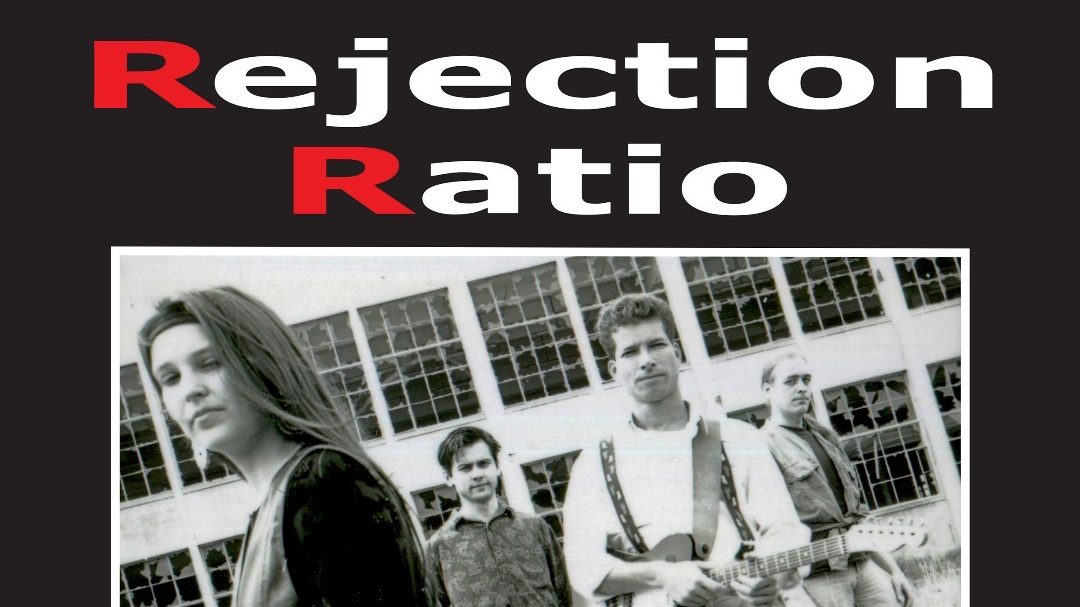
Rejection Ratio is a Rotterdam based indie rock band shaped by decades of lived experience, creative persistence, and a deep affection for raw emotion and layered soundscapes. Formed in the 1980s, the group consists of Nelly on vocals, Ruud on bass, Pityu on guitar, and Ton on drums, four artists united by a shared commitment to making music that is honest, textured, and resistant to easy categorization. Their history carries a quiet mythos. In 1997 they recorded an entire album on a DAT tape, performing live in a single take without an audience. It was music as pure and unfiltered as the band intended, created at a time when precision took second place to soul. Soon after, they stepped away, partly due to Nelly’s unexpected hearing complications, later traced to an issue entirely unrelated to her ears. The recordings sat untouched for years, tucked away and nearly forgotten, until an old cassette transfer resurfaced and reignited something within them. This rediscovery brought the band back together, leading to the original DAT tapes being digitized and remastered by the same engineer who captured them decades earlier. Their return is not a nostalgic act but a continuation of something timeless. Their music blends rock, pop, alternative, new wave, and post punk without belonging neatly anywhere, and Nelly’s voice shapes each track with a distinct emotional identity. Love is Like Heaven is the first single from their album Acceptance Quotum Resonance now available across major platforms except Spotify.
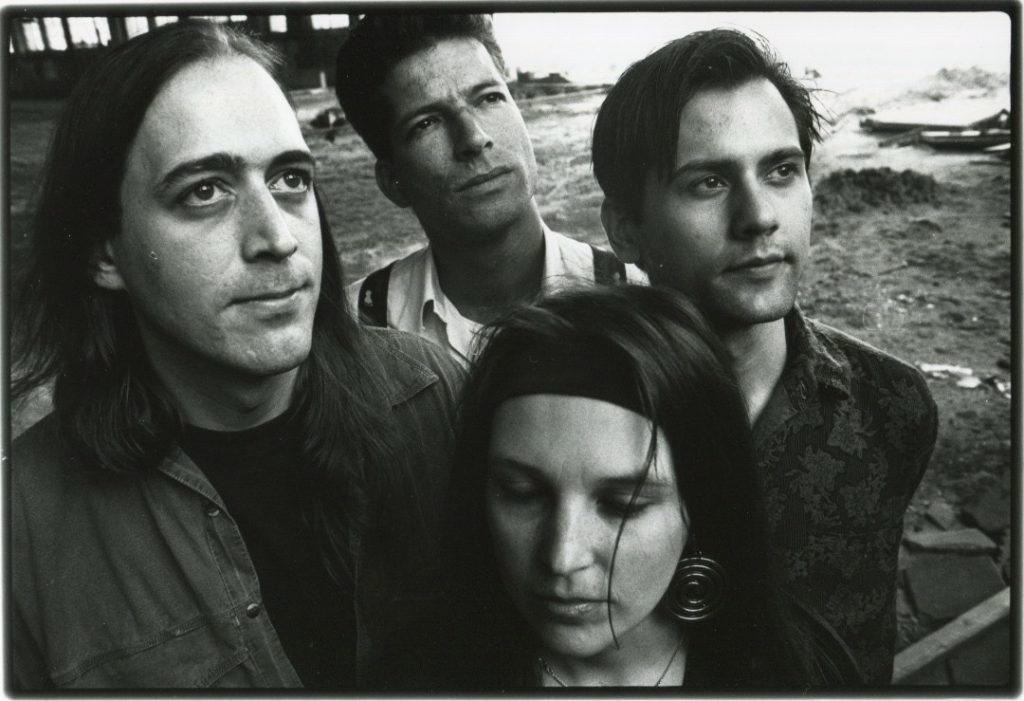
The song titled “Love is Like Heaven” released on 19th September 2025 arrives as a rare fusion of revived history and present day emotional intensity, carrying within it the older spirit of its late nineties creation while sounding unmistakably alive in this new era. From the first note the track establishes a sonic world shaped by analog warmth, subtle imperfections, and a sense of lived presence that cannot be artificially reproduced in modern systems. The opening guitar shimmer acts like a doorway into a soundscape that feels both dreamlike and grounded, allowing the listener to immediately sense its origins in a time when music was captured rather than manufactured. Every sonic layer carries the memory of its original performance, each vibration holding the energy of musicians who believed in honest expression more than pristine aesthetics. This quality alone sets the tone for the rest of the track, establishing a foundation built on emotional truth, creative intuition, and the preserved atmosphere of a moment in time. The result is a beginning that envelops the listener completely and prepares them for a journey into something raw, evocative, and deeply human.
As the guitars expand into their full melodic architecture, the instrumental bed of “Love is Like Heaven” reveals its true nature as a blend of new wave clarity, post punk grit, and the expressive fullness of nineties alternative rock. The guitar lines oscillate between brightness and tension, sometimes chiming with glistening clarity and sometimes pushing forward with thicker textures that add weight to the emotional landscape. Beneath them Ruud’s bass performance holds the track firmly together, offering a melodic grounding that prevents the soaring upper layers from drifting into abstraction. The drums reinforce this with an urgent rhythmic pulse that feels unmistakably live, as if captured from a single breath of performance rather than fragmented into digital pieces. Together these elements form a cohesive instrumental energy that feels like a heartbeat, steady but emotionally charged, giving the song a sense of forward motion that is both exhilarating and intimate. This instrumental synergy is one of the reasons the track feels timeless rather than dated, because it remains anchored in emotional authenticity rather than stylistic imitation.
Nelly’s vocal performance stands at the center of the song as its most defining and unforgettable element, giving “Love is Like Heaven” the emotional force that transforms it from a striking track into an affecting experience. Her voice carries cracks, surges, grit, softness, and fire in equal measure, untouched by digital smoothing and free from the artificial polish of contemporary vocal production. She sings as if each word contains the weight of memory, drawing from lived experiences rather than technical precision, allowing vulnerability to guide the delivery. In the quieter moments her tone feels intimate and near, almost trembling with emotional exposure, while in the chorus she expands into a commanding presence that fills the space with overwhelming sincerity. The choice to preserve her natural vocal textures makes the performance feel not only expressive but essential to the identity of the track. Nelly’s voice does not decorate the song; it defines it, paints it, breathes life into it, and shapes its entire emotional atmosphere in a way no other element could.
The lyrics of “Love is Like Heaven” play an equally vital role in shaping the song’s emotional essence, offering a poetic reflection on the consuming and contradictory nature of deep affection. The metaphor of heaven is employed not as a symbol of peace but as a representation of something powerful, encompassing, and almost too intense to contain without consequence. This creates a multilayered emotional tone that moves between longing, surrender, fear, desire, and the delicate balance between devotion and self protection. The words do not tell a specific linear story but instead build an emotional environment, a space where listeners can project their own experiences, memories, and vulnerabilities. This approach deepens the song’s resonance because it invites personal interpretation rather than dictating a fixed meaning. By leaving emotional space within the lyrics, the band allows the themes to breathe and transform depending on who is listening and what they bring into the experience. It is a lyrical approach that rewards repeat listening and reveals new emotional colors each time.
The production and remastering of “Love is Like Heaven” is an achievement in preserving authenticity while enhancing clarity, allowing the analog roots of the original recording to remain intact without sacrificing the standards of contemporary listening. The engineer responsible for the original 1997 capture returned to the source material with a sensitivity that avoided altering its core identity. The tape warmth remains fully present, the slight grain of analog texture still breathes across the mix, and the spatial presence of the instruments feels natural rather than constructed. At the same time the remaster brings forward definition, separation, and brightness that allow the track to stand confidently beside modern releases without compromising its history. The vocals sit forward but never detach from the instrumental environment, the guitars stretch outward with clarity, and the rhythm section occupies a physical space that feels palpable and honest. This careful balance between preservation and refinement is what makes the track feel both historical and immediately current.
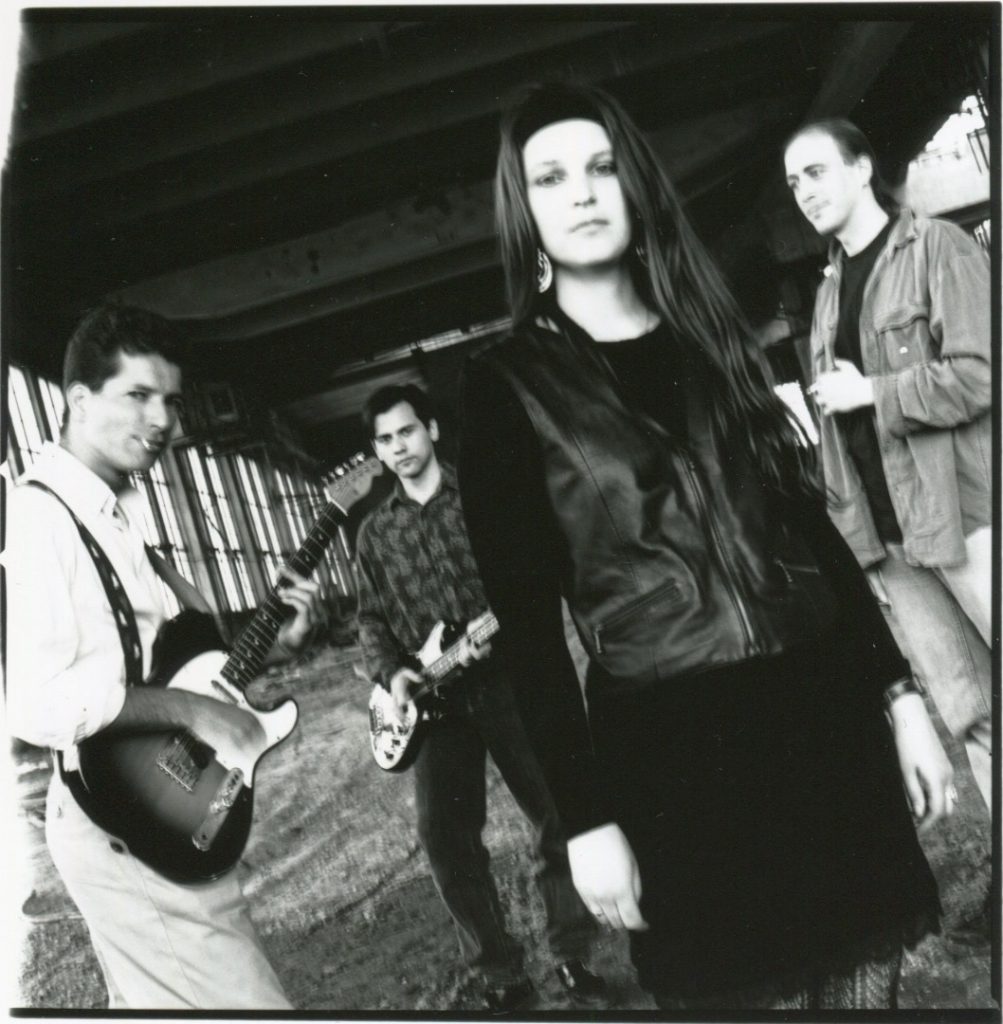
One of the most compelling aspects of “Love is Like Heaven” is the way it embodies the emotional and sonic spirit of the late eighties and nineties while simultaneously appealing to the expressive preferences of today’s listeners. The track carries the restless energy, emotional transparency, and atmospheric weight that defined alternative rock of the period, yet nothing about it feels outdated or trapped in the past. Instead the preserved imperfections, the analog textures, the vulnerable vocals, and the unpolished emotional core align perfectly with modern interest in authenticity over artificial polish. This timeless quality emerges not because the track imitates a retro aesthetic but because it genuinely belongs to that era and remains powerful enough to speak across decades. The sincerity in its performance and the honesty in its sound anchor it firmly in the present and make it relevant for listeners who seek music that feels human, imperfect, and emotionally real.
Even the organic reception of the song upon its initial appearance supports the idea that “Love is Like Heaven” resonates because of its authenticity rather than any external push or marketing. With no promotional budget and without support from the largest streaming platform, the track was released quietly on YouTube yet still gathered views, likes, and comments from listeners who were naturally drawn to its sound. This kind of engagement feels symbolic of the track itself. It is a song fueled by emotion, truth, memory, and craft, not by algorithms or manufactured hype. The listeners who found it did so because it spoke to them directly, because its honesty was loud enough to cut through the noise of the digital landscape. That early response reflects the essence of Rejection Ratio’s identity and validates the emotional power of the music even before its official release.
Love is Like Heaven Is A Raw Emotional Surge Of Analog Depth, Revived Energy, Lived Experience, And Timeless Power That Turns Vulnerability Into Something Irresistibly Atmospheric And Profoundly Unforgettable
In the end “Love is Like Heaven” stands not only as a revived artifact from Rejection Ratio’s past but as a fully realized and emotionally impactful modern single. Its shimmering guitars, expressive vocals, atmospheric textures, and raw emotional presence combine to create an experience that lingers long after it ends. It captures the collision between past and present, between analog and digital, between vulnerability and strength, forming a sonic world that feels intimate, urgent, and unmistakably alive. As the first single from the album Acceptance Quotum Resonance it sets a powerful precedent for what the reunited band is offering to the world. It proves that truthful music does not age, that emotional sincerity remains timeless, and that a song shaped by real human experience can resonate just as strongly decades later. “Love is Like Heaven” is not only a release from 19th September 2025. It is a reminder of what music can be when it is created with heart, preserved with care, and shared with absolute honesty.
For more information about Rejection Ratio, click on the icons below.