

Few musical works attempt to translate centuries of spiritual tradition into a language that resonates with contemporary audiences without sacrificing authenticity, yet “The Ascension” released on the 26th of june 2026, accomplishes exactly that. Built around Mari Vere Gati, the revered 200-year-old Telugu composition by Syama Sastri, the piece becomes far more than a reinterpretation of a Carnatic classic. It emerges as a deeply affecting reflection on emotional exhaustion, surrender, and the universal search for hope when human strength begins to fail. Rather than framing devotion as something confined to religion or culture, AGAM presents it as an experience recognizable to anyone who has faced grief, loneliness, burnout, anxiety, or overwhelming uncertainty. That emotional accessibility becomes the foundation of the entire performance, allowing an ancient prayer to evolve naturally into a cinematic meditation on resilience. The result is remarkably sincere, never feeling as though tradition has been modernized merely for spectacle, but instead elevated into an emotionally expansive work that speaks across generations, cultures, and personal beliefs.
The emotional heart of “The Ascension” lies in Harish Sivaramakrishnan’s extraordinary vocal performance, which carries the entire narrative with remarkable conviction and vulnerability. His voice moves effortlessly between fragile intimacy and commanding grandeur, perfectly mirroring the emotional progression from quiet desperation toward spiritual release. Every phrase feels carefully lived rather than merely sung, allowing the devotional origins of the composition to retain their sacred gravity while simultaneously embracing the expansive language of progressive orchestration. Even listeners unfamiliar with Telugu immediately connect with the sincerity embedded within every note because emotion consistently takes precedence over linguistic understanding. The repeated plea, asking whether there is any refuge beyond the divine, resonates as one of humanity’s oldest and most honest questions. Rather than presenting surrender as weakness, the vocals redefine it as courage, portraying the acceptance of one’s limitations as the beginning of genuine healing. The addition of the choral ensemble magnifies these emotional peaks beautifully, surrounding Harish’s lead vocals with a sense of collective humanity, transforming an individual prayer into something that feels shared by everyone listening.
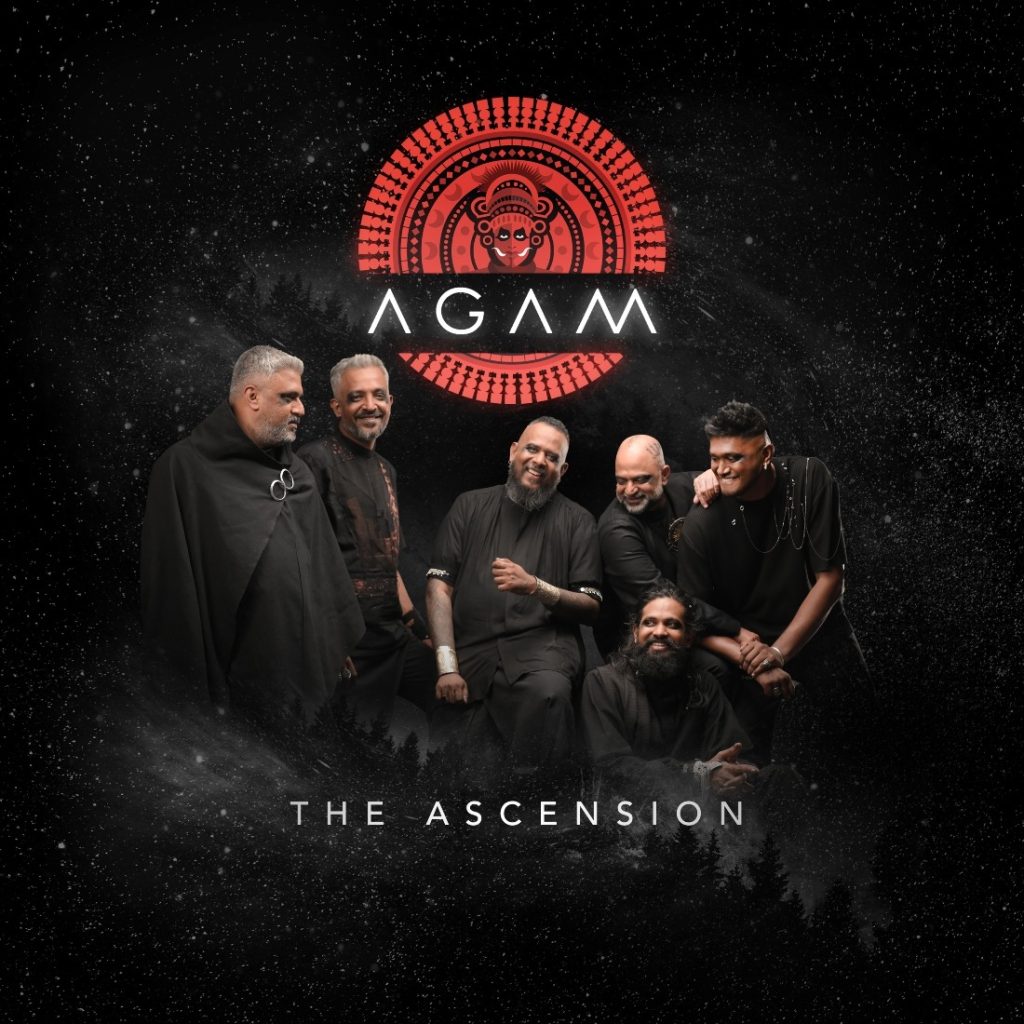
Lyrically and thematically, “The Ascension” refuses superficial optimism in favor of something considerably more profound. It acknowledges suffering directly without offering simplistic solutions, choosing instead to explore what it means to continue moving forward despite emotional collapse. That honesty gives enormous weight to the central message, making every musical development feel like another emotional step within a personal pilgrimage. The recurring sentiment behind Marivere Gathi becomes the song’s emotional compass, continually returning to the deeply vulnerable question of where true refuge can be found when every other source of strength disappears. Instead of dwelling exclusively on pain, however, the composition gradually shifts toward hope through surrender rather than resistance. It suggests that spiritual elevation does not occur because struggles disappear, but because people discover new ways of carrying them. This delicate balance between vulnerability and resilience gives the song remarkable emotional maturity. The devotional roots remain unmistakable, yet the broader message extends naturally to anyone searching for peace, meaning, purpose, or simply enough strength to continue facing another difficult day.
The accompanying music video strengthens these themes through exceptional visual storytelling that consistently complements the emotional architecture of the music. Every frame reflects extraordinary attention to detail, transforming what could have been a straightforward live performance into an immersive cinematic experience. The sophisticated LED environments, dramatic lighting design, and polished studio presentation create an atmosphere that feels simultaneously intimate and monumental. Close-up shots of Harish Sivaramakrishnan capture every subtle emotional expression, drawing viewers into the personal vulnerability of the performance, while expansive wide-angle compositions reveal the immense scale of the orchestra and choir, reinforcing the transformation from solitary prayer into communal catharsis. The lighting evolves alongside the music, moving gracefully between warm golden tones that suggest comfort and cooler blue palettes that evoke contemplation and transcendence. Wonderwall Media’s editing deserves equal recognition, as every visual transition feels rhythmically synchronized with the evolving percussion, orchestral swells, and vocal intensity. Rather than distracting from the music, the visuals deepen its emotional impact, preserving the sacred origins of the composition while presenting them through an unmistakably modern cinematic language.
Beyond its emotional and visual achievements, “The Ascension” is equally remarkable from a musical and production standpoint. AGAM’s ability to fuse Carnatic tradition with progressive rock and full symphonic orchestration demonstrates extraordinary artistic discipline and imagination. The Anandabhairavi rāga provides a timeless melodic foundation while the Czech National Symphony Orchestra expands that framework into something breathtakingly cinematic. Rich string arrangements, commanding brass, delicate harp passages, and expansive choral harmonies coexist effortlessly with electric guitars, bass, drums, and indigenous instruments such as the Maddalam, Rabab, and Saz. Every instrumental layer feels purposeful rather than decorative, preserving the integrity of the Mishra Chāpu rhythmic structure while introducing textures that continuously enrich the listening experience. Equally impressive is the immaculate production, which maintains exceptional clarity throughout the song’s constantly shifting dynamics. Quiet reflective passages remain intimate without becoming fragile, while the towering crescendos achieve overwhelming emotional power without sacrificing balance or definition. “The Ascension” stands as an extraordinary achievement in contemporary world music, progressive rock, and orchestral fusion, delivering an unforgettable artistic experience that deserves to be seen and heard in its entirety.
The Ascension Reminds Us That True Strength Begins With Surrender, Transforming Pain Into Purpose And Proving Hope Can Rise Even From Humanity’s Deepest Moments Of Despair.
~ Daniel (Dulaxi Team)
If you experience only one performance that proves music can simultaneously heal, inspire, challenge, and transcend cultural boundaries, make it “The Ascension”, it is an unforgettable journey that lingers long after the final note fades. AGAM has spent more than two decades redefining what progressive Carnatic rock can achieve, building an international reputation from Bengaluru by allowing the depth of South Indian classical music and the power of progressive rock to coexist without compromise. Rather than reducing either tradition, the band embraces their full complexity, creating emotionally expansive music that remains deeply rooted in its cultural identity while connecting with audiences across the world. That unwavering artistic philosophy has earned AGAM a devoted global following and established them as one of India’s most distinctive contemporary bands. “The Ascension” perfectly embodies that vision, transforming timeless devotion into a breathtaking modern experience. Whether you are drawn to profound storytelling, exceptional musicianship, or cinematic visuals, this remarkable music video is an essential watch that rewards every moment of your attention.
For more information about AGAM, click on the icons below.