
Hello everyone, it’s your host Oliver from DULAXI, and today I’m delighted to be joined by Cale Anderson, the musician, producer, and singer-songwriter from Warragul, Victoria, Australia, whose genre-bending work explores the meeting point between electronic music, folktronica, experimental sound, and spiritual expression.
Cale joins us to discuss his latest album, Yemaya (We All Come from the Goddess), released on 23 July 2026. The project presents a deeply personal exploration of devotion, connection, love, and spirituality through an unconventional blend of Electronica, Folktronica, Art Pop, New Age influences, and experimental textures.
Before we begin our conversation with Cale Anderson, here’s what you need to know about today’s featured project.
About Cale Anderson
Cale Anderson is a musician and producer from Victoria, Australia, whose creative journey has been shaped by experimentation, improvisation, and a desire to explore ideas that often exist beyond ordinary expression. Throughout his discography, Anderson has explored themes surrounding rebirth, loss, personal reflection, and the unpredictable nature of human experience. With Yemaya (We All Come from the Goddess), he turns his attention toward spirituality and devotion, creating a project that reflects a deeply personal relationship with ideas of divinity, connection, and a higher power.
Described as a devotional album expressed through an unconventional lens, Yemaya (We All Come from the Goddess) blends electronic production with folktronica, spiritual influences, hip-hop elements, and art pop sensibilities. Rather than following traditional structures associated with devotional music, Anderson creates a world built around unusual lyrical imagery, hypnotic rhythms, atmospheric textures, and moments of emotional vulnerability.
The album’s inspiration comes from Anderson’s own spiritual exploration and personal experiences, including the search for meaning through periods of significant change and reflection. At the center of the project is the figure of Yemaya, a divine presence associated with the ocean and spirituality, which became the foundation for an album focused on themes of creation, love, womanhood, connection, and humanity’s relationship with something greater than ourselves.
Created primarily through the Maschine MK3 by Native Instruments, alongside guitar and a Rode NT-1 microphone, the project represents years of experimentation with production techniques, improvisation, and sound design. Anderson developed the album using a combination of UVI plugins, Native Instruments tools, Ableton stock plugins, and carefully crafted production methods built through years of exploring both hardware and software.
One of the album’s unique production choices is Anderson’s use of subtle tuning variations, with instruments placed between 443.90Hz and 445Hz, creating a slight sense of natural movement and imperfection within the recordings. Inspired by his interest in artists who explore alternative tuning approaches, this decision helped shape the album’s organic quality, allowing the electronic elements to maintain a human feeling.
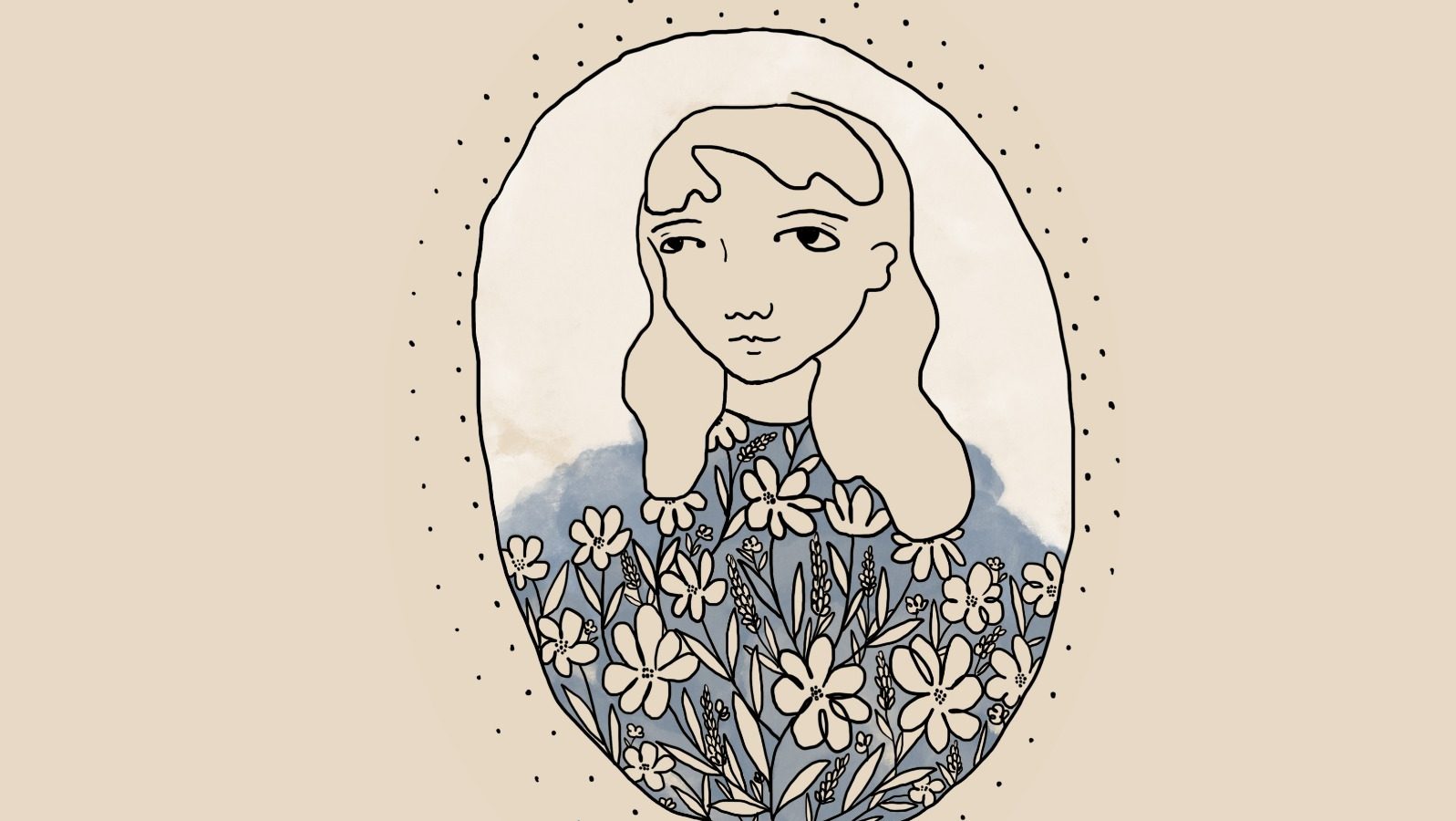
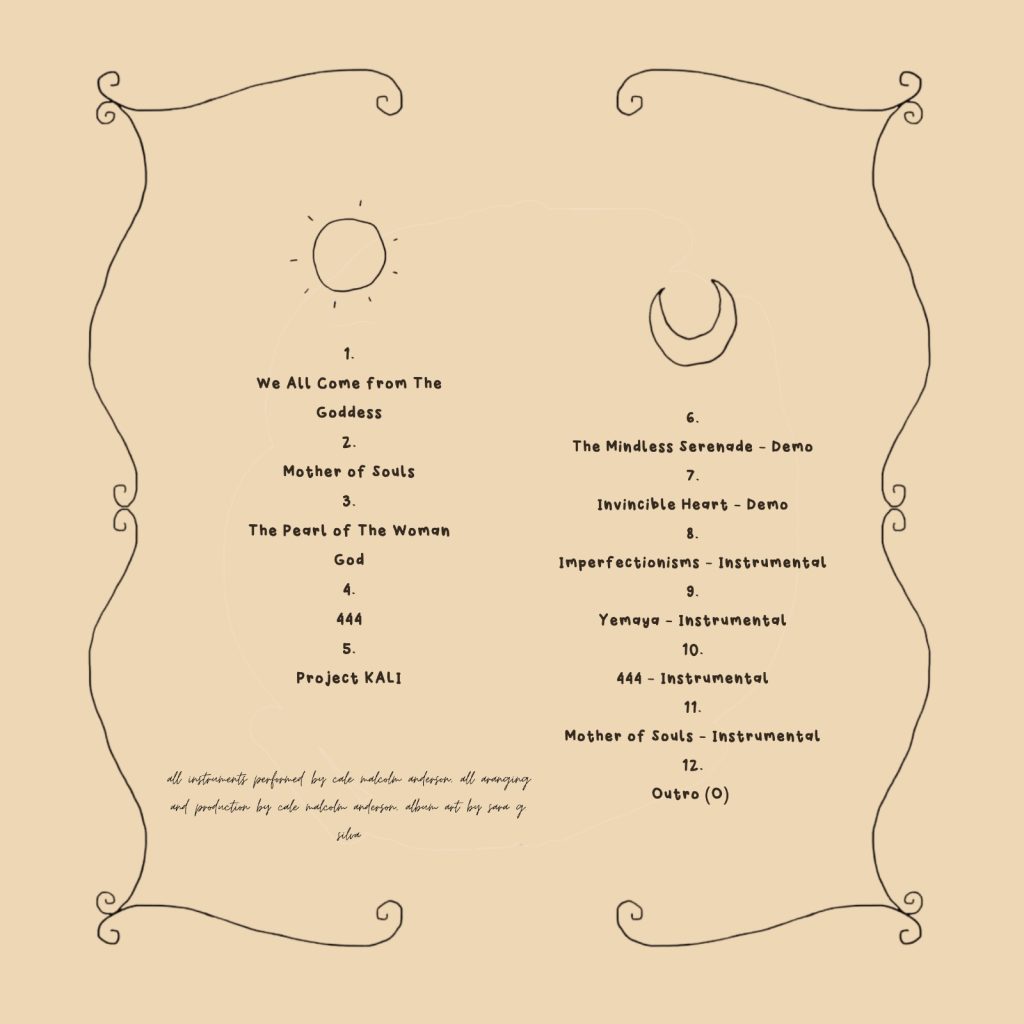
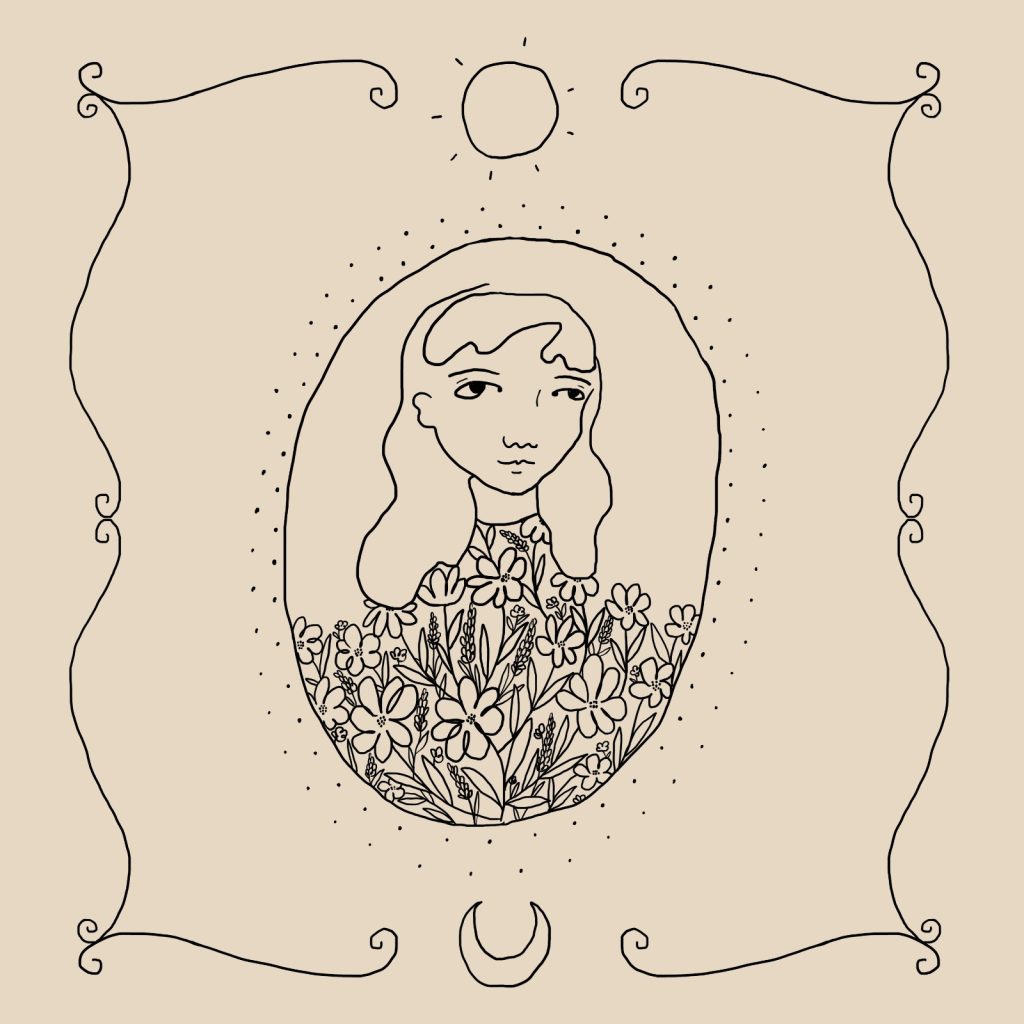
The project also features artwork created by Sara Gsilva, whose visual contribution complements the album’s themes of spirituality, emotion, and connection. Across songs such as “The Pearl Of The Woman God,” “Mother of Souls,” “Project Kali,” and “Invincible Heart,” Anderson combines experimental production with intimate songwriting, creating a body of work that invites listeners into a deeply personal artistic world.
Through Yemaya (We All Come from the Goddess), Cale Anderson presents an album that challenges traditional genre boundaries while embracing sincerity, vulnerability, and creative freedom. The project reflects both his evolution as a producer and songwriter and his continued interest in exploring new artistic directions.
Having this brief introduction to today’s featured project, I’m sure both new listeners and longtime fans are excited to hear directly from Cale. So, without further ado, let’s begin today’s interview.
INTERVIEW SESSION
Oliver:
Cale, your music has explored themes ranging from rebirth and loss to moments of randomness and personal reflection, yet Yemaya (We All Come from the Goddess) feels like a particularly focused spiritual statement. Before we dive into the album itself, what experiences and personal beliefs have shaped your relationship with spirituality, and how did they ultimately lead you toward creating this project?
Cale Anderson:
a near death experience shaped a lot of my personal journey through life, it’s something that felt like a really pivitol moment on 2015, that led me through a lot of mental health struggles; ranging from bouts of anxiety, to bipolar depression and manic highs. Before that I was spiritual in some senses, too, but I would always shy away from the typical spiritual practices that you’d find in hippie communities and in religious worlds. I always found myself making my own spiritual path, guided by many delusions caused by that mental health battle in 2015. Ultimately, I think the reason why Yemaya feels so focused in its theme is because I’ve had a lot of time to conjure up a sort of “Grand Delusion” or a “master-world” that I can partake in and draw from at anytime, even if I know full well that those things are just that, delusional.
At the same time, I feel like Yemaya has some of my actual core beliefs scattered throughout, like womanhood being sacred & human beings having soul ties to something ancient and spiritual in nature.
Oliver:
Growing up in Victoria, Australia, and developing both as a musician and producer, what were some of the defining moments that convinced you music could become a vehicle for expressing ideas that are difficult to explain through ordinary conversation?
Cale Anderson:
Raw improvisation with just me, on a guitar, and singing always opened me up to the possibility that music could become a great vehicle for personal expression and openness. No one really understood it, like my dad for example, when I would play and sing for 2 hours straight, making things up on the spot. A very defining moment was when, at that 2015 event I mentioned, Burning Seed: Revolution—a regional Burning Man event—I played in a jam band for 6 hours straight or so & I saw this raw improvisational side of the music take hold of people like I couldn’t believe. Artists with canvases and nude models, 40-60 year old men sat laying on their sides and the artists painted on canvas to the music me and strangers made on the stage behind them.
Oliver:
One of the most fascinating aspects of your work is your willingness to embrace unconventional ideas without worrying about fitting neatly into a particular genre or expectation. Has that creative freedom always been part of your artistic personality, or was there a moment when you consciously decided to trust your instincts and follow your own path?
Cale Anderson:
To be honest, I wouldn’t go as far as to say that this creative freedom has always been a part of my artistic personality, but I would say the natural, and synthetic, psychedelic journeys I had when I was in my late teens definitely shaped how I express myself. I believe I decided to create my own path after my drug induced psychosis at 19 years old, leaving community college a year prior. I didn’t have a lot going for me apart from the music. As for genres, I’m interested in too many to not try a bit of everything, even ones I’m not that fond of like country and mainstream pop.

Oliver:
The title Yemaya (We All Come from the Goddess) immediately introduces listeners to themes of divinity, creation, and reverence. What drew you to the figure of Yemaya, and how did she become the spiritual and creative center of this album?
Cale Anderson:
I attended a music festival in late 2014 to early 2015, around that time, called “Yemaya”. The events that took place at that festival were very oceanic and later on I discovered that Yemaya can be translated to like “Goddess of the Ocean” but don’t quote me on that. Because Yemaya is a divine figure in mystic circles, I found the name fitting. It’s also been a theme of mine to mention Yemaya in songs in last in the form of mantras, like singing it repetitively, in my single/EP “Erra”, for example. So my relationship with Yemaya as a concept runs deep we could say.
Oliver:
You have described the record as devotional, but in an unconventional way. Many devotional works follow familiar traditions or structures, whereas this album seems determined to explore spirituality through experimentation, intimacy, and unpredictability. What does devotion mean to you personally, and how did you translate that understanding into music?
Cale Anderson:
I think the way I devoted to this album is to show a side of myself that is more multifaceted and unique than usual. Devotion to me means, and you can have this feeling with any person or animal, concept or God(ess), something that you give your undivided attention to in any moment that you can tune into at any point in time.
Goddess worship, or the feeling this devotional piece entails, can be accessed by me on an acoustic guitar, or ukulele at most likely any particular moment.
I translate my feelings and thoughts about spiritual things into lyrics after the music behind those lyrics have been prepared and i can tune into these higher mappings after ive got a taste of what the music is asking. I also translated that intuition into music by way of familiarity with the themes of what I’ve learned through navigating what I’d cite as hero’s journeys through long uphill battles where leaning on a higher hand, so to speak, felt like the only way out.
Oliver:
Throughout the album, there is a recurring sense of romance intertwined with reverence for a higher power. What inspired you to explore the connection between spiritual devotion and the emotions we often associate with love, desire, and human relationships?
Cale Anderson:
This might be funny actually, but the album artwork creator for this album is Sara Gsilva, a woman who I’d grown fond of over the past year of working together with, who lives on the other side of the world, Portugal namely. I developed a crush on her that didn’t go anywhere, and she may just be the little romantic nudge that took this album in this direction as I haven’t had any romantic interests apart from her in quite some time.
I believe it is this relationship in particular that inspired some of that. But a lot of it stems from what my higher idea of romance and connection is. Once I told Sara how I’d felt about her, she let me down easy and we appreciated each other friends and collaborators even more after that, it didn’t ruin anything. My experiences in dreams in the night time, and also loves lost to chance encounters that took a route to nowhere are also inspirations to my many love songs, not excluding Yemaya.
Oliver:
Several listeners have described the album as hypnotic, while others have highlighted its willingness to be awkward, sincere, erotic, and deeply spiritual all at the same time. Were you consciously trying to challenge traditional ideas of what spiritual music can sound like, or did the album naturally evolve into that space?
Cale Anderson:
A bit of both. I take a delightful bite of unconventional pie, everytime someone listens to a record of mine and cant fathom what lyric or phrase will come next. I also don’t want to be too preachy or religeous sounding, so a few funny words or passages can make the listener do a double take, and sometimes that can take a listener out of the experience but I think it’s worth it if it can subvert expectations a little. I take pleasure in it anyway. The album naturally got led in that direction too in some respects.
Oliver:
Your lyrics often feel symbolic, dreamlike, and open to interpretation. When writing for Yemaya, how did you balance personal meaning with leaving enough room for listeners to discover their own interpretations within the songs?
Cale Anderson:
I wanted to mention people turning to stone by way of getting gazed at by Medusa in the second track, Mother of Souls, but leaving it symbolic enough to give way for interpretation to people especially when they’re listening to the song for the first time without being privy to the lyrics. There’s a lot in there that is full of personal meaning, just like with most of my records, but I hope I left enough room for subjective experience aswell as the first person perspectives I gave for myself as an individual. I really do hope I left enough room for listener’s own interpretations, we’ll have to see.
Oliver:
The album moves across folktronica, electronica, art pop, devotional music, hip-hop influences, and experimental textures without losing its identity. How did you approach blending such a diverse range of genres while ensuring the project still felt like one complete artistic statement?
Cale Anderson:
I think that the Maschine MK3 and the specific VST plugins I used, and samples of footsteps, and vinyl record scratching, scattered throughout give the project it’s core identity. That, along with my voice, seem to give it it’s own sonic signature. But I’d love to say also that the genre bending comes with being able to access chord progressions and melodies easily via the Maschine software’s chord and scale functions, I was able to easily transition between folktronica, like in Mother of Souls, to something like Invincible Heart’s abstract yet recognisable footprint of artiness quite easily.
Oliver:
A particularly unique aspect of the album is your decision to tune instruments between 443.90Hz and 445Hz, creating subtle variations that give the record a raw, almost live quality. What inspired that approach, and how did those slight imperfections contribute to the emotional atmosphere you were aiming to create?
Cale Anderson:
an artist named Yaegon Lamagaia inspired that, and just him alone. He is the name behind projects such as Merkaba, Kalya Scintilla and Griffin Kloud. He also manages Merkaba records, a label that goes deep on psytrance, psybient and downtempo music. He pretty much always tunes his music 432hz or 444hz on his projects. That’s where I took inspiration from. The reason’s why I wanted to have slight tuning differences was due to a mistake I made in project, where I accidentally tuned several instruments slightly off key from 444hz, about 443hz & that instantly sparked the desire to do it on purpose from the result.
Oliver:
You created the project primarily using the Maschine MK3, alongside guitar and a Rode NT-1 microphone, while drawing heavily from years of experimentation and improvisation. How important has curiosity and trial-and-error been to your development as a producer?
Cale Anderson:
Very important. I usually always release, or at least use later on, everything I create. But sometimes, something very bad can go wrong, like not hitting record when I do a improvised performance for example.
Curiosity has been incredibly vital and I’m in a balanced state with my current medications, that’s not overdoing it to the point where I have too many side effects to function, nor not enough to the point where I’m beyond manic, making stuff that would make no sense whatsoever to people.
Oliver:
You mentioned that this album draws deeply from your personal collection of production techniques, creative discoveries, and what you describe as your “bag of tricks and charms.” Were there any particular moments during the production process where experimentation unexpectedly led to a breakthrough?
Cale Anderson:
The key change in Project Kali was an accidental “flip of the switch” moment that led to fantastic results, in my humble opinion.
Oliver:
The instrumental versions and production details reveal a strong sense of composition beneath the album’s more surreal and mythological elements. When constructing these songs, how do you decide when a track needs complexity and when simplicity can communicate the message more effectively?
Cale Anderson:
I decide pretty much 20 minutes into a project whether or not complexity will suit the instrumental or not. With songs on Yemaya, I felt the need to hold back somewhat from doing too much. Mother of Souls utilises about 10 – 12 Instrumental tracks (for example) and any more than that I think the groove would be a little too muddy and gross to listen to. It’s already something with a lot of mud, the original mix anyway. It does suit it and the lyrics though, haha.
Oliver:
The response from listeners has been remarkably varied, with some finding the album ideal for yoga and nature walks, while others connect with its emotional vulnerability, spiritual themes, or experimental qualities. What has it been like seeing people interpret and experience the album through so many different perspectives?
Cale Anderson:
That’s a great question, thanks, Oliver. I feel that this is the first time a project of mine has ever had this many eyes on it; my family has good things to say about it as well as the people I connect with online.
The varying perspectives on this lead me to nothing but an optimistic feeling. I like that it fits a wide range of physical activities and moments like walking in nature.
I like that some people are finding the album to be very spiritual in nature, and others are finding it to be just an experimental jam session of the album. One woman even said “I want to be worshipped like that” which makes me feel like I’ve made an impact with all the romanticism of the project.
Oliver:
One listener described the record as something that could lift someone out of a difficult emotional place, while another praised its willingness to embrace sincerity without hiding behind irony. What role do you believe vulnerability plays in your music, and how important is it for you to remain emotionally honest in your work?
Cale Anderson:
It’s the most important thing. I show up in studio, and I write and work from the place I feel like in that moment. It’s humbling to get some feedback like that because it shows me that being myself and the rawness of performance I promote in my releases, no matter how my voice sounds without autotune when I don’t use it, is welcomed by the listener. Vulnerability is my main catalyst and aim when creating. I want to be raw, without being completely naked, so I dress up a raw vocal take in shimmery reverb, unkempt distortion, or diverse delays to hide its true nature a little bit, but alas: the vulnerability shines through and I guess people can see it.
Oliver:
Looking back on the completion of Yemaya, what did this album teach you about yourself as both a person and an artist, and were there any discoveries that surprised you during the creative process?
Cale Anderson:
It taught me that I still have stuff to talk and write about, especially regarding the spirituality and worship in the album. I think I’ll revisit this more in the future releases. As a person I learned that I can I can achieve and maintain a level of creative indulgence in a fortnight. The album only took about 12 – 15 days to produce. As an artist I learned that I can use the Maschine to create footstep sounds in quantised steps by sampling the footstep sound and then playing them at different pitches on the Maschine’s pads.
Oliver:
This project feels like a culmination of years spent refining your production skills, songwriting approach, and artistic philosophy. In what ways do you think Yemaya represents your evolution compared to your previous releases?
Cale Anderson:
Thanks for seeing it like that, Oliver. It feels more coherent as a body of work than let’s say “Hi, Sierra (The Early Demos)” or “Karnipriya”. I think that comes down to knowing how to structure songs, all while maintaining space for improvisation to fill certain spaces out. Like making the song up in the moment, with a bass line being conceived in one take on Pearl of The Woman God.
Oliver:
As you continue building your discography and exploring new creative territory, what directions are currently inspiring you, and how do you see your artistic journey evolving after such a deeply personal and spiritually focused album?
Cale Anderson:
I took this opportunity, after finishing Yemaya, to create an album that has nothing to do with spirituality or anything like that. Just a weird experimental album called “Dreaming of Hedgehogs” with art by the wonderful Roos Stokkel. I see my creative vision exploring more
Oliver:
Finally, when listeners sit with Yemaya (We All Come from the Goddess) from beginning to end, what do you hope remains with them long after the music fades, and what conversation do you hope the album starts within them?
Cale Anderson:
I hope it at least sparks a spiritual conversation, one that opens someone’s mind to something a little more “out there” or potentially “inside here”.
“Cale Anderson’s Yemaya is a reminder that music can exist beyond familiar boundaries, creating a space where experimentation, vulnerability, spirituality, and human emotion meet in unexpected ways. Through his willingness to embrace the unusual, he invites listeners into a world that feels deeply personal while still leaving room for individual discovery.”
~ Oliver (DULAXI Team)
EDITORIAL PERSPECTIVE
Yemaya (We All Come from the Goddess) presents a fascinating example of how electronic music can become a vessel for personal reflection and imaginative storytelling. Cale Anderson’s approach blends experimental production, organic textures, and emotionally open songwriting to create a project that feels both unconventional and intentional. The album’s strength lies in its willingness to explore spirituality, love, and identity without limiting itself to traditional structures, allowing each listener to discover their own connection within the music.
~ Oliver (DULAXI Team)
CLOSING
Cale Anderson’s journey through Yemaya (We All Come from the Goddess) reveals an artist deeply committed to exploring creativity, spirituality, and emotional honesty through sound. His openness about the experiences, beliefs, and creative discoveries behind the album offers listeners a deeper understanding of the world he has created.
A special thank you to Cale Anderson for sharing his thoughts, experiences, and artistic process with DULAXI. We hope this conversation encourages listeners to experience Yemaya (We All Come from the Goddess) and discover their own interpretations of the album’s themes, sounds, and emotions.
Thank you to everyone who spent time with us for this DULAXI interview. Stay connected with DULAXI as we continue bringing you more conversations with artists from around the world and exploring the stories behind the music.