
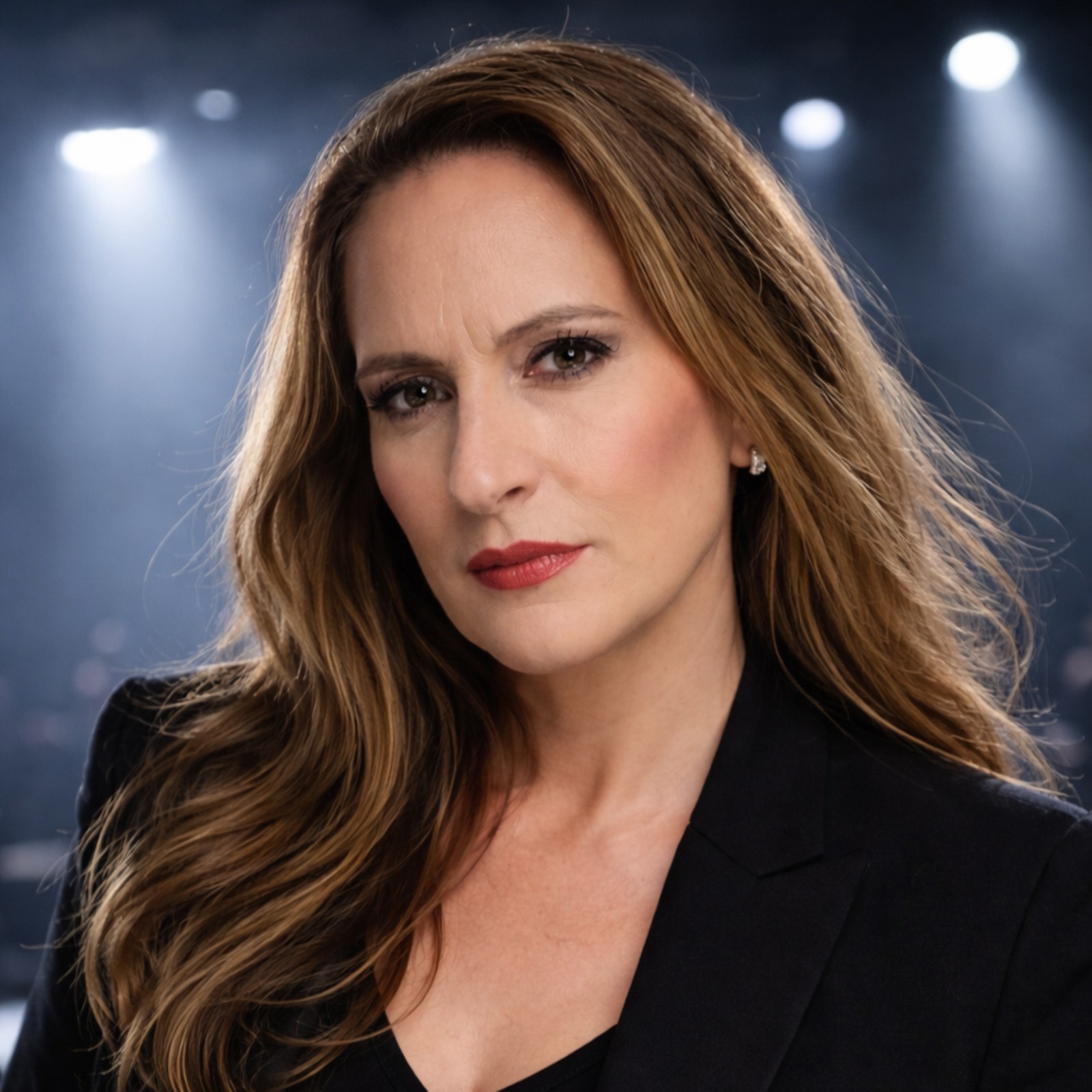
Hello everyone, it’s your host Oliver from DULAXI, and today I’m delighted to be joined by Exzenya, an independent artist based in the United States whose music explores personal experiences through storytelling, humour, and different musical styles. Working through Exzenya Productions, she writes her own lyrics and allows each story to determine its sound. Her latest single, “B!tch Please,” released on 3 September 2026, moves from the satirical pop-R&B of “Drunk Texting” into blues-rock and roots rock, exploring betrayal, self-respect, and the unexpected freedom that can follow the end of a relationship. In this conversation, we discuss the personal experiences behind the release, her creative independence, the musical influences shaping her work, and her commitment to telling stories on her own terms. Before we begin our conversation with Exzenya, here’s what you need to know about today’s featured project.
About Exzenya
Exzenya is an independent artist working through Exzenya Productions, with a creative approach shaped by her experiences in business, her interest in human behaviour, and her commitment to honest storytelling. Having spent years running businesses and studying psychology, communications, and cultural differences, she brings an interest in people’s motivations and decisions to her songwriting. Her mother was a concert violinist who also worked in the corporate world, giving Exzenya an early understanding of how artistic expression and professional discipline can coexist. She writes her own lyrics and approaches each release as an individual story rather than limiting herself to a particular genre.
Her earlier single, “Drunk Texting,” released on 6 May 2025, combined pop, R&B, satire, and comedy-sketch elements to tell a story inspired by an unusual trip to Miami involving her son. The experience included a series of unexpected events, from accidentally attending a professional NFL player’s wife’s birthday party to a protest and a bomb threat that cleared the hotel. Exzenya turned these experiences into a song that used humour to capture the absurdity of the situation while retaining its personal details. The release helped establish her creative principle: the story and its emotions should determine the musical direction.
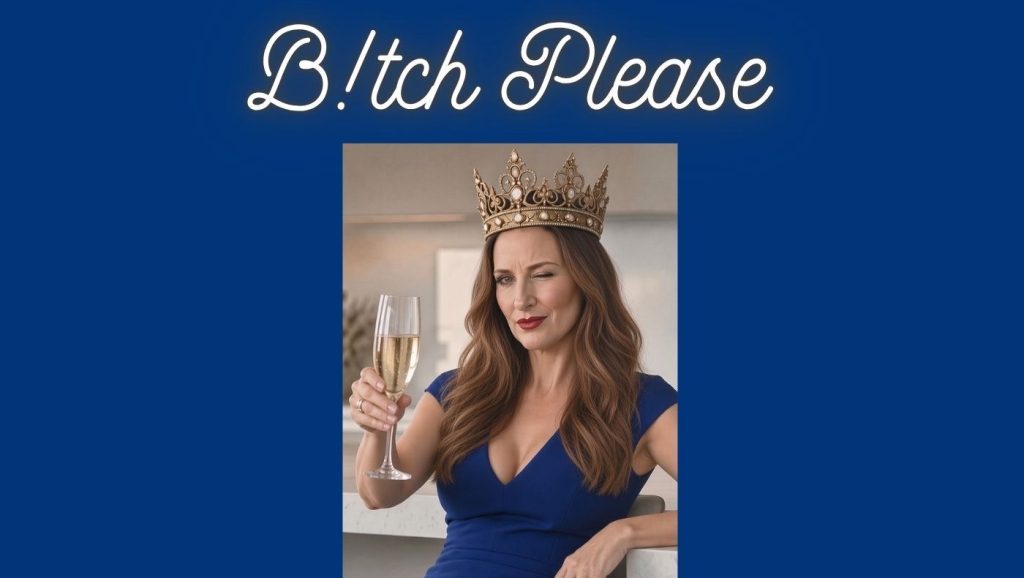
Released on 3 September 2026, “B!tch Please” takes a different direction through blues-rock and roots rock. Inspired by experiences surrounding the end of her marriage, the song centres on a woman confronting the person who slept with her husband and realising that what appeared to be a devastating loss has actually given her an opportunity to reclaim her life. Its defining line, “You thought you were taking my life. You set me free,” captures the reversal at the heart of the story. Rather than focusing on heartbreak or revenge, the song explores the relief that comes from recognising the reality of a relationship and moving forward without it.
Musically, “B!tch Please” draws on blues traditions and the earthy character of roots rock, combining a mid-tempo pace, guitar-driven instrumentation, and a live-band feel with direct storytelling and an unapologetic vocal attitude. Exzenya cites The Band and early Tom Petty alongside contemporary artists such as Dorothy, Kaleo, Barns Courtney, Grandson, and ZZ Ward as reference points for the storytelling and musical character she appreciates. Through Exzenya Productions, she retains the freedom to explore different genres according to the demands of each song. With “B!tch Please,” that freedom results in a personal story about self-respect, independence, and discovering that the end of one chapter can make room for a more fulfilling life.
Having this brief introduction to today’s featured project, I’m sure both new listeners and longtime fans will be interested in hearing directly from Exzenya about the experiences and creative decisions behind her music. So, without further ado, let’s begin today’s interview.
INTERVIEW SESSION
Oliver:
Before exploring the music, I’d like to understand the person behind Exzenya. What experiences, personal values and defining moments have played the biggest role in shaping who you are today, and how have those experiences influenced the way you express yourself creatively?
Exzenya:
I came into music later than the usual debut story. Before the releases, there were years of running businesses, studying cultures, and studying how people actually behave — psychology, communications, conflict, patterns. That background is still in the writing. I pay attention to why people do what they do, why they say what they say, believe what they believe, etc., not just what they did.
My mother was a concert violinist who also worked a corporate life, so I grew up watching discipline and art share a stage. I have sat in courtrooms just to watch how judges, the audience, victims, and perps respond to consequences and outcomes. Years as a CEO taught me that real power is composure, not volume or harshness. Those things show up in the songs. The ordinary moments do too — a Miami hotel, a window broken in a hotel room, a text thread, a door that shuts, and doors that finally open.
Creatively that means I write every lyric, and I let the song decide the tone, texture, and genre. The values underneath it are the same: say what happened, do not sand it muddy or water it down, and balance the voice that can hold both the joke and the looking back.
Oliver:
You’ve established Exzenya Productions as an independent creative imprint, giving you the opportunity to shape your music on your own terms. What led you towards independence, and what does having control over your artistic decisions mean to you beyond simply releasing music?
Exzenya:
Everything I have done and achieved I had to do on my own, so independence is just something deeply engrained in me. I enjoy the flexibility of not having to choose or stay within a lane chosen for me, or a brand deck deciding which emotion was allowed or was not allowed. I write the lyrics. I sing it. I decide the tone, texture, instruments, and genres that fit the plotline of the story.
Control means more than the release date. It means the catalog stays registered and owned. It means I do not have to turn a real ending into something prettier so it fits a playlist. It means “Drunk Texting” can be satire and “B!tch Please” can be roots rock with a blues mouth, and both are still me, because are we not a mess of emotions — good, bad, or indifferent? Do we not choose what to listen to based upon moods, emotions, and contexts? Beyond releasing music, it is the freedom to say the part people usually skip or might be too concerned to say out loud, and to keep saying it as the story requires.
Oliver:
Your earlier single, “Drunk Texting,” approached a real-life incident involving your son during a chaotic trip to Miami through satire, pop, R&B and comedy-sketch elements. What did creating that song teach you about turning unusual or unexpected personal experiences into music, and how did it influence the way you approached your subsequent releases?
Exzenya:
It taught me that a specific emotion, incident in time, or just a word or a phrase can be transformed into music and still keep the original story intact. That Miami trip was chaotic and human. It was fun, humorous, and at times surreal: too much to drink, crashing a pro NFL player’s wife’s birthday party (they thought we were part of the invitees), a protest, a bomb-threat that cleared the hotel — it all happened on that trip. The song called for satire, and the best genres were pop, R&B, comedy-sketch timing. A laugh that still tells the truth, that needed a character that was somewhat dramatic and animated, because that is, after all, what the plot was about.
What it gave me for everything after was the rule. Let the experience pick what goes into the song. If the moment is ridiculous, write the ridiculous. If the moment is a door opening and a look back, write the teeth. Subsequent releases followed that. I still write every lyric. I still let the story and the emotion speak the lane. “Drunk Texting” showed that real, unexpected life moments can be turned into sound without losing the person in it. That is the approach I’ve kept.
Oliver:
With “B!tch Please,” you’ve moved towards blues-rock and roots rock, embracing a more guitar-driven, live-band character. What inspired this change in direction, and was there a particular moment when you realized this was the sound you wanted to explore next?
Exzenya:
The storyline needed a bite. This one came from a look back, and it required teeth.
He convinced her he was getting the money, the cars, that he was going to move her into my house. He asked for my wedding ring in court. She thought she was getting my life. The ending was the opposite. He owed me a lot of money. He got nothing but his truck. I got the cars, the house, everything, because I was the one that made the money. That is not a glossy pop story. It talks like blues and walks like rock. She got him. I got to keep the life I spent many years of education and blood, sweat, and tears creating.
The moment I knew was when the lyric stopped fitting anything lighter. It needed mid-tempo, blues in the chords, a live-band floor, and sass with a wink and a champagne toast. Roots rock had the right feel to it for this particular story.
Oliver:
Your music draws comparisons to artists such as Dorothy, Kaleo, Barns Courtney, Grandson and ZZ Ward. What qualities in this style of rock appeal to you most, and how do you take inspiration from artists you admire while ensuring that Exzenya retains a distinct musical identity?
Exzenya:
What appeals is the story. Writers who are able to put storytelling into sound. The Band and early Tom Petty for porch-rock that still has a backbone. Dorothy, Kaleo, Barns Courtney, ZZ Ward for modern blues-rock that does not muddy or dilute it down. Mid-tempo. Story first.
I take the qualities, not the copy. The dirt under American music. The chorus you remember. A woman who does not shrink in the chorus. The identity stays Exzenya because the lyric is mine, the story was either mine or written by me, and the song still picks the sound.
Oliver:
“B!tch Please” is written from the moment a woman comes face to face with the person who slept with her husband. Rather than pleading, competing or allowing herself to be diminished, she recognizes what the situation has revealed and finds a sense of freedom in it. What inspired you to tell this particular story, and why did you want to approach betrayal from the perspective of relief rather than heartbreak?
Exzenya:
The ending inspired it.
She thought sleeping with a married man was going to make all her dreams come true. He convinced her he was getting all this money. So she thought she was getting my life. That is a painful setup on paper. The look back was different.
Hurt is the first draft. Hurt is “how could you.” The song starts after that draft gets thrown out. I wanted relief because that is what the ending was. He got nothing. She got a cheating man. I did not want a heartbreak song that still orbits him. I wanted the final count to cut; closure.
Oliver:
The central message, captured in the line, “You thought you were taking my life. You set me free,” completely changes the expected direction of a cheating story. What does freedom represent in this context, and what made that reversal of perspective the emotional center of the song?
Exzenya:
Freedom is the ending, said plain.
“You thought you were taking my life” is her story, the one he sold her. She thought she was taking me out of the picture and stepping into the slot. “You set me free” is what actually happened. She did not steal my life. She took the man.
That reversal is the center because without it the song is still a loss. With it, the plot twist belongs to me. People often feel that the one who was betrayed is the one who got robbed. This character looks at the ending and says no. You came for the life. You left with him. B!tch please, you set me free, you released me. Due to that, my life is so much more fulfilling than what it had ever been or ever could be if I had stayed with him. In other words, she did me a favor.
Oliver:
There is an interesting contrast in the story between the apparent attraction of a sugar-daddy fantasy and the reality of being involved with a man who may eventually repeat the same behavior. How did you develop this contrast, and what does it reveal about the assumptions people sometimes make when they believe they have gained something at another person’s expense?
Exzenya:
The sugar-daddy fantasy is a common misconception. You see a man that appears to have money and the things that money can buy, and the assumption is that it is either his and/or his to keep. If you take the wife out of the picture, then there’s this appearance of an appealing life.
The reality, on the other hand, is often an inability to be faithful and, most likely, a continued roaming. What it reveals is simple: believing you gained something at another person’s expense does not make the something real; it makes it a fantasy.
Oliver:
The title “B!tch Please” carries an unapologetic attitude, and the song’s perspective gives its central character a strong sense of self-possession. How important was humor, sass and confidence in shaping the character’s voice, and how did you ensure that the attitude remained connected to the deeper message about self-worth?
Exzenya:
Sass and confidence are the after. Humor is in the gap between what he told her and what happened.
“B!tch please” is dismissal of the wrong story, not hate. You thought you were getting a sugar daddy. Take a good hard look at me. You’ll never be me. That attitude matters because heartbreak songs about infidelity usually hand the woman two jobs: suffer prettily or stay in orbit around the man. I did not want either. The character stands in her own life and says the ending.
I kept it tied to self-worth by making the attitude the count, not a pose. I’m the one with the money. Confidence here is a woman who has already seen that and did not shrink. The deeper message is the same line. You thought you were taking my life. You set me free. The sass is how she says the worth out loud.
Oliver:
As the writer of your own lyrics, you occupy both sides of the creative process: you construct the story and then bring its emotions to life through your performance. When writing a character-driven song like this, how do you distinguish between your own perspective and the voice of the person telling the story?
Exzenya:
On this one, the distance is small. The story is a look back at what actually happened. It was my story and it was time to tell it. The voice is the later voice, the one that already knows the ending.
The construction and composition is the performance. When I write and put the instrumentation together, the lyrics and sound play like a movie in my head. I become the orchestrated conductor and the actress in my movie. The character may take on different personas or moral compasses than me; it depends what the story requires from the performance.
Oliver:
You’ve described the track as roots rock with blues in the chords, a mid-tempo pace and a live-band feel. What attracted you to this musical foundation for “B!tch Please,” and how did you decide that the song needed space, weight and a blues-influenced attitude rather than a more polished pop-rock arrangement?
Exzenya:
Because the story talks like blues and walks like rock.
Blues already knows cheating, the porch conversation after the fact, the look back. Roots rock keeps the dirt under American music: blues, country, folk, gospel in the chords even when it rocks. Mid-tempo. Room to breathe. Story first, production second. Live-band feel. This needed space so the words could land. Weight so the ending had a floor. A blues-influenced attitude so the sass did not turn shiny. Bass and lead vocal as the foundation. Sass with a sarcastic smile. A chorus you remember. The sound had to feel like a person in a room, not a preset announcing an empowerment anthem.
Oliver:
You place the bass and lead vocal at the foundation of the track, with the production allowing the story to take priority over unnecessary polish. Could you take us through the musical arrangement and recording process, explaining how the different elements work together to support the song’s narrative and memorable chorus?
Exzenya:
The rule was story first, production second.
Bass and lead vocal are the floor. If those two are true, the song is already standing. The vocal carries the look back — direct, conversational, sass without anger. The bass holds the weight under it so the mid-tempo has somewhere to sit. Guitar and the live-band elements give it the blues-rock backbone.
The chorus is built to be remembered because the line is the point. You thought you were taking my life. B!tch please; you set me free. Arrangement supports that instead of competing with it. Space around the vocal so the count can be heard. Weight so it does not float off into pop sheen.
Oliver:
Moving from the satirical pop-R&B character of “Drunk Texting” into the roots-rock direction of “B!tch Please” requires a different approach to both vocal delivery and musical expression. What adjustments did you make as a performer to inhabit this new sound, particularly in balancing blues-influenced expression with the confidence and sass the song demands?
Exzenya:
“Drunk Texting” wanted timing, bounce, theatrics, and the comedy-sketch edge. This one wanted weight and air at the same time.
The adjustment was in the posture of the voice. Less sketch, more porch. Blues-influenced expression means leaving the grain in — room to breathe, story first, a live feel. The confidence and sass still had to be there, because the character had already seen the ending. So the vocal sits on the bass as the floor, sharp where the correction lands, open where the release lands. Not a shout. Not a shrink.
Oliver:
Independent artists often have to make important decisions about how much of their personality, experience and creative vision should shape each release. What have you found most challenging about maintaining that independence through Exzenya Productions, and what lessons have you learned about building a sustainable artistic identity on your own terms?
Exzenya:
The challenge is carrying all of it. The writing, the releases, the ownership, the decision about which story gets which sound landscape. Independence is freedom and it is also the full weight. Sometimes my producer will cut some lyrics (there is actually a paragraph missing in B!tch Please). I had to let him know not to cut lyrics as it takes away from the story that is being told. The most challenging part is that I am a storyteller first; the music supports the story line and not the other way around. The lesson is to keep the rule simple and repeat it. The story picks the sound and the genre. The lyrics need to stay intact even if that means the song is a bit longer.
Sustainable, for me, means steady releases on my own terms. The identity is the range plus the honesty: say what happened, tell the story, and put it into a sound that supports telling that story.
Oliver:
“B!tch Please” deals with infidelity, but its message extends beyond the immediate relationship conflict into themes of self-respect, unexpected freedom and recognizing when something that appears to be a loss is actually an opportunity to move forward. What conversations or reactions would you like this song to encourage among listeners, particularly women who may recognize aspects of its story?
Exzenya:
I would like them to try not to look at the situation for what they lost, but for what they gained. The loss is heartache and self-doubt. The loss could be financial, family, friends, and material objects. The gain would be the freedom they were just handed, the end of the pain if the relationship had continued — the release of that pain since it ended, how the relationship actually was holding them back, and how now they have a bright new future with no baggage and no limits.
The conversation I want is that looking back. Not revenge. Not hate. Not “I hope she or he suffers.” Recognition: you may have been released. Especially for women who recognize the story: you can’t keep a man from roaming who is not willing to stay faithful. B!tch please is meant for that realization.
Oliver:
The song has a strong narrative and a chorus built around a memorable statement of liberation. When someone hears it for the first time, what do you hope stays with them afterwards: the humor, the musical energy, the story itself or the wider message about recognizing your own worth?
Exzenya:
The wider message, carried by the story.
Humor and energy are in it. Those help to make it memorable. What I want left is the reversal. You thought you were taking my life. If they remember that what looked like a loss was actually a blessing — then the song did the job. Relief, because recognizing one’s own self-worth and realizing that you deserve to be treated with respect is quite freeing.
Oliver:
Having explored different musical identities through your releases, where do you see the Exzenya project heading next? Are you interested in continuing to explore blues-rock and roots-rock, or do you see yourself moving between genres depending on the stories and emotions you want to express?
Exzenya:
Moving between genres, because that is just how my creative process works with my storytelling. Wherever the story and the emotion point, that is the next sound.
Oliver:
Finally, when people look at the music you’re creating through Exzenya Productions, what would you like them to understand about your artistic identity and the woman behind the songs? What kind of lasting impression would you hope to leave through your songwriting, independence, and the stories you choose to tell?
Exzenya:
When people hear my music and look at what I am creating, I’d like them to understand that my artistic identity coincides with the woman behind the songs. Exzenya may be my stage name; she gives me courage to say and do what I might not otherwise have the guts for, but she is also very much me. A braver, more confident part of me. That artistic identity allows me to create stories and sound that are both within and outside of my everyday CEO persona. Through this I am able to put my knowledge, education, dreams, thoughts, feelings, and lived moments — not only moments within my own life, but also through the lived lives of others.
I am a creative soul and a global thinker. I am not rooted in one lane, one lifestyle, one location, etc. I have many businesses and ventures going on at one time. I love education and learning new things. I am expressive, sometimes a stuffy CEO, and sometimes quite dramatic. I allow all of these parts of me to intertwine with my musical career.
The lasting impression that I would hope to leave through my songwriting, independence, and the stories I choose to tell is this: do not let anyone dictate who you can be, what you can or cannot do, where you want to live, etc. Do not let anyone hold you back, tell you that you are not good enough, not worthy, or make you feel bad about yourself. Live your best life. Know that you will fall and fail more than you will succeed, and know that it will be all worth it in the end.
“Exzenya’s approach to songwriting begins with the courage to tell a story as it happened, without forcing its ending into something more comfortable. With ‘B!tch Please,’ she turns a deeply personal experience into a declaration of independence, showing how the moment we believe we have lost everything can sometimes be the moment we begin to reclaim ourselves.”
~ Oliver (DULAXI Team)
EDITORIAL PERSPECTIVE
What stands out about “B!tch Please” is the relationship between its narrative and its musical direction. Exzenya’s decision to embrace blues-rock gives the song a natural setting for its direct storytelling, while the confident vocal character allows humour and reflection to coexist. Her explanation of the creative process also reveals a clear artistic principle: the sound must serve the story. That commitment, combined with her willingness to move between genres, makes her independent approach particularly interesting. The song’s central idea ultimately rests on a simple but meaningful shift in perspective, recognising freedom where others might see only loss.
~ Oliver (DULAXI Team)
CLOSING
A special thank you to Exzenya for joining us at DULAXI and sharing the experiences, creative decisions, and personal reflections behind “B!tch Please.” Our conversation has offered a closer look at an artist who places storytelling at the centre of her work and approaches musical independence as an opportunity to explore different sides of her identity.
From the satirical character of “Drunk Texting” to the blues-rock direction of her latest single, Exzenya demonstrates how different experiences can call for different sounds. Her perspective on “B!tch Please” also offers an important reminder that the end of a relationship does not have to define the rest of a person’s life. Sometimes, recognising what no longer serves us is the beginning of a more fulfilling chapter.
We encourage readers to experience “B!tch Please” and discover how Exzenya brings this story to life through its blues-rock foundation, confident delivery, and memorable central message. Those interested in her wider musical direction can also explore “Drunk Texting” and follow her work through Exzenya Productions as she continues to develop her catalogue.
Thank you for spending your time with DULAXI and reading our conversation with Exzenya. We appreciate your continued interest in the artists, stories, and creative ideas we feature. Stay with us for more interviews exploring the people behind the music, their experiences, and the ideas that shape their artistic journeys.