

Exzenya’s “Forgiven for the Last Time,” released on October 16, 2026, through her independent imprint Exzenya Productions, is an intimate pop/soul ballad exploring the difficult process of forgiving oneself after a painful relationship experience. Built around a delicate piano foundation and expressive lead vocals, the single examines the emotional consequences of remaining in a situation long after its truth has become apparent. Rather than directing its attention towards the person responsible for the deception, Exzenyadevelops a narrative centred on personal accountability, acceptance, and emotional freedom. The song approaches forgiveness from an unexpected perspective, suggesting that sometimes the person who requires the greatest understanding is the one who endured the experience. Through this approach, the record establishes a reflective atmosphere, inviting listeners into a personal journey where regret gradually gives way to healing.
The opening establishes an emotionally charged atmosphere, capturing the tension of a difficult encounter in which words are about to change everything. There is a sense of vulnerability in the narrator’s trembling voice, accompanied by the emotional weight of confronting someone whose actions have left lasting consequences. However, rather than developing into an extended expression of disappointment, the narrative gradually turns towards the woman reflecting on her own decisions. She considers how long she remained, how much she believed, and how deeply she allowed herself and her family to become invested in a story that was never genuine. This perspective gives the composition an interesting emotional direction because the focus is not simply on identifying another person’s wrongdoing. It is about confronting the attachments and expectations that made walking away difficult.
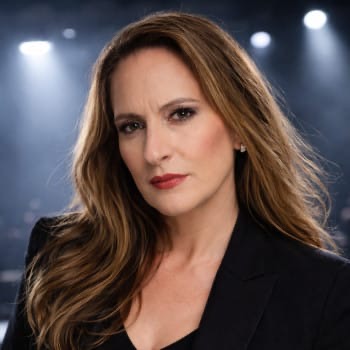
This realization becomes particularly meaningful through the lyric, “I chose to stay when long ago I should’ve left.” The statement acknowledges the narrator’s regret without allowing her past decisions to define what comes next. Rather than remaining trapped in thoughts about the time lost or the deception she experienced, she begins to recognize that forgiveness must also extend towards herself. The song presents forgiveness as a personal decision rather than something that must be earned by another individual. The central realization that it was not him who needed her forgiveness, but herself, gives the composition its strongest emotional foundation. It also explains the significance of the title, “Forgiven for the Last Time,” which represents a final decision to stop revisiting painful circumstances and release the emotional attachment that has prevented personal progress.
Musically, Exzenya maintains a deliberately minimal arrangement that allows the emotional substance of the songwriting to remain at the forefront. Moving at a measured tempo of 86 BPM, the composition relies primarily on piano and lead vocals, avoiding elaborate instrumental layers or a heavily pronounced rhythmic arrangement. The piano provides a gentle foundation, creating enough space for the vocal performance and lyrical narrative to develop naturally. As the song progresses, the delivery gradually becomes more assured, reflecting the emergence of self-acceptance and the willingness to leave the past behind. Rather than introducing an overwhelming instrumental climax, the arrangement maintains its composure, allowing the emotional progression to determine its direction. This restrained production reinforces the song’s intimate and sincere character.
Exzenya’s vocal delivery further strengthens the composition through its movement between fragility and quiet conviction. The performance begins with an intimate quality that captures the difficulty of acknowledging past decisions, while the growing confidence in her delivery mirrors the narrator’s understanding of what forgiveness means. There is a warmth in the lower register that complements the piano arrangement, giving the song a mature pop/soul character. Its emotional sensibility brings to mind the expressive ballad storytelling associated with Lady Gaga’s “I’ll Never Love Again,” alongside the lower-register warmth connected with Elton John. Nevertheless, “Forgiven for the Last Time” maintains its own identity, favouring personal reflection over dramatic heartbreak. The closing sentiment, centred on the understanding that healing can finally begin within, brings the narrative towards a peaceful resolution. Rather than celebrating victory over a former partner, the song recognises the achievement of releasing resentment and reclaiming emotional independence.
Forgiven for the Last Time Is A Soulful Pop Ballad Exploring Self Forgiveness, Emotional Acceptance, And The Courage To Release Past Regrets And Embrace Healing
~ Faithfulness (Dulaxi Team)
This reflective songwriting approach connects naturally with Exzenya’s wider artistic identity as an independent, genre-fluid musician and founder of Exzenya Productions. Since beginning her official release journey in 2025 with “Drunk Texting,” she has explored different dimensions of human behaviour through dark-pop releases such as “Ugly When You Love Me” and “Captivity,” the relationship-cycle storytelling of her concept album “Story of My Life,” and the social observations presented in “Bar Scenes and Rumors.” Her creative interests extend across love, identity, desire, emotional attachment, and the process of finding freedom from difficult experiences. Her background in psychology, communication, conflict resolution, and applied behaviour analysis also informs the observational quality of her songwriting. “Forgiven for the Last Time” represents another meaningful chapter in that journey, moving away from confrontation and towards self-understanding. Through its restrained musical presentation and honest narrative, Exzenya delivers a composition that celebrates the decision to stop carrying yesterday’s pain and begin making peace with oneself.
For more information about Exzenya, click on the icons below.